Thursday, October 14, 2021

Flu symptoms: 5 at-home remedies to treat blocked, stuffy nose

Suffering from flu symptoms? Here's how you can get relief

Amid COVID-19 pandemic, the flu season is wreaking more havoc than ever this year. As per the Centre for Disease Control and Prevention (CDC), flu cases during the 2020-2021 season was "unusually low". Experts believe lockdowns, mask mandates, social distancing and proper hygienic practices are the factors that made it possible.

However, with the availability of the vaccines and the drop in the number of COVID-19 cases, people have become more relaxed and less vigilant in the past, triggering a sudden surge in the number of flu cases.

Some of the common flu symptoms experienced by people are mild fever, cough, sore throat, runny nose, body aches and in certain cases stomach issues. A blocked, stuffy nose is a common indicator of flu, which can take a heavy toll on the body, if left untreated. That said, here are some effective home remedies to unblock your stuffy nose.

Drink warm water or liquids and stay hydrated
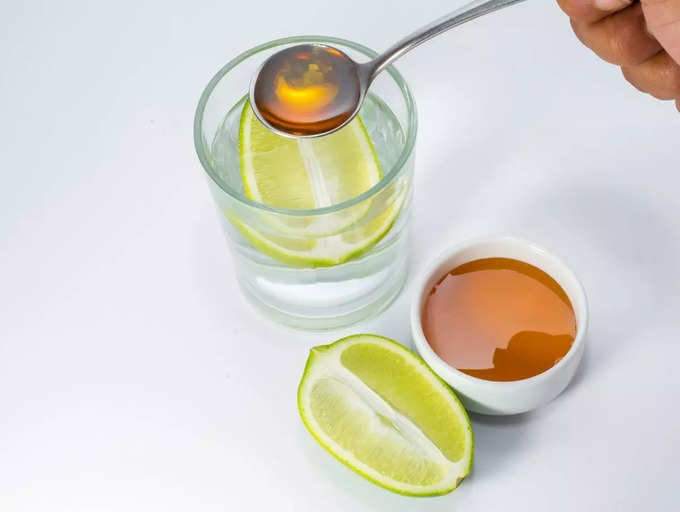
Warm water is the best remedy to treat cold, flu symptoms, especially clogged noses. Besides keeping you hydrated, a warm glass of water, hot ginger, and green tea can help relieve nasal congestion. It comforts and soothes the inflamed membranes that outline your nose and throat and also thins out the mucus that could be causing a blocked nose.

Steam inhalation can help

A stuffy nose can be a great nuisance. It is caused due to an inflammation in the blood vessels of the sinuses, which is why breathing in warm steam can be extremely soothing and relieving. The warmth and the moisture can thin out the mucus in the nasal passage, making it easier to blow and clear your nose out.

How to do it: For steam inhalation, you need to put hot boiling water in a bowl. Put your face over the bowl, with a towel overhead. Breathe for five to ten minutes. Make sure to maintain distance so as to not burn your face.

Nasal saline spray
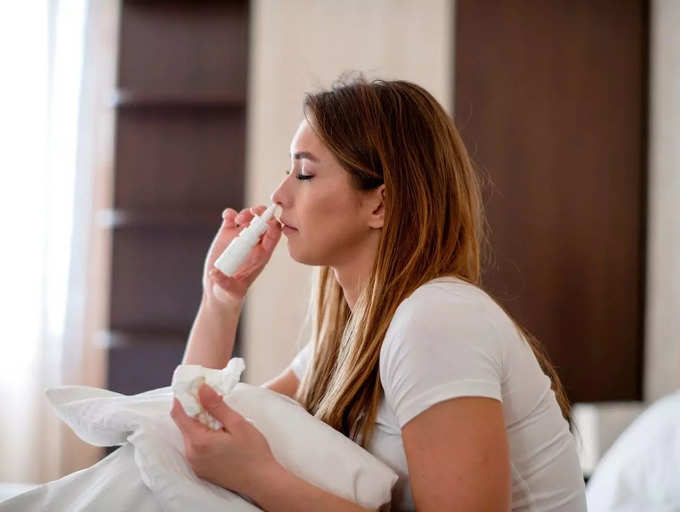
Saline sprays are a great way to clear out your nasal passage when you have the flu or a cold. You can either buy an over-the-counter saline solution or create one at home. Salt water helps unblock your nose, but only when you do it frequently will it ensure good results.

How to do it: Firstly, you will need to make a saline solution by mixing warm, sterile water with pure salt. This is called an isotonic solution. Although you can make your own solution at home, over-the-counter saline solutions are recommended. Once the solution is ready, put it in a squeeze bottle, bulb syringe, neti pot, and then pour, squeeze in or up your upper nostrils. Make sure to let the solution pour out of the other nostril. Perform mouth breathing and not nasal breathing during this time.

Spicy food may open up nasal passage

If you're looking for natural ways to treat a stuffy nose, eating spicy foods can be an option. Chilies have a component called capsaicin, known for its heat-producing effect. This can open up nasal passage, reduce inflammation and relieve blocked nose.

Use a warm compress on your nose

Symptoms of nasal congestion can be relieved and alleviated with the help of a warm compress. Placing it on your nose can open up the nasal passage.

How to do it: To prepare a warm compress, you need to soak a towel in warm water. Squeeze and drain the water and fold it. Then, put it on your nose and forehead. The heat and the warmth will comfort any existing pain, treating stuffy, blocked nose effectively.

This is only for your information, kindly take the advice of your doctor for medicines, exercises and so on.   

https://gscrochetdesigns.blogspot.com. one can see my crochet creations  
https://gseasyrecipes.blogspot.com. feel free to view for easy, simple and healthy recipes    
https://kneereplacement-stickclub.blogspot.com. for info on knee replacement


Labels: , , , , , , , , , ,

Saturday, August 07, 2021

Mucormycosis Among Cancer Patients: Who Are At Greater Risk For Black Fungus Infection?

The Black fungus, also known as mucormycosis, has been a pre-existing disease even before the advent of COVID-19, though very few numbers were reported annually. People who are immunocompromised are more vulnerable to developing the black fungus infection. The patients reporting mucormycosis as a post-covid complication are largely the ones who have immunosuppressing conditions like an organ transplant history, uncontrolled diabetes, and cancer. These health conditions have predisposed the patients to this infection, said Dr. S M Shuaib Zaidi, Senior Consultant, Surgical Oncology, Indraprastha Apollo Hospital, New Delhi.

Among cancer patients, mucormycosis most commonly affects haematological cancer or more commonly known as 'blood cancer' patients and the bone marrow transplant recipients, according to Dr. Zaidi.

"Patients receiving chemotherapy and advanced stage cancer patients are also at risk for mucormycosis. Anybody suffering from or having recently recovered from cancer, if experiencing any of the symptoms suggestive of 'black fungus' should consult an Oncologist without delay as it is always better to be safe than sorry," he added.

Why Black fungus is affecting COVID patients more?

The Black fungus or mucormycosis is affecting COVID patients more due to prolonged administration of steroids and subsequent immunocompromised state of health. It is reported more in patients who have diabetes, renal failure, cancer or who have undergone kidney/liver transplant and in patients who have been administered steroids for a long time, according to Dr. Zaidi.

"The viruses, as part of their replication cycle, suppress the immune system leading to the immune system not being able to clear /fight any other form of bacteria or fungi. The most famous example of this is HIV, of course, which causes long-term immune suppression. But other viruses do this on a much shorter timescale i.e., the immune system is only slightly suppressed for a few days or weeks while the virus is there," he explained.

Are you aware of the symptoms of Mucormycosis?

Patients suffering from the fungal infection typically have symptoms of stuffy and bleeding nose; swelling and pain in the eye; drooping of eyelids; blurred vision and in some cases loss of vision. There could be black patches of skin around the nose. Other possible symptoms include: 

  • Headache
  • Double vision
  • Loosing teeth
  • Black patch on palate
  • Facial pain
  • Nasal congestion- brown colour discharge
  • Loss of vision or pain in the eyes
  • Swelling in cheeks and eyes
  • Black crusts in the nose
  • Coughing
  • Bloody vomits
  • Altered mental status

Mucormycosis in Covid patients: The mechanism of infection explained

As Dr. Zaidi stated, patients who have been on immunosuppressant drugs due to cancer treatments or organ transplants are more susceptible to this fungal infection. Other factors are usage of immune suppressant drugs, people who have undergone organ transplant, and even in severe covid cases. The expert further elaborated on Mucormycosis infection in Covid-19 patients. He said:

  • Severe viral infections are one of the causes which suppress the immunity. In COVID-19, the count of various white cells that are responsible for infection control and immunity gets altered which in turn makes a person more vulnerable to any kind of viral and fungal infections.
  • Serum creatinine levels, which is one of the important markers of pathology for COVID-19, is deemed to be another contributing factor. This is a form of iron which is otherwise stored in the cells and not allowed to flow freely in the blood stream. In COVID-19, the serum creatinine levels increase, which is the most favourable condition for a fungus to thrive. Hence the fungus mucor flourishes where there are high levels of serum creatinine present in the blood.
  • The condition of COVID-19 is a prethrombotic state that has proven to make patients vulnerable to blockage in vessels which in turn can cause damage to the tissue causing the fungus to thrive (hence a D-dimer test is done to check any irregularities here). These factors are based on previously acquired knowledge, general physiology on how patients for mucormycosis were treated and diagnosed in the pre COVID times.

"As studies and researches evolve, we might be able to elaborate on more concrete information," Dr. Zaidi noted.

Dr. Zaidi concluded: It is essential that people stay aware and concerned about mucormycosis. But not every covid patient is vulnerable to mucormycosis. Those who have been on immunosuppressant drugs and long-term steroids to protect them from any fatality need to be more cautious. People who have uncontrolled or unchecked diabetes and getting COVID care at home have been at more risk, as consumption of steroids to control COVID complexities has caused a spike in diabetes levels.

This is only for your information, kindly take the advice of your doctor for medicines, exercises and so on.   

https://gscrochetdesigns.blogspot.com. one can see my crochet creations  
https://gseasyrecipes.blogspot.com. feel free to view for easy, simple and healthy recipes    
https://kneereplacement-stickclub.blogspot.com. for info on knee replacement


Labels: , , , , , , , , , , ,