Tuesday, May 31, 2022

Lung cancer symptoms: Many patients experience pain in these parts of the face

Facial pain caused by cancer
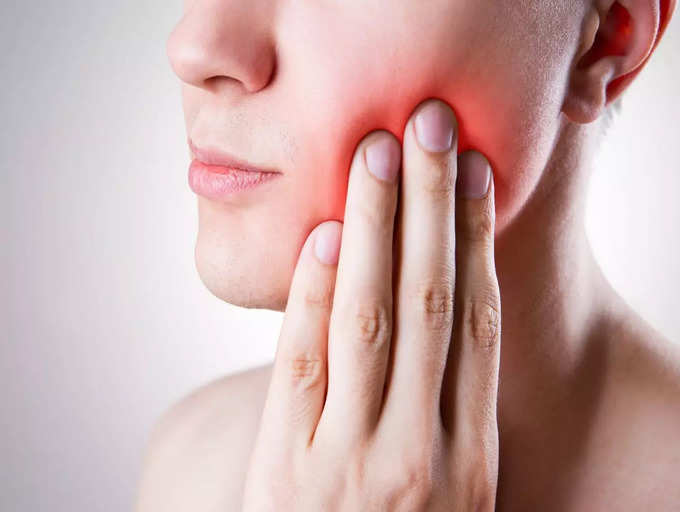
Cancer is an ongoing global health crisis that claims millions of lives each year. Cancer is characterised by rogue cells that multiply in an uncontrolled manner, eventually conglomerating into tumours that may continue to invade neighbouring tissue. This ever-growing feature is what makes the condition so difficult to treat, but investigating suspicious symptoms early could make for a successful recovery.

The most feared form of the disease, lung cancer, does not cause any symptoms until it has spread, but some people with early lung cancer do have symptoms. One of these symptoms is constant pain in three parts of the face. Pain afflicts between 20 and 50 percent of cancer patients, according to researchers.

Where does the pain occur on the face?
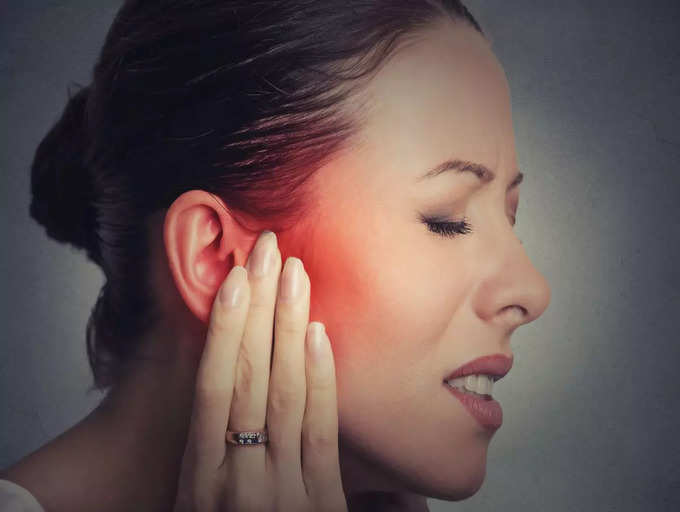
Many of the cancer patients describe a constant, aching, and sometimes sharp pain. In some cases, it can be the first sign that appears. The pain is usually located in the ear and temporal region, and occasionally the jaw. In some reports, patients have described “attacks of debilitating facial pain”, presenting as cluster headaches. It may worsen when a person is lying down or raising both arms.

The researchers noted that pain can, on rare occasions, be the presenting symptoms of lung cancer. A 2018 case study describes the experience of one person who approached a dermatologist about swelling around the eyes and a feeling of swelling in the face and throat. Diagnostic tests showed that the person had small-cell lung cancer (SCLC).

Why does cancer cause facial pain?
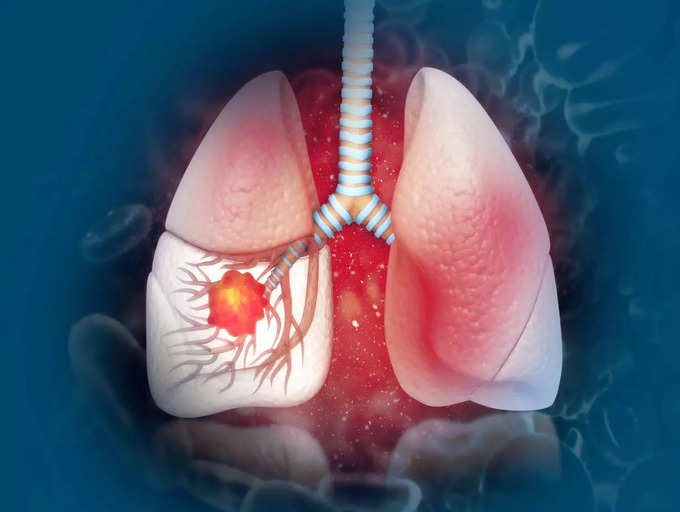
According to researchers, facial pain in lung cancer can be developed due to a group of disorders that occur when cancer-fighting antibodies mistakenly attack normal cells in the nervous system. Alternatively, a tumour can exert pressure against the vena cava - the vessel leading to the face. Not only may this result in pain, but it may also cause pronounced swelling.

Facial pain could be symptomatic of several other types of cancer. Facial pain occurs in approximately 80 percent of patients with head and neck cancer.

readmore

Other symptoms of lung cancer

As lung cancer develops, a range of complications can occur, apart from facial pain and swelling. These include fluid around the lungs, infections, blood clots, high calcium levels, problems with the nervous system such as spinal cord compression, blockages in the airways or food pipe, tumors in other parts of the body, due to metastasis and mental health problems. If you go to your doctor when you first notice symptoms, your cancer might be diagnosed at an earlier stage, when treatment is more likely to be effective.


Labels: ,

Saturday, August 07, 2021

Mucormycosis Among Cancer Patients: Who Are At Greater Risk For Black Fungus Infection?

The Black fungus, also known as mucormycosis, has been a pre-existing disease even before the advent of COVID-19, though very few numbers were reported annually. People who are immunocompromised are more vulnerable to developing the black fungus infection. The patients reporting mucormycosis as a post-covid complication are largely the ones who have immunosuppressing conditions like an organ transplant history, uncontrolled diabetes, and cancer. These health conditions have predisposed the patients to this infection, said Dr. S M Shuaib Zaidi, Senior Consultant, Surgical Oncology, Indraprastha Apollo Hospital, New Delhi.

Among cancer patients, mucormycosis most commonly affects haematological cancer or more commonly known as 'blood cancer' patients and the bone marrow transplant recipients, according to Dr. Zaidi.

"Patients receiving chemotherapy and advanced stage cancer patients are also at risk for mucormycosis. Anybody suffering from or having recently recovered from cancer, if experiencing any of the symptoms suggestive of 'black fungus' should consult an Oncologist without delay as it is always better to be safe than sorry," he added.

Why Black fungus is affecting COVID patients more?

The Black fungus or mucormycosis is affecting COVID patients more due to prolonged administration of steroids and subsequent immunocompromised state of health. It is reported more in patients who have diabetes, renal failure, cancer or who have undergone kidney/liver transplant and in patients who have been administered steroids for a long time, according to Dr. Zaidi.

"The viruses, as part of their replication cycle, suppress the immune system leading to the immune system not being able to clear /fight any other form of bacteria or fungi. The most famous example of this is HIV, of course, which causes long-term immune suppression. But other viruses do this on a much shorter timescale i.e., the immune system is only slightly suppressed for a few days or weeks while the virus is there," he explained.

Are you aware of the symptoms of Mucormycosis?

Patients suffering from the fungal infection typically have symptoms of stuffy and bleeding nose; swelling and pain in the eye; drooping of eyelids; blurred vision and in some cases loss of vision. There could be black patches of skin around the nose. Other possible symptoms include: 

  • Headache
  • Double vision
  • Loosing teeth
  • Black patch on palate
  • Facial pain
  • Nasal congestion- brown colour discharge
  • Loss of vision or pain in the eyes
  • Swelling in cheeks and eyes
  • Black crusts in the nose
  • Coughing
  • Bloody vomits
  • Altered mental status

Mucormycosis in Covid patients: The mechanism of infection explained

As Dr. Zaidi stated, patients who have been on immunosuppressant drugs due to cancer treatments or organ transplants are more susceptible to this fungal infection. Other factors are usage of immune suppressant drugs, people who have undergone organ transplant, and even in severe covid cases. The expert further elaborated on Mucormycosis infection in Covid-19 patients. He said:

  • Severe viral infections are one of the causes which suppress the immunity. In COVID-19, the count of various white cells that are responsible for infection control and immunity gets altered which in turn makes a person more vulnerable to any kind of viral and fungal infections.
  • Serum creatinine levels, which is one of the important markers of pathology for COVID-19, is deemed to be another contributing factor. This is a form of iron which is otherwise stored in the cells and not allowed to flow freely in the blood stream. In COVID-19, the serum creatinine levels increase, which is the most favourable condition for a fungus to thrive. Hence the fungus mucor flourishes where there are high levels of serum creatinine present in the blood.
  • The condition of COVID-19 is a prethrombotic state that has proven to make patients vulnerable to blockage in vessels which in turn can cause damage to the tissue causing the fungus to thrive (hence a D-dimer test is done to check any irregularities here). These factors are based on previously acquired knowledge, general physiology on how patients for mucormycosis were treated and diagnosed in the pre COVID times.

"As studies and researches evolve, we might be able to elaborate on more concrete information," Dr. Zaidi noted.

Dr. Zaidi concluded: It is essential that people stay aware and concerned about mucormycosis. But not every covid patient is vulnerable to mucormycosis. Those who have been on immunosuppressant drugs and long-term steroids to protect them from any fatality need to be more cautious. People who have uncontrolled or unchecked diabetes and getting COVID care at home have been at more risk, as consumption of steroids to control COVID complexities has caused a spike in diabetes levels.

This is only for your information, kindly take the advice of your doctor for medicines, exercises and so on.   

https://gscrochetdesigns.blogspot.com. one can see my crochet creations  
https://gseasyrecipes.blogspot.com. feel free to view for easy, simple and healthy recipes    
https://kneereplacement-stickclub.blogspot.com. for info on knee replacement


Labels: , , , , , , , , , , ,

Saturday, August 24, 2019

Facial pain may be a symptom of headaches

Facial pain may be a symptom of headaches as researchers have found that up to 10 per cent of  people with headaches also suffer from facial pain.

“Facial pain has not been well recognised as a symptom of headache and some people end up waiting a long time for a proper diagnosis and treatment,” said study author.

“This study shows that facial pain is not uncommon, and for many people their pain occurs mainly in the face, not the head,” he said.

The study involved 2,912 people with primary headaches – headaches not due to another condition and include migraine and cluster headaches.

Participants were asked to fill out questionnaires about their headaches and facial pain.

Of the study participants, 291 people — 10 per cent had facial pain. Only 2 per cent — 44 of the 1,935 people with migraine had facial pain. Of those, 41 per cent experienced pain predominantly in the face.

Among people with cluster headache, 15 per cent or 42 of 283 people, had facial pain. Of those, 31 per cent had pain mainly in the face.

Also, facial pain affected 21 per cent of the 42 people with hemicrania continua — a rare type of headache with continuous pain that varies in severity.

In another rare type of headache, called short-lasting unilateral neuralgiform headache, 20 per cent of the 15 people in the study had facial pain. This type of headache involves very frequent attacks on one side of the head.

The researchers also reported on six people who had constant facial pain on one side of the head only in addition to facial pain attacks lasting 10 to 30 minutes and occurring several times a day.

Researchers said this type of pain syndrome has not been described before and they proposed calling it constant unilateral facial pain with added attacks.

THIS IS ONLY FOR INFORMATION, ALWAYS CONSULT YOU PHYSICIAN BEFORE HAVING ANY PARTICULAR FOOD/ MEDICATION/EXERCISE/OTHER REMEDIES.                                    PS- THOSE INTERESTED IN RECIPES ARE FREE TO  VIEW MY BLOG-                                                                                           https://gseasyrecipes.blogspot.com/                                                                                                                                                FOR INFO ABOUT KNEE REPLACEMENT, YOU CAN VIEW MY BLOG-                                                                       https:// kneereplacement-stickclub.blogspot.com/                                                                                                                     FOR CROCHET DESIGNS                                                                                                   
                                https://gscrochetdesigns.blogspot.com

Labels: , , , , , ,

Sunday, June 16, 2019

Deviated Septum- Causes And Treatment

A deviated septum is a very common condition, with over 80% of the population having a somewhat deviated nasal septum, and many people don’t even realize they have this condition. However, a deviated septum can undermine your health, wellness and even sleep, and so it’s essential for everyone to watch out for the symptoms and beware of the complications of this condition. We discuss this condition, its symptoms, causes and treatments in depth below.

Definition and Causes

deviated septum guide what it looks like
The nasal septum is cartilage that divides your nasal cavity into two equal partitions and supports the structure of the nose, making sure air passes through the nose freely. Sometimes, the nasal septum isn’t completely straight and, in this case, it divides the space within the nasal cavity unevenly, and this is called a deviated septum.
Over 80% of the people worldwide have a deviated septum. In some cases, the deviation is hardly visible and is asymptomatic, but in others, it may cause a variety of uncomfortable symptoms and lead to many complications.
But how does a deviated septum occur, in the first place?
Since the nasal septum is not made of bone, but rather of more pliable cartilage tissue, it is more prone to displacement. In many cases, it’s enough for someone to be whacked with a ball to displace their nasal septum. In fact, trauma is the most common cause of this condition, as illustrated by the fact that people who engage in contact sports and ball games are significantly more likely to have a deviated septum.
deviated septum guide symptoms and complications
  • Snoring and noisy breathing in your sleep. A narrow passage in one of the nostrils can make your breathing sound louder and make you snore.
  • Yours prefer to sleep on one side. When you find it difficult to breathe through one of your nostrils, it may urge you, even without noticing, to sleep on the opposite side so that it’s easier for you to breathe.
  • Facial pain. An extreme deviation in the nasal septum may produce one-sided facial pain.
​If left untreated, patients may experience several complications that interfere with your daily life and increases your risk of developing other respiratory conditions. Here are the most common complications of a deviated septum:
1. Recurrent sinus problems and chronic nasal congestion that doesn’t respond to treatment.
2. Pressure in the sinuses that worsens when you tilt your head forward.
3. A feeling of dryness in the mouth.
4. Poor sleep as a result of difficulty breathing while sleeping.

Treatment

If you’re experiencing frequent nasal congestion that doesn’t respond to treatment, recurrent nosebleeds, and chronic sinus infections, you should seek out treatment for your deviated septum. Your doctor will usually start the treatment by prescribing drugs that eliminate the swelling and inflammation, which can make it easier for you to breathe through both of your nostrils.
Depending on what is causing the inflammation and swelling of the soft tissues, your doctor can prescribe either nasal steroid sprays, allergy medications, or decongestant sprays. If you have trouble sleeping, the doctor may also suggest using nasal strips, which are plastic adhesive bandages you stick on your nose at night that can temporarily aid air passage through the nose.
deviated septum guide septoplasty

Still, none of these conservative treatments are capable of straightening the nasal septum itself permanently, and if the adverse symptoms you’re experiencing persist, it may be necessary to correct the nasal septum through a type of reconstructive surgery called a septoplasty.
During this surgery, the nasal septum is straightened and re-centered in your nasal cavity. This may require some parts of the septum reshaped or supported by silicone splints. After recovering from the surgery, the air will pass normally through your nose and patients usually find that their symptoms are completely cleared.
Summing up. A deviated septum is a widespread condition that develops when your nasal septum diverges off center. It is manifested through a variety of symptoms and can cause complications. The condition should be addressed and treated either with medication or through surgery if it exhibits adverse and persistent symptoms and interferes with your life.
THIS IS ONLY FOR INFORMATION, ALWAYS CONSULT YOU PHYSICIAN BEFORE HAVING ANY PARTICULAR FOOD/ MEDICATION/EXERCISE/OTHER REMEDIES.                                    PS- THOSE INTERESTED IN RECIPES ARE FREE TO  VIEW MY BLOG-                                                                                           https://gseasyrecipes.blogspot.com/                                                                                                                                                FOR INFO ABOUT KNEE REPLACEMENT, YOU CAN VIEW MY BLOG-                                                  https:// kneereplacement-stickclub.blogspot.com/                                                                      FOR CROCHET DESIGNS                                                                                                                                                                                     https://gscrochetdesigns.blogspot.com

Labels: , , , , , , , , , , , , , ,

Thursday, November 22, 2018

How to Tell If You Have a Sinus Infection

The sinuses are such a complex part of our bodies that not many people are fully aware of where they are or how they work. However, an infected sinus can be a very frustrating thing, which is why we've gathered a list of five of the most common symptoms below:

1. Your face hurts
sinus
Soreness is usually an indication that you really gave your muscles a challenge. But if it's your face that's sore, you might have a problem. According to a Dr., facial pain may be a sign that your sinuses are infected and blocked.
2. Your teeth ache
A toothache may not be due to problems with your teeth at all. In fact, “dental pain is probably the most overlooked sinus infection symptom,” according to a Dr. “This is usually related to a maxillary (or cheek) sinusitis as the upper tooth roots will often extend close to the sinus.”
3. You can’t get rid of your headache
Many different issues can cause a headache: too much movement, dehydration or even just being tired. However, if you’ve had a chronic headache for a number of days, then pressure may be a sign that you have a sinus infection. If you think this may be the case, visit your doctor since most sinus infections are viral and won't respond to antibiotics.
4. You can’t smell
If you're having trouble smelling both sweet scents and nasty odors, then you may have a sinus infection. “Loss of sense of smell can occur with sinusitis from the inflammation around the olfactory, or smell, organ,” Dr.  says. That's why such symptoms indicate that you’re beginning to come down with a potential sinus infection.
5. You feel far too much pressure
If you wake up and find that your head feels cloudy, heavy, and generally uncomfortable, then your sinuses may be to blame. Dr. explains that before your sinuses get infected, they first start off being blocked. This uncomfortable blockage is what leads all of that tension to build up and feel intense, potentially signposting that more sinus infections symptoms will be coming your way shortly.
THIS IS ONLY FOR INFORMATION, ALWAYS CONSULT YOU PHYSICIAN BEFORE HAVING ANY PARTICULAR FOOD/ MEDICATION/EXERCISE/OTHER REMEDIES.                                                                                                                                                                                                                                                                                        PS- THOSE INTERESTED IN RECIPES ARE FREE TO  VIEW MY BLOG-                                                                                           https://gseasyrecipes.blogspot.com/                                                                                                                                                                             FOR INFO ABOUT KNEE REPLACEMENT, YOU CAN VIEW MY BLOG-                                                                                                                             https:// kneereplacement-stickclub.blogspot.com/                                                                                       FOR CROCHET DESIGNS                                                                                                                                                                                                                                 https://gscrochetdesigns.blogspot.com 

Labels: , , , , , ,