Home Remedies to Treat Dust Allergies
Whether it’s the pollen in spring or the
dust around your home in the winter, each season brings along its set of
allergy triggers. With every change of season, you’re greeted by bouts
of uncontrollable coughing and sneezing. So, what exactly can you do to
tackle this annoying problem? Below you’ll find some amazing remedies
that can help you treat your dust allergies naturally.
What Causes Dust Allergies?
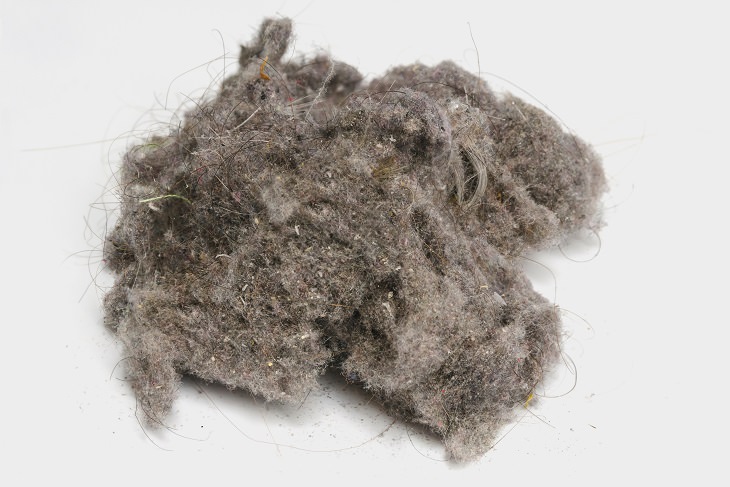
Dust mites are the main culprits behind dust allergies. Below are some other causes:
• Cockroaches – There are small components
present on cockroaches that can cause dust allergies in some individuals
when inhaled.
• Mold – This is a kind of fungus that has spores that are capable of
floating in the air. These spores can cause dust allergies.
• Pollen – The different types of pollen that comes from trees, grasses,
and flowers can trigger allergic reactions in some people.
• Animal fur and feathers – Pets are another causes of dust allergies.
Their skin flakes, urine, and saliva are potential allergens, especially
when combined with dust.
What Are the Signs and Symptoms of Dust Allergies?
The most common symptoms are:
• A runny nose
• Itchy and red eyes
• Sneezing and sniffing
• Coughing and wheezing
• Shortness of breath
• Tightness in the chest
How to Cure Dust Allergies Naturally
1. Eucalyptus Essential Oil 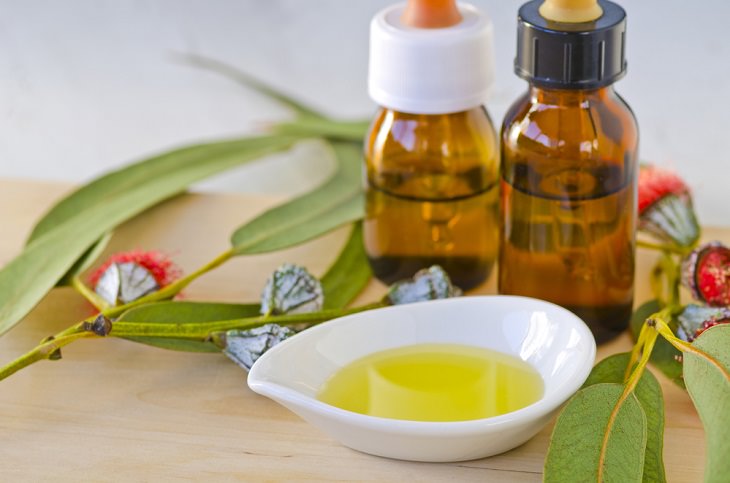
You Will Need
3-4 drops of eucalyptus essential oil.
What You Have to Do
Add a couple of drops of eucalyptus essential oil to a diffuser and
inhale the vapors.
How Often Should You Do This?
Do this 1-2 times per day.
Why This Works
The soothing and anti-inflammatory properties of eucalyptus oil make it
effective in treating congestion and allergies. These therapeutic
properties are mainly due to the presence of eucalyptol in the oil.
2. Honey
You Will Need
2 teaspoons of raw honey.
What You Have to Do
Consume two teaspoons of raw honey.
How Often Should You Do This?
Do this twice a day.
Why This Works
Local and raw honey often contains small amounts of pollen, which is
believed to help with dust allergies. This is useful for those suffering
from season allergies as regular consumption of small amounts of pollen
via raw honey may make an individual less sensitive to it over time.
3. Apple Cider Vinegar
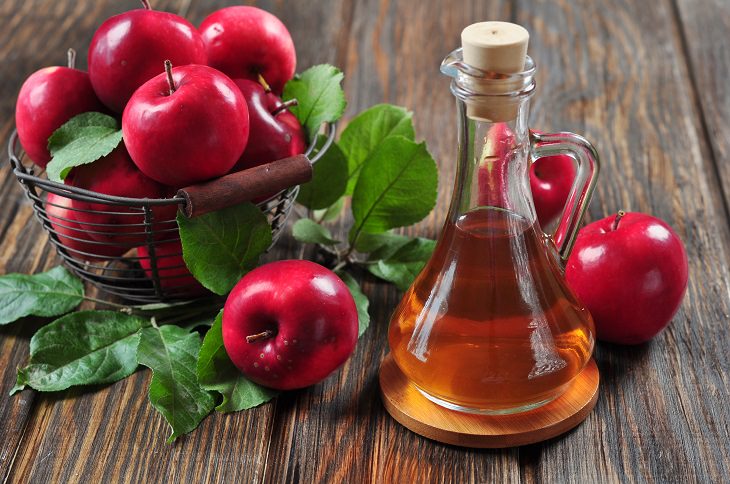
You Will Need
• 2 teaspoons of apple cider vinegar
• 1 glass of warm water
• Honey (optional)
What You Have to Do
1. Add two teaspoons of apple cider vinegar to a glass of warm water and
mix well.
2. You can also add a little bit of honey for flavor.
3. Consume this solution.
Why This Works
The anti-inflammatory properties of apple cider vinegar, along with its
expectorant nature, are quite helpful when it comes to treating dust
allergies and the accompanying cold-like symptoms. It also has
antimicrobial properties that can prevent the aggravation of allergies.
It’s a great natural substitute for the store-bought antihistamines used
for treating dust allergies.
4. Turmeric
You Will Need
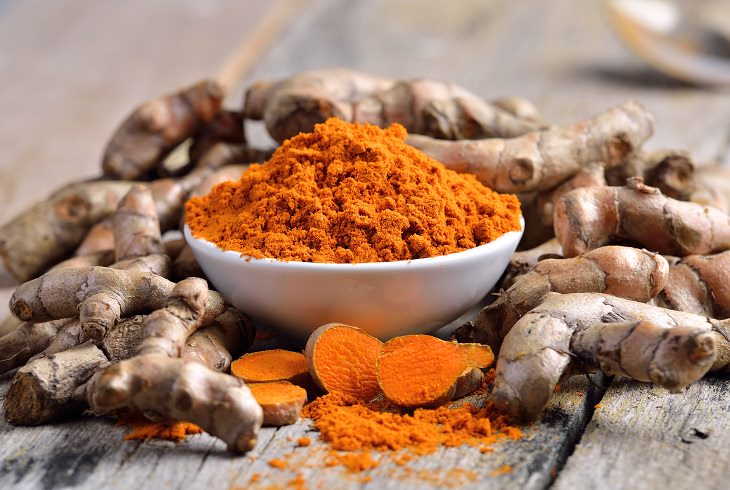
• ½ teaspoon of turmeric
• 1 cup of milk
• A pinch of pepper
• Honey (optional)
What You Have to Do
1. Add half a teaspoon of turmeric to a cup of milk.
2. Bring to the boil in a saucepan.
3. Allow the milk to cool a little before adding the honey.
4. Drink this mixture.
How Often Should You Do This?
Do this at least twice a day.
Why This Works
This golden spice is one of the best natural remedies for treating dust
allergies. Turmeric contains an active constituent call curcumin that
acts as a natural decongestant. It also acts as a natural antihistamine.
Furthermore, turmeric also has anti-inflammatory and antibacterial
properties that can prevent allergies from turning into an infection.
5. Aloe Vera
You Will Need
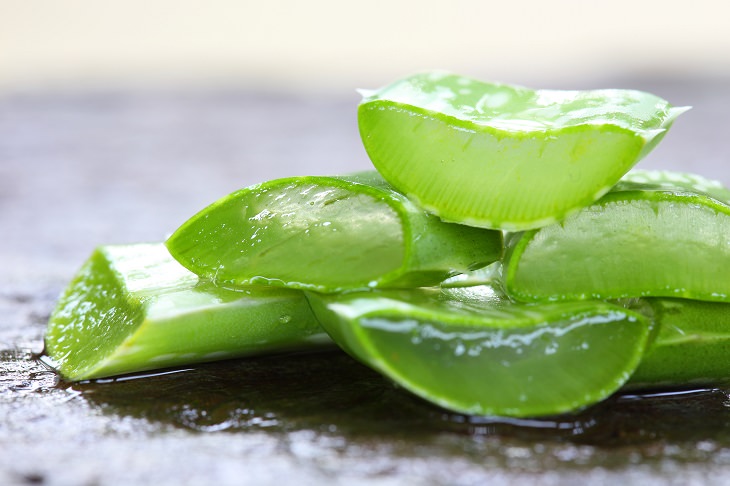
¼ cup of aloe vera juice.
What You Have to Do
Drink one-fourth cup of aloe vera juice.
How Often Should You Do This?
Do this at least twice a day.
Why This Works
Aloe vera has natural anti-inflammatory and analgesic properties that
can help treat the swelling and pain caused by dust allergies.
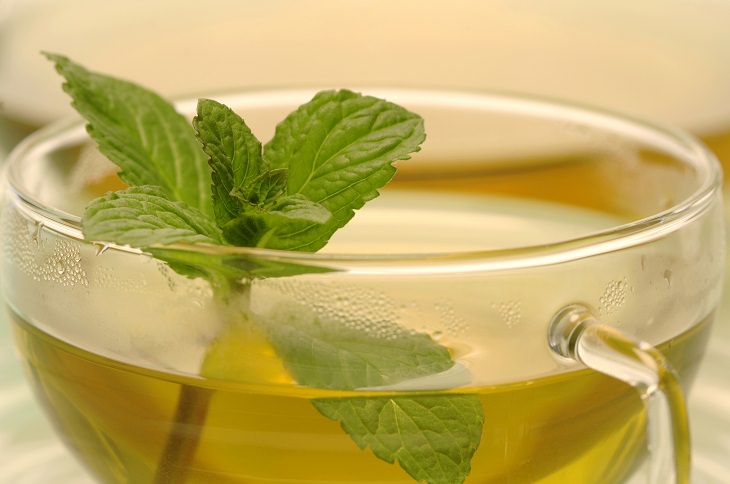
6. Peppermint Tea
You Will Need
• 1 teaspoon of dried peppermint leaves
• 1 cup hot water
• Honey
What You Have to Do
Add a teaspoon of dried peppermint leaves to a cup of hot water and
allow it to steep for 10 minutes.
Strain the tea and allow it to cool a bit.
Add honey.
Drink up.
How Often Should You Do This?
You can drink peppermint tea thrice daily.
Why This Works
Peppermint is quite effective in treating dust allergies due to its
anti-inflammatory and decongestant properties. It contains a volatile
oil called menthol, which acts as a natural decongestant and provides
immediate relief from sneezing, a runny nose, and wheezing.
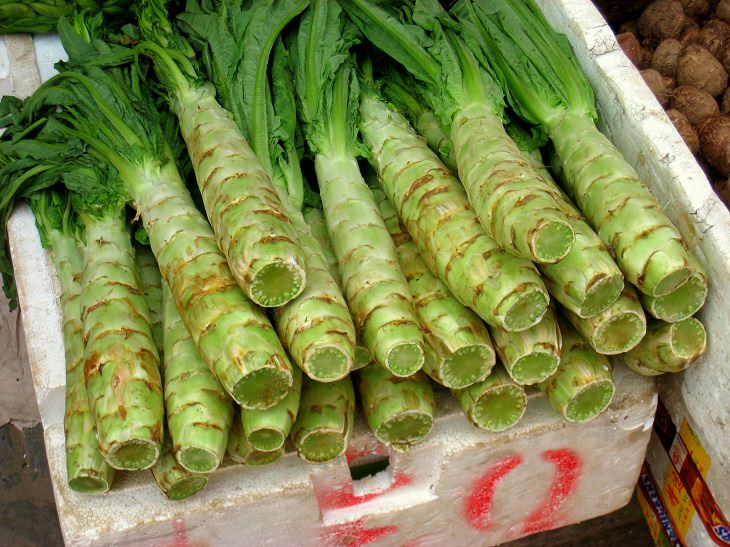
7. Wasabi
You Will Need
¼ teaspoon of grated wasabi.
What You Have to Do
Consume grated wasabi whenever you’re experiencing allergy symptoms.
How Often Should You Do This?
You must do this whenever you experience an allergy attack.
Why This Works
Wasabi contains a compound called allyl isothiocyanate, which acts as a
decongestant and stimulates mucus flow, thereby helping to ease the
symptoms of dust allergies.
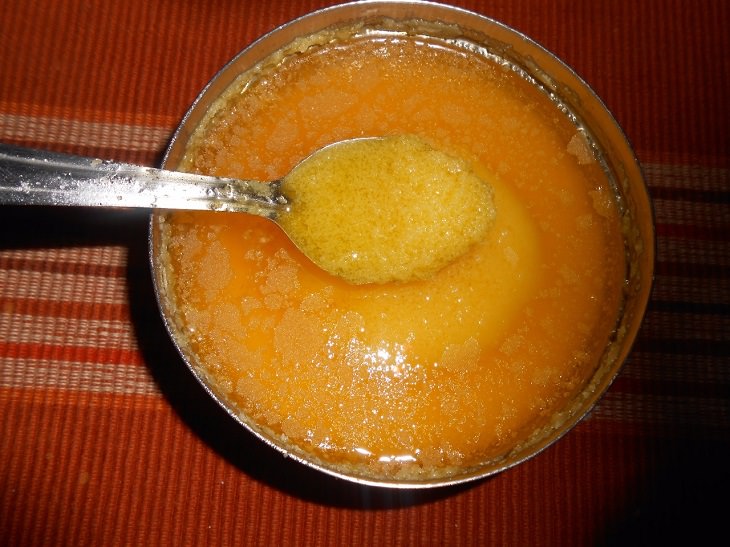
8. Ghee
You Will Need
• ¼ teaspoon of ghee
• Jaggery
What You Have to Do
If you’re sneezing uncontrollably due to allergies, suck on one-fourth
teaspoon of ghee for immediate relief. Add a little jaggery for better
results.
How Often Should You Do This?
You can consume this whenever you get a sudden allergy attack.
Why This Works
Pure ghee can help to warm your nasal passage and relieve constant
sneezing. Therefore, it’s widely recommended for treating dust allergies
and its symptoms. This is due to its anti-inflammatory properties.