Wednesday, July 06, 2022

Food Poisoning?? Treat it Quick and Naturally at Home!

All of us have suffered from food poisoning at some point in our life. You may have had those mouthwatering sausages from the roadside stall, only to get a severe stomach ache and diarrhea a couple of days later. Chances are - it's food poisoning you're suffering from. 
 
With symptoms ranging from mild to severe abdominal cramps, diarrhea, nausea, vomiting, headache, dizziness and dehydration, food poisoning is a condition not to be ignored. Listed below are a few effective home remedies to cure food poisoning, right from grandma's own medicine chest! natural remedies for food poisoning
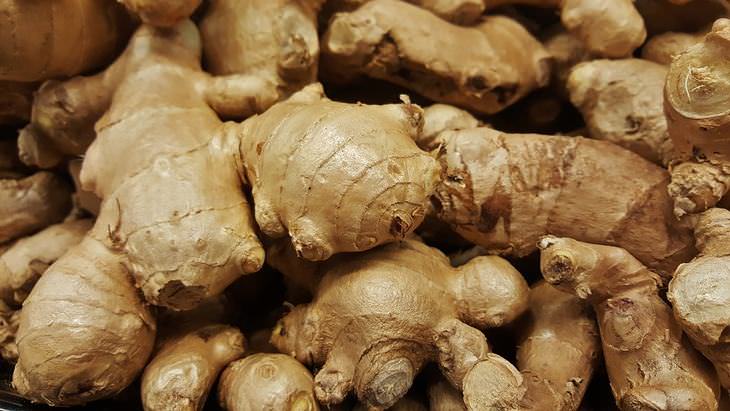
1. Ginger  
natural remedies for food poisoning
It adds flavor to your dishes, but it is also an excellent home remedy for curing almost all types of digestive problems. Take a tablespoon of honey with a few drops of ginger juice to reduce inflammation and pain.

2. Cumin: 
Cumin or jeera seeds are a good way to soothe the inflammation in your stomach, reduce the tenderness and aid healing. Crush a tablespoon of cumin seeds and add it to your clear soup.
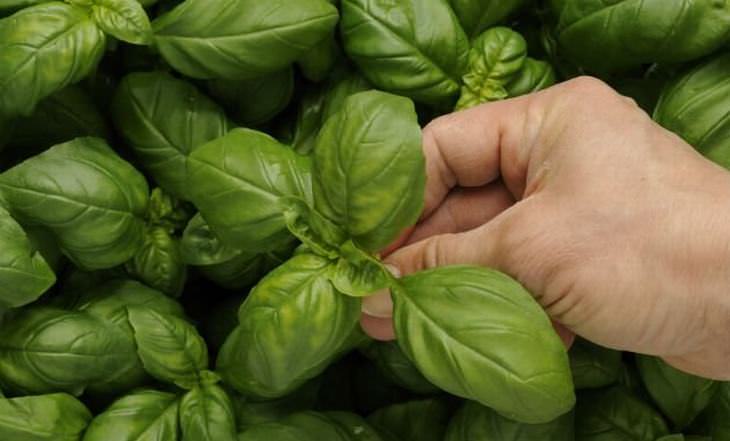
3. Basil  
natural remedies for food poisoning
Basil is another excellent home remedy, curing infections of both the stomach and the throat. Strain the juice of a few basil leaves and add it to a tablespoon of honey. It's bound to show positive results within a couple of hours.

4. Bananas 
natural remedies for food poisoning
Bananas are a rich source of potassium. They aid recovery and reduce the effects of food poisoning to an impressive level. Mash a couple of bananas and an apple, or whip up a quick banana shake.

5. Apples  

 natural remedies for food poisoning
Apples are one of nature's best natural remedies, and they are very effective against food poisoning as they reduce heartburn and acid reflux. Apples are known to have enzymes that inhibit the growth of the bacteria that cause diarrhea and stomachache.
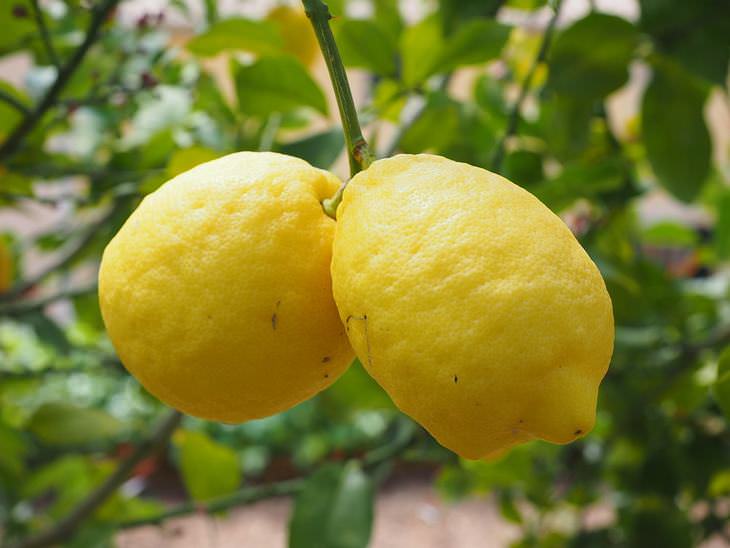
6. Lemon 
natural remedies for food poisoning
The acidity of lemon juice kills most of the bacteria that cause food poisoning. Squeeze the juice of a lemon and add a pinch of sugar to it. Drink it as you would any medicine, or add lemon to your tea.

7. Activated charcoal 
Activated charcoal absorbs all the unwanted gasses and substances that may be harmful to the delicate lining of the stomach, thereby aiding a speedy recovery.

8. Water 
It is very important to keep yourself fully hydrated during the period of food poisoning, as your body tends to lose more water through diarrhea. Also, keeping your water content high, rapidly flushes out the toxins and bacteria, which enhances your recovery.

9. Apple cider vinegar  
Being acidic in nature, vinegar, specifically apple cider vinegar, soothes the gastrointestinal lining. It also makes the environment in the stomach inhospitable for the bacteria to breed in, which helps speed up the recovery.

10. Peppermint tea 
It's not just aromatherapy. Peppermint oil is known to have a soothing effect, which is extremely beneficial for people suffering from stomach spasms due to food poisoning. Add a few drops to your tea; your cramps will vanish in a couple of hours.
 

This is only for your information, kindly take the advice of your doctor for medicines, exercises and so on.   

https://gscrochetdesigns.blogspot.com. one can see my crochet creations  
https://gseasyrecipes.blogspot.com. feel free to view for easy, simple and healthy recipes    
https://kneereplacement-stickclub.blogspot.com. for info on knee replacement

Labels: , , , , , , , , , , ,

Sunday, December 19, 2021

Home Remedies to Treat Dust Allergies

Whether it’s the pollen in spring or the dust around your home in the winter, each season brings along its set of allergy triggers. With every change of season, you’re greeted by bouts of uncontrollable coughing and sneezing. So, what exactly can you do to tackle this annoying problem? Below you’ll find some amazing remedies that can help you treat your dust allergies naturally.

What Causes Dust Allergies?
Allergies
Dust mites are the main culprits behind dust allergies. Below are some other causes:

• Cockroaches – There are small components present on cockroaches that can cause dust allergies in some individuals when inhaled. 
 
• Mold – This is a kind of fungus that has spores that are capable of floating in the air. These spores can cause dust allergies.  
 
• Pollen – The different types of pollen that comes from trees, grasses, and flowers can trigger allergic reactions in some people. 
 
• Animal fur and feathers – Pets are another causes of dust allergies. Their skin flakes, urine, and saliva are potential allergens, especially when combined with dust.

What Are the Signs and Symptoms of Dust Allergies?  
The most common symptoms are: 
• A runny nose 
• Itchy and red eyes 
• Sneezing and sniffing 
• Coughing and wheezing 
• Shortness of breath 
• Tightness in the chest  
 
How to Cure Dust Allergies Naturally 
 
1. Eucalyptus Essential Oil Allergies
You Will Need 
3-4 drops of eucalyptus essential oil. 
 
What You Have to Do 
Add a couple of drops of eucalyptus essential oil to a diffuser and inhale the vapors. 
 
How Often Should You Do This?  
Do this 1-2 times per day. 
 
Why This Works  
The soothing and anti-inflammatory properties of eucalyptus oil make it effective in treating congestion and allergies. These therapeutic properties are mainly due to the presence of eucalyptol in the oil.

2. Honey
You Will Need 
2 teaspoons of raw honey.  
 
What You Have to Do 
Consume two teaspoons of raw honey.  
 
How Often Should You Do This? 
Do this twice a day.  
 
Why This Works  
Local and raw honey often contains small amounts of pollen, which is believed to help with dust allergies. This is useful for those suffering from season allergies as regular consumption of small amounts of pollen via raw honey may make an individual less sensitive to it over time.  
 
3. Apple Cider Vinegar
Allergies
You Will Need  
• 2 teaspoons of apple cider vinegar 
• 1 glass of warm water 
• Honey (optional)  
 
What You Have to Do 
1. Add two teaspoons of apple cider vinegar to a glass of warm water and mix well. 
2. You can also add a little bit of honey for flavor. 
3. Consume this solution.  
 
Why This Works 
The anti-inflammatory properties of apple cider vinegar, along with its expectorant nature, are quite helpful when it comes to treating dust allergies and the accompanying cold-like symptoms. It also has antimicrobial properties that can prevent the aggravation of allergies. It’s a great natural substitute for the store-bought antihistamines used for treating dust allergies.  
 
4. Turmeric
Allergies
You Will Need  
• ½ teaspoon of turmeric 
• 1 cup of milk 
• A pinch of pepper 
• Honey (optional)  
 
What You Have to Do 
1. Add half a teaspoon of turmeric to a cup of milk. 
2. Bring to the boil in a saucepan. 
3. Allow the milk to cool a little before adding the honey. 
4. Drink this mixture.  
 
How Often Should You Do This? 
Do this at least twice a day.  
 
Why This Works 
This golden spice is one of the best natural remedies for treating dust allergies. Turmeric contains an active constituent call curcumin that acts as a natural decongestant. It also acts as a natural antihistamine. Furthermore, turmeric also has anti-inflammatory and antibacterial properties that can prevent allergies from turning into an infection. 
 
5. Aloe Vera
Allergies
You Will Need
¼ cup of aloe vera juice.  
 
What You Have to Do  
Drink one-fourth cup of aloe vera juice.  
 
How Often Should You Do This? 
Do this at least twice a day.  
 
Why This Works  
Aloe vera has natural anti-inflammatory and analgesic properties that can help treat the swelling and pain caused by dust allergies.  
 
6. Peppermint Tea
Allergies
You Will Need  
• 1 teaspoon of dried peppermint leaves 
• 1 cup hot water 
• Honey  
 
What You Have to Do  
Add a teaspoon of dried peppermint leaves to a cup of hot water and allow it to steep for 10 minutes. Strain the tea and allow it to cool a bit. 
Add honey. 
Drink up. 
 
How Often Should You Do This? 
 You can drink peppermint tea thrice daily.  
 
Why This Works  
Peppermint is quite effective in treating dust allergies due to its anti-inflammatory and decongestant properties. It contains a volatile oil called menthol, which acts as a natural decongestant and provides immediate relief from sneezing, a runny nose, and wheezing.  
 
7. Wasabi
Allergies
You Will Need  
¼ teaspoon of grated wasabi. 
 
What You Have to Do 
Consume grated wasabi whenever you’re experiencing allergy symptoms.  
 
How Often Should You Do This? 
You must do this whenever you experience an allergy attack. 
 
Why This Works  
Wasabi contains a compound called allyl isothiocyanate, which acts as a decongestant and stimulates mucus flow, thereby helping to ease the symptoms of dust allergies. 
 
8. Ghee 
Allergies
You Will Need 
• ¼ teaspoon of ghee 
• Jaggery  
 
What You Have to Do 
If you’re sneezing uncontrollably due to allergies, suck on one-fourth teaspoon of ghee for immediate relief. Add a little jaggery for better results.  
 
How Often Should You Do This? 
You can consume this whenever you get a sudden allergy attack.  
 
Why This Works 
Pure ghee can help to warm your nasal passage and relieve constant sneezing. Therefore, it’s widely recommended for treating dust allergies and its symptoms. This is due to its anti-inflammatory properties. 

This is only for your information, kindly take the advice of your doctor for medicines, exercises and so on.   

https://gscrochetdesigns.blogspot.com. one can see my crochet creations  
https://gseasyrecipes.blogspot.com. feel free to view for easy, simple and healthy recipes    
https://kneereplacement-stickclub.blogspot.com. for info on knee replacement

Labels: , , , , , , , , , , , , ,