Friday, May 05, 2023

Recurrent Sinusitis Is Too Common. This Might Be the Cause

10-30% of people worldwide suffer from sinus infections each year, and for many people, sinus problems tend to recur every year or even every season. This alarming tendency of frequent painful and debilitating sinus infections is not a simple task to wrap your head around. 
 
Is there a reason why you or your loved ones suffer from recurrent sinusitis? It turns out there is a whole host of causes of chronic sinus infections, and in this article, we review the 7 most common ones. 
 
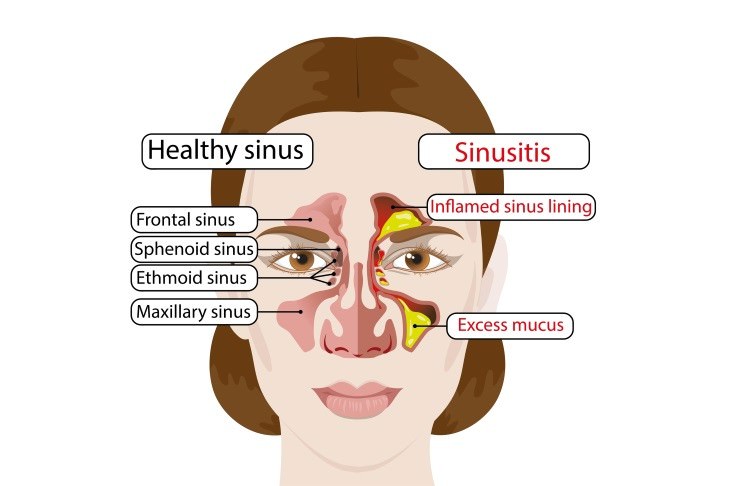
Sinusitis is an inflammatory condition that affects the mucous membrane of the sinuses. An illustration of the area affected by the infection can be seen below.
Chronic Sinusitis Causes


A person suffering from sinusitis may exhibit the following symptoms:

thick nasal mucus

a plugged nose

facial pain

fever

headache

a poor sense of smell

a sore throat

cough

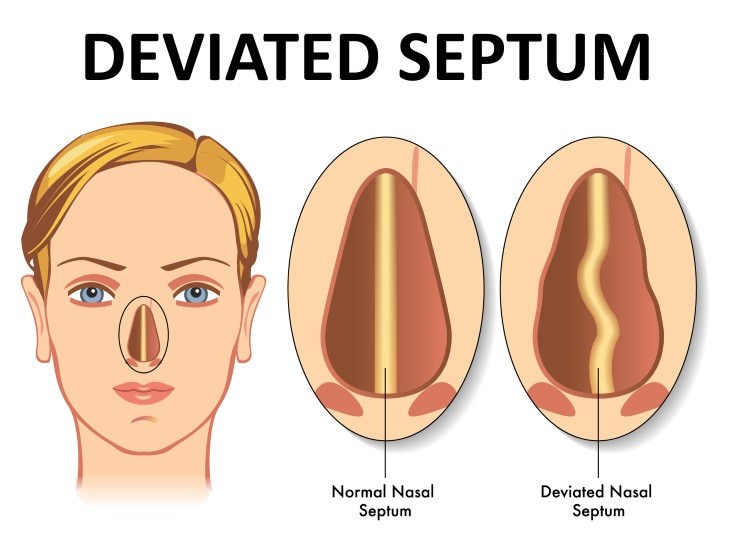
1. A Deviated Septum  
Chronic Sinusitis Causes deviated septum
A nasal septum deviation is a disorder, which involves the displacement of the arch of the nose called septum. When you have a deviated septum, you are at a higher risk of developing a sinus infection because there is an obstruction blocking your nose. 
 
Keep in mind that some people have a naturally bent nose, or simply a narrow nasal passage, so not only trauma can cause a deviated septum. In fact, about 80% of the population have a deviated septum without ever suspecting this.

2. Allergies 
An allergic reaction commonly manifests itself in the form of a blocked or runny nose and watery eyes, because the allergen irritates your nose, causing the mucous membrane in your nose to swell up.

This swelling and discharge from your eyes and nose can spread to your sinuses as well, and this can lead to the inflammation of the area. If you know that you’re at risk of developing sinusitis, avoid the allergen at all costs and take your allergy medications to reduce the swelling. Chronic Sinusitis Causes allergies


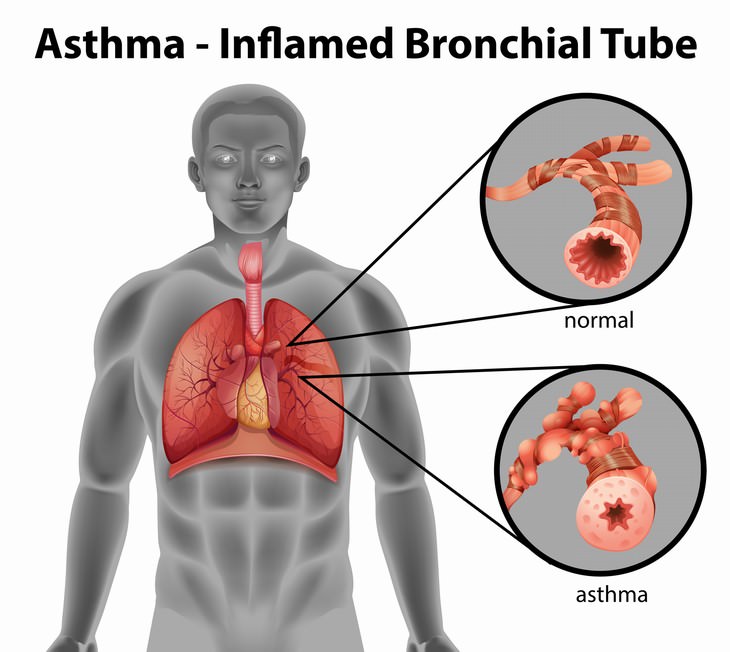
3. Asthma 
 Chronic Sinusitis Causes
 
According to some estimates, 3 out of 4 asthma sufferers have chronic sinus infections. 
 
Luckily, if you have asthma, you are most likely already taking antihistamines and steroids that can help prevent a sinus infection. If not, it is a necessary measure to prevent respiratory infections. In fact, you have to be especially careful at preventing inflammation in your sinuses, as sinusitis can worsen your asthma symptoms.


4. Pollution 
 For those of you who are urban dwellers, it may be interesting to know that there is a strong correlation between air pollution and sinusitis. 
 
A 2017 animal study even managed to mimic chronic sinusitis symptoms in mice by exposing them to pollutants. So make sure to wear a mask if you know that the air is polluted in your area and you’re prone to sinus problems.


5. A Weakened or Compromised Immune System 
 Chronic Sinusitis Causes weak immune system
 
 Individuals who have a weakened immune system have a greater likelihood of developing all kinds of chronic respiratory infections, including, but not limited to bronchitis, pneumonia, and sinusitis. 
 
This category includes infants, children, pregnant women, the elderly, people with other chronic conditions, patients with transplants, and many others. Make sure to prevent any colds or other infections, as your immune system will likely not be able to resist the germs.


6. Frequent Colds 
The common cold is the leading cause of an acute sinus infection, as a stuffy nose or an infection in your nose can quickly and easily spread to your sinuses. 
 
So, if you sneeze and blow your nose all winter, you’re at a higher risk of developing a sinus infection. If you have a cold that persists for longer than 10 days, it's best to talk to your doctor, as you may have a sinus infection


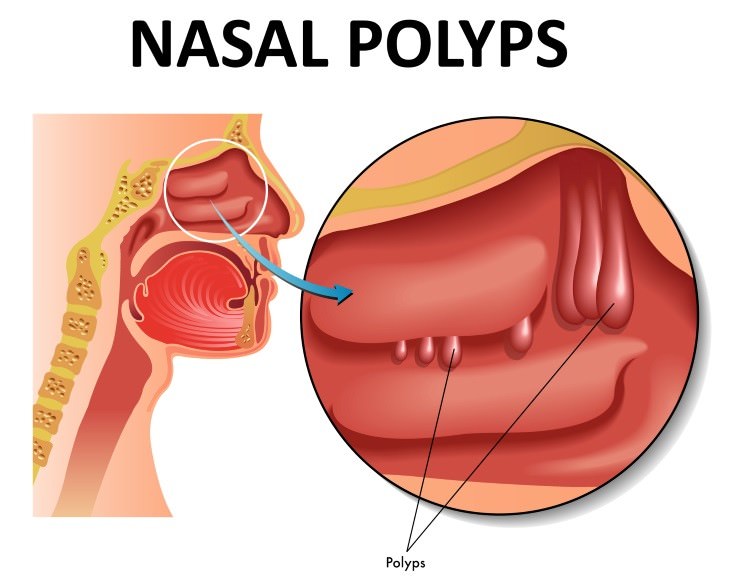
7. Nasal Polyps  
Chronic Sinusitis Causes nasal polyps
 Nasal polyps are growths in your nasal cavity that can obstruct the air passageway and cause inflammation in the nose and sinuses. 
 
What’s worse, nasal polyps themselves can mimic sinusitis and nasal congestion symptoms, such as a stuffy nose and a decreased sense of smell. The polyps have to be treated or removed surgically, otherwise, they can develop and obstruct the nasal cavity almost completely.
A friendly reminder that we urge you to talk about all of your health concerns with a doctor. The information is provided in this article for information purposes only and is not intended to diagnose an illness.


This is only for your information, kindly take the advice of your doctor for medicines, exercises and so on.   

https://gscrochetdesigns.blogspot.com. one can see my crochet creations  
https://gseasyrecipes.blogspot.com. feel free to view for easy, simple and healthy recipes    
https://kneereplacement-stickclub.blogspot.com. for info on knee replacement
https://cancersupportindia.blogspot.com  for infor on cancer and health related topics
https://GSiyers home remedies.blogspot.com   is the latest addition to my blogs. I'm going to add posts there, do give me your valuable feed back on my blogs. Thanks a lot, take care, be healthy and be happy. 

Labels: , , , , , , ,

Sunday, September 22, 2019

Don’t ignore your snoring: It may be an indication of serious disorders

Obstructive sleep apnoea is a sleep disorder. This condition is due to a collapse of the airway in the throat while you are sleeping. This causes loud snoring and pauses in regular breathing. This has a close association with cardiovascular diseases and other serious health complications. But now, there is evidence that cardiovascular diseases may actually start with snoring.

Snoring is a common problem for many people. It creates problems in relationships and leads to embarrassment. Snoring can affect anyone and at any time. But it is more common among the elderly, men and overweight people. Everybody snores sometimes. But if you are a habitual snorer, it is a nuisance for your partner or anybody sleeping near you. It also affects your own sleep and you may wake up tired and drained of energy.


SNORING CAN CAUSE CARDIOVASCULAR DISEASES: STUDY
Now, a new study says that snoring, even without sleep apnoea, may cause thickening and abnormalities in the carotid artery. This can be a potential precursor to atherosclerosis. Researchers say that snoring may be a greater risk than obesity, smoking or high cholesterol. They say that this increased thickening in the lining of the two large blood vessels that supply the brain with oxygenated blood is a precursor to atherosclerosis, a hardening of the arteries responsible for many vascular diseases.

Researchers warn that snoring is more than a bedtime annoyance and it shouldn't be ignored. They suggest that patients seek treatment for the condition in the same way they would if they had sleep apnoea, high blood pressure or other risk factors for cardiovascular disease.

This study supports the growing belief that isolated snoring may not be as benign as first suspected. Researchers point out that changes in the carotid artery with snorers, even for those without sleep apnoea, are likely due to the trauma and subsequent inflammation caused by the vibrations of snoring. .


SNORERS EXHIBITED GREATER INTIMA-MEDIA THICKNESS OF CAROTID ARTERIES: RESEARCHERS

Researchers reviewed data for 913 patients who had been evaluated by the Henry Ford Hospital's sleep centre. All subjects were between the ages of 18 to 50 and had earlier participated in a diagnostic sleep study between December 2006 and January 2012 None of them had sleep apnoea. They saw that 54 patients completed the snore outcomes survey regarding their snoring habits. They also underwent a carotid artery duplex ultrasound to measure the intima-media thickness of the carotid arteries. This is a measurement of the thickness of the innermost two layers of the arterial wall. This may reveal the presence and also track the progression of atherosclerotic disease. In fact, intima-media thickness is often the first sign of carotid artery disease.

Researchers found that, compared to non-snorers, snorers had a much greater intima-media thickness of the carotid arteries. They found no significant differences in intima-media thickness for patients with or without some of the traditional risk factors for cardiovascular disease like smoking, diabetes, hypertension or hypercholesterolemia.


CAUSES OF SNORING

This condition may happen due to a number of reasons. The main factor, though, is an obstruction in the air flow through the mouth and nose. Obstructive sleep apnoea is usually behind this problem. In this condition, there are pauses in breathing when a person is asleep. These pauses happen usually between snores. This needs treatment because it can affect normal life. Symptoms are usually daytime sleepiness, irritability, inability to pay attention, headaches, insomnia and a low sex drive. High blood pressure and hypothyroidism may also lead to this condition. Snoring may also be due to nasal congestion and obesity.

You may also snore if your nasal airways are congested due to a cold or allergy. Sinus infection can also cause this problem as can a deviated septum or nasal polyps. Other reasons may be weak muscles in the throat and tongue. If these muscles are too relaxed, it can obstruct the airway. Very deep sleep, alcohol and sleeping pills can induce this kind of relaxation. Bulky throat tissue and a long soft palate and/or uvula may also induce snoring by narrowing the opening from the nose to the throat.

Snoring may be an indication of several health disorders. So, it is better to consult a doctor if you snore regularly.


HEALTH RISKS OF SNORING

You may think that snoring is just an embarrassment and will go away with time or if you lose weight. But, if left untreated, it can lead to some serious health complications. The sound that you make when you snore comes from the upper airway of your throat as you sleep. It happens when you breathe in air. It indicates that your airway is partially blocked. About one half of people who snore loudly have obstructive sleep apnoea. Let us take a look at a few of the health disorders that heavy snoring can cause.


Loud snoring may lead to heart failure

Habitual snorers may develop an irregular heart rhythm or arrhythmia. It can also enlarge the left atrium over a long period of time and increase the risk of heart attacks. According to researchers from the Radiological Society of North America, obstructive sleep apnoea and the related snoring may lead to earlier impairment of cardiac function in women than in men. Obstructive sleep apnoea causes an increased risk for left ventricular and, more rarely, right ventricular dysfunction in the heart, they say.
Stroke is a real risk

According to researchers from the American Academy of Sleep Medicine, loud snoring may increase your risk of cardiovascular disease. They say that such people had a 40 per cent greater odds of having hypertension, 34 per cent greater odds of having a heart attack and 67 per cent greater odds of having a stroke, compared with people who do not snore.

They came to this conclusion after taking into consideration other risk factors like age, sex, body mass index, diabetes, level of education, smoking and alcohol consumption. Quiet snoring was associated only with an increased risk for hypertension in women and loud snoring was also associated with increased emergency hospital visits and hospitalisation.
It can cause obstructive sleep apnoea

It is known that sleep apnoea causes snoring. But heavy snoring can also cause sleep apnoea. According to researchers from Umea University, Sweden, the recurrent vibrations caused by snoring can lead to injuries in the upper airways of people who snore heavily. This in turn, can cause swallowing dysfunction and increase the risk of obstructive sleep apnoea. This finding came to light in a study on the processes behind vibratory damage and healing of the upper airway tract.

They say that snorers and sleep apnoea patients have neuromuscular injuries in the upper respiratory tract. The injuries are both at the structural and molecular level. Researchers were also able to see a correlation between snoring and swallowing dysfunction and a relation between nerve damage and obstructive sleep apnoea. Sleep apnoea is condition that causes repeated collapse of the upper respiratory tract. It increases the risk of cardiovascular disease.
Snoring may lead to cognitive decline

Breathing problems during sleep like heavy snoring has an association with earlier decline in memory and thinking skills. A study published in the journal Neurology says that if you get early treatment for the condition, the decline may be delayed. Researchers from American Academy of Neurology came to this conclusion after reviewing the data of almost 2,470 people between the ages of 55 to 90.

In fact, another study  says that children who snore score lower on tests of mental development and intelligence than do other children their age. 


this is only for your information, kindly take the advice of your doctor for medicines, exercises and so on.   
https://gscrochetdesigns.blogspot.com. one can see my crochet creations 
https://gseasyrecipes.blogspot.com. feel free to view for easy, simple and healthy recipes    
https://kneereplacement-stickclub.blogspot.com. for info on knee replacement


Labels: , , , , , , , , , ,

Thursday, February 28, 2019

7 Reasons Why You Might Be Having Frequent Sinus Problems

10-30% of people worldwide suffer from sinus infections each year, and for many people, sinus problems tend to recur every year or even every season. This alarming tendency of frequent painful and debilitating sinus infections is not a simple task to wrap your head around.
Is there a reason why you or your loved ones suffer from recurrent sinusitis? It turns out there is a whole host of causes of chronic sinus infections, and in this article, we review the 7 most common ones.
Sinusitis is an inflammatory condition that affects the mucous membrane of the sinuses. An illustration of the area affected by the infection can be seen below.
Chronic Sinusitis Causes

A person suffering from sinusitis may exhibit the following symptoms:
  • thick nasal mucus
  • a plugged nose
  • facial pain
  • fever
  • headaches
  • a poor sense of smell
  • a sore throat
  • a cough
Now let's finally discuss the 7 most common causes of chronic sinus infections.

1. A Deviated Septum

A nasal septum deviation is a disorder, which involves the displacement of the arch of the nose called septum. When you have a deviated septum, you are at a higher risk of developing a sinus infection because there is an obstruction blocking your nose.
Keep in mind that some people have a naturally bent nose, or simply a narrow nasal passage, so not only trauma can cause a deviated septum. In fact, about 80% of the population have a deviated septum without ever suspecting this.
Chronic Sinusitis Causes deviated septum

2. Allergies

An allergic reaction commonly manifests itself in the form of a blocked or runny nose and watery eyes, because the allergen irritates your nose, causing the mucous membrane in your nose to swell up.
This swelling and discharge from your eyes and nose can spread to your sinuses as well, and this can lead to the inflammation of the area. If you know that you’re at risk of developing sinusitis, avoid the allergen at all costs and take your allergy medications to reduce the swelling.

3. Asthma

According to some estimates, 3 out of 4 asthma sufferers have chronic sinus infections.
Luckily, if you have asthma, you are most likely already taking antihistamines and steroids that can help prevent a sinus infection. If not, it is a necessary measure to prevent respiratory infections. In fact, you have to be especially careful at preventing inflammation in your sinuses, as sinusitis can worsen your asthma symptoms.
Chronic Sinusitis Causes

4. Pollution

For those of you who are urban dwellers, it may be interesting to know that there is a strong correlation between air pollution and sinusitis.
A 2017 animal study even managed to mimic chronic sinusitis symptoms in mice by exposing them to pollutants. So make sure to wear a mask if you know that the air is polluted in your area and you’re prone to sinus problems.

5. A Weakened or Compromised Immune System

Individuals who have a weakened immune system have a greater likelihood of developing all kinds of chronic respiratory infections, including, but not limited to bronchitis, pneumonia, and sinusitis.
This category includes infants, children, pregnant women, the elderly, people with other chronic conditions, patients with transplants, and many others. Make sure to prevent any colds or other infections, as your immune system will likely not be able to resist the germs.

6. Frequent Colds

The common cold is the leading cause of an acute sinus infection, as a stuffy nose or an infection in your nose can quickly and easily spread to your sinuses.
So, if you sneeze and blow your nose all winter, you’re at a higher risk of developing a sinus infection. If you have a cold that persists for longer than 10 days, it's best to talk to your doctor, as you may have a sinus infection.

7. Nasal Polyps

Nasal polyps are growths in your nasal cavity that can obstruct the air passageway and cause inflammation in the nose and sinuses.
What’s worse, nasal polyps themselves can mimic sinusitis and nasal congestion symptoms, such as a stuffy nose and a decreased sense of smell. The polyps have to be treated or removed surgically, otherwise, they can develop and obstruct the nasal cavity almost completely.
Chronic Sinusitis Causes nasal polyps

A friendly reminder that we urge you to talk about all of your health concerns with a doctor. The information is provided in this article for information purposes only and is not intended to diagnose an illness.
 
THIS IS ONLY FOR INFORMATION, ALWAYS CONSULT YOU PHYSICIAN BEFORE HAVING ANY PARTICULAR FOOD/ MEDICATION/EXERCISE/OTHER REMEDIES.                                    PS- THOSE INTERESTED IN RECIPES ARE FREE TO  VIEW MY BLOG-                                                                                           https://gseasyrecipes.blogspot.com/                                                                                                                                                         FOR INFO ABOUT KNEE REPLACEMENT, YOU CAN VIEW MY BLOG-                                                  https:// kneereplacement-stickclub.blogspot.com/           

                                                                           FOR CROCHET DESIGNS                                                                                                                                                                                                  https://gscrochetdesigns.blogspot.com
 

Labels: , , , , , , , , , , , , ,