Thursday, April 15, 2021

Coronavirus second wave: 5 simplest ways to boost your immunity

1. ​Coronavirus second wave: 5 simplest ways to boost your immunity

The second wave of coronavirus has wreaked havoc in our lives, once again. The number of cases are increasing tremendously with each passing day, which makes taking care of our immunity of utmost importance. Staying at home, not stepping out until urgent and keeping our immunity up and tight is our best bet to save ourselves from the deadly coronavirus.

Though the vaccination drive is going on in full swing, it will take time for everyone to be vaccinated. Even people who have been vaccinated need to follow COVID safety precautions to stay safe. Read here: Can you get COVID-19 infection even after getting the COVID jab

Here are five simple things you can do to keep your immunity strong:

Get enough sleep

If you are not sleeping enough, it can take a toll on your immunity. When you sleep at night, the body turns on some pretty serious activation that helps kill the pathogens. Sleep is when our body repairs the cells, especially the brain cells.

Say NO to the screen at least 2 hours before you sleep and avoid having any caffeinated drinks to get uninterrupted sleep.

3. Dedicate 10 minutes of the day to practice mindfulness

While some amount of stress is good for the body, too much stress can create troubles for the body. Practising mindfulness reduces the number and activity of some of our important immune cells, like T-cells and natural killer cells. (Just a little confused, it reduces or increases the number of cells)

A high level of cortisol (stress hormone) weakens the gut barrier, which is where most of our immune system lives.

Do any stress lowering activity for 10 minutes every day, if you cannot meditate.

4. ​Add antioxidants to your diet

One of the easiest things you can do to boost your immunity is to fill your plate with colourful foods. Colourful foods are rich in antioxidants like vitamin C, D, E and A along with zinc and selenium. Antioxidants neutralise free radical damage in our body and cool down inflammation along with repairing the damaged cells and DNA.

The more bright and diverse your diet is, the better it is.

5. Move move move
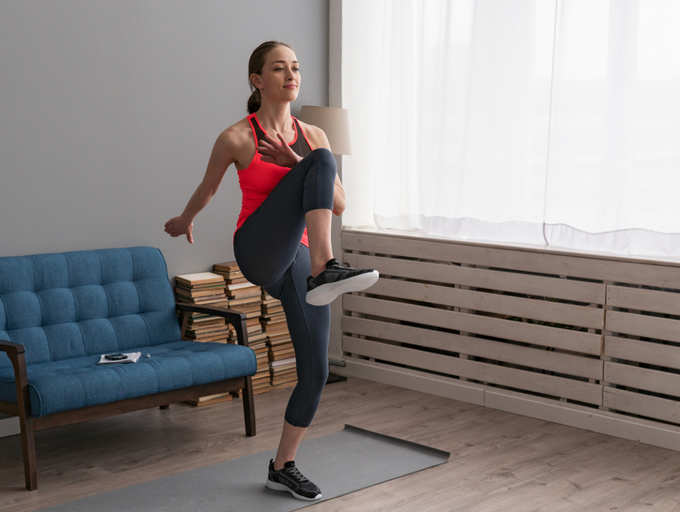
Exercising regularly plays an important role in keeping your immunity strong. Exercising puts our body under short term stress called eustress, which makes us stronger and more resilient in the long term. Even in the short term, exercise can make your immune cells better at killing pathogens.

Aerobic activities like running or swimming, high-intensity exercise and weight lifting have benefits for the immune system.

6. ​Add fibre to your diet

The headquarters of our immune system is in our gut and our gut bacteria loves fibre. When we eat fibre, it encourages more diversity in our gut flora, which has been linked to a stronger and more balanced immune system. When we don't get enough fibre, our body's ability to fend off infections decreases.

The headquarters of our immune system is in our gut and our gut bacteria loves fibre. When we eat fibre, it encourages more diversity in our gut flora, which has been linked to a stronger and more balanced immune system. When we don't get enough fibre, our body's ability to fend off infections decreases.

This is only for your information, kindly take the advice of your doctor for medicines, exercises and so on.     

https://gscrochetdesigns.blogspot.com. one can see my crochet creations  
https://gseasyrecipes.blogspot.com. feel free to view for easy, simple and healthy recipes    
https://kneereplacement-stickclub.blogspot.com. for info on knee replacement


Labels: , , , , , , ,

Sunday, February 03, 2019

Trick to Save Yourself If You are Choking And Alone

Imagine the agonizing pain your body must feel when it’s being deprived of oxygen. It’s no joking matter. The obstruction of the airway passage, even partial, can result in asphyxia and death, which is why choking is the fourth most common cause of unintentional injury-related death.

Children and the elderly are often prone to choking. In 2015, a total of 5,051 people died from choking, of which 2,848 were people more than 74 years old.

So what should you do if you’re choking? If one is lucky, there is someone nearby who can perform the Heimlich maneuver. This first-aid procedure requires the rescuer to stand behind the patient and use their hands to thrust pressure on the diaphragm to dislodge the object and expel it.

What if you’re alone? Well, then you need to watch the video below to learn a life-saving technique to rescue yourself.

The first thing one needs to do is get down on the knees, then place your hands down as if you’re about to do a push-up.

Next, one needs to prepare to extend both arms forward at the same time. The point is to lift both arms upward, somewhat above the head, such that you’ll land on the chest and belly.

When the paramedic demonstrates it, one can hear him lose breath for a couple of seconds. The impact onto the floor acts similar to the thrust to diaphragm for the Heimlich maneuver.

This technique is for everyone—children, adults, and the elderly. So if you ever find yourself choking, don’t forget to do this life-saving move.

THIS IS ONLY FOR INFORMATION, ALWAYS CONSULT YOU PHYSICIAN BEFORE HAVING ANY PARTICULAR FOOD/ MEDICATION/EXERCISE/OTHER REMEDIES.                                    PS- THOSE INTERESTED IN RECIPES ARE FREE TO  VIEW MY BLOG-                                                                                           https://gseasyrecipes.blogspot.com/       
                                                                                                                                                                      FOR INFO ABOUT KNEE REPLACEMENT, YOU CAN VIEW MY BLOG-                                                  https:// kneereplacement-stickclub.blogspot.com/           
                                                                         
  FOR CROCHET DESIGNS                                                                                                                                                                                                  https://gscrochetdesigns.blogspot.com
 

Labels: , , , , , , , ,

Wednesday, May 23, 2018

Signs of a Bed Bug Problem !

Bed bug infestations are on the rise in the United States. These pesky little critters can be difficult to spot, but they do leave behind some distinct trails, so check out these subtle signs that indicate that you might have a bed bug problem.
 
1. People You Know Have Had Bed Bugs
Beg bug infestations can spread from house to house, especially in apartment blocks where they don’t have to travel far. There are now more people affected by bed bugs in the United States than ever before – they were virtually unheard of just ten years ago. Therefore, if you know someone who has had a bed bug problem, be safe and check your home for intruders.


2. There Are Small, Itchy Bites on Your Body
Bed bugs leave small, itchy, and inconsistent bites on their victim’s body. Therefore, if you notice clusters of bites, especially if they’re in straight lines of three, you need to check for bed bugs. This isn’t a sure sign, though. Some people might not even show any signs of having been bitten by bed bugs. This is why it’s important for people to inspect for bed bugs on regular occasions.
3. You Frequently Stay in Hotel Rooms
This is one of the primary ways that bed bugs spread. If you’re staying in a hotel, you really should give the room and bed a thorough survey before staying the night. If you notice any signs of bed bugs, ask to be relocated to a different room. When leaving, you should always examine your luggage too.
 
4. There Are Dark Stains on Your Sheets or Pillowcases
Since bed bugs are messy, they often leave behind small stains wherever they’ve been. Any odd stains that appear on your sheets or pillowcases should be inspected and not ignored.
5. You’ve Only Looked for Bed Bugs in Your Bed

Despite their name, bed bugs can thrive in multiple locations outside of a bed. According to a 2015 survey, nearly all (99.6%) of pest professionals nationwide have treated bed bugs in the last year, and many of those cases didn’t involve beds at all. Therefore, if you’re looking for bed bugs, you need to check the seams of chairs and couches, drawer joints, and areas with loose wallpaper too.
6. There Are Skin Flakes on Your Bed or Clothing
Skin flakes from bed bugs are small, oval, and brown, and are one of the major indicators of a bed bug infestation. If you find any of these small casings around your house, you’ve got bed bugs. Don’t be embarrassed though, as even the cleanest of homes can get infested with these annoying little critters.
7. You Recently Bought Secondhand Furniture Without Washing It

Getting a great deal on furniture is awesome, but secondhand furniture can bring unwanted pests such as bed bugs into your house. Therefore, you should thoroughly inspect any furniture that you’re thinking about bringing into your home.
8. There Are Brownish Red Stains on Your sheet That Smear When Wiped
As gross as it sounds, bed bugs can leave clusters of poop on sheets. If you find small stains that smear when wiped with a wet rag, it could be evidence of bed bug fecal matter. If you find this alongside mattress seams or box spring edges, you could have yourself a bed bug problem.

THIS IS ONLY FOR INFORMATION, ALWAYS CONSULT YOU PHYSICIAN BEFORE HAVING ANY PARTICULAR FOOD/ MEDICATION/EXERCISE/OTHER REMEDIES.                                                                                                                                                                                                        PS- THOSE INTERESTED IN RECIPES ARE FREE TO  VIEW MY BLOG-                                                                                           https://gseasyrecipes.blogspot.com/  

FOR INFO ABOUT KNEE REPLACEMENT, YOU CAN VIEW MY BLOG-                                                                                        https:// kneereplacement-stickclub.blogspot.com/                              
FOR CROCHET DESIGNS                                                                                                                                                                                                                                 https://my crochet creations.blogspot.com


Labels: , , , , , , , , ,

Saturday, May 27, 2017

This new mind-controlled device may help paralysed patients move their hands!

A team of US scientists have developed a new mind-controlled device that may help paralysed patients move their hands.

 The new device reads the brain signals, converts them into motion and thus helps the stroke patients to retrain their brains to move their paralysed hands.

Stroke is the second leading cause of disability, after dementia, worldwide. And nearly six million die and another five million are left permanently disabled.

The findings showed that stroke patients who learned to use their minds to open and close the device fitted over their paralysed hands gained some control over their hands.

Researchers said by mentally controlling the device with the help of a brain-computer interface, participants trained the uninjured parts of their brains to take over functions previously performed by injured areas of the brain.

Eric Leuthardt, Professor at Washington University in St. Louis said,"We have shown that a brain-computer interface using the uninjured hemisphere can achieve meaningful recovery in chronic stroke patients."

The device -- Ipsihand -- comprises a cap that contains electrodes to detect electrical signals in the brain, a computer that amplifies the signals, and a movable brace that fits over the paralysed hand.
The device detects the wearer's intention to open or close the paralysed hand, and moves the hand in a pincer-like grip, with the second and third fingers bending to meet the thumb.

For the study, the team recruited 10 moderately to severely impaired stroke patients and trained them to use the device at home.

Participants underwent a standard motor skills evaluation that measured their ability to grasp, grip and pinch with their hands, and to make large motions with their arms.

Researchers said that after 12 weeks of using the device, the patients' scores increased an average of 6.2 points on a 57-point scale.

The study was published in the journal Stroke.


 this is only for your information, kindly take the advice of your doctor for medicines, exercises and so on.   
https://gscrochetdesigns.blogspot.com. one can see my crochet creations 
https://gseasyrecipes.blogspot.com. feel free to view for easy, simple and healthy recipes    
https://kneereplacement-stickclub.blogspot.com. for info on knee replacement   

Labels: , , , , , , , , ,

Thursday, July 25, 2013

Tips from a Chiropractor to Get Rid of Neck and Back Pain

A chiropractor’s goal is to not only to relieve pain but to keep you pain-free between adjustments. The spinal manipulations used to correct sublaxations (misalignments) of the spine can relieve painful pressure in your neck, back and head, but chiropractors know that to maintain wellness, you should follow these simple tips to keep your back and neck aligned and reduce muscle or nerve pain.


Start your day with a stretchHow you start your day can help determine how much your lower back complains by the end of it. 
Stop doing sit-upsYes, strong abdominals are key to reducing pain in your back. But if you have back pain, traditional crunches and sit-ups actually make the pain worse, says a Dr. Instead, hold yourself in a yoga plank pose -- lie on your stomach and then lift your body so you’re balancing on your hands and your toes, like a push up. Hold the position as long as you can, increasing the time with each attempt.
Side planks will also firm up your core. From the plank position, rotate your body to the left so you are balancing on your outstretched left arm and on your left foot (either stack your right foot on top of your left or place your right foot down if it's necessary for balance). Reach your right arm upward. Hold it as long as you can and then switch sides.
Stretch out those hamstrings“I have more low back pain patients who sit at desk all day than are manual labourers,” says Dr. Our hamstrings get locked up from spending so many hours sitting in a chair. “So when we try to stand up from sitting, our hamstrings pull on our pelvis, causing misalignments in the spine and all kinds of pain." But a few simple stretches can counter this effect. While lying on your back, wrap a yoga belt around your foot and pull your leg up, keeping it straight. Feel the stretch along the back of your leg. Then try to stretch your leg across the groin -- over the left leg to right and vice versa -- and then out and away from your body towards your hips and work yourself up to holding the stretches for 90 seconds.
Stop staring at your smartphoneTake a look at your phone. Notice what you just did? In all likelihood your chin went to your chest and your neck curved into a C-shape. That’s totally bad for your neck. “There’s 12-15 pounds of weight in the human head,” he says. “The further the head is away from our shoulders looking down at our smartphones, [the more it] strains the muscles. The bones and the discs start to mash together and you get pain.” This goes for all handheld electronics, like iPads. To save your neck, prop up your arms so you’re looking at your phone straight on. If you’re using an e-reader in bed, hold it up on your bent knees instead of down on your lap.
Use your car's headrestDespite our best efforts, many of us spend our days staring at screens, our necks craned downwards. Use your drive time to release some of the tension you build up in your neck. While you’re driving, lean your head back against the headrest. Doing so will naturally raise your chin to a comfortable position and take some of the pressure off of your neck muscles, giving them a needed rest. You can get the same release by placing your hands behind your head and gently pushing your head toward your hands.
Stop sleeping on your stomachBelly snoozing is the worst position to sleep in. “You have to turn your head to the left or right, and that creates neck strain,” she says. Instead, either sleep on your back with pillows under your knees or on your side with pillows between your knees. Both positions help maintain the spine’s natural curvature. “In both positions, sleep with a small pillow under your head and pull the pillow down so it’s also supporting your neck.
Don’t cross your legsThis is going to be a hard one. If you sit at a desk all day, make sure your feet are parallel and planted firmly on the ground. If your feet don’t reach the ground, use a box or foot rest to prop them up. This will reduce pressure on your lower back. Also raise your computer screen so it’s at eye level to limit neck strain.
Get an upper body massageIf you’re plagued by headaches, see a massage therapist to relieve tension in your shoulders, neck and jaw. Tight muscles in these areas might be the source of your pain. If you grind or clench your teeth at night, you could be putting too much stress on the temporomandibular (TMJ) joint in your jaw. A night guard, available over-the-counter or from your dentist, could ease your headaches.
Sit up straightWhen your grandmother scolded you about slouching, she was doing more than trying to make you look better. She was likely saving you from a backache. “Sit up on your sit bones, not back on the sacrum, referring to the “fleshier” part of your tush. Think about the curve in your lower back and try to preserve it as you sit. “And whatever you’re working on, your keyboard and your computer screen should be square with your body.” So don’t put your laptop on your lap and hunch over it. You’re much better off putting it on a table.
Get up and moveToo much time spent in any one position -- sitting or standing -- can trigger back pain. The more active you are, the more you stretch out your muscles and get your body accustomed to physical activity so you're the less likely to suffer pain. “You need to eat well, drink well and move well,” he says. “If you get too sedentary you will have more pain.”
All of these strategies can help you stave off pain, but chiropractors also recommend regular adjustments that can help keep the spine aligned, the nervous system functioning properly and reduce the risk of recurring pain. Seeing your chiropractor on a regular basis, whether you’re in pain or not, will help you maintain your balance and your range of motion.
ps- this is only for information, always consult you physician before having any particular food/ medication/exercise/other remedies.

ps- those interested in recipes are free to view my blog-

http://gseasyrecipes.blogspot.com/

for info about knee replacement, you can view my blog-

http://Knee replacement-stick club.blogspot.com/

for crochet designs

http://My Crochet Creations.blogspot.com/

I've not given details about designs, but those interested are free to mail me for the same.

Labels: , , , , , , , , ,