Saturday, May 22, 2021

How You Could Be Bringing Bed Bugs Into Your Home

Bed bugs are a terrible nuisance, and they’re sadly becoming increasingly widespread all around the world. Once they appear in your home, these blood-sucking pests spread like wildfire, infecting upholstered furniture, plush toys, luggage, and clothing, where they can survive for months without feeding. For that reason, getting rid of bed bugs is extremely challenging and time-consuming.
 
Even if you don’t have a bed bug problem at this point in time, you should be aware of these dangers and mindful of the ways bed bugs can get in your home. After all, prevention is even more important than early detection and pest elimination, especially since it’s often us, the homeowners, who end up unwittingly introducing these pests into our homes. 
 
How can bed bugs get into your home?
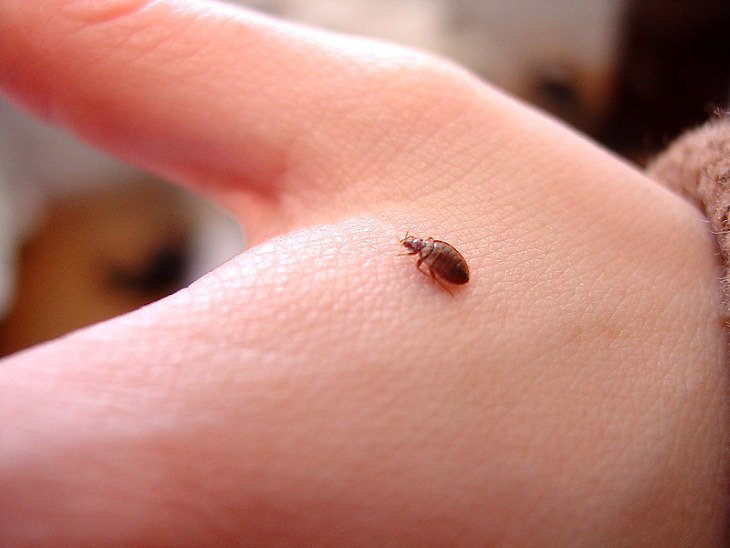
Bed Bugs on a hand
Bed bugs are tiny brown bugs that are widespread in every continent where humans live. Scientists found them in human dwellings that are over three thousand years old. But how did these pesky insects manage to spread and pester humans for so long? For an insect that’s about the size of an apple seed, it’s relatively easy to hide in a bag, plush toy, or latch onto clothing without being noticed. 
 
In the past, bed bugs were only found in hotels and other communal living spaces, but they are now increasingly common at residential dwellings, shopping centers, offices, and restaurants. Below, we list 9 common scenarios through which you could end up with a bed bug problem: 
 
Travel accommodations: As we’ve already mentioned, hotels, hostels, and the like are a place where bed bugs reside quite often. They could be hiding in the mattress or the carpet and make their way into your luggage, shoes, or clothing. So, you could end up bringing more than just a few souvenirs from your trip home...

Communal living situations: Students living in dorms, older adults who reside at retirement homes, and anyone living in an apartment building are at a higher risk of getting bed bugs. Bed bugs can spread from one apartment or room into another one through electrical boxes, outlets, and shared spaces like laundry rooms. So, if one of the new residents or someone visiting them brought in a few bed bugs, the entire building may end up having them soon. 
 
Work, retail locations, and public transportation: You don’t have to stay somewhere for a long time to pick up bed bugs. Offices, schools, gyms, shopping centers, clothing stores, and even public transportation like airplanes or buses are all prime locations for bed bugs to congregate.

Bed Bugs vintage clothing store
Furniture: Purchasing vintage or second-hand furniture is an excellent way to refresh your interior in a cost-effective manner, but you must be wary that some pieces could be infested with bed bugs. Although rare, even new furniture that is moved in the same vehicle used to haul away old furniture could become infested. 
 
Yard sales: Don’t get us wrong, we love a good bargain just like the other person, but when you’re purchasing used items, you should always be wary of bed bugs. Even though these pests prefer fabric or fur, they can survive inside electronic appliances, books, shoe boxes, and any dark places where they can hide.

Animals: Humans are not the only victim of bed bugs. Quite often, bed bugs feed on farm animals, especially chickens, as well as your pet cats and dogs. The pests can also live in cat castles, pet carriers, and pet beds, so make sure to inspect these items before you introduce them into your home, especially if you’ve purchased a used item. 
 
Guests: Have family or friends from out of town decided to visit you for a couple of days? Unfortunately, this too can result in a bed bug infestation. Students returning from a dorm for the holidays, as well as friends who took a plane or any other public transportation to get to your home, could arrive with “uninvited guests.” 
 
Bed Bug Prevention Tips  
As you can see, these opportunistic pests will take any opportunity to infect a new home, and avoiding all of these potentially dangerous scenarios is often impossible. But is there a way you can protect yourself from an infestation? Yes, bed bug awareness and a few easy prevention tricks go a long way. Here are a few tips for you to consider: 
 
1. When traveling, avoid placing your bags, coats, and suitcases on beds, upholstered furniture, or on the floor. Hanging your clothing so that it doesn’t touch the walls or furniture, and keeping luggage on a stand or cabinet can be helpful. Upon returning home, inspect your luggage and its contents for bugs, wash your clothes, and put them in a hot dryer for 10-15 minutes.

2. When purchasing clothes, stuffed toys, or any textiles, especially second-hand ones, it’s a good idea to wash them first in hot water (122°F or 50°C) or dry them for 10-15 minutes on high heat. 
 
3. Inspect furniture or any second-hand items carefully before bringing them inside your home. Lift the cushions and look closely in-between the seams of upholstered furniture. 
 
4. Steam is a very effective way to eradicate bed bugs and their eggs. If you have a steamer, run it over any items you suspect could be infected. Make sure to hold the steamer as closely to the surface as possible, and repeat in a month, just in case.

Read the next post to know Signs of bed bug problem
 

This is only for your information, kindly take the advice of your doctor for medicines, exercises and so on.   

https://gscrochetdesigns.blogspot.com. one can see my crochet creations  
https://gseasyrecipes.blogspot.com. feel free to view for easy, simple and healthy recipes    
https://kneereplacement-stickclub.blogspot.com. for info on knee replacement


Labels: , , , , , , ,

Saturday, November 30, 2019

How to reove coffee stains

Coffee is an extremely important and vital part of most people’s day. Over 10 million tons of coffee are consumed every year across the world. With all of its deliciousness and energy-boosting properties, there’s no getting rid of coffee from our lives. But that doesn’t mean we don’t want to get rid of those nasty coffee stains that find their way into every part of our lives. A sudden brake while driving and your latte forms a pattern on the car seats. What you thought was a push door turned out to be a pull, and suddenly your white sweater is brown. Don’t worry, we have solutions for all of your coffee stain related problems. From coffee stains on your teeth to spilled coffee on your couch, these tips can make coffee stains a thing of the past.       

1. Removing coffee stains from furniture
Coffee stains on your furniture can be an undeniably irksome and persistent problem. Between guests, children and sheer bad luck, more coffee ends up on the sofa than in your stomach. Flipping the couch cushions can be a solution, but it only works once!

We have a quick fix method that will work every time on fresh spills! Start by soaking up as much of the spilled coffee as possible with paper towels. Then put a few drops of ordinary laundry detergent onto a sponge and rub the stain in a careful circular motion so the stain doesn’t spread any further. If it is an especially persistent stain, just clean the sponge and get to work with the detergent again until it’s faded. Then wipe the area down with a fresh wet sponge.  


2. Removing coffee stains from a carpet
Any kind of a stain on the carpet is a house owner's worst nightmare. Coffee stains are like the Freddie Krueger of all carpet stains. But much like Mr. Krueger, there is a way of defeating them, and it is as simple as white vinegar! White vinegar contains acetic acid, which is an excellent remover of stubborn stains.

1 tablespoon of white vinegar combined with an equal portion of liquid dish soap mixed in two cups of warm water will be your miracle solution. First, blot the spilled coffee with paper towels. If the stain has already dried out, add a little warm water and then blot with a dry cloth. Then, using a fresh cloth and the above-mentioned soap solution, rub the stain from the outside to prevent the spreading of the stain, until it is gone completely. 


3. Cleaning coffee spills from your car
Cup holders seem very convenient until that one day you push the brake pedal suddenly and you realize how loose a grip the holder actually has. Also, you get to know how sticky leather seats can get when doused with hot coffee. Nevertheless, with a quarter cup of white vinegar, a little dish-washing soap and just 1 cup of water, you can get those seats looking and feeling smooth again.

In case of dry stains, make sure to add a little warm water first, and then proceed to blot the stain with paper towels. Then you can use a dry clean cloth, dipped into the vinegar-soap solution to clean any and all affected areas of the car, from the cup-holder to the seats. In places where stains have occurred on any form of fabric, make sure to rub in a circular motion so the stain doesn’t spread outward. 


4. Removing coffee stains from mugs
The sad truth is, our coffee mugs might be the most affected items in our lives, at least when it comes to coffee. Even if you manage to avoid stains appearing on the outside, often caused by congealed coffee, it is almost impossible to stop the inside of your mug from steadily gaining a browner color over days, weeks, and months. Until one day you find yourself with a mug that is now an entirely different color than the one you purchased, and your partner, parent or friend informs you that it may be time for a new mug. You can stop the cycle from repeating itself with one simple product: table salt.

Just fill the mug with a good layer of salt and use cleaning gloves to scrub the inside of the mug. This should remove the stain completely, and if salt doesn’t work or, perhaps, you’re facing a shortage, baking soda is also known to be effective. After you’re done scrubbing the mug, make sure to put it in with the next load of dishes to avoid your next cup of coffee being a salty one! 


5. Removing coffee stains from a kitchen counter
If you’ve managed to avoid staining the outside of your mug, chances are it’s because any and all spilled coffee has ended up on your kitchen counter, where it has remained unnoticed until your return from work in the night. By then, this warm delicious liquid has become a cold, brown, and almost-solid mess, and the color has seeped into the marble, wood, glass, or any other material in question. Well, believe it or not, there’s a very simple way to restore the original color of your counter, and it’s sitting in your fridge waiting for you.

Crack an ordinary egg, very carefully into a dish, and separate the white of the egg from the yolk. Feel free to keep aside the white of the egg to use in your next healthy meal, and then beat the yolk thoroughly. Using a cloth, apply the yolk generously to the stained area and let it sit for a minute or two until it is semi-dry. Then rinse the area thoroughly, and your kitchen counter shall be stain-free!  

 6. Cleaning your teeth of coffee stains
Despite its wonderful effects on your energy levels, coffee isn’t great for your teeth. Sure, the sugar can do some serious damage, so you might think that coffee would be harmless if you remove the sugar quotient. But coffee can also severely stain your teeth, leaving them yellowish or light brown, particularly if you are a frequent and regular coffee drinker. To prevent this, you may need to up your dental hygiene routine.

For starters, use toothbrushes with slightly harsher bristles, and only toothpaste that contains hydrogen peroxide and baking soda, as the former acts as a natural whitener while the latter is an effective stain remover. Also, make a habit of brushing your teeth after consuming coffee, or at the very least, rinsing your mouth with warm water.  


7. Getting rid of fresh coffee stains from clothing
Spilling coffee on your clothes is a part of life, but that doesn’t mean you have to live with the stains forever. If you want to get rid of that stain as soon as it hits the cloth, we may be able to help. First things first, though, check the label of the clothing in question to ensure there are no special cleaning instructions or restrictions.

The main three ingredients we’ll be using are white vinegar, table salt, and laundry detergent. First, sprinkle the affected area with table salt so the stain cannot spread. After a minute or two, brush off the coffee-absorbed salt with a paper towel. Run the back of the stain under cold water for about 15 minutes, then treat with small amounts of laundry detergent. Finally, apply a little white vinegar onto the stain and scrub with a toothbrush. After that, let the garment sit for fifteen minutes and then put it in the washing machine. 

8. Getting rid of old coffee stains from clothing
Now, for older coffee stains, you will need a different solution because the coffee is likely to have seeped deep into the cloth fibers. Have no fear though, we have a quick fix for that as well. To start with, you will need either rubbing alcohol or lemon juice. Dab the part of the garment with the dried stain with an extremely small amount of rubbing alcohol or lemon juice.
Make sure the cloth does not become too saturated with the liquid, only a very small amount is required to soften the stain. After the alcohol or lemon juice has dried, rub some laundry detergent onto the affected area until the stain is removed. Then, you can rinse the garment with warm water and after it dries, it will be suitable for a normal wash in the washing machine.  

9. Removing coffee stains in a coffee maker
Nobody can afford to buy an expensive latte every morning, and if you have a particularly stressful job, having a coffee maker on hand, in an office, a study or at home, can be the best way to cut down on costs. But coffee makers are as susceptible to stains as our clothes, teeth, and furniture are. In fact, even more so, as coffee makers can be stained inside and out by spilled coffee grains and leftover coffee brew residue. To initiate the cleaning process, check the manual of your machine to see if it has any specified cleaning instructions. Keep in mind, on average, coffee makers need to be cleaned at least once every six months, if not more.
First, to clean the inside, use equal parts white vinegar and cold water poured into the pot of the machine, and hit the switch to make it brew. You can switch it off halfway through the cycle and then rinse out the container with soapy water. Then use clean cold water in a similar manner, allowing it to brew. Use clean water in the brewing cycle at least 3 times to clear out any residual soap or vinegar.
Once the inside is cleaned, you can use soap and water on a sponge, or straight vinegar on a cloth to wipe down the outside surface of the coffee maker. Clean any individual parts of the machine in a similar manner and then rinse thoroughly with cold water before leaving to dry. This will have your coffee maker looking as good as new! 


10. Removing burnt coffee from a coffee maker hot plate
Even if you’re using a hot plate designed for making coffee, it’s still likely to leave a big mess. Not including spilled coffee, which you now know the easy fixes for cleaning, with a hot plate there is the additional struggle of the stains left by burnt coffee. This, too, can be easily cleaned, though.
Start by ensuring the machine is switched off and unplugged. Then dip a cloth into a mix of dish-washing detergent and warm water, and scrub the cloth against the affected area until a majority of the burnt coffee stains are removed. You can scrub off the remaining residual stains with a sponge soaked in small amounts of white vinegar. Clean off the last of the residue as well as the white vinegar and soap with paper towels soaked in cold water. Finally, a dry paper towel will have your hot plate sparkling.

this is only for your information, kindly take the advice of your doctor for medicines, exercises and so on.     
https://gscrochetdesigns.blogspot.com. one can see my crochet creations  
https://gseasyrecipes.blogspot.com. feel free to view for easy, simple and healthy recipes    
https://kneereplacement-stickclub.blogspot.com. for info on knee replacement


Labels: , , , , , , , ,

Wednesday, May 23, 2018

Signs of a Bed Bug Problem !

Bed bug infestations are on the rise in the United States. These pesky little critters can be difficult to spot, but they do leave behind some distinct trails, so check out these subtle signs that indicate that you might have a bed bug problem.
 
1. People You Know Have Had Bed Bugs
Beg bug infestations can spread from house to house, especially in apartment blocks where they don’t have to travel far. There are now more people affected by bed bugs in the United States than ever before – they were virtually unheard of just ten years ago. Therefore, if you know someone who has had a bed bug problem, be safe and check your home for intruders.


2. There Are Small, Itchy Bites on Your Body
Bed bugs leave small, itchy, and inconsistent bites on their victim’s body. Therefore, if you notice clusters of bites, especially if they’re in straight lines of three, you need to check for bed bugs. This isn’t a sure sign, though. Some people might not even show any signs of having been bitten by bed bugs. This is why it’s important for people to inspect for bed bugs on regular occasions.
3. You Frequently Stay in Hotel Rooms
This is one of the primary ways that bed bugs spread. If you’re staying in a hotel, you really should give the room and bed a thorough survey before staying the night. If you notice any signs of bed bugs, ask to be relocated to a different room. When leaving, you should always examine your luggage too.
 
4. There Are Dark Stains on Your Sheets or Pillowcases
Since bed bugs are messy, they often leave behind small stains wherever they’ve been. Any odd stains that appear on your sheets or pillowcases should be inspected and not ignored.
5. You’ve Only Looked for Bed Bugs in Your Bed

Despite their name, bed bugs can thrive in multiple locations outside of a bed. According to a 2015 survey, nearly all (99.6%) of pest professionals nationwide have treated bed bugs in the last year, and many of those cases didn’t involve beds at all. Therefore, if you’re looking for bed bugs, you need to check the seams of chairs and couches, drawer joints, and areas with loose wallpaper too.
6. There Are Skin Flakes on Your Bed or Clothing
Skin flakes from bed bugs are small, oval, and brown, and are one of the major indicators of a bed bug infestation. If you find any of these small casings around your house, you’ve got bed bugs. Don’t be embarrassed though, as even the cleanest of homes can get infested with these annoying little critters.
7. You Recently Bought Secondhand Furniture Without Washing It

Getting a great deal on furniture is awesome, but secondhand furniture can bring unwanted pests such as bed bugs into your house. Therefore, you should thoroughly inspect any furniture that you’re thinking about bringing into your home.
8. There Are Brownish Red Stains on Your sheet That Smear When Wiped
As gross as it sounds, bed bugs can leave clusters of poop on sheets. If you find small stains that smear when wiped with a wet rag, it could be evidence of bed bug fecal matter. If you find this alongside mattress seams or box spring edges, you could have yourself a bed bug problem.

THIS IS ONLY FOR INFORMATION, ALWAYS CONSULT YOU PHYSICIAN BEFORE HAVING ANY PARTICULAR FOOD/ MEDICATION/EXERCISE/OTHER REMEDIES.                                                                                                                                                                                                        PS- THOSE INTERESTED IN RECIPES ARE FREE TO  VIEW MY BLOG-                                                                                           https://gseasyrecipes.blogspot.com/  

FOR INFO ABOUT KNEE REPLACEMENT, YOU CAN VIEW MY BLOG-                                                                                        https:// kneereplacement-stickclub.blogspot.com/                              
FOR CROCHET DESIGNS                                                                                                                                                                                                                                 https://my crochet creations.blogspot.com


Labels: , , , , , , , , ,

Sunday, June 01, 2014

'Third-hand' ciggie smoke that clings to furniture could cause cancer

Researchers have said that stale cigarette smoke that clings to furniture, carpets, walls could lead to cancer, new research suggests.

Dubbed "third-hand smoke", Cancer Council Queensland said that this happens when second-hand smoke exhaled by the cigarette users reacts with indoor air and clings to things inside your homes, News.com.au reported.


Cancer Council Queensland spokeswoman Katie Clift said that it is important to promote the dangers that third-hand smoke poses to human health on World No Tobacco Day on Saturday.

Clift said that research pointed out that many of the more than 4000 chemicals in second-hand smoke lingered long after cigarettes were put out, sticking to surfaces and damaging human DNA in a way that could potentially cause cancer.


THIS IS ONLY FOR INFORMATION, ALWAYS CONSULT YOU PHYSICIAN BEFORE HAVING ANY PARTICULAR FOOD/ MEDICATION/EXERCISE/OTHER REMEDIES.


PS- THOSE INTERESTED IN RECIPES ARE FREE TO VIEW MY BLOG-
HTTP:GSEASYRECIPES.BLOGSPOT.COM/
FOR INFO ABOUT KNEE REPLACEMENT, YOU CAN VIEW MY BLOG-
HTTP://KNEE REPLACEMENT-STICK CLUB.BLOGSPOT.COM/

FOR CROCHET DESIGNS


HTTP://MY CROCHET CREATIONS.BLOGSPOT.COM

Labels: , , , , ,