16 Wonderful Ways to Calm Down In Different Places
Relaxation has many advantages: It slows
down breathing, lowers blood pressure, reduces stress in muscles,
prevents exhaustion, increases self-confidence and improves mood,
concentration, and memory, so it's no wonder that we all strive to be
calm all the time. However, busy daily life often compels us to deal
with stressful frustrating moments in which it is hard to keep cool.
Whether it's on the road, in the office or
at home with your children, different events can harm your peace, and
for that, we’ve collected 16 simple ways for you to easily relax in
different situations in life
In the car
While driving, you can’t afford to relax. The body is alert, the eyes
detect possible dangers and the brain tries to calculate the distance
between your car and the other vehicles around to you. If all these
reasons are not bad enough, add the traffic jams, the bus leaving the
station without signaling, and the fact that you have a meeting that
starts in ten minutes and the traffic light refuses to change. To stay
cool while driving, we recommend that you familiarize yourself with the
following methods and tips.
1. Do some light exercise - Light physical activity has been found to
reduce stress and contribute to a sense of relaxation, even if it is a
very light activity. One simple way to do this is to hold on to the
wheel, tense up your muscles and release. There is also another exercise
you can do while waiting by a light, which is designed to strengthen
the shoulder muscles: Place two hands on the steering wheel and relax
the shoulders so that your elbows bend at 90 degrees, then push your
hands towards the wheel and let go. The subsequent tensing and releasing
were found to soothe the muscles and the body.
2. Take advantage of the waiting time at traffic lights for deep
breathing - If someone cuts you off on the road and you begin to feel
anxious or stressed, slowly breathe in air through your nose and then
breathe out through your mouth. A deep breath lets more oxygen into the
body than normal breathing and stimulates the natural relaxation
mechanisms of the body.

3. Sing loudly – While radios have become
more or less obsolete, there is still one place where everyone listens
to them. While traffic jams and traffic can lead to tension and stress,
if you turn up the volume of the radio and sing loudly, you will find
that the trip to work is not so terrible and can even be nice.
4. Add natural smells to your car -
You get
a fragrance dispenser from the gas station and hang it on the front
mirror, thinking that a pleasant smell won’t hurt anyone, but what you
may not know is that different smells can affect your mood. Studies have
found that mint, for example, helps maintain alertness and reduce
stress, while coffee and lemon scents help improve concentration and
contribute to lucid thinking.
At work
Heavy traffic on the road can throw you off, but there are days where
your workload is no less heavy and you may succumb to the stress of it
all. However, certain methods of relaxation have been found to reduce
stress and improve your functioning in the workplace!
5. Change the background of your computer screen - If you work on a
computer, sometimes a simple action like changing your desktop
background from a blank screen to a picture of nature can do wonders.
Looking at nature for a few minutes, even if only through a picture, may
increase your ability to concentrate and contribute to the sense of
calm. Choose a favorite landscape of a place where you have been or
always dreamed of being and just looked at it; your cause for stress and
anxiety will simply disappear.
6. Concentrate on one task at a time - Even
if your to-do list runs longer than one page, focusing on the whole
thing will only lead you to feel stressed and depressed and will not
allow you to do the tasks best. So, focus on a single task each time.
While the amount of work will remain the same and the rest of the tasks
won’t go away, focusing itself can lower your stress levels, increase
concentration, and allow you to do your best on each task.
7. Chew gum - If you feel stress and are not late for a meeting, pull
out a piece of gum and start chewing. In addition to its wonderful
taste, chewing gum can help reduce levels of stress and anxiety,
depression and exhaustion, as found in a 2011 study.
8. Listen to music with alpha sound waves –
The brains electrical activity divides into 4 frequencies: beta, alpha,
theta, and delta. The brain usually works on beta waves during the
day-to-day operation, the alpha frequency is the frequency
characteristic of the state of relaxation. During work and intense
thinking, the brain transmits beta waves, which in a high amount can
lead to stress and tension. Listening to music that has alpha waves can
change the frequencies in the brain, allowing it to relax and the body
to renewable energies. Alpha waves also improve memory and help
concentration, so if you listen to this music while you work you can
also be a better employee.
With the kids
Our children are the light of our lives, but it is known that too bright
a light can cause stress and headaches. The following tips will allow
you to remain calm, even when your kids aren’t making it easy.

9. Stop looking at the clock - One of the
main causes of anger is the child's lack of listening. You want him/her
to take a shower at a certain time, and he/she wants to finish watching
their show and shower 15 minutes later than usual. Once you are more
flexible in terms of time, you will find that your kids will listen to
you more, even if it takes a few minutes longer. In addition, the less
tough you are and the more freedom they are given in terms of time, the
freer you will be.
10. Hug your kids when you’re angry at them - Children have a special ability to make a person lose it, and often,
sending your kids to their room or yelling at them only serves to
increase your anger and not teach the child about his/her mistake.
Instead, the next time the child argues with or raises their voice, try
hugging them and so both of you will calm down and the child will learn
that you can solve arguments calmly. In addition, studies show that 20
seconds of hugging may increase levels of oxytocin in the body (the love
hormone), which will contribute to a sense of joy and relaxation in you
and your child.
11. Exercise together - Small children need to let out a lot of energy
and exercise is just the way to do it. Instead of angrily chasing after
your kids around the house or at the park, try joining them and you’ll
find that you (and your children) are happier and more relaxed.
Let your children count - Every day, take some time out of your day
to do some exercise and ask your kids to count out the number of
repetitions. In addition to the sense of satisfaction that exercising
will give you, your child will be happy that he/she could help, and what
could be more reassuring than seeing your child smile?
Take a family bike ride - Try to avoid sitting at home this weekend,
especially when the weather is nice. Have your family take their bikes
out for a ride, and enjoy a fun activity for the whole family which will
help you be more relaxed and happy.
Take the dog out for a walk- Many people choose to bring a
four-legged friend home to make their children happy. However, while our
kids are the ones that initially wanted them, we adults are the ones
who actually take care of them. Try to avoid this situation; Take the
kids with you and turn the “chore” into an enjoyable escape from home.
In addition, after the dog and the children get to spend some time
running around outside, they will be happy to go home and go to bed.
Get in the water with them - A day at the pool doesn’t have to be a
disaster, and instead of waiting impatiently in-line to buy a Popsicle,
you can get into the water with the children and do some exercise. If
they’re old enough, you can challenge them to a race across the pool!
12. Know your moments of weakness - Each
parent learns the moments and situations of the day when they tend to be
more nervous and stressed than at other times. Try to identify these
moments so that you can prepare for them in advance, and neutralize the
stressful factor before your children enter the picture. For example, if
you get anxious about your child taking a long time to pick out their
clothes in the morning, prepare the outfit together the night before.
The early preparation will allow you to maintain calm and peace even in
the most stressful moments.
At home
Theoretically, your home should be a haven of peace and tranquility, but
in practice, this isn’t always true and at home, you may suffer from
many distractions and stressors. Therefore, we recommend that you
familiarize yourself with the following tips.
13. Create a quiet place for yourself - Sometimes it’s hard to find the
energy to clean the house up after a long day, and the mess can lead to a
sense of unrest. So, find a quiet corner in your house, clear it out of
all distractions and make sure there’s a comfortable place to sit in
it. Make it clear to the rest of the family that the space is for you
only, then shut out that corner with a curtain and try to light it with
soft light (open your window curtains during the day and use candles or
dimmed lighting in the evening). Whenever you feel stress or anger, you
can sit in this private corner and relax.
14. Disconnect all your gadgets- Choose an
hour of the day (when you are at home of course), where you choose not
to use electrical gadgets. Turn off the TV and the radio, turn off your
phone, and cook nothing. You will soon find that you have little left to
do but sit back and relax...
15. Hug yourself every morning - Various stretching exercises help relax
your muscles and provide a sense of relaxation. Start each morning with
a stretch that will help you start the day with some fun. Lie in bed,
bend your knees toward your chest and hug them close to your body (if
you wish you can move from side to side). Stay in this position for
about 20-50 seconds, release and do it again. This exercise helps to
provide a sense of relaxation and is also highly recommended for those
who suffer from back pain.
16. Solve thinking and logic games - Brain
games and provide a wonderful way to escape the hardships of the day and
feelings of stress and anxiety. Choose your favorite game, make sure it
is challenging enough, but not too challenging, so that you don’t
experience feelings of stress and despair as a result of your failure.
Labels: bicycle, breathing exercises, create quiet place for self, disconnect all gadgets, Exercise, hug self, hugs kids when angry, know ur moments of weakness, light music, relaxation-in car, sing, stretch, with kids
posted by G S Iyer at 3:54 AM
0 comments

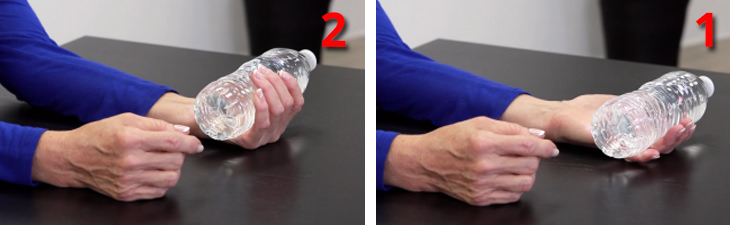
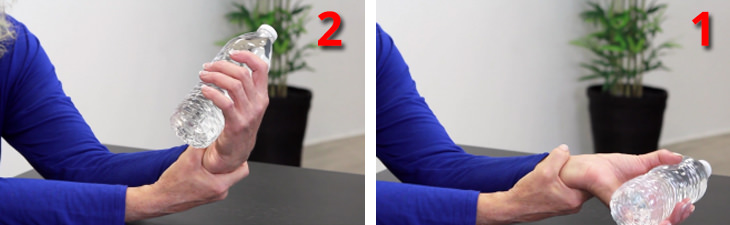
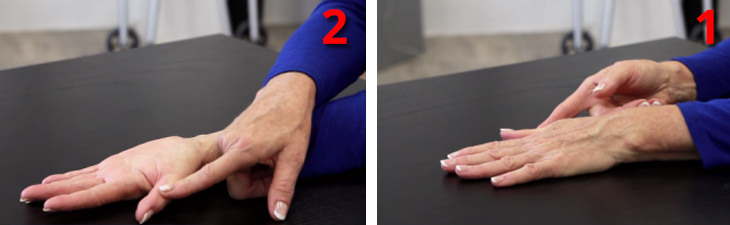 Place your weaker palm on the table facing downward.
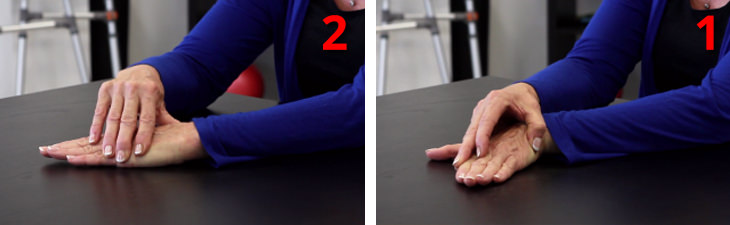
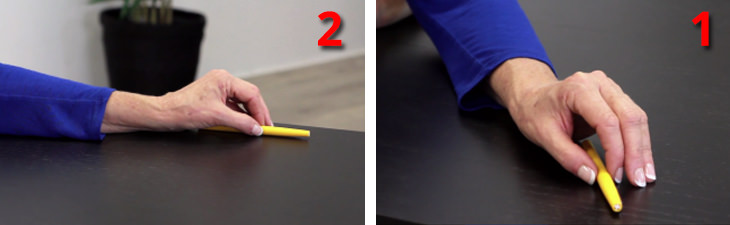
 Place a pen on the table and use your
thumb and index finger to spin it.
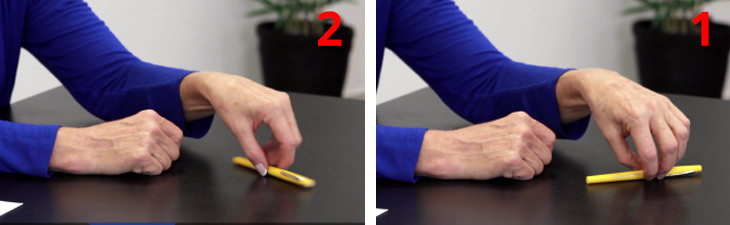
Place a pen on the table and use your
thumb and index finger to spin it.