Sunday, April 19, 2026

7 Exercises That Are Effective for Controlling Diabetes

Living with diabetes is a challenge. Altering your diet and taking the right medication will help in controlling the condition, what can really make a difference in managing it better is adopting an exercise plan. Unfortunately, only about 40 percent of people with type 2 diabetes indulge in regular physical activity according to a study published in the World Journal of Diabetes. That is unfortunate as even 150 minutes of aerobic exercise each week can be really advantageous for people with diabetes according to the National Institutes of Health. 

Exercise helps you lose weight and improve balance. Weight management is particularly important because people with obesity are at a higher risk of developing diabetes too. Moreover, regular exercise also lowers your blood sugar level and may even reduce your insulin requirements. 

When you plan your exercise schedule, keep in mind that you should never go for more than two days without any activity. Following this routine properly can help keep diabetes under control and in some cases, even get over the disease. Before you go ahead with your schedule, however, it's best to consult your doctor to make sure there are no restrictions or special precautions you need to take based on your glucose or blood sugar levels. 

Now, let’s take a look at some useful workouts that were proved to be effective for people fighting diabetes.

1. Brisk walking Exercises to Manage Diabetes, Walking
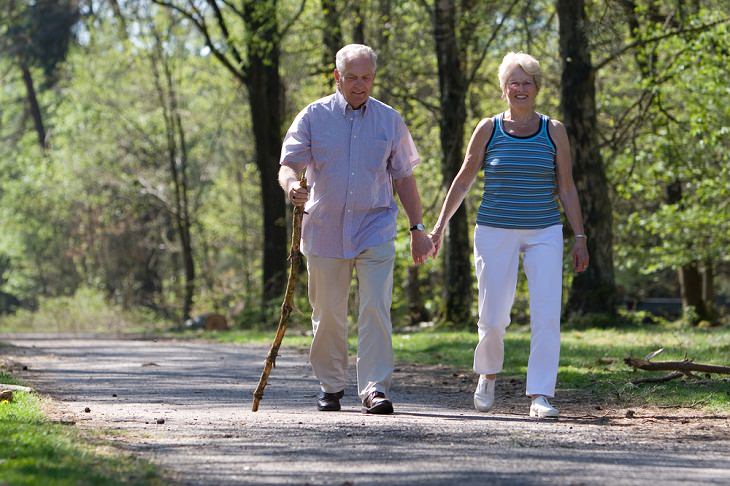
Walking is one of the most popular and easiest exercises that you can include in your daily routine. While it is beneficial to everyone, brisk walking is highly recommended for people dealing with diabetes. Studies have shown that walking regularly can help diabetics lower their blood sugar levels and lose weight.

The best thing about walking is that it’s free and easy. All you need is a good pair of shoes and somewhere to go. Moreover, you can choose the pace and how far you go. A brisk stroll of 30 minutes to an hour 3 or 4 times a week will help people with diabetes reach their recommended target of 150 minutes of moderate-intensity exercise.

2. Tai Chi

Have you ever heard of Tai Chi? It’s an amazing ancient Chinese form of exercise that uses a series of gentle and smooth body movements to relax the mind and body. Tai chi is ideal for people with diabetes as it offers fitness and stress reduction through one form of exercise. Studies have shown that those who practice tai chi daily have seen a considerable improvement in blood sugar control. This gentle exercise can also help with mobility, balance, and flexibility, and can even help prevent nerve damage in your feet.

Tai chi’s ability to lower your stress levels and encourage mental relaxation is seen as its most vital benefit for diabetics as excessive stress can come in the way of controlling the disease.

3. Yoga

Yoga has got plenty of attention in the last decade for all the right reasons. People have realized the countless benefits that this ancient practice offers for both the body and the mind. In fact, even doing about 30 minutes of yoga a day can help you fight against anxiety and depression while making you feel more centered. This wonderful practice is also beneficial for people with chronic conditions like diabetes as it can help lower stress and improve nerve function which ultimately results in an overall improvement in mental health and wellness. Remember, that when your stress levels increase, so do your blood sugar levels. Hence, yoga would be really helpful in keeping that under control.

Furthermore, according to the American Diabetes Association (ADA), yoga may keep your blood glucose levels stable as practicing it daily can lead to improved muscle mass.

4. Weight training

Weightlifting and other strengthening activities are important for people with diabetes as they help build muscle mass. If you end up losing muscle mass, you’ll have a much harder time maintaining your blood sugar. Moreover, trained muscles have an increased capacity to store blood glucose in the form of glycogen, thus helping in lowering blood glucose. This basically results in lowered blood sugar levels and better glucose management.

You can use weight machines or free weights to incorporate weightlifting into your weekly exercise routine. However, learning how to lift weights safely is essential. It would be better if you take a couple of classes at first, or take the guidance of a professional trainer.

5. Swimming

Swimming is another great low-impact exercise that’s perfect for diabetics, particularly for people with type 2 diabetes. This is because it stretches and relaxes your muscles and doesn’t strain your joints. This can be really helpful as diabetes can cause joint pain in various ways. Studies have also shown that swimming can be great for those with diabetes or at risk for developing diabetes as it can improve cholesterol levels, burn calories, and lower stress levels. Swimming also helps lower glucose levels while strengthening your heart, muscles, and lungs too.

Type 2 diabetes can often lead to foot complications such as neuropathy, or nerve damage. According to NYU Langone Health, swimming will be beneficial for anyone with diabetes who’s managing neuropathy because of its gentle nature. To get the most benefit from swimming, try and swim at least three times a week for at least ten minutes.

6. Stationary bicycling

Exercises to Manage Diabetes,  Bicycling 

One great and effective way to burn calories, make your heart stronger, and your lungs function better, is to start bicycling. According to a study published in the American Journal of Health Promotion, spending just a few times per week on a bicycle can reduce the risk of obesity, high blood pressure, and triglyceride levels. For people with diabetes, this form of exercise will be extra helpful as it can keep their heart rate up, burn blood sugar, and help them lose weight without hurting their knees or other joints.

If you are not comfortable going out with a bicycle currently due to the pandemic, you can opt for a stationary bike which will be just as useful. Moreover, you can use it inside at any time of the day, regardless of the weather. Spending 30 minutes a day 3 to 5 times a week on the bicycle should be ideal.

7. Climbing stairs

In case you skip your swimming, weight training, or bicycling routine, climbing stairs is a very easy and healthy alternative to burn calories and get your heart and lungs working faster.

For people with diabetes, going up and down the stairs for 3 minutes, a couple of hours after a meal will be helpful in burning off blood sugar. Did you know that you burn about 0.17 calories for every step you climb? The activity also reduces cholesterol levels and improves stamina and energy. It’s also a convenient workout as stairs are generally readily available everywhere and you can climb them whenever you take a little break in your daily routine.


This is only for your information, kindly take the advice of your doctor for medicines, exercises and so on.   


Labels: , , , , , , , ,

Friday, October 14, 2022

Natural Relief from Arthritis Pain

Arthritis is the term for a group of conditions that cause joint inflammation and pain. Although medical treatments can help, some home remedies and lifestyle changes may also reduce symptoms.

In the United States, arthritis affects more than 50 million adults and 300,000 children.

There are more than 100 different types of arthritis and related diseases. The most common type is osteoarthritis, which is a degenerative disease that wears away the cushioning between the joints, causing pain, swelling, and stiffness.

Another common type of arthritis is rheumatoid arthritis (RA). RA occurs when the immune system mistakenly attacks the joints and other parts of the body, causing uncontrolled inflammation.

Arthritis of any type can cause pain and result in lasting damage to the joints. In this article, we outline some of the most effective home remedies for slowing disease progression and treating the symptoms of arthritis.

Aquatic exercise can relieve pressure on the joints while providing a workout.

Aquatic exercises can be beneficial for people with arthritis. Water provides resistance, which helps increase exercise intensity.

At the same time, the buoyancy that the water provides helps support body weight, relieving pressure on the joints.

A 2015 scientific review found that older adults with osteoarthritis who participated in an aquatic exercise program experienced the following benefits:

  • reduced body fat
  • improved coordination
  • improved range of motion
  • improved mood and quality of life

The participants also experienced a reduction in arthritis pain, although this was often short-term.

For ongoing pain relief, the researchers support current recommendations to perform 40–60 minutes of aquatic exercise three times a week.

According to the Arthritis Foundation, each pound (lb) of body weight equates to 3 lb of added stress on the knees and 6 lb of added pressure on the hip joints.

This increased pressure causes the cartilage between the joints to break down more quickly, worsening osteoarthritis.

Losing weight can ease pressure on the joints, reducing pain and stiffness.

Tai chi is a low-impact exercise that incorporates slow and gentle movements to increase flexibility, muscle strength, and balance.

In 2013, researchers conducted a review of seven studies that investigated the effectiveness of tai chi for improving arthritis symptoms.

The authors concluded that a 12-week course of tai chi was beneficial for reducing pain and stiffness and increasing physical function in participants with osteoarthritis.

Iyengar yoga is a type of yoga that focuses on correct anatomical alignment and uses props to support the body and relieve tension and inflammation.

A 2013 study investigated the effectiveness of a 6-week Iyengar yoga program for young women with RA.

Researchers divided the 26 participants into two groups: 11 participated in two 1.5-hour yoga classes for 6 weeks, while the remaining 15 did not take part in any yoga classes.

In comparison with the control group, the participants who did yoga reported significant improvements in health, mood, quality of life, and the ability to cope with chronic pain.

Heat and cold treatments are two different but effective methods for reducing arthritis pain.

Heat therapy boosts circulation and can soothe stiff joints and aching muscles, while cold therapy restricts blood vessels, which slows circulation, reduces swelling, and numbs pain.

People can try alternating heat and cold, but it is essential to monitor the skin carefully for damage from these treatments and discontinue their use if an injury occurs.

Heat treatments include:

  • starting the day with a warm bath or shower to relieve stiffness
  • applying warm paraffin wax to aching joints
  • placing a heating pad or hot water bottle on aching joints

People should limit cold treatments to 20 minutes at a time. These treatments include:

  • wrapping a bag of ice in a towel and applying it to painful areas
  • submerging the affected joint in ice water
  • using a cold pack

Some of these remedies are available for purchase online, including heating pads, hot water bottles, and cold packs.

Mindfulness is a form of meditation. When practicing mindfulness, people try to focus their attention on their feelings and what their body is experiencing in the present moment.

Mindfulness-based stress reduction (MBSR) is a program that uses mindfulness to help people manage pain and stress, both of which can compromise the immune system.

A 2014 study investigated whether MBSR could reduce disease activity in people with RA by boosting the immune system.

A total of 51 participants took part in the study, 26 of whom completed an 8-week program of MBSR while the remaining 25 received no treatment.

Participants who practiced MBSR showed a reduction in RA symptoms, including pain, early morning stiffness, and the number of tender and swollen joints.

Participants reported these improvements both immediately after MBSR and up to 6 months later.

According to the Arthritis Foundation, regularly massaging the muscles and joints can help soothe pain resulting from arthritis.

Experts believe that massage lowers the body’s production of the stress hormone cortisol and the neurotransmitter substance P, which has an association with pain. Massage also helps improve mood by boosting serotonin levels.

A 2013 study investigated the effects of massage on people with RA in their upper limbs.

The researchers divided the participants into two groups. One group received light-pressure massage, and the other received moderate-pressure massage.

A trained therapist gave each of the participants a massage once a week for 4 weeks. The participants also learned how to massage themselves and did this once a day.

After 4 weeks, the participants in the moderate-pressure massage group had less pain, better grip strength, and a greater range of motion in the affected limb than those who received light-pressure massage.

A 2015 study investigating the effects of moderate-pressure massage for knee arthritis reported similar benefits.

In 2020, guidelines from the American College of Rheumatology and the Arthritis Foundation noted that there was not enough evidence to show that massage can reduce symptoms of osteoarthritis. However, massage may have other benefits, such as helping reduce stress.

TENS is a method of pain relief that uses electrodes in the form of sticky pads that attach to the surface of the skin to deliver small electrical currents to the body.

Current guidelines advise people not to use TENS for osteoarthritis pain, as there is no evidence that it can help.

Vitamin D builds strong bones and helps maintain the function of the immune system.

A 2016 review found that people with RA often have lower vitamin D levels than those without the condition. Those with the lowest levels of vitamin D also tended to experience the highest levels of disease activity.

However, it is still not clear whether taking vitamin D supplements reduces disease activity in people with arthritis.

Current guidelines do not recommend vitamin D supplements as a treatment for osteoarthritis.

People can get vitamin D from sun exposure and certain foods. Vitamin D supplements are also available in stores and online.

Studies have shown that omega-3 fatty acids help reduce inflammation in the body and play a role in regulating the immune system.

The authors of a recent review concluded that omega-3 fatty acids appear to improve the symptoms of RA, but they noted that further studies are necessary to confirm this.

Sources of omega-3 fatty acids include nuts, seeds, and cold-water fish, such as salmon, tuna, and sardines. People can also take omega-3 supplements.

Some people take chondroitin sulfate or glucosamine hydrochloride for osteoarthritis.

However, there is not enough scientific evidence to show that they can benefit people with osteoarthritis, and they may have adverse effects.

For this reason, current guidelines advise people not to use these supplements.

There are almost 100 different types of arthritis. After making an initial diagnosis of the type of arthritis that a person has, a doctor will explain to them which treatment options are suitable.

Some examples of medications include:

  • analgesics for pain control, such as acetaminophen
  • NSAIDs, such as aspirin and ibuprofen
  • corticosteroids, which reduce inflammation
  • disease-modifying antirheumatic drugs (DMARDs), which slow or stop inflammation but weaken the immune system
  • targeted DMARDs, which target specific inflammatory issues rather than suppressing the entire immune system

Without treatment, arthritis can cause permanent damage to the joints or progress more quickly.

People with arthritis should work with a doctor to decide which home remedies may work best with their medical treatment plan.

A person should visit a doctor if they experience any of the following symptoms for 3 days or more:

  • pain, swelling, tenderness, or stiffness in one or more joints
  • redness and warmth of the skin surrounding the joint
  • difficulty moving the joint or performing daily activities

Arthritis is a progressive condition that causes pain and stiffness in the joints. Many different medication interventions are available, but using home remedies alongside these may be more effective in relieving pain and increasing mobility.

Common home remedies include massage, specific supplements, heat and cold therapy, and gentle exercises, such as yoga and tai chi.

People should speak with a doctor if they have any concerns about using home remedies for arthritis. It is also vital to ask about any supplements before taking them because they might interact with existing medications.


This is only for your information, kindly take the advice of your doctor for medicines, exercises and so on.   

https://gscrochetdesigns.blogspot.com. one can see my crochet creations  
https://gseasyrecipes.blogspot.com. feel free to view for easy, simple and healthy recipes    
https://kneereplacement-stickclub.blogspot.com. for info on knee replacement

https://GSiyers home remedies.blogspot.com     will be latest addition to my blogs. I'm going to add posts there, do give me your valuable feed back on my blogs. Thanks a lot, take care, be healthy and be happy.


Labels: , , , , , , , , , , ,