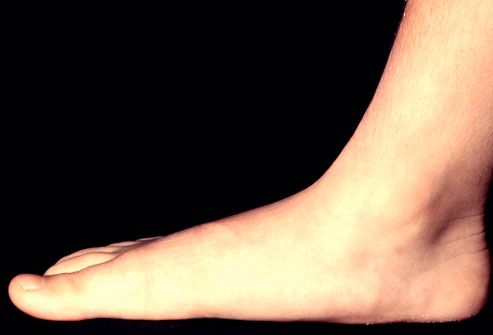
The Effects of Aging on Your Ankles & Feet
Aging
can take a particularly heavy toll on your feet, as it does with the
rest of your body. Given the great deal of stress that we place on our
feet over an entire lifetime, it's not too hard to see why these
problems end up occurring. Below, you'll find seven of the most common
age-related foot problems for you to be aware of.
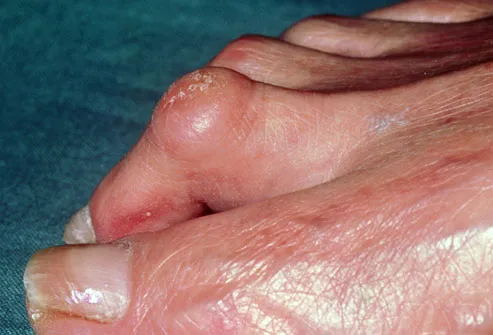
 1. Hammertoe
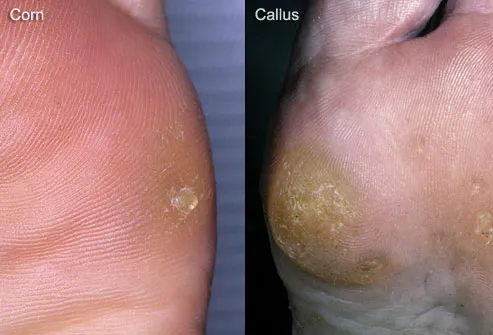
Hammertoe is an abnormal bend in the joint of one or more of your toes and is usually caused by long-term use of narrow shoes or high heels. Hammertoes are also prone to calluses and corns, joint stiffness, swelling, and pain. What's more, the only way to get rid of a hammertoe is through surgical intervention. Toe pads, splints, and well-fitted shoes can help to alleviate some of your pain, though.
2. Arthritis
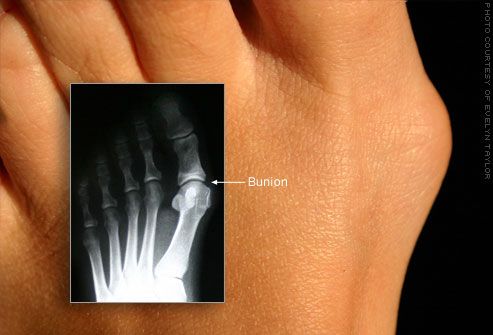
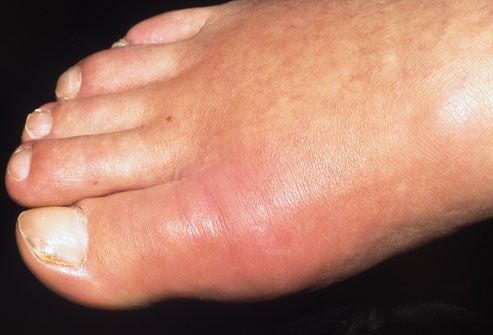
Osteoarthritis (OA) affects around 10% of men and 16% of women over the age of 60. The ankle joint, subtalar joint, and the first metatarsophalangeal joint are the three joints which are most commonly affected. Common risk factors include obesity, hammertoe, bunions, or a past foot or ankle injury. Another joint problem affecting older adults is gouty arthritis, which is an autoimmune disorder that can cause acute and often debilitating pain, especially in the big toe.


Hammertoe is an abnormal bend in the joint of one or more of your toes and is usually caused by long-term use of narrow shoes or high heels. Hammertoes are also prone to calluses and corns, joint stiffness, swelling, and pain. What's more, the only way to get rid of a hammertoe is through surgical intervention. Toe pads, splints, and well-fitted shoes can help to alleviate some of your pain, though.
2. Arthritis
Osteoarthritis (OA) affects around 10% of men and 16% of women over the age of 60. The ankle joint, subtalar joint, and the first metatarsophalangeal joint are the three joints which are most commonly affected. Common risk factors include obesity, hammertoe, bunions, or a past foot or ankle injury. Another joint problem affecting older adults is gouty arthritis, which is an autoimmune disorder that can cause acute and often debilitating pain, especially in the big toe.
3. Flat Feet
As your feet get older, the connective tissues in your feet, known as ligaments, will start to stretch out, reducing the height of your arch and causing flat-footedness. The pain experienced usually increases with activity and is normally accompanied by swelling. Hip, knee, and lower back pain are also common for flat-footed people. Since this condition can alter the angle of your foot, you may experience a loss of stability or an increased risk of ankle sprains.
4. Shortened Achilles Tendon
Your tendons may start to lose water as you age. If this occurs, you might end up with a more flat-footed gait, since you will be less able to flex your ankle, toes, and midfoot. This is particularly true of the Achilles tendon, which connects the calf muscle to the heel bone. Unless you routinely stretch your Achilles tendon, you could be at a greater risk of a tear or rupture.
As your feet get older, the connective tissues in your feet, known as ligaments, will start to stretch out, reducing the height of your arch and causing flat-footedness. The pain experienced usually increases with activity and is normally accompanied by swelling. Hip, knee, and lower back pain are also common for flat-footed people. Since this condition can alter the angle of your foot, you may experience a loss of stability or an increased risk of ankle sprains.
4. Shortened Achilles Tendon
Your tendons may start to lose water as you age. If this occurs, you might end up with a more flat-footed gait, since you will be less able to flex your ankle, toes, and midfoot. This is particularly true of the Achilles tendon, which connects the calf muscle to the heel bone. Unless you routinely stretch your Achilles tendon, you could be at a greater risk of a tear or rupture.
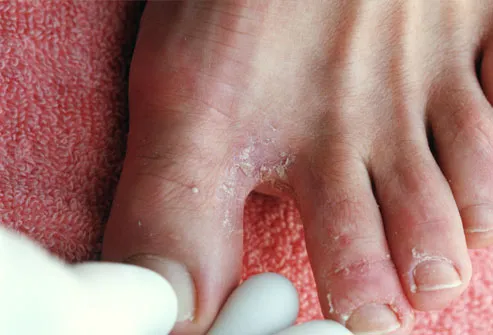
5. Dry Skin
Dry skin, particularly on the soles of your feet, is an issue which could require a daily application of moisturizer in order to prevent cracking and infection. If left untreated, cracked skin around your heels may make walking or even standing upright difficult tasks. What's more, deep cracks may put your feet at a heightened risk of infection, which could potentially lead to a serious infection known as cellulitis.
Dry skin, particularly on the soles of your feet, is an issue which could require a daily application of moisturizer in order to prevent cracking and infection. If left untreated, cracked skin around your heels may make walking or even standing upright difficult tasks. What's more, deep cracks may put your feet at a heightened risk of infection, which could potentially lead to a serious infection known as cellulitis.
6. Circulatory Issues
Edema, a medical term for
swelling, is frequently associated with poor circulation, leading to
fluid accumulation in the lower extremities. Edema is normally
associated with congestive heart failure, liver disease, and kidney
disease, conditions which are common in aging populations. Circulatory
obstruction may also lead to venous edema, which usually affects only a
single leg. Cardiovascular disease, particular drugs, and hormonal
changes can also cause swelling in both of your legs.
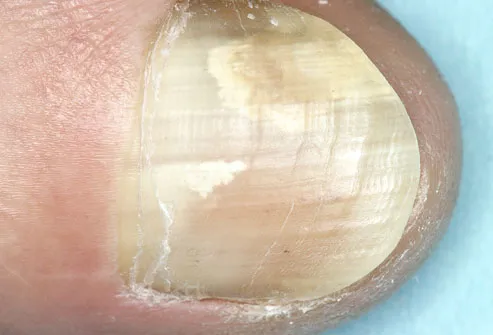
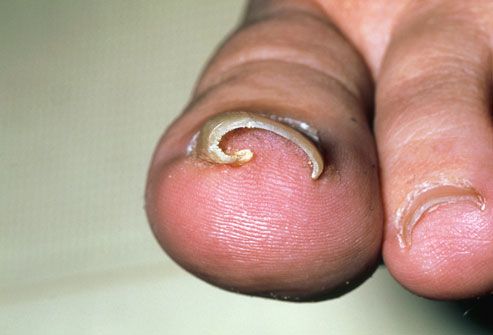
7. Toenail Changes
Toenails tend to thicken and turn more brittle as you grow older, which makes them more difficult to cut and maintain. Nails may also start to discolor, crack, and form uneven ridges and layers. While a good nail care routine may improve the nail's appearance, it might not completely prevent these aging-related changes.
THIS IS ONLY FOR INFORMATION, ALWAYS CONSULT YOU PHYSICIAN BEFORE HAVING ANY PARTICULAR FOOD/ MEDICATION/EXERCISE/OTHER REMEDIES.
PS- THOSE INTERESTED IN RECIPES ARE FREE TO VIEW MY BLOG- https://gseasyrecipes.blogspot.com/ FOR INFO ABOUT KNEE REPLACEMENT, YOU CAN VIEW MY BLOG-
https:// kneereplacement-stickclub.blogspot.com/
FOR CROCHET DESIGNS https://gscrochetdesigns.blogspot.com
Toenails tend to thicken and turn more brittle as you grow older, which makes them more difficult to cut and maintain. Nails may also start to discolor, crack, and form uneven ridges and layers. While a good nail care routine may improve the nail's appearance, it might not completely prevent these aging-related changes.
THIS IS ONLY FOR INFORMATION, ALWAYS CONSULT YOU PHYSICIAN BEFORE HAVING ANY PARTICULAR FOOD/ MEDICATION/EXERCISE/OTHER REMEDIES.
PS- THOSE INTERESTED IN RECIPES ARE FREE TO VIEW MY BLOG- https://gseasyrecipes.blogspot.com/ FOR INFO ABOUT KNEE REPLACEMENT, YOU CAN VIEW MY BLOG-
https:// kneereplacement-stickclub.blogspot.com/
FOR CROCHET DESIGNS https://gscrochetdesigns.blogspot.com
Labels: ageing, ankles, autoimmune disorder, bunion, dry skin, feet, flat foot, Gout, hammer toe, hip, injury, knee, ligaments, lower back pain, obesity, Osteoarthritis, shortened Achilles tendon, sprains, swelling
posted by G S Iyer at 2:46 AM
0 comments