7 Common Causes of Walking Pain and How to Get Rid of It
Walking
is the easiest and safest form of exercise, but it can sometimes cause
leg pain. If you ignore the pain caused by walking and continue to walk
through it, you’ll just harm yourself in the long run. So how do you
continue to enjoy this simple workout and the weight loss associated
with it? Here's what experts have to say about the 7 common causes of
pain during walking and how to get rid of them.
Plantar Fasciitis tissue connects the bones of the foot and wraps it. When this tissue is worn out, small tears begin to form that cause it to harden - this hardening is the cause of the pain. "People who practice walking can erode the Plantar Fasciitis tissue every time their feet hit the hard pavement," says a physiotherapist.
The higher the arches of the foot, the more likely you are to suffer from Plantar Fasciitis, and a clear sign that it is the cause of your pain in the heel or foot in the morning - because the Plantar Fasciitis tissue hardens even more during the night. If not treated, it can cause calcium retention in the area, causing more severe pain.
How to solve the problem
Once you feel stiffness in the inner tissues of the foot, release the area with stretching; sit on the floor, straighten the healthy leg and place the opposite leg on your thigh. Pull your toes up with your hand until you feel a stretch in the arch of the foot. Do this stretch for 10 seconds, then stand on the painful foot and roll it over a tennis ball or water bottle.
To reduce the pain further, choose non-flexible mid sole walking shoes. "The shoes should be flexible in the heel area but support the arch well," says a podiatrist. In addition, when walking, choose relatively flat and soft surfaces, such as a dirt path, and avoid sidewalks or sand that is too soft.
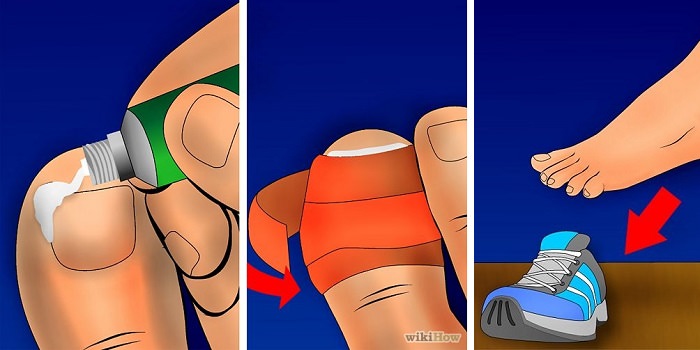
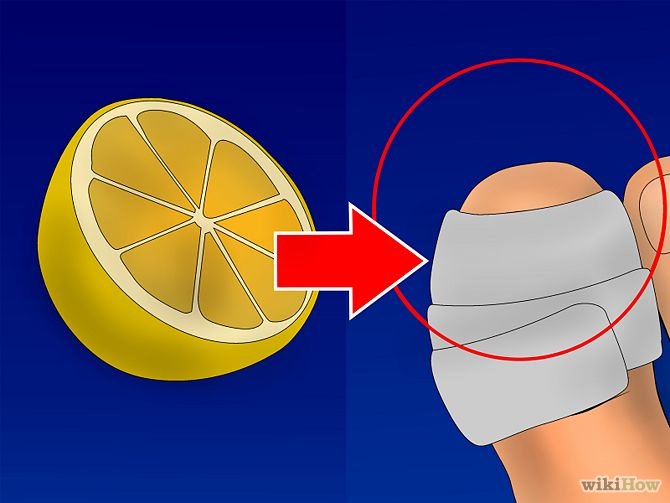
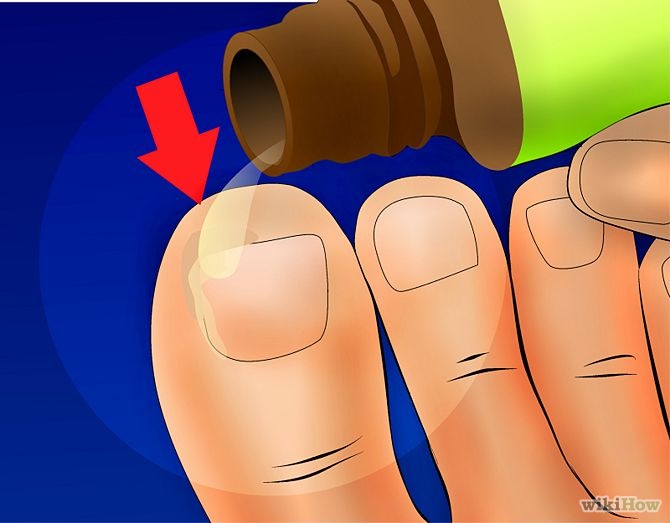
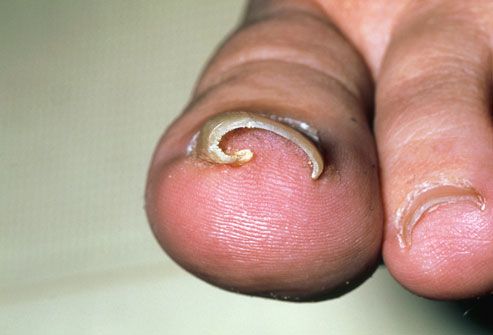
Pain on the sides of the toe can develop when a nail grows into the skin instead of above, applying pressure to the tissue surrounding it and penetrating the skin. You will probably suffer from ingrown toenails if you wear shoes that are too tight.
How to solve the problem
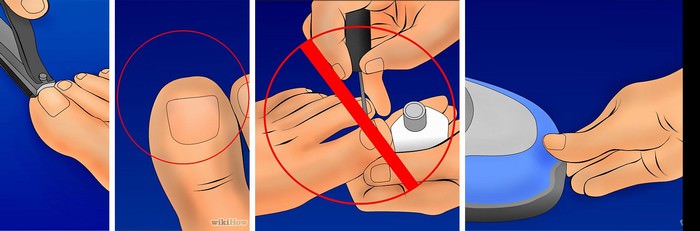
First, buy shoes which leave enough wiggle room for your toes- you may even need walking shoes that are a half size bigger because the foot tends to swell during exercise. Use a dedicated nail clipper for the toes and cut the nail in a straight line without rounding the corners. If you have diabetes or another disease that affects your blood circulation, it is strongly recommended that you go to a podiatrist to treat the ingrown nail.
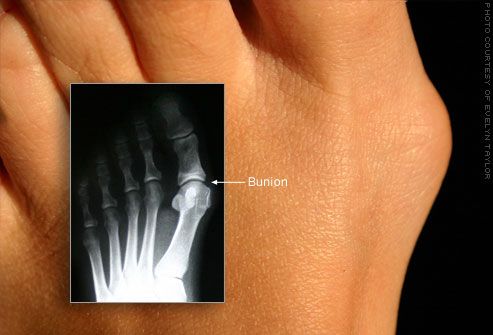
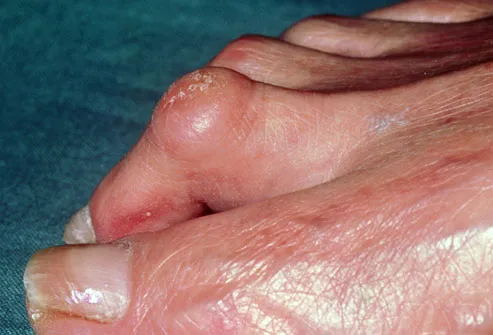
Bunions develop when a bone joint on the side of the foot changes position and creates swelling and pain. Walking in such situations is especially painful if you suffer from hemophilia, and people with arthritis are at a higher risk of developing bunions.
How to solve the problem
"Keep your shoes as wide as possible, especially in the big toe area," said a podiatrist , who also said: "Cooling the area with ice for 20 minutes after walking can dull the pain but not completely eliminate it. And in extreme cases, surgery should be considered to address the problem.
The Achilles tendon connects the calf to the heel, and it can become inflamed after too much walking, especially if you don’t prep your body beforehand. Frequent stretching of the foot while walking uphill, descending, or walking on non-smooth terrain may strain this tendon and cause pain.
How to solve the problem
If your case is easy, consider changing your walking regimen. "Avoid going up or downhill because it strains and weakens the Achilles tendon," suggests a therapist. In addition, regular stretching of the Achilles tendon can prevent inflammation, according to a professor of physiotherapy.
In extreme cases, it is recommended to stop walking and cool the area with ice 3-4 times a day to reduce inflammation and pain. If they disappear but return when walking again, be sure to only walk in areas with flat surfaces and for short distances.
Neuroma occurs when the tissue surrounding the nerves at the base of the big toes becomes thicker, resulting in a feeling of lethargy or pain that affects the surrounding areas as well. Many people report feeling like they are walking on small balls. When the pain is felt between the toes it will usually be between the third and fourth toe, and this pain is 10 times more common in women than in men, probably because the structure of the foot is different and narrower along with the use of high heels or shoes which are completely flat. Walking in these shoes exacerbates the pain.
How to solve the problem
The treatments range from wearing wider shoes to surgery, depending on the severity of the neuroma. It is recommended that you consult a podiatrist if you feel such pain, as the condition can get worse quickly. If you are a woman, avoid wearing high heels, and for both men and women, shock-resistant insoles can help.
If you feel that a particular area of the foot or lower part of your leg is too sensitive or painful, it may be a stress fracture, which is a small crack created in the bone. This fracture occurs when the muscles experience too much pressure which is passed on to the bone, and with time this pressure causes a fracture. This is especially true for people with high foot arches or people with flat foot, and women tend to suffer more because their bone density does not always allow for effective shock suppression.
How to solve the problem
Take a rest and let your foot heal for several weeks. "You should avoid putting additional pressure on the bone," says a physiotherapist. You should do swimming exercises instead of walking during this time, and when you return to your normal training regimen, stop the moment you feel the slightest discomfort.
"If you walk a mile and experience the pain symptoms again, slow your pace and reduce your walking distance for several weeks," says a Physical Therapist, and make sure your shoes are shock absorbent and are not worn out. To avoid the problem permanently, tighten the calf muscles by weight training and consuming calcium-rich foods.
Your calves carry more than six times your weight during physical training in general, so walking or running can cause problems in your muscles and surrounding tissues and lead to inflammation. "It's created when strong calve muscles pull with them nearby weak muscles, and mostly because of uphill walking," says an orthopedic surgeon. And in extreme cases it can lead to a fracture of the tibia bone.
How to solve the problem
Avoid prolonged walking and walking exercises for 3 to 8 weeks to give the tissues time to heal. "If it hurts to walk, just avoid it," says a sports specialist. Some may need an anti-inflammatory drug, and it is recommended to ice the area several times a day to reduce swelling and pain. Instead of walking, you can swim or cycle, and later, once you’ve recovered, you must take care to strengthen the muscles at the front of the calf.
You can strengthen the front muscle of the calves with the following exercise: While standing, lift your toes towards your calves 20 times – repeat for 3 sets several times a week. Once you are ready to walk again, choose a dirt road or walk for a maximum of 20 minutes at a moderate pace. Increase the distance and speed of walking each week. "If pain returns, rest for a day or two, and when you return to practice reduce the distance and speed of your walk," says the therapist.
1. Plantar fasciitis
The sensation: Sensitivity in the heel or foot area.Plantar Fasciitis tissue connects the bones of the foot and wraps it. When this tissue is worn out, small tears begin to form that cause it to harden - this hardening is the cause of the pain. "People who practice walking can erode the Plantar Fasciitis tissue every time their feet hit the hard pavement," says a physiotherapist.
The higher the arches of the foot, the more likely you are to suffer from Plantar Fasciitis, and a clear sign that it is the cause of your pain in the heel or foot in the morning - because the Plantar Fasciitis tissue hardens even more during the night. If not treated, it can cause calcium retention in the area, causing more severe pain.
How to solve the problem
Once you feel stiffness in the inner tissues of the foot, release the area with stretching; sit on the floor, straighten the healthy leg and place the opposite leg on your thigh. Pull your toes up with your hand until you feel a stretch in the arch of the foot. Do this stretch for 10 seconds, then stand on the painful foot and roll it over a tennis ball or water bottle.
To reduce the pain further, choose non-flexible mid sole walking shoes. "The shoes should be flexible in the heel area but support the arch well," says a podiatrist. In addition, when walking, choose relatively flat and soft surfaces, such as a dirt path, and avoid sidewalks or sand that is too soft.
2. Ingrown Toenail
The sensation: Pain and swelling on the sides of the toe.Pain on the sides of the toe can develop when a nail grows into the skin instead of above, applying pressure to the tissue surrounding it and penetrating the skin. You will probably suffer from ingrown toenails if you wear shoes that are too tight.
How to solve the problem
First, buy shoes which leave enough wiggle room for your toes- you may even need walking shoes that are a half size bigger because the foot tends to swell during exercise. Use a dedicated nail clipper for the toes and cut the nail in a straight line without rounding the corners. If you have diabetes or another disease that affects your blood circulation, it is strongly recommended that you go to a podiatrist to treat the ingrown nail.

3. Bunions
The sensation: Pain on the side of the foot, under the toe.Bunions develop when a bone joint on the side of the foot changes position and creates swelling and pain. Walking in such situations is especially painful if you suffer from hemophilia, and people with arthritis are at a higher risk of developing bunions.
How to solve the problem
"Keep your shoes as wide as possible, especially in the big toe area," said a podiatrist , who also said: "Cooling the area with ice for 20 minutes after walking can dull the pain but not completely eliminate it. And in extreme cases, surgery should be considered to address the problem.
4. Achilles tendonitis
The sensation: Pain in the back of the heel and lower part of the calf.The Achilles tendon connects the calf to the heel, and it can become inflamed after too much walking, especially if you don’t prep your body beforehand. Frequent stretching of the foot while walking uphill, descending, or walking on non-smooth terrain may strain this tendon and cause pain.
How to solve the problem
If your case is easy, consider changing your walking regimen. "Avoid going up or downhill because it strains and weakens the Achilles tendon," suggests a therapist. In addition, regular stretching of the Achilles tendon can prevent inflammation, according to a professor of physiotherapy.
In extreme cases, it is recommended to stop walking and cool the area with ice 3-4 times a day to reduce inflammation and pain. If they disappear but return when walking again, be sure to only walk in areas with flat surfaces and for short distances.

5. Neuroma
The sensation: Pain in the foot or between the toes.Neuroma occurs when the tissue surrounding the nerves at the base of the big toes becomes thicker, resulting in a feeling of lethargy or pain that affects the surrounding areas as well. Many people report feeling like they are walking on small balls. When the pain is felt between the toes it will usually be between the third and fourth toe, and this pain is 10 times more common in women than in men, probably because the structure of the foot is different and narrower along with the use of high heels or shoes which are completely flat. Walking in these shoes exacerbates the pain.
How to solve the problem
The treatments range from wearing wider shoes to surgery, depending on the severity of the neuroma. It is recommended that you consult a podiatrist if you feel such pain, as the condition can get worse quickly. If you are a woman, avoid wearing high heels, and for both men and women, shock-resistant insoles can help.
6. Stress fracture
The sensation: Strong pain in the foot or lower area of the legIf you feel that a particular area of the foot or lower part of your leg is too sensitive or painful, it may be a stress fracture, which is a small crack created in the bone. This fracture occurs when the muscles experience too much pressure which is passed on to the bone, and with time this pressure causes a fracture. This is especially true for people with high foot arches or people with flat foot, and women tend to suffer more because their bone density does not always allow for effective shock suppression.
How to solve the problem
Take a rest and let your foot heal for several weeks. "You should avoid putting additional pressure on the bone," says a physiotherapist. You should do swimming exercises instead of walking during this time, and when you return to your normal training regimen, stop the moment you feel the slightest discomfort.
"If you walk a mile and experience the pain symptoms again, slow your pace and reduce your walking distance for several weeks," says a Physical Therapist, and make sure your shoes are shock absorbent and are not worn out. To avoid the problem permanently, tighten the calf muscles by weight training and consuming calcium-rich foods.

7. Shin Splints
The sensation: Hard and painful calvesYour calves carry more than six times your weight during physical training in general, so walking or running can cause problems in your muscles and surrounding tissues and lead to inflammation. "It's created when strong calve muscles pull with them nearby weak muscles, and mostly because of uphill walking," says an orthopedic surgeon. And in extreme cases it can lead to a fracture of the tibia bone.
How to solve the problem
Avoid prolonged walking and walking exercises for 3 to 8 weeks to give the tissues time to heal. "If it hurts to walk, just avoid it," says a sports specialist. Some may need an anti-inflammatory drug, and it is recommended to ice the area several times a day to reduce swelling and pain. Instead of walking, you can swim or cycle, and later, once you’ve recovered, you must take care to strengthen the muscles at the front of the calf.
You can strengthen the front muscle of the calves with the following exercise: While standing, lift your toes towards your calves 20 times – repeat for 3 sets several times a week. Once you are ready to walk again, choose a dirt road or walk for a maximum of 20 minutes at a moderate pace. Increase the distance and speed of walking each week. "If pain returns, rest for a day or two, and when you return to practice reduce the distance and speed of your walk," says the therapist.
Labels: Achilles tendonitis, bunions, calcium retention, diabetes, hardens, heel/ foot, ingrown toe nail, neuroma, plantar fasciitis, sensitivity, shin splints, stress fracture, stretching, tissue tear, walking
posted by G S Iyer at 4:23 AM
0 comments