Monday, April 08, 2024

Most Common Foot Issues We Suffer as We Get Older

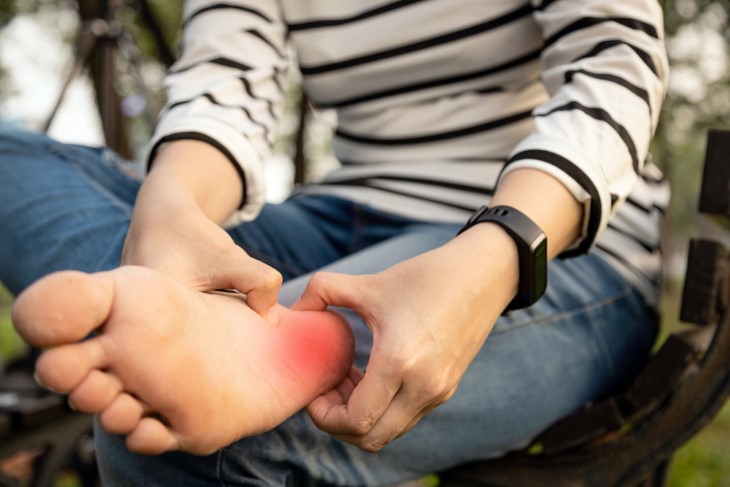
 Exploring the intricate landscape of aging, one often encounters the paradox of weight gain juxtaposed with the loss of vital cushioning in unexpected places, notably the feet. This contradiction is not just a matter of esthetics or discomfort but can significantly affect daily life and mobility. The fat pad atrophy that occurs in our feet as we age robs us of essential padding, leading to pain and vulnerability in the ball of the foot and heel. Solutions range from cushioned footwear to custom-made orthotics and, in some cases, medical interventions like filler injections.


Fat Pad Atrophy 
 
Aging brings about a curious contradiction where the body accumulates fat in numerous areas yet loses it where it's most needed—underneath our feet. This reduction in the protective fat pad, especially prevalent in the heel and ball of the foot, exposes the bones to greater impact with each step, leading to discomfort and increased vulnerability to injury. Countermeasures include the use of specially designed cushioned footwear or orthotics, which aim to replicate the lost padding and mitigate discomfort. In more severe cases, medical interventions such as injections of fillers can offer relief by artificially enhancing the cushioning of the foot.


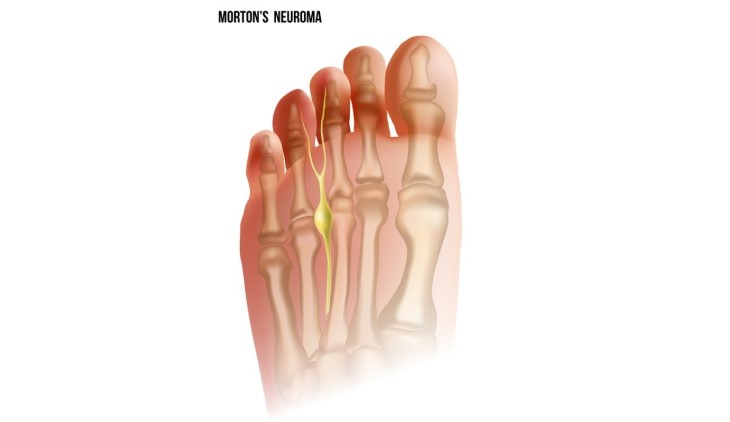
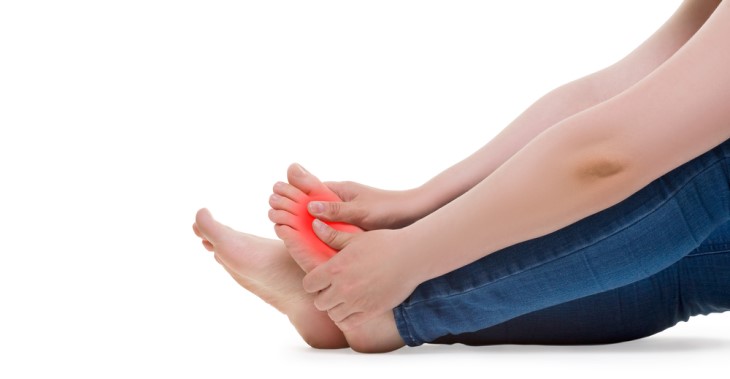
Morton's Neuroma  
Morton's Neuroma typically arises from the thickening of tissue around the nerves leading to the toes, producing a sensation akin to stepping on a pebble that isn't there. The condition frequently afflicts those who wear high heels or tight shoes, emphasizing the importance of footwear that provides ample space for the toes to move freely. Treatment strategies focus on relieving the pressure on the nerves, ranging from the simple switch to more accommodating shoes, to the use of pads within the shoe, and in cases where discomfort persists, medical options such as steroid injections or surgical intervention may be considered.

Skin Changes and Heel Issues 
As the skin ages, it produces less oil and elastin, making it drier and less elastic. This condition is particularly troublesome for the heels, where dry, cracked skin can become painful and even lead to infection. Management involves a regimen of deep moisturizing with creams that contain exfoliating agents, regular removal of dead skin with a pumice stone, and the daily application of moisturizers. In instances where over-the-counter solutions fail to provide relief, prescription-strength ointments may be necessary. 
 
Plantar Fasciitis
 plantar fasciitis
Plantar fasciitis, a common source of heel pain, results from inflammation of the plantar fascia, the ligament that stretches across the bottom of the foot. This condition often stems from overuse or excessive pressure on the foot, particularly in individuals with high arches or excess weight. Treatment focuses on alleviating the inflammation and supporting the foot to prevent further strain, incorporating rest, ice, over-the-counter pain relievers, and stretching exercises designed to strengthen the calf muscles and reduce tension on the plantar fascia. plantar fasciitis


Ingrown Toenails 
Ingrown toenails occur when the edge of a toenail grows into the surrounding skin, causing pain, swelling, and potentially leading to infection. Factors such as improper nail trimming, tight footwear, and conditions like diabetes can increase the risk. Preventative measures include proper foot hygiene, appropriate nail cutting techniques, and wearing shoes with sufficient room for the toes. In more severe cases, removal of part of the nail by a healthcare professional may be necessary to alleviate the condition.


Osteoarthritis  
Osteoarthritis in the feet is a testament to a lifetime of use, where the gradual breakdown of cartilage leads to pain and stiffness in the joints. This degenerative condition is more common in individuals over the age of 65 and can significantly impact mobility and quality of life. Management strategies include physical therapy to maintain joint mobility, pain relief medications, and in some cases, orthotic devices to support the foot and reduce pressure on the affected joints. 
 
 
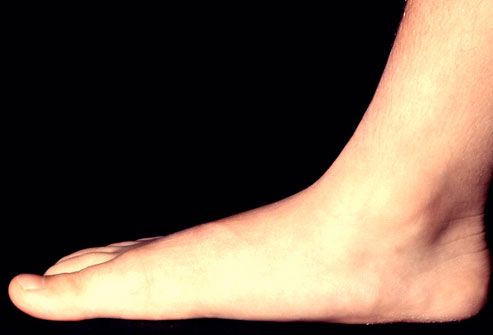
Adult-Acquired Flatfoot
Contrary to the common perception that flat feet are a condition only of childhood, adults can acquire flat feet due to factors such as injury, obesity, diabetes, and high blood pressure. This condition leads to pain and an altered gait as the tendons supporting the arch of the foot become damaged. Treatments vary from supportive orthotics that help distribute foot pressure evenly, to physical therapy, braces, or even surgery in severe cases to restore functionality. 
 
Achilles Tendon Issues 
 achilles tendon
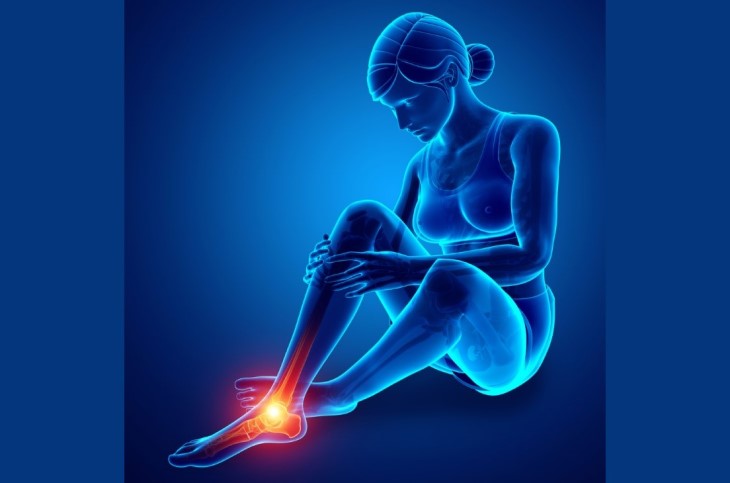
The Achilles tendon, vital for walking, climbing, and running, becomes more susceptible to injury as blood flow decreases with age. Symptoms include pain at the back of the ankle, which can escalate to significant injuries if left untreated. Early intervention with rest, ice, and anti-inflammatory medication can prevent further damage, but persistent or severe cases might require surgical repair. achilles tendon


Diabetic Foot Complications 
Diabetes can wreak havoc on foot health, leading to a range of complications from neuropathy to serious infections. The loss of sensation means injuries can go unnoticed and untreated, potentially leading to ulcers and even the necessity for amputation. Management focuses on meticulous foot care, regular monitoring for any changes or injuries, and strict blood sugar control to minimize risk. 
 
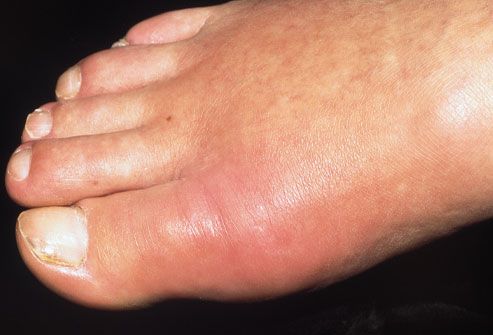
Gout and Bunions  
Gout, a form of arthritis caused by excess uric acid, and bunions, from the misalignment of the big toe, both lead to significant foot pain and can impede daily activities. Gout treatments include medication to reduce uric acid levels and lifestyle changes to avoid triggers, while bunions may require padding, modified footwear, or surgery to correct the deformity and alleviate pain. 
 
Bone Spurs and Bursitis 
Bone spurs and bursitis are conditions that can cause foot pain through abnormal growths and inflammation, respectively. Spurs result from osteoarthritis or tendon strain, while bursitis is caused by repeated motion or pressure. Both conditions benefit from conservative treatments such as ice, rest, and NSAIDs, with more severe cases possibly requiring surgical intervention.


Toe Deformities: Hammertoe and Claw Toe 
 hammertoe
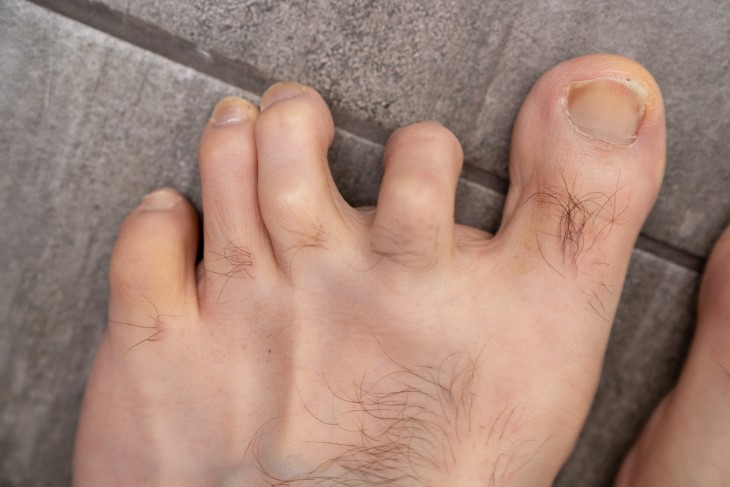
Hammertoe and claw toe deformities cause the toes to bend into abnormal positions, leading to discomfort and difficulty with footwear. These conditions can be managed with special shoes or inserts to relieve pressure, exercises to maintain flexibility, and in some cases, surgery to correct the deformity.


Stress Fractures and Fungal Infections  
The risk of stress fractures increases with age due to decreased bone density, requiring rest and possibly medication for healing. Fungal infections also become more prevalent, with treatment focusing on antifungal medications. Both conditions underscore the importance of preventive care and early treatment to maintain foot health and mobility.


This is only for your information, kindly take the advice of your doctor for medicines, exercises and so on.   

https://gscrochetdesigns.blogspot.com. one can see my crochet creations  
https://gseasyrecipes.blogspot.com. feel free to view for easy, simple and healthy recipes    
https://kneereplacement-stickclub.blogspot.com. for info on knee replacement
https://cancersupportindia.blogspot.com  for infor on cancer and health related topics
https://GSiyers home remedies.blogspot.com   is the latest addition to my blogs. I'm going to add posts there, do give me your valuable feed back on my blogs. Thanks a lot, take care, be healthy and be happy.

Labels: , , , , , , , , ,

Tuesday, October 23, 2018

9 Ways to Care for Your Feet

One of the most abused and neglected parts of the body is your feet. But there are simple ways to take care of your toes and make yourself happier and healthier. Here are nine crucial tips you should keep in mind:
 
1. You wear the same shoes every day
While it may seem like common sense to find a great, supportive pair of shoes you love, and with that, wear them nonstop, this isn't doing your feet any favors. According to foot surgeon, wearing the same shoes day in and day out which can cause foot fatigue because you are constantly using the same areas of the foot for support and walking. Keep a few pairs of comfortable shoes and rotate them throughout the week. 
2. Your shoes are too old
While breaking in new shoes may be a drag, having shoes that are too old will mess up your gait, causing pain.The Dr. says, "When shoes are old and worn out, they will tilt your feet, forcing you to strike the ground in an awkward way,” adding that, “even the slightest angle can hurt your feet and cause back and hip pain.” As a rule of thumb bear the following in mind, replace the shoes you wear daily, this includes your running shoes, every six months. For other shoes keep an eye on the soles and replace or re-sole them when you notice that the support is getting low. 
3. You wear flats to commute
While ballet flats and sneakers or flip-flops may seem like a comfortable option, they don't provide good arch support. This means that if you wear such shoes on your walk to work Monday through Friday you are putting your feet at risk for bunions, hammertoes, and a collapsed arch.
4. Your toenails are cut funnily
If your toenails are cut too short or they are rounded it can result in ingrown nails. The nail starts to grow into the skin causing discomfort. Shoes can also irritate the situation more by rubbing or squeezing the feet together. The best option would be to make sure that the nails are cut straight as this would avoid the development of any ingrown nails. 
5. You run in tennis shoes (or play tennis in running shoes)
Gym sneakers are not a one-size-fits-all solution when it comes to exercising and sports. The Dr. says “There is a lot of technology that goes into the design of sneakers,” adding that “Each activity has specific qualities necessary for the correct shoe. For example, running and walking shoes are made for straight-ahead motion, while basketball and tennis shoes are made for side-to-side movements.”
6. You always carry your bag on the same side
Do you constantly carry a briefcase or heavy purse on one side? Then you are likely creating a shift in weight that causes tendinitis, as well as neck and back pain. So be sure to alternate the side you carry things on or carry two smaller bags to help distribute the weight more evenly. 
7. You ignore dry or scaly patches
If you have dry skin on the bottom of your feet it may eventually lead to skin fissures. But over time they may worsen or could lead to infection. A great way to go about it is to use a pumice stone in the shower and to regularly moisturize to keep your feet healthy. If your feet are scaly then you may have a fungal infection. In which case, the best way to get rid of scales is with antifungal cream. 
8. You exercise in bare feet too much
While there are times where working out with no shoes can't be avoided, such as yoga and Pilates, make sure that you have enough variety in your routine. Dr. says “People who do the same barefoot workout several times a week may experience tendon pain, heel pain, and even joint pain.” To save yourself from more pain, make sure you incorporate a mix of sneaker-wearing workouts and low-impact barefoot exercises. 
9. You don’t wear slippers at home
“We underestimate how much time we spend at home with no shoes on,” says  the Dr.  “Especially for people who have hardwood floors, marble, or tile, there is nothing between the floor and your feet. Over time, the natural fat pad on the bottom of your feet wears down, leaving you later in life feeling as if your foot is just skin and bones.” The Dr. recommends you try an orthopedic slipper for foot support at home.

THIS IS ONLY FOR INFORMATION, ALWAYS CONSULT YOU PHYSICIAN BEFORE HAVING ANY PARTICULAR FOOD/ MEDICATION/EXERCISE/OTHER REMEDIES.                                                                                                                                                                                                                                            PS- THOSE INTERESTED IN RECIPES ARE FREE TO  VIEW MY BLOG-                                                                                           https://gseasyrecipes.blogspot.com/   

  FOR INFO ABOUT KNEE REPLACEMENT, YOU CAN VIEW MY BLOG-                                                                                                                                https:// kneereplacement-stickclub.blogspot.com/                              

FOR CROCHET DESIGNS                                                                                                                                                                                                                                 https://gscrochetdesigns.blogspot.com
 

Labels: , , , , , , , , , , , , ,

Wednesday, October 21, 2015

Common Foot Problems And Solutions

  THIS IS ONLY FOR INFORMATION, ALWAYS CONSULT YOU PHYSICIAN BEFORE HAVING ANY PARTICULAR FOOD/ MEDICATION/EXERCISE/OTHER REMEDIES.

FOR INFO ABOUT KNEE REPLACEMENT, YOU CAN VIEW MY BLOG
HTTP://KNEE REPLACEMENT-STICK CLUB.BLOGSPOT.COM/

FOR CROCHET DESIGNS- http://My Crochet Creations.blogspot.com/


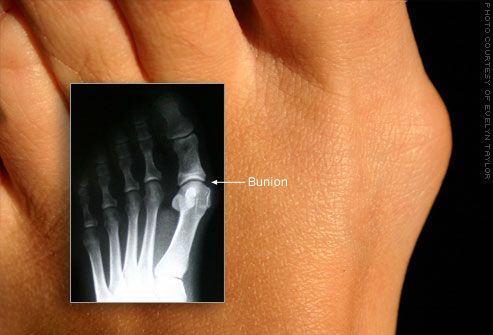
Bunion

This bony bump at the base of the big toe causes that toe to veer toward the others. It throws foot bones out of alignment and can be painful due to pressure or arthritis. It might also lead to corns. Pain relievers, pads to cushion the bunion, custom shoe inserts, or surgery may help. You could also wear roomy shoes and avoid high heels.

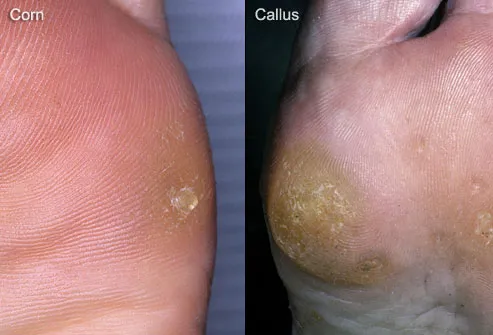
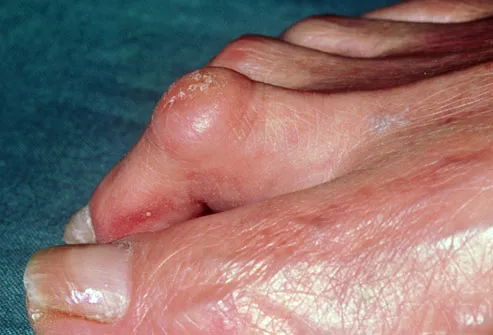
Corns and Calluses

Friction or pressure causes these thick, hard, dead areas of skin. Corns look cone-shaped and point into the skin, usually forming on pressure points from poorly fitted shoes or a bone spur. Calluses tend to spread out more and can appear anywhere something rubs on your skin. Moleskin pads can help relieve a corn. Your doctor can trim calluses or correct them with surgery. You can also wear patches with medication that can remove calluses.

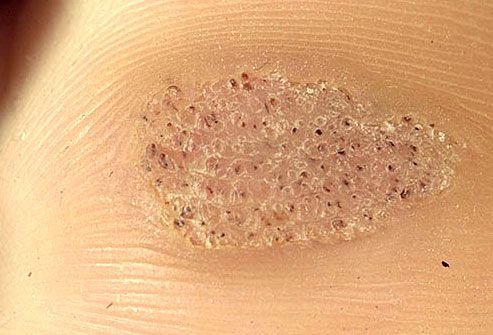
 Plantar Warts
These tough growths form on the soles of the feet. You get them when a virus enters your body through broken skin. They can spread through skin-to-skin contact or on surfaces in places like public pools and showers. The warts are harmless, so you don't have to treat them. In many cases they're too painful to ignore, though. You can apply salicylic acid to help get rid of them. But burning, freezing, laser therapy, and surgery to remove them work best for more severe cases.

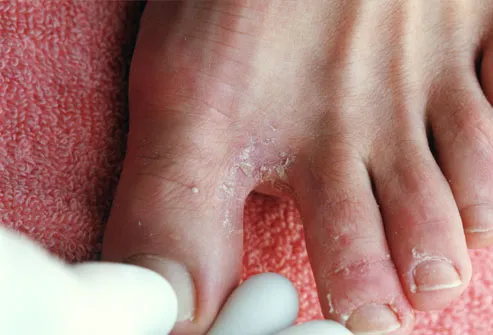
Athlete's Foot

This fungal infection can cause peeling, redness, itching, burning, and sometimes blisters and sores. It's mildly contagious, spreading to others by direct contact or by walking barefoot in places like locker rooms or near pools. The fungi then grow in shoes, especially tight ones without air flow. Treatments usually include fungus-fighting lotions, or pills for more severe cases.

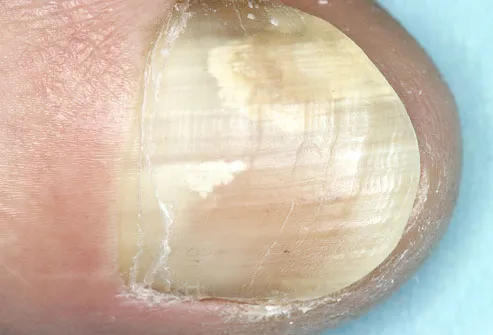
Fungal Nail Infection

Tiny fungi can get inside your nail through a crack or break, causing an infection that can make nails thick, discolored, and brittle. The fungus, which thrives in warm, wet places, can spread to people who swim a lot or who have sweaty feet. An infection won't go away on its own, and it can be hard to treat. Creams you put on your nail may help mild cases. Antifungal pills or surgery to remove the nail offer the best chance of clearing up a severe infection.

Hammertoe

When toe muscles around the joints get out of balance, they can cause painful problems. Hammertoe generally makes the second, third, or fourth toes bend downward at the middle joint. The condition sometimes runs in families. Other risks include tight footwear or an old injury to a toe. Well-fitted shoes with the right amount of space in the toe box, shoe supports, and surgery may offer relief.

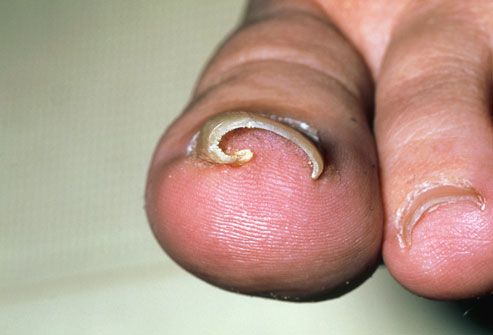
Ingrown Toenail

It's just how it sounds -- a toenail that has grown into the skin. The problem can cause pain, redness, swelling, and infection. You can get them from cutting your nails too short or not straight across, injuring a toenail, and wearing tight shoes. For mild cases, soak your foot in warm water, keep it clean, and wedge a small piece of cotton under the corner of the ingrown nail to lift it off the skin. Minor surgery can remove all or part of the nail.

Flatfoot

You have this condition when your sole makes complete or near-complete contact with the ground. You can get it after an injury or because of a health problem, such as rheumatoid arthritis. Most people don't have symptoms, although weight gain, ill-fitting shoes, or standing a lot may cause pain in your feet and legs. Foot-strengthening exercises and shoes with good arch support or orthotics can help.

Labels: , , , , , , , , ,

Monday, January 05, 2015

Common foot problems

Photo of bunion with inset X-ray image

Bunion

A bony bump at the base of the big toe, a bunion causes that toe to deviate toward the others. Throwing foot bones out of alignment and producing the characteristic bump at the joint's base, a bunion can be very painful due to pressure or arthritis, and may also lead to corns. Pain relievers, pads to cushion the bunion, custom shoe inserts, or surgery may help, as will wearing roomy shoes and avoiding high heels.


Side-by-side composite of corn and callus on foot

Labels: , , , , , , , , , , , , , , ,