Monday, April 08, 2024

Most Common Foot Issues We Suffer as We Get Older

 Exploring the intricate landscape of aging, one often encounters the paradox of weight gain juxtaposed with the loss of vital cushioning in unexpected places, notably the feet. This contradiction is not just a matter of esthetics or discomfort but can significantly affect daily life and mobility. The fat pad atrophy that occurs in our feet as we age robs us of essential padding, leading to pain and vulnerability in the ball of the foot and heel. Solutions range from cushioned footwear to custom-made orthotics and, in some cases, medical interventions like filler injections.


Fat Pad Atrophy 
 
Aging brings about a curious contradiction where the body accumulates fat in numerous areas yet loses it where it's most needed—underneath our feet. This reduction in the protective fat pad, especially prevalent in the heel and ball of the foot, exposes the bones to greater impact with each step, leading to discomfort and increased vulnerability to injury. Countermeasures include the use of specially designed cushioned footwear or orthotics, which aim to replicate the lost padding and mitigate discomfort. In more severe cases, medical interventions such as injections of fillers can offer relief by artificially enhancing the cushioning of the foot.


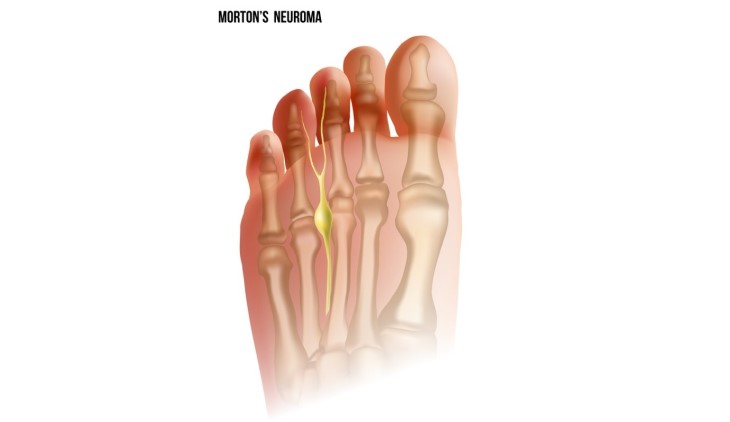
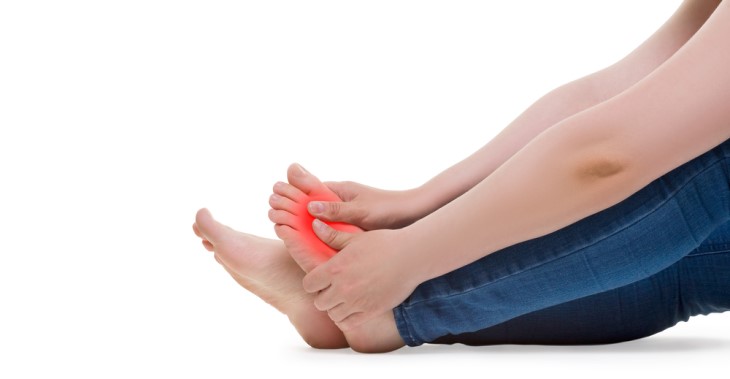
Morton's Neuroma  
Morton's Neuroma typically arises from the thickening of tissue around the nerves leading to the toes, producing a sensation akin to stepping on a pebble that isn't there. The condition frequently afflicts those who wear high heels or tight shoes, emphasizing the importance of footwear that provides ample space for the toes to move freely. Treatment strategies focus on relieving the pressure on the nerves, ranging from the simple switch to more accommodating shoes, to the use of pads within the shoe, and in cases where discomfort persists, medical options such as steroid injections or surgical intervention may be considered.

Skin Changes and Heel Issues 
As the skin ages, it produces less oil and elastin, making it drier and less elastic. This condition is particularly troublesome for the heels, where dry, cracked skin can become painful and even lead to infection. Management involves a regimen of deep moisturizing with creams that contain exfoliating agents, regular removal of dead skin with a pumice stone, and the daily application of moisturizers. In instances where over-the-counter solutions fail to provide relief, prescription-strength ointments may be necessary. 
 
Plantar Fasciitis
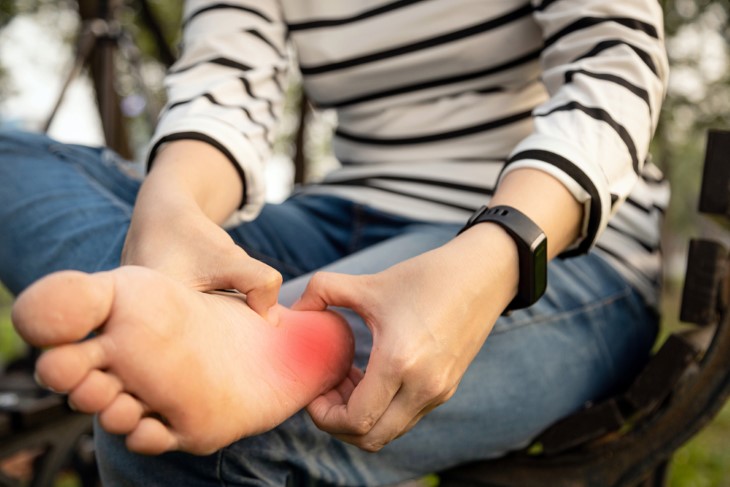
 plantar fasciitis
Plantar fasciitis, a common source of heel pain, results from inflammation of the plantar fascia, the ligament that stretches across the bottom of the foot. This condition often stems from overuse or excessive pressure on the foot, particularly in individuals with high arches or excess weight. Treatment focuses on alleviating the inflammation and supporting the foot to prevent further strain, incorporating rest, ice, over-the-counter pain relievers, and stretching exercises designed to strengthen the calf muscles and reduce tension on the plantar fascia. plantar fasciitis


Ingrown Toenails 
Ingrown toenails occur when the edge of a toenail grows into the surrounding skin, causing pain, swelling, and potentially leading to infection. Factors such as improper nail trimming, tight footwear, and conditions like diabetes can increase the risk. Preventative measures include proper foot hygiene, appropriate nail cutting techniques, and wearing shoes with sufficient room for the toes. In more severe cases, removal of part of the nail by a healthcare professional may be necessary to alleviate the condition.


Osteoarthritis  
Osteoarthritis in the feet is a testament to a lifetime of use, where the gradual breakdown of cartilage leads to pain and stiffness in the joints. This degenerative condition is more common in individuals over the age of 65 and can significantly impact mobility and quality of life. Management strategies include physical therapy to maintain joint mobility, pain relief medications, and in some cases, orthotic devices to support the foot and reduce pressure on the affected joints. 
 
 
Adult-Acquired Flatfoot
Contrary to the common perception that flat feet are a condition only of childhood, adults can acquire flat feet due to factors such as injury, obesity, diabetes, and high blood pressure. This condition leads to pain and an altered gait as the tendons supporting the arch of the foot become damaged. Treatments vary from supportive orthotics that help distribute foot pressure evenly, to physical therapy, braces, or even surgery in severe cases to restore functionality. 
 
Achilles Tendon Issues 
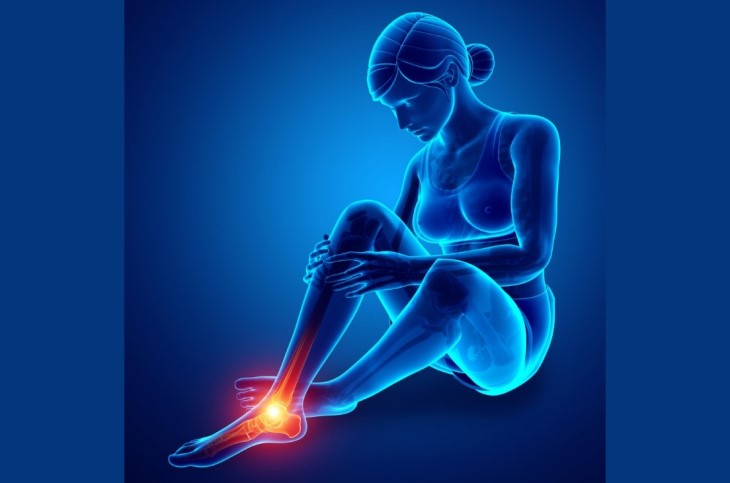
 achilles tendon
The Achilles tendon, vital for walking, climbing, and running, becomes more susceptible to injury as blood flow decreases with age. Symptoms include pain at the back of the ankle, which can escalate to significant injuries if left untreated. Early intervention with rest, ice, and anti-inflammatory medication can prevent further damage, but persistent or severe cases might require surgical repair. achilles tendon


Diabetic Foot Complications 
Diabetes can wreak havoc on foot health, leading to a range of complications from neuropathy to serious infections. The loss of sensation means injuries can go unnoticed and untreated, potentially leading to ulcers and even the necessity for amputation. Management focuses on meticulous foot care, regular monitoring for any changes or injuries, and strict blood sugar control to minimize risk. 
 
Gout and Bunions  
Gout, a form of arthritis caused by excess uric acid, and bunions, from the misalignment of the big toe, both lead to significant foot pain and can impede daily activities. Gout treatments include medication to reduce uric acid levels and lifestyle changes to avoid triggers, while bunions may require padding, modified footwear, or surgery to correct the deformity and alleviate pain. 
 
Bone Spurs and Bursitis 
Bone spurs and bursitis are conditions that can cause foot pain through abnormal growths and inflammation, respectively. Spurs result from osteoarthritis or tendon strain, while bursitis is caused by repeated motion or pressure. Both conditions benefit from conservative treatments such as ice, rest, and NSAIDs, with more severe cases possibly requiring surgical intervention.


Toe Deformities: Hammertoe and Claw Toe 
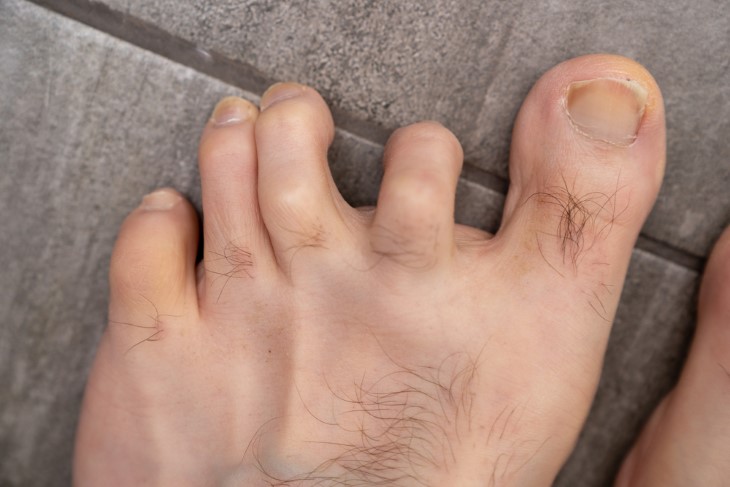
 hammertoe
Hammertoe and claw toe deformities cause the toes to bend into abnormal positions, leading to discomfort and difficulty with footwear. These conditions can be managed with special shoes or inserts to relieve pressure, exercises to maintain flexibility, and in some cases, surgery to correct the deformity.


Stress Fractures and Fungal Infections  
The risk of stress fractures increases with age due to decreased bone density, requiring rest and possibly medication for healing. Fungal infections also become more prevalent, with treatment focusing on antifungal medications. Both conditions underscore the importance of preventive care and early treatment to maintain foot health and mobility.


This is only for your information, kindly take the advice of your doctor for medicines, exercises and so on.   

https://gscrochetdesigns.blogspot.com. one can see my crochet creations  
https://gseasyrecipes.blogspot.com. feel free to view for easy, simple and healthy recipes    
https://kneereplacement-stickclub.blogspot.com. for info on knee replacement
https://cancersupportindia.blogspot.com  for infor on cancer and health related topics
https://GSiyers home remedies.blogspot.com   is the latest addition to my blogs. I'm going to add posts there, do give me your valuable feed back on my blogs. Thanks a lot, take care, be healthy and be happy.
Labels: , , , , , , , , ,

Wednesday, December 14, 2016

WHAT IS THE RELATION BETWEEN FEET AND HEALTH?

Cold Feet
If your toes are always cold, one reason could be poor blood flow -- a circulatory problem sometimes linked to smoking, high blood pressure, or heart disease. The nerve damage due to uncontrolled diabetes can also make your feet feel cold. If one has  anemia or hypothyroidism, then also it can result in cold feet. A doctor can look for any underlying problems, if any.

Foot Pain
When feet ache after a long day, you might just curse your shoes.  But pain that’s not due to high heels, but may be due to a stress fracture, a small crack in a bone. One possible cause: Exercise that was too intense, particularly high-impact sports like basketball and distance running. Also, weakened bones due to osteoporosis increases the risk.


Red, White, and Blue Toes
Raynaud’s disease can cause toes to turn white, then bluish, and then redden again and return to their natural tone. The cause is a sudden narrowing of the arteries, called vasospasms. Stress or changes in temperature can trigger vasospasms, which usually don’t lead to other health concerns. Raynaud’s may also be related to rheumatoid arthritis, Sjögren’s disease, or thyroid problems.


Heel Pain
The most common cause of heel pain is plantar fasciitis, inflammation where this long ligament attaches to the heel bone. The pain may be sharpest when you first wake up and put pressure on the foot. Arthritis, excessive exercise, and poorly fitting shoes also can cause heel pain, as can tendonitis. Less common causes include a bone spur on the bottom of the heel, a bone infection, tumor, or fracture.


Dragging Your Feet
The cause may be the slow loss of normal sensation in your feet, brought on by peripheral nerve damage. About 30% of these cases are linked to diabetes. Nerve damage also can be due to infection, vitamin deficiency, and alcoholism. In many cases, no one knows what caused the nerve damage. Other possible causes for foot dragging include problems with the brain, spinal cord, or muscles.


Clubbed Toes
At times, clubbed toes is genetic and without any other known cause. In clubbing, the shape of the toes (and often the fingers) changes. The nails are more rounded on top and curve downward. Lung disease is the most common underlying cause, but it also can be caused by heart disease, liver and digestive disorders, or certain infections.


Swollen Feet
Normally after long flights or standing for long hours, feet swelling is common, so too for pregnant women. Otherwise feet that stay swollen can be a sign of a serious medical condition. The cause may be poor circulation, a problem with the lymphatic system, or a blood clot. A kidney disorder or underactive thyroid can also cause swelling. If you have persistent swelling of your feet, see a physician.


Burning Feet
A burning sensation in the feet is common among diabetics with peripheral nerve damage. It can also be caused by a vitamin B deficiency, athlete’s foot, chronic kidney disease, poor circulation in the legs and feet (peripheral arterial disease), or hypothyroidism. Or, even when you've L4-L5 prolapsed disc problem it can happen, as I had that problem, which went away after my disc surgery !


Pain in  Big Toe
Gout is known to cause sudden pain in the big toe joint, along with redness and swelling . Osteoarthritis also causes pain and swelling. If the joint is rigid, it may be hallux rigidus, a complication of arthritis where a bone spur develops. Finally, turf toe is an ailment of athletes, particularly those who play on hard surfaces. It's caused by an injury to ligaments surrounding the joint.


Pain in the Smaller Toes
If you feel like you're walking on a marble, or if pain burns in the ball of your foot and radiates to the toes, you may have Morton’s neuroma, a thickening of tissue around a nerve, usually between the third and fourth toes. Women are more prone to it than men. It is caused by injury or too much pressure on the toes.


Itchy Feet
Itchy, scaly skin may be athlete’s foot, a common fungal infection. A reaction to chemicals or skin care products -- called contact dermatitis -- can cause itching, too, along with redness and dry patches. If the skin on itchy feet is thick and pimple-like, it may be psoriasis, an over-reaction of the immune system. Medicated creams can relieve the symptoms.


Claw Toe
This foot deformity can be caused by shoes that are tight and pinch your toes or by a disease that damages nerves, such as diabetes, alcoholism, or other neurological disorder. Your toes will be bent upward as they extend from the ball of the foot, then downward from the middle joint, resembling a claw. They may respond to stretching and exercises of the toes or you may need special shoes or even surgery.


Foot Spasms
 Overwork and muscle fatigue are common causes
of a sudden, sharp pain in the foot is the hallmark of a muscle spasm or cramp, which can last many minutes. Other causes include poor circulation, dehydration, or imbalances in potassium, magnesium, calcium, or vitamin D levels in the body. The changing hormone levels of pregnancy or thyroid disorders may play a role.  Strengthening exercises can help with muscle fatigue.Best, consult a doctor to know the cause and get proper treatment.

Dark Spot on the Foot
A melanoma, the most dangerous form of skin cancer, can develop in areas that are not regularly exposed to the sun. Melanoma can even appear beneath the nail, where it might look like a black spot. So, even if one is not a diabetic, it is always good to check your toes and feet regularly.


Yellow Toenails
A fungal infection often causes thickened yellow toenails. Thick, yellow nails also can be a sign of an underlying disease, including lymphedema (swelling related to the lymphatic system), lung problems, psoriasis, or rheumatoid arthritis.Consult your doctor to rule out the various causes.


White Nails
Injury to the nail or illness anywhere in the body can cause white areas in the nails. If part or all of a nail separates from the nail bed , it can appear white -- and may be due to an injury, nail infection, or psoriasis. If the nail is intact and most of it is white, it can sometimes be a sign of a more serious condition including liver disease, congestive heart failure, or kidney disease. Talk with your physician to rule out the various causes.


this is only for your information, kindly take the advice of your doctor for medicines, exercises and so on.

https://gscrochetdesigns.blogspot.com. one can see my crochet creations
https://gseasyrecipes.blogspot.com. feel free to view for easy, simple and healthy recipes 
https://kneereplacement-stickclub.blogspot.com. for info on knee replacement

Labels: , , , , , , , , , , , , , , ,