Wednesday, November 12, 2025

8 Things We All Get Wrong About Arthritis and Joint Pain

Have you ever heard that arthritis is a normal sign of aging or that it worsens with the rise of humidity? Both of these so-called “facts” are untrue. Unfortunately, there’s a lot of misinformation around joint pain and arthritis. Some of this misleading information is extremely harmful to those who suffer from the condition. For this reason, we’ve collected a list of 8 such common arthritis and joint pain myths and the real facts behind them.

1. All joint pain is arthritis
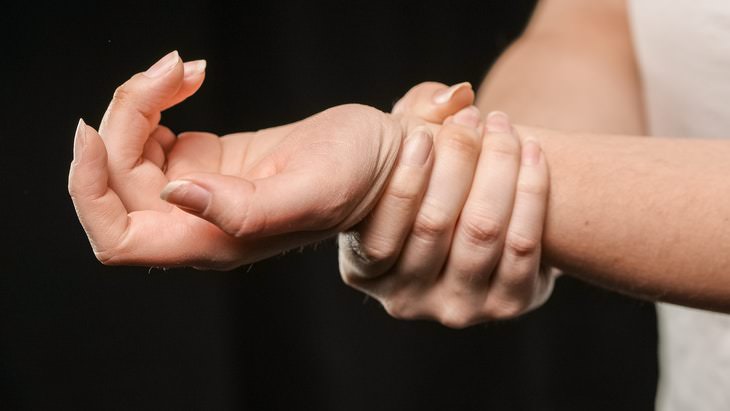
Arthritis and Joint Pain Myths wrist pain 

Joint pain and arthritis are often used interchangeably, which is a massive overstatement. In fact, the term “arthritis” itself is incredibly vague because there are as many as 50 types of arthritis, according to some classifications. But even if we only take osteoarthritis and rheumatoid arthritis, the two most widespread forms of arthritis, into consideration, they are by no means the only cause of joint pain. 

Even if you experience common arthritis symptoms - joint pain, swelling, and limited joint mobility - other conditions cause them, too. Injuries, tendinitis (the inflammation or irritation of a tendon), and bursitis (the inflammation or irritation of a bursa sac) are just a few examples of such conditions. Instead of just assuming that you have arthritis when your joints start aching, it’s important to get professional guidance and be diagnosed properly.

2. Moving to a warm dry climate slows down the progression of arthritis.
Can your joints predict the rain? According to anecdotal evidence, people suffering from arthritis can feel more pain immediately before or during rain. Even though there is no hard scientific evidence to confirm this claim, there are a handful of studies suggesting that dampness or humidity could expand the inflamed joints and worsen pain and stiffness temporarily.

However, scientists don’t think that living in a warm and dry climate influences the progression of the disease and will spare you from arthritis pain. In fact, using warm and cold compresses to ease the pain probably has similar benefits. Moving out of your home and away from family to a warmer climate will probably not cure your arthritis.

3. Cracking your knuckles causes arthritis
Mothers have been telling their kids to stop cracking knuckles for what seems like millennia, all in vain. Knuckle cracking may be annoying to hear, but it’s not really harmful, and most importantly, it does not cause arthritis. That said, if you feel pain when you crack your knuckles, it could be due to an underlying problem with the joints. 
 
4. Arthritis is an older people's disease
 At the beginning of this article, we mentioned that there are as many as 50 kinds of arthritis. What we didn’t specify is that each type is associated with a specific age group. For example, there is a subtype of rheumatoid arthritis called juvenile idiopathic arthritis (JIA) that affects only kids. According to Dr. Vivian Bykerk, a rheumatologist at Hospital for Special Surgery in New York, "It can happen to 1 and 2-year-olds, it can happen to 90-year-olds and to anyone in-between."

If we look at osteoarthritis, the average age of onset is 50 years and older, which is probably where this myth comes from. However, rheumatoid arthritis cases peak in the age range of 30-50 years old, and they actually tend to become rarer as you get older. Thus, this myth is just not true.

5. Ice is more effective than heat at reducing symptoms.
When it comes to most types of joint or muscle pain, both cold compresses and heating pads are useful. Arthritis is no different, so use the method that eases your joint discomfort. Usually, doctors recommend applying heat in the morning to improve joint mobility and relax achy joints and muscles. You can either use a heating pad or a damp warm cloth on the affected area or take a warm shower and a pleasant hot bath to improve your symptoms. 

Cold compresses, on the other hand, are often used to relieve friction pain and reduce the inflammation caused by daily activities. You can either use an ice pack or a bag with ice cubes or frozen vegetables wrapped in a cloth for this purpose. 

6. You should avoid exercise and physical activity during an arthritis flareup.
 
Arthritis and Joint Pain Myths woman exercising
Many people believe that exercise will wear out their joints quicker; hence, you shouldn’t exercise if you have arthritis. As a matter of fact, only 13% of men and 8% of women suffering from knee osteoarthritis meet the minimum amount of weekly exercise. The truth is pretty much the opposite of that, which makes this specific myth really harmful.

Regular exercise is one of the most effective ways to reduce arthritis symptoms - it builds muscles around the affected joints, which strengthens and stabilizes the joints. No one says that you should run marathons, but a regular gentle routine can be really helpful.

During a flareup, you may need a few days of rest and do some light stretching in-lieu of more intensive exercises for a week or more, but even then, it’s important to introduce movement in your life every day. If your current exercise routine causes pain, you can also switch to types of activity that are not so taxing on the joints, such as swimming or riding the bike (or the stationary bike).

7. Lifestyle changes makes no difference
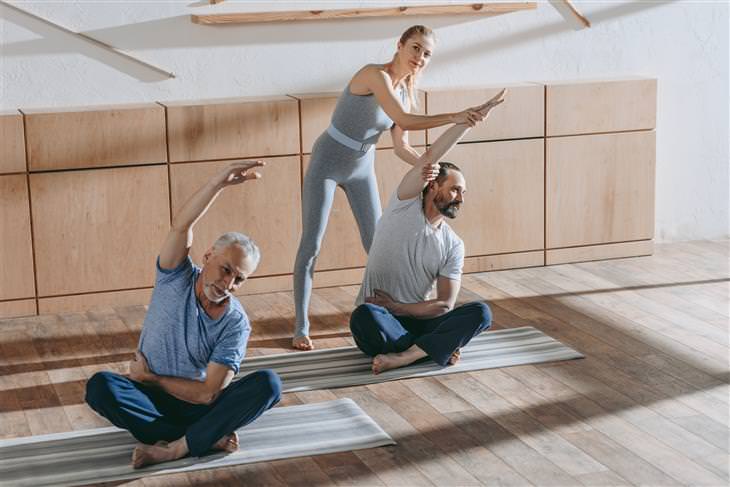
 Arthritis and Joint Pain Myths group yoga
 
This is a continuation of the previous point about exercise. Many patients are discouraged by their diagnosis and feel that surgery is the only way they can improve their joint health, which is just not true. In fact, we’ve already mentioned two ways you can curb the pain and discomfort caused by arthritis in this article - exercise and hot and cold compresses.

Beyond that, doctors recommend that you maintain a healthy weight and stop smoking if you do. Those who smoke and/or are overweight tend to have more severe versions of arthritis. Likewise, it’s helpful to avoid excessive difficult movements like kneeling and squatting, and it’s important NOT to stay in the same position, such as sitting or standing, for a long time.

8. Arthritis is inevitable and untreatable aside from surgery.
Being diagnosed with arthritis can be really depressing, especially because we often think of arthritis as an untreatable disease. In the past, patients were treated with leg elevation, bed rest, and the occasional massage or ointment, but thankfully, rheumatology has gone a long way since. While it is true that most arthritis types are still incurable, doctors do have a wide range of non-surgical treatments for arthritis.

There are conservative treatments for both osteoarthritis and rheumatoid arthritis. “Over the past 40 years, the treatment of rheumatoid arthritis has changed dramatically,” says Max Konig, MD, a rheumatologist at Johns Hopkins University School of Medicine in Baltimore to WebMD. “We now have a plethora of highly effective therapies that can not only reduce or eliminate pain, but also quench joint inflammation and prevent the development of structural bone damage, joint deformity, and disability.” Note: the specific treatment assigned to you will depend on the type of arthritis you’re suffering from and requires professional medical help. 


This is only for your information, kindly take the advice of your doctor for medicines, exercises and so on.   


Labels: , , , , , ,

Tuesday, October 23, 2018

9 Ways to Care for Your Feet

One of the most abused and neglected parts of the body is your feet. But there are simple ways to take care of your toes and make yourself happier and healthier. Here are nine crucial tips you should keep in mind:
 
1. You wear the same shoes every day
While it may seem like common sense to find a great, supportive pair of shoes you love, and with that, wear them nonstop, this isn't doing your feet any favors. According to foot surgeon, wearing the same shoes day in and day out which can cause foot fatigue because you are constantly using the same areas of the foot for support and walking. Keep a few pairs of comfortable shoes and rotate them throughout the week. 
2. Your shoes are too old
While breaking in new shoes may be a drag, having shoes that are too old will mess up your gait, causing pain.The Dr. says, "When shoes are old and worn out, they will tilt your feet, forcing you to strike the ground in an awkward way,” adding that, “even the slightest angle can hurt your feet and cause back and hip pain.” As a rule of thumb bear the following in mind, replace the shoes you wear daily, this includes your running shoes, every six months. For other shoes keep an eye on the soles and replace or re-sole them when you notice that the support is getting low. 
3. You wear flats to commute
While ballet flats and sneakers or flip-flops may seem like a comfortable option, they don't provide good arch support. This means that if you wear such shoes on your walk to work Monday through Friday you are putting your feet at risk for bunions, hammertoes, and a collapsed arch.
4. Your toenails are cut funnily
If your toenails are cut too short or they are rounded it can result in ingrown nails. The nail starts to grow into the skin causing discomfort. Shoes can also irritate the situation more by rubbing or squeezing the feet together. The best option would be to make sure that the nails are cut straight as this would avoid the development of any ingrown nails. 
5. You run in tennis shoes (or play tennis in running shoes)
Gym sneakers are not a one-size-fits-all solution when it comes to exercising and sports. The Dr. says “There is a lot of technology that goes into the design of sneakers,” adding that “Each activity has specific qualities necessary for the correct shoe. For example, running and walking shoes are made for straight-ahead motion, while basketball and tennis shoes are made for side-to-side movements.”
6. You always carry your bag on the same side
Do you constantly carry a briefcase or heavy purse on one side? Then you are likely creating a shift in weight that causes tendinitis, as well as neck and back pain. So be sure to alternate the side you carry things on or carry two smaller bags to help distribute the weight more evenly. 
7. You ignore dry or scaly patches
If you have dry skin on the bottom of your feet it may eventually lead to skin fissures. But over time they may worsen or could lead to infection. A great way to go about it is to use a pumice stone in the shower and to regularly moisturize to keep your feet healthy. If your feet are scaly then you may have a fungal infection. In which case, the best way to get rid of scales is with antifungal cream. 
8. You exercise in bare feet too much
While there are times where working out with no shoes can't be avoided, such as yoga and Pilates, make sure that you have enough variety in your routine. Dr. says “People who do the same barefoot workout several times a week may experience tendon pain, heel pain, and even joint pain.” To save yourself from more pain, make sure you incorporate a mix of sneaker-wearing workouts and low-impact barefoot exercises. 
9. You don’t wear slippers at home
“We underestimate how much time we spend at home with no shoes on,” says  the Dr.  “Especially for people who have hardwood floors, marble, or tile, there is nothing between the floor and your feet. Over time, the natural fat pad on the bottom of your feet wears down, leaving you later in life feeling as if your foot is just skin and bones.” The Dr. recommends you try an orthopedic slipper for foot support at home.

THIS IS ONLY FOR INFORMATION, ALWAYS CONSULT YOU PHYSICIAN BEFORE HAVING ANY PARTICULAR FOOD/ MEDICATION/EXERCISE/OTHER REMEDIES.                                                                                                                                                                                                                                            PS- THOSE INTERESTED IN RECIPES ARE FREE TO  VIEW MY BLOG-                                                                                           https://gseasyrecipes.blogspot.com/   

  FOR INFO ABOUT KNEE REPLACEMENT, YOU CAN VIEW MY BLOG-                                                                                                                                https:// kneereplacement-stickclub.blogspot.com/                              

FOR CROCHET DESIGNS                                                                                                                                                                                                                                 https://gscrochetdesigns.blogspot.com


Labels: , , , , , , , , , , , , ,

Tuesday, May 01, 2018

The Most Common Causes & Solutions For hand Swelling

Many of us have experienced the uncomfortable sensation of swollen hands, which can occur suddenly without warning. This nuisance may only last for a few minutes on many occasions, but on others, it can persist for much longer. But is there a reason to panic?
 
In most cases, the answer is NO. What's happening in our palms, hands and fingers reflects what is happening both inside and outside our bodies. These factors are rarely a cause for concern. However, in those few cases where there is a problem, it’s good to be able to identify it and understand whether it’s treatable at home, or if it’s time to see a doctor.
 

1. Carpal tunnel syndrome
2. Excess sodium
3. Swollen hands during exercise
4. Seasonal swelling
5.Lymphedema
6.Osteoarthritis
7. Raynaud syndrome
8. Other possible causes
1. Carpal Tunnel Syndromw
Carpal Tunnel Syndrome occurs when the median nerve is compressed as it travels through the wrist at the carpal tunnel and causes pain, numbness, and tingling in the part of the hand that receives sensation from the median nerve. This is a very common syndrome in both men and women of various ages and occurs mostly in people who engage in monotonous actions (such as office work).
If treated early on, the problem is easily remedied, but the longer it takes to diagnose and treat, the longer the healing process takes.
Home treatments require several actions:
• Icing – If you suspect that the source of the inflammation is from a repetitive action, ice your wrists twice a day for 15-20 minutes each time. Use an ice pack or a bag of frozen peas wrapped in a towel. Avoid placing the ice directly on your skin.
• Take breaks – If you keep bending your wrists and fingers repeatedly when doing computer work, sewing, or knitting, make sure you take a 5 to 10 minute break every hour and avoid straining your wrists during those breaks.
Carpal tunnel stretches – This simple exercise can help reduce the pain: touch your thumb to your pinky and then bend the 3 remaining fingers onto the “bridge” they formed. Use your other hand to push down those fingers, but don’t do it too hard. While holding the fingers down, try straightening them. You will feel the carpal tunnel getting stretched. Maintain this pose for 5 seconds and release. Perform this exercise five times a day.
• Massage – Apply hand or body lotion to your hand and use the opposite hand to gently apply pressure, while rubbing the lotion in. The massage will increase blood flow to the area and will reduce the pain. The massage should take about 5-10 minutes and be repeated twice a day.
In more severe cases, where the pain is persistent, contact your family doctor. They might recommend a steroid shot or another medical treatment.
2. Too much sodium Excess consumption of fried and salted foods may lead to swelling in the hands . The swelling appears along the fingers, from base to tip. The reason for this is that the body needs to maintain the sodium-water balance, so it compensates by retaining fluids in the hands and feet. The swelling usually goes away within a day, unless there is a lot of salt in your system. If this is a regular occurrence, try removing salt from your diet for a week and see if the issue persists.
3. Swollen Hands While Walking If you feel like your hands swell after you have been walking, then you’re not alone. This is a common phenomenon that happens as a result of changing weather conditions, body temperature changes, and an electrolyte imbalance . Electrolytes are minerals that the body needs and their levels relative to water must remain balanced to prevent tissue swelling. When we sweat – we lose electrolytes, which can cause our body to swell as a result.
Prevention:
• Remove anything that may put pressure on your fingers or arms before exercising. Avoid wearing rings, watches, and tight-sleeved shirts.
• Carry with you an item you can grab in your hands from time to time during the exercise, to encourage blood to flow to your palms. The point of this action is to improve circulation, so don’t grab the item too hard. You can use a small water bottle, a rubber ball, a cane, or any other cylindrical object that isn’t too heavy.
• Keep your arms loose by straightening your arms before you start your walk, and rotating them. Repeat a few times during the walk. Straighten your arms and, one hand at a time, do a full circle backward, with your palm facing out. Repeat this exercise 10-15 times for each hand. During your walk, stretch your hands up above your head for a few seconds from time to time.
• Keep your hands open when you walk and try to leave them as loose as possible. Bunch them into a fist from time to time for a few seconds, then open them up again, stretching the fingers as much as you can, and pretend you’re playing a piano for a few seconds.
4. Seasonal swelling
This type of swelling occurs during the summer in both your hands and feet simultaneously, and can even cause swelling in your arms and legs. While this is an unpleasant occurrence, it's also temporary. Heat causes your blood vessels to swell, in order to cool our body faster. During these times, some fluids in your bloodstream may leak into the surrounding tissues, causing the swelling. This is normal and the swelling will subside on its own.
If the swelling is accompanied by pain, contact your doctor.
5. Lymphedema Lymphatic edema occurs when localized fluid retention and tissue swelling is caused by a compromised lymphatic system, which normally returns interstitial fluid to the thoracic duct and then the bloodstream. The swelling can spread to your arms and legs, and the skin will often feel taut or thicker than usual. Lymphedema may appear after a surgical procedure, or in rare cases from lymphoma. The first few times, the symptoms will disappear on their own but do not neglect this, otherwise, it will become a chronic condition.
Treatment options:
• Rest – When the symptoms first manifest and the skin is still soft, make it a priority to allow the hand to rest and remain as elevated as possible. This is done to reduce pressure on your lymphatic system and prevent fluid retention

 • Compression bandaging – Contact your doctor to get a pressure bandage. This will prevent the edema from spreading.
• Combined physical therapy – This treatment includes localized massages, and recommendations for physical exercise that will work the muscles in the affected area, which will help fluid drainage. Therapy will also include guidelines for maintaining hygiene in the area and prevention of infections.

6. Osteoarthritis
Swollen knuckles and the joints in your fingers can be the result of osteoarthritis. This usually occurs as a result of damaged cartilage, growth of bone “spikes” in the joints, which will usually be accompanied by repeating inflammations, swelling, burning sensation in the fingers, pain, and stiffness. Osteoarthritis may appear due to age-related processes, or after trauma to the cartilage (due to disease or other causes).


At this time, there are no treatments to heal the inflammation, that is why early diagnosis is very important if you wish to keep your joints in a good condition, and be pain-free. If you notice symptoms similar to those mentioned above, ask your doctor for an X-ray of your hands. If the problem is the result of damage to the cartilage, it will be visible in the X-ray and the state of the inflammation can be determined.
In later stages, painkillers will be administered either via pills or through localized injections, along with personalized physical therapy. If the pain persists, consider acupuncture, as it has been shown to help some osteoarthritis patients.

7. Raynaud syndrome
This is a disease that causes swelling in the hands due to a malfunction in the part of the brain that is in charge of your blood vessels, causing them to constrict in cold temperatures or when under mental stress. In the case of cold temperatures, people with Raynaud’s suffer from reduced blood flow to their extremities.

The sensation of swelling first appears in one finger, and slowly spreads to the rest. Other symptoms include a sensation of cold in the extremities, as well as discoloration and a tingling sensation in the fingers and toes.
Treatment is divided into several stages: • Avoiding external causes – Avoid cold temperatures and maintain a high, stable body temperature by wearing warm clothes and gloves during the cold season.
• Avoiding chemicals that affect the blood vessels – Smoking, excessive consumption of caffeine, and medication that affects the blood vessels should be avoided.
• Avoiding strain on the hands – Try and avoid any monotonous and repetitive actions in your hands, such as typing, or working with tools that cause strain in the hands.
• Regular physical exercise – This will improve your overall blood flow.
• Counseling – This will reduce mental stress, which affects the nervous system, which also controls the constriction of blood vessels.
Other Possible Causes of Palm Swelling If you've got swollen hands, there's quite a good chance that it is being caused by one of the above conditions. However, there are unfortunately quite a number of health issues that can cause swollen hands, so if the swelling does not seem to fit in with any of the above conditions, you might want to watch out for these triggers of palm swelling too, especially if other symptoms are also present:
• Cellulitis- a bacterial skin infection which causes tender, red skin to become swollen and warm.
• Insect stings - can be accompanied by redness, itching, and swelling.
• Insect bites - common symptoms include pain, itching, swelling, bumps, and redness.
• Oak, poison ivy or sumac - a toxin found in these plants causes an itchy, allergic rash, complete with welts and blisters.
• Multiple sclerosis - apart from hand swelling, MS is known to cause problems with movement, speech, and balance.
• Angioedema- swelling that occurs under the skin, and can also break out around the lips and eyes.
• Scleroderma- a rare immune disorder that causes collagen to accumulate and harden in the tissue.
• Brachial plexus nerve injury - can cause swelling, numbness and tingling in the neck, shoulders, and hands.
• Peripheral neuropathy - a nerve condition of the extremities that can induce pain, numbness and tingling sensations.
• Tenditinis- pain in the muscles or tendons, commonly accompanied by stiffness or swelling.
• Osteomyelitis- a bone infection that can cause pain, swelling, and redness.
• Cervical (neck)spinal stenosis - a spinal condition that typically causes weakness, pain, swelling or numbness in the neck, arms or legs.
• Dupuytren's contracture- a hand tissue condition that could cause the fingers to swell and curl.
• Lupus- a chronic autoimmune disease, typified by rashes, swollen joints, and swollen lymph nodes.
• Water retention - when too much moisture builds up in your body, your limbs may begin to swell up.
• Gout- a buildup of uric acid in the joints, causing fever, joint pain, as well as red and swollen joints.
•Pseudogout- a form of arthritis that resembles gout, causing pain and swelling.


THIS IS ONLY FOR INFORMATION, ALWAYS CONSULT YOU PHYSICIAN BEFORE HAVING ANY PARTICULAR FOOD/ MEDICATION/EXERCISE/OTHER REMEDIES.                                                                                                                                                                                                        PS- THOSE INTERESTED IN RECIPES ARE FREE TO  VIEW MY BLOG-                                                                                           https://gseasyrecipes.blogspot.com/  

FOR INFO ABOUT KNEE REPLACEMENT, YOU CAN VIEW MY BLOG-                                                                                                                              https:// kneereplacement-stickclub.blogspot.com/                              
FOR CROCHET DESIGNS                                                                                                                                                                                                                                 https://my crochet creations.blogspot.com


Labels: , , , , , , , , , , , , ,