Monday, November 03, 2025

Shoes You Shouldn't Wear That Often

On average, a person walks 245-292km (152-181 miles) in a year. It is therefore crucial that you wear a pair of shoes which won't damage your feet, since our feet are responsible for carrying all of our weight around, and are already subject to enormous pressure on a daily basis. However, we often don't realize this, wearing all kinds of footwear that make it hard for our feet to do their job. Let's take a look at six types of shoes that while they may be fashionable, will cause harm to your feet. 
1. Pointed shoes may be too tight
 
shoes that hurt feet

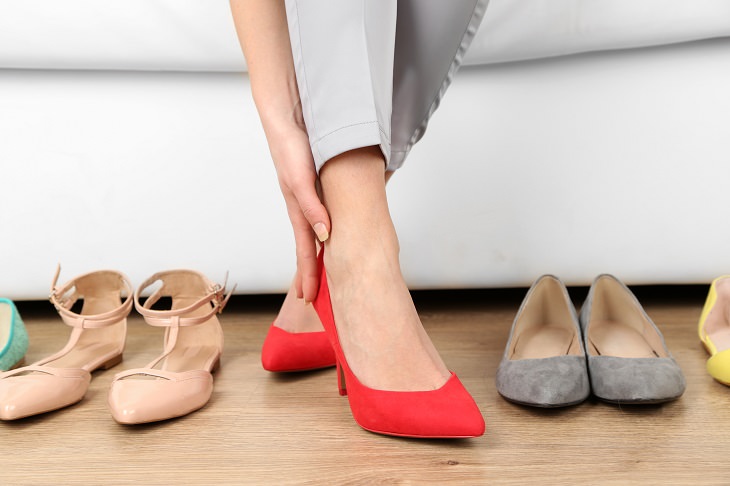
If you have wide feet, you may want to reconsider wearing pointed shoes. These types of shoes are too tight and will put a lot of pressure on your toes, causing nerve pain and blisters. If you keep insisting on these shoes, they may cause lasting nerve damage. So before buying such a pair of shoes, check to see whether your feet feel comfortable while wearing them first. Maybe get a pair that is bigger than you need and stuff the end so you don't have to squeeze your toes. 
 
2. Flip flops cause misalignment in your ankles 
While flip flops are great for summer, as such, they're not all that comfortable. Flip flops rub between your toes causing skin damage and wearing them can lead to misalignment in your ankles and knees because your feet are not supported properly. The soles of your feet rarely get good support from flip-flops and the different walking technique used with flip flops will often make your back pain worse. 
 
3. High heels can cause nerve damage
 
shoes that hurt feet
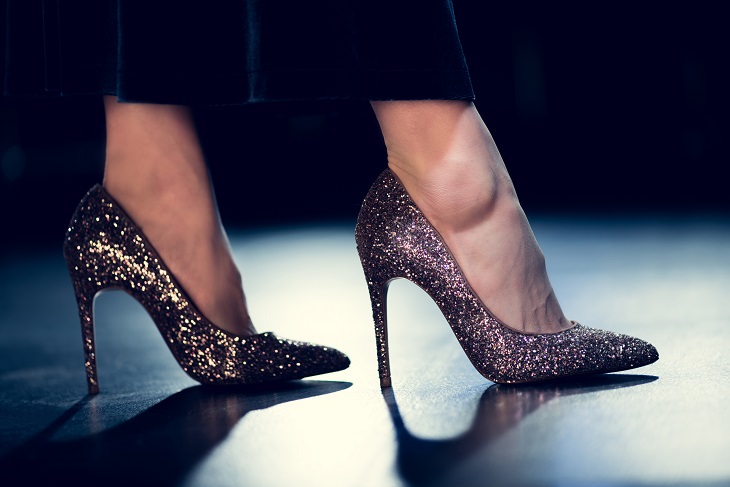
Most women do love to wear high heels, and while they look great and make you feel attractive, they can cause a lot of damage to your feet. Wearing high heels leads to sprains, ingrown toenails, nerve damage, and lower back pain. To get rid of these problems, it is advised that you make sure your everyday heels are no higher than 3 inches.


4. Flat shoes put pressure on the ligaments 
While it may be surprising, flat shoes can damage your legs. This happens because they don't have any arch support, thus putting pressure on the plantar fascia - the ligament that connects your heel bone to your toes. Consequently, you will experience pain in your knees and back. 
 
5. Running shoes that are too light and soft and may cause trauma
 
shoes that hurt feet
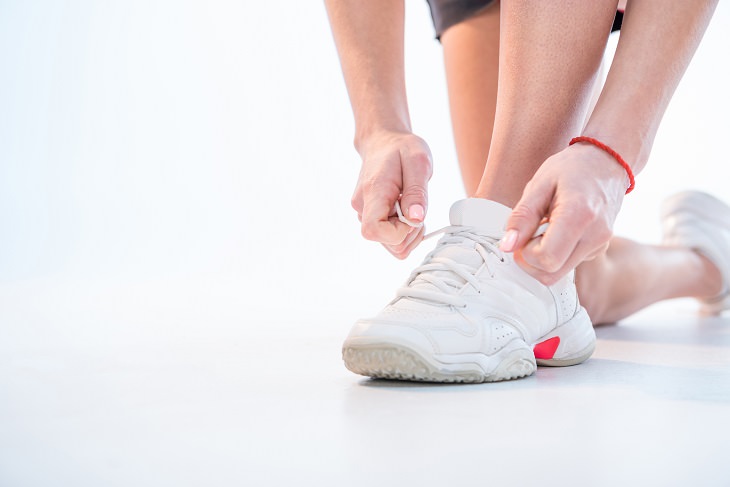
Running shoes should only be worn when running. If you wear them every day, because they seem comfortable and light, they may actually damage your feet on impact because they are too flexible and soft. In other words, if you bump your foot while running you may injure yourself quite severely. Athletic shoes with a harder sole are much safer when accidentally slipping or bumping into something with your foot. 
 
6. Platform shoes ruin the mechanism of walking 
Platform shoes are flexible and have rigid footbeds. Our feet need more forgiving shoes. The shoes we opt for should repeat and reinforce the movement of the feet and these actually do the opposite, going completely against the mechanism of walking. It is, therefore, better to not wear platforms on a regular basis but only on rare occasions such as special events.


This is only for your information, kindly take the advice of your doctor for medicines, exercises and so on.   


Labels: , , , , ,

Wednesday, April 24, 2019

How To Choose the Safest Footwear For Warm Weather

The onset of the long-awaited warm sunny weather is a chance to bust out all the footwear that sat and waited patiently somewhere in a shoe box all year just to be worn again this season. This is also the perfect time to go shopping for new footwear. In either scenario, you are risking to end up with a problem on your hands, as a lot of the shoes we so commonly associate with summer take a toll on our tender and vulnerable feet, with flip flops being one of the most dangerous of the bunch. To aid you on this quest for the safest footwear, we wrote this entire article dedicated to the Dos and Don’ts of summer footwear.

1. Flip Flops

Flip flops are easy to put on and take off, and they are usually manufactured from water-resistant materials that make them durable, especially when worn at the beach. This is why putting on a pair of flips flops at the beach or on a picnic is  acceptable. However, wearing flip flops for extensive periods of time (more than 1-3 hours every day) can harm your health. Here’s how:
  • It can exacerbate existing problems, such as cracked heels, athlete’s foot, and calluses.
     
  • Walking in flip flops for extensive periods of time is more tiring than any other footwear, as they don’t adhere well to the foot and don’t have any heels and arch support.
  • Prolonged wear of flip flops can cause blistering between the toes.
     
  • Flip flops are especially prone to cause a condition called plantar fasciitis, which is the overstretching, inflammation and tearing of the fascia in the bottom of your feet that can occur as the result of walking barefoot or in ill-fitting shoes.
     
  • Finally, flip flops don’t protect the foot from any injuries and sunburns, so they are ill-suited for any sports activities, hiking trips, or even a barbecue.
To get the most out of your flip flops, follow these tips:
1. Don’t wear them for more than 3 hours daily.
2. When you do wear flip flops, don't miss the tops of the feet when applying sunscreen, as this area is prone to burning.
3. Take breaks when you have to walk for more than 30 minutes in flip flops.
4. Only wear flip flops when they are necessary, e.g. at the beach or at the swimming pool.
5. Opt for more closely-fitted flip flops that adhere better to the foot, as these will not hit your heels so much and will be more comfortable. If you can find one, get a pair with arch support.

2. Casual Shoes (such as Ballet Flats, Converse, Plimsolls)

All of these flat shoes are quite popular in the summertime, as they are breathable, offer more protection and yet easy to keep on, unlike flip flops. However, even these shoes can be harmful to your posture and health, here’s how:
  • Flat shoes often lack heel and arch support, which can potentially cause pathological alterations in posture, knee pain, etc.
     
  • The cheaper varieties are often not very breathable and can make your feet sweat in the summer. This warm and humid environment, in turn, can promote the spread of bacteria and fungi, which can cause anything starting from smelly feet to fungal infections.
To find a good pair of summer flats, make sure they’re breathable and made of high quality materials. If your shoes don’t have orthopedic arches, you can purchase special insertable insoles that will prevent your feet from hurting.

3. Sandals

summer footwear sandals
If you’re looking for a pair of open footwear that will be both extremely breathable, fitted, and provide support to the feet, sandals are your best bet. And while they still are not suited for hiking trips, as they don’t offer enough protection for the feet, they are a great choice for long city walks and other outdoor activities. Furthermore, they are often made of natural materials that don’t make your feet sweaty. Here is what you should be aware of when wearing sandals:
1. Sandals can be very different.  The soles of some sandals are too flat and thin, which creates the same kind of repercussions as any other flat footwear: painful, tired feet and bad posture. That’s why it is recommended to choose a pair with a thicker sole and supported arch.
2. Choose a pair that will be adjustable to make sure they adhere to the feet, otherwise they’re no better than flip flops.
3. Opt for natural materials that breathe and prevent your feet from sweating.
4. When choosing a heeled sandal, don’t go higher than 2 inches (5 cm) and look for a chunky heel or platform.

4. High-Heeled Shoes

In this category we included stilettos, platform shoes, pumps in a variety of styles, materials and shapes. When the heel is higher than 2 inches (5 cm), this can cause a variety of problems, such as:
  • The so-called pump bump, which is a bony protrusion at your heel that feels like a callus. These can be very painful and are, unfortunately, chronic.
summer footwear high heeled shoes
  • When wearing high heels, you carry most of your weight on your toes and the ball joints of your feet, which is a very unnatural posture, as usually the weight is evenly distributed throughout the foot. This can cause pain and injuries in the front part of the feet.
     
  • Those who wear high-heeled shoes are more likely to get ankle sprains, which can either stretch out or, in more severe cases, tear the ligaments in the ankle joint.
Still, a beautiful high-heeled shoe can accentuate your posture and be the only complementary choice to a dress on a night out. Here are some tips on how to choose and wear high-heeled shoes:
1. Don’t get shoes with a heel higher than 2 inches.
2. Opt for a chunky heel or platform and not a stiletto, which will provide more support.
3. Don’t buy a pair of heels that isn’t comfortable or stable, no matter how gorgeous they might look. Uncomfortable heels are more likely to cause toe injuries and sprained ankles.
4. Wear your high-heeled shoes in before wearing them out. Although this is true about most shoes, heels can be particularly ruthless in causing blisters, so make sure to wear them around the house before wearing them outdoors.

5. Sneakers and Tennis Shoes

summer footwear Sneakers and Tennis Shoes
The last item on our list is probably the ultimate footwear. It’s breathable, lightweight, provides ample protection,  supports the arches of the feet, and can be easily adjusted. It is suitable to most types of activities and doesn’t exert the feet. But even these, seemingly-perfect shoes can potentially be harmful to your feet.
1. For one, bad quality sneakers are often not breathable enough and can exacerbate athletes foot and bacterial infections, so choose a pair that is breathable.
2. Even the best quality sneakers can make your feet sweaty, so make sure to wear a different pair every day to let them vent.
3. Rocker bottom sneakers are a popular trend and they can help strengthen the muscles in your feet, but they are not advised for seniors, as they can affect muscle strength or balance.
4. Don’t choose a shoe that is too tight-fitting or loose around the toe box, as this, too, can affect the distribution of weight throughout the feet. A very tight shoe box, for example, may even cause numbness and pain in the toes, so it is important to wear a pair of sneakers or tennis shoes that will fit your size and foot shape.
THIS IS ONLY FOR INFORMATION, ALWAYS CONSULT YOU PHYSICIAN BEFORE HAVING ANY PARTICULAR FOOD/ MEDICATION/EXERCISE/OTHER REMEDIES.                                    PS- THOSE INTERESTED IN RECIPES ARE FREE TO  VIEW MY BLOG-                                                                                           https://gseasyrecipes.blogspot.com/    
                                                                                                                                                     FOR INFO ABOUT KNEE REPLACEMENT, YOU CAN VIEW MY BLOG-                                                  https:// kneereplacement-stickclub.blogspot.com/  
         
                   FOR CROCHET DESIGNS                                                                                                                                                                                                  https://gscrochetdesigns.blogspot.com  

Labels: , , , , , , , , ,

Tuesday, December 18, 2018

Is your leg under attack? Know from the specialist

Smart people think on their feet and act. And then we stand tall on our feet all day long, walk and run around to get our chores done. So your legs are not just your wheels in the journey of life, but almost have a heart of its own. And yet our legs are perhaps the most neglected body part.  

Often workout and exercise help to keep our strained muscles relaxed, but sudden leg attack is not unheard of either. 

Some professions require people to be on their feet 24x7, like those of a chef, traffic police, doctor, nurse, or an event manager. Standing all day can be detrimental to one’s health. 
Varicose vein and Peripheral Arterial Disease (PAD) are two diseases which can easily attack people whose daily lifestyle puts a lot of stress on their legs. It is essential to get your leg meticulously checked by expert doctors whenever you see any of these symptoms appearing.
 
Varicose veins are the veins with damage in the return pump valve. Varicose vein is a commonly occurring condition with up to 10-15 % of the women and men are affected with symptoms of pain and swelling of the lower limbs, enlarged blue veins on the thigh or calf and their accompanying problems like leg aching, eczema, lipodermatosclerosis, cellulitis or venous ulcer.Standing for a long period does not cause varicose veins per se, nevertheless hastens the deterioration of malfunctioning valves which aggravates the development of varicose veins.
Symptoms like aching, discomfort and heaviness in the legs, swollen ankle, brown spots on skin are common. Change in skin colour should be an initial indicator to visit a specialist  immediately. Maintain a healthy lifestyle that includes regular exercise, avoid prolong standing, wearing high heels and take good nutritional supplements. Try elevating your legs when resting, and not crossing them when sitting may prevent the advance of varicose veins.

Accurate diagnosis and proper treatment of varicose veins can ensure that most of them do not recur. Surgery for the varicose veins with any means has got a minimal standard recurrence rate. 
 
However, as the symptoms are unacceptable or unbearable for many people, even if the results of the treatment are not permanent, it is still preferable to no treatment at all. Graduated elastic compression stockings are good for temporary relief of symptoms and are used below knee with standard pressure. Foam Sclerotherapy is an injection of a sclerosing solution into veins and mainly used to treat localized varicosities. 
 
Laser or Radio-frequency treatment involves puncture of the vein under ultrasound guidance and burning the vein with the use of Laser/RF.Laser or Radiofrequency procedure normally takes around 30 minutes for one leg and performed under local anesthesia.The patient can return home the same day of procedure &can resume normal activities within 24 hours. The patient might have a little pain during the procedure as there will be 3-4 small needle pricks to introduce anesthesia and most of the patients can tolerate it very well.
Peripheral artery disease (PAD) is often caused by atherosclerosis, where fat deposits (plaques) build up in the arteries and reduce blood flow. In this disease your legs don't receive enough blood flow to keep up with demand. 
 
This causes symptoms, most notably leg pain while walking aka claudication. Intermittent claudication means painful cramps in your hip, thigh or calf muscles after activity, such as walking or climbing stairs. The other features of this disease include coldness in your lower leg or foot, especially when compared with the other side, sores or wounds on your toes, feet or legs that heals slowly and a change in the color of your legs.
The risk of developing PAD includes smoking, diabetes, high blood pressure, high cholesterol, family history of vascular disease such as PAD, aneurysm, heart attack or stroke & obesity. If peripheral artery disease progresses, it is painful to walk even short distance and it may even occur when you are at rest or when you are lying down. It may be intense enough to disrupt sleep. Hanging your legs over the edge of your bed may temporarily relieve the pain. Severe PAD can lead to loss of limb.  A specialist check for signs of the disease with a simple test of pulses in your feet.

One of the most effective preventive measures of PAD is regular physical activity.You must modify your lifestyle and follow thorough healthy routine in daily life. Eating a nutritious diet can control your blood pressure and cholesterol levels. A diet low saturated fat, trans fat and cholesterol ensures lower blood cholesterol levels, but cholesterol-lowering medication and anti-platelet medications to help prevent blood clots may also be necessary. 
 
Tobacco smoking increases your risk of PAD as well as your risk for heart attack and stroke, so quit smoking.If surgery is prescribed then angioplasty is a form of minimally invasive surgery that intend to access many regions of the body via major blood vessels.  In this procedure, dilatation of the arterial stenosis done along with deployment of metallic stent that relief the symptoms. Surgery is only required when symptoms are severe and ability to perform basic functions like walking, standing have been hampered.
 
THIS IS ONLY FOR INFORMATION, ALWAYS CONSULT YOU PHYSICIAN BEFORE HAVING ANY PARTICULAR FOOD/ MEDICATION/EXERCISE/OTHER REMEDIES.                                                                                                                                                                                                                                                                                        PS- THOSE INTERESTED IN RECIPES ARE FREE TO  VIEW MY BLOG-                                                                                           https://gseasyrecipes.blogspot.com/                                                                                                                                                                             FOR INFO ABOUT KNEE REPLACEMENT, YOU CAN VIEW MY BLOG-                                                                                                                             https:// kneereplacement-stickclub.blogspot.com/                                                                                       FOR CROCHET DESIGNS                                                                                                                                                                                                                                 https://gscrochetdesigns.blogspot.com 

Labels: , , , , , , , , , , , ,

Wednesday, April 11, 2018

High heels may look great but likely to have adverse effect on reproductive system

A pair of high heels is a must-have accessory in every young girl's wardrobe. However, there are many health risks associated with these killer heels as well.

According to several studies, if the heel size is over 5 inches, it forces the body to adopt unnatural postures that prevent them from conceiving. Distortion in the posture affects each and every system in the body, including the uterus and the reproductive system.

"Young girls entering puberty, start developing  physiological as well as psychological maturity. But the foot bones, pelvis, and spine are not mature enough and hence under the influence of high heels (external force), tend to bend easily causing deformation," said an IVF expert.


She added,"The tilted posture or the misbalance and misalignment displaces the uterus from its physiological anteverted or retroverted position and thereby causing pain during menstruation, intercourse, and other fertility-related issues."

Due to the fact that the body leans forward on wearing high heels, there is an increased pressure applied to the pelvis, the organs in the pelvic cavity are forced inside to contract. This inevitably leads to narrowing the pelvis inlet.

A Chennai based gynecologist said, "Girls who regularly wear high heels, may be subjected to difficulties in giving birth along with elevated pain and other maternal problems. This often leads to an improper posture and poor alignment of the spine leading to ineffective functioning of the organs leading to the displacement of the uterus as well."

"Uterus displacement causes heavy pain during menstruation or intercourse, issues in fertility and incontinence. The ligament supporting the uterus gets weakened, and hence the chances of uterovaginal prolapse increases," she added.


THIS IS ONLY FOR INFORMATION, ALWAYS CONSULT YOU PHYSICIAN BEFORE HAVING ANY PARTICULAR FOOD/ MEDICATION/EXERCISE/OTHER REMEDIES.                                                                                                                                                                                                      PS- THOSE INTERESTED IN RECIPES ARE FREE TO VIEW MY BLOG-                                                                                           https://gseasyrecipes.blogspot.com/   
FOR INFO ABOUT KNEE REPLACEMENT, YOU CAN VIEW MY BLOG-                                                           https:// kneereplacement-stickclub.blogspot.com/                              

FOR CROCHET DESIGNS                                                                                                                                                                                                                                         https://my crochet creations.blogspot.com/
  

Labels: , , , , , , , , , , , ,

Saturday, December 10, 2016

Wearing high heels regularly may cause premature osteoarthritis

Save your high heels for special occasions and start wearing flats for daily commuting!
 
Stanford University scientists have found that every time a woman puts on a pair of stilettos, she is putting dangerous levels of strain on her joints and for women, who are overweight the damage is even worse.

"Killer heels could lead to osteoarthritis in knees: so-called wear and tear arthritis, where damage to a joint causes stiffness and pain. The type of arthritis that wearing high heels can cause is called osteoarthritis, which is the most common form of the condition," said lead consultant Dr Anil Arora in Max Super Speciality Hospital in New Delhi.

The higher the heels, the more likely it was the knees were bent when shoes made contact with the ground - increasing the strain on the knee joint. Similar effects were seen when the women stopped walking.

"Wearing killer heels made the women's knees look more like aged or damaged joints with the effect even more pronounced for overweight women," Dr. Arora explained. "The promotion of footwear that cripples one half of the population and makes it difficult to walk has influenced even those women whose social status might have indicated that had no need to show deference to male power," he added.

Walking for long periods on the balls of the feet causes aches and pains, stress fractures, trapped nerves and increased wear and tear on the joints and soft tissue.

But in osteoarthritis, the cartilage starts to break down and as bones come into contact, the friction makes joints swollen and extremely painful. The research has historically implicated high heels as a probable risk factor for osteoarthritis of the knee, and can also cause back pain.

Wearing high heels shortens the Achilles tendon, causing restriction in ankle movement, and jams the toes into the front of the shoe, which can cramp and deform them."

The hypotheses that change to knee kinematics and kinetics observed during high heeled walking increase in magnitude with increasing heel height and are accentuated by a 20 percent increase in weight.

However, there have been reports of an association between "over-wearing" high heels and foot problems such as corns and calluses. Most foot care specialists would recommend to save your heels for special occasions and sticking to flats or trainers for the daily commute.

this is only for your information, kindly take the advice of your doctor for medicines, exercises and so on.

https://gscrochetdesigns.blogspot.com. one can see my crochet creations
https://gseasyrecipes.blogspot.com. feel free to view for easy, simple and healthy recipes 
https://kneereplacement-stickclub.blogspot.com. for info on knee replacement

Labels: , , , , , , ,