Friday, December 15, 2017

Anaesthesia drug ketamine may reduce the suicidal thoughts in no time

A latest study led by a group of researchers has found that ketamine, a drug which used to start and maintain anaesthesia may reduce suicidal thoughts in depressed patients.

According to scientists, ketamine's anti-suicidal effects occurred within hours after its administration.
Talking about their latest findings ,the lead author said, "There is a critical window in which depressed patients, who are suicidal, need rapid relief to prevent self-harm."

"Currently available antidepressants can be effective in reducing suicidal thoughts in patients with depression, but they can take weeks to have an effect. Suicidal, depressed patients need treatments that are rapidly effective in reducing suicidal thoughts when they are at highest risk. Currently, there is no such treatment for rapid relief of suicidal thoughts in depressed patients," the author was quoted further.

Researchers conduct year-long studies on 80 depressed adults with suicidal thoughts and behavior and prove a low doses of ketamine causes a rapid reduction in depression symptoms and may be accompanied by a decrease in suicidal thoughts.

Consumption of ketamine includes side effects like dissociation and sudden hike in blood pressure during the infusion. However, the symptoms are said to be resolved typically within minutes to hours after use.

"This study shows that ketamine offers promise as a rapidly acting treatment for reducing suicidal thoughts in patients with depression," said the Dr.

"Additional research to evaluate ketamine's antidepressant and anti-suicidal effects may pave the way for the development of new antidepressant medications that are faster acting and have the potential to help individuals who do not respond to currently available treatments," he stated further.

THIS IS ONLY FOR INFORMATION, ALWAYS CONSULT YOU PHYSICIAN BEFORE HAVING ANY PARTICULAR FOOD/ MEDICATION/EXERCISE/OTHER REMEDIES.   

PS- THOSE INTERESTED IN RECIPES ARE FREE TO VIEW MY BLOG-                      

HTTP:GSEASYRECIPES.BLOGSPOT.COM/
FOR INFO ABOUT KNEE REPLACEMENT, YOU CAN VIEW MY BLOG-                                                                       
HTTP://KNEE REPLACEMENT-STICK CLUB.BLOGSPOT.COM/
FOR CROCHET DESIGNS

HTTP://MY CROCHET CREATIONS.BLOGSPOT.COM

Labels: , , , , , ,

Thursday, February 06, 2014

Injecting anesthetic near nerve bundle in neck reduces hot flashes significantly

A new research has shown that injecting a little anesthetic near a nerve bundle in the neck, can cut troublesome hot flashes significantly.
The technique could give women who cannot or prefer not to take hormones or other medications an effective treatment alternative.
In this study from two Chicago medical schools, Northwestern University and the University of Illinois at Chicago, 40 women who had moderate to severe hot flashes got either a stellate ganglion block-an injection of tiny amounts of anesthetic near a nerve bundle in the neck-or an injection of plain saline solution.
Both groups of women kept diaries of the frequency and severity of their hot flashes from two weeks before the injection until six months afterward.
In addition, for 24 hours at the start of the study and three months after the injection, the women wore skin conductance monitors, which measured hot flashes objectively and also let the women record when they felt a hot flash.
On average, the women had 10 hot flashes a day, rating two-thirds of them moderate or severe. (Hot flashes lasting up to 15 minutes with symptoms such as perspiration, clammy skin, dry mouth, tense muscles, and rapid heartbeat were considered "moderate." Hot flashes lasting up to 20 minutes with symptoms such as "raging furnace" warmth, weakness, feeling faint, extreme perspiration, and heart irregularities were considered "severe.")
Four to six months after the injection, the total number of hot flashes wasn't significantly different between the real- and sham-treated groups, but the number of moderate to severe hot flashes was cut in half for women who got the real nerve block (52 percent) compared with just 4 percent for the women who got the sham injection.
What's more, the intensity of the hot flashes dropped 38 percent for the women who got the real nerve block, compared with just 8 percent for those who got the sham injection .
The findings are published online in Menopause, the journal of The North American Menopause Society (NAMS).


ps- this is only for information, always consult you physician before having any particular food/ medication/exercise/other remedies.
ps- those interested in recipes are free to view my blog-
http://gseasyrecipes.blogspot.com/

for info about knee replacement, you can view my blog-


http://Knee replacement-stick club.blogspot.com/


for crochet designs


http://My Crochet Creations.blogspot.com

Labels: , , , , ,

Tuesday, April 30, 2013

Treatment for Diabetes Nerve Pain


Nerve pain caused by diabetes, called diabetic peripheral neuropathy, can be severe, constant, and difficult to treat. It may start as a tingling sensation, followed by numbness and pain. But there are two key points that everyone with diabetes and peripheral neuropathy should know:
  • Controlling your blood sugar levels can help prevent worsening nerve pain and improve your overall health at the same time.
  • Medications can help relieve nerve pain, make you more comfortable, and improve your quality of life.

If you have diabetes and peripheral neuropathy, talk to your doctor about ways to better control your blood sugar. You may need to take insulin for better control.
Once you are doing all that you can to keep blood sugar levels under control - including diet, meal planning, exercise, and medication - you should assess with your doctor which pain medication is best to relieve your remaining symptoms.
Fortunately, medications can help relieve nerve pain from peripheral neuropathy so you can function at near-normal levels. You have many pain relief drugs from which to choose. But you may need to try several different types of pain relievers before you find the one that helps you.

Over-the-Counter Pain Relievers for Diabetes Nerve Pain

Some people find relief for mild diabetes nerve pain right on their drug store shelves. Common pain relievers and some topical creams may help, depending on the severity of pain.
As a first line of treatment, these can be very helpful.
Anyone with diabetes should talk to their doctor before taking any medication. Even over-the-counter medications can interact with other drugs or cause severe side effects in people with diabetes.
Here are some over-the-counter pain relief options to consider:
NSAIDs (nonsteroidal anti-inflammatory drugs). These medicines reduce inflammation and relieve pain. NSAIDs available without a prescription include aspirin, ibuprofen (Advil, Motrin), and naproxen (Aleve).
But NSAIDs can cause harmful side effects such as stomach irritation and bleeding in some people if taken for weeks or months. When taken long-term they can also lead to kidney and liver damage, which may be more likely in people with diabetes.
However, In many cases, especially with younger people who are relatively healthy, the risk is quite low.
Acetaminophen. Acetaminophen and other over-the-counter drugs containing acetaminophen relieve diabetes nerve pain without reducing inflammation. These medications do not cause the stomach irritation that NSAIDs do. However, taking more acetaminophen than recommended can lead to liver damage. It is important to read labels and check with your pharmacist.
Capsaicin. Found naturally in chili peppers, capsaicin is found in drug stores under various brand names, including Capzasin-P and Zostrix. "Capsaicin has been shown to relieve pain, but there is some concern. 
Capsaicin is thought to ease pain by reducing a chemical called substance P, which is involved in transmitting pain signals through the nerves. On a short-term basis, it is an effective approach. These same nerves play a big role in wound healing. Drs. are concerned that capsaicin could prevent wound healing, which is already a big problem for diabetes patients.
Lidocaine. Lidocaine is an anesthetic that numbs the area it has been applied to. It is available in gels and creams, both over the counter and by prescription. Some product names include Topicaine and Xylocaine.
Other topical creams. Salicylate is a chemical similar to aspirin, and is found in pain-relieving creams like Aspercreme and Bengay. Cortisone creams contain corticosteroids, which are potent anti-inflammatory drugs that can help relieve pain. Both are available at drug stores, but there is no clear evidence that they help relieve nerve pain from peripheral neuropathy.

Prescription Drugs for Diabetes Nerve Pain

Many people need to turn to prescription medication to find relief for diabetes nerve pain. Your choices include:
NSAIDs. Although some nonsteroidal anti-inflammatory drugs are available over the counter, your doctor may suggest higher doses, or different NSAIDs, that require a prescription. There are many prescription NSAIDs to choose from including, Celebrex, Lodine, and Relafen. People with diabetes are more at risk of kidney damage that can occur with NSAIDs. In addition, people with diabetes are at high risk of heart disease, and prescription NSAIDs may raise the risk of heart problems.
Antidepressants. Although antidepressants were developed for depression, these drugs have also become important in relieving chronic pain - whether the person is depressed or not. Doctors have been prescribing antidepressants for many years for pain control, says Gibbons. Antidepressants used to treat pain include-
Tricyclic antidepressants (TCAs) primarily affect the levels of the brain chemicals norepinephrine and serotonin. These are the most commonly used, the best studied, and the most effective of the antidepressants used for pain.
Of the TCAs, Elavil has been a very good option for pain, yet it has troublesome side effects. "It tends to have more side effects -- drowsiness, weight gain, dry mouth, dry eyes. For people with peripheral neuropathy, there can be additional side effects. Many patients develop blood pressure and heart rate problems and get dizziness when taking Elavil.

A newer drug in this class, Pamelor, is "quite effective, with fewer side effects, so it is better tolerated. "Norpramin is also good and has the least side effects of all."

Selective serotonin reuptake inhibitors (SSRIs) are a newer form of antidepressant. These drugs work by altering the amount of the brain chemical serotonin. "These are very effective for depression, but less effective for pain. They've been shown effective in some studies, but they're clearly not as effective as TCAs for pain.
Serotonin and norepinephrine reuptake inhibitors (SNRIs) are another newer form of antidepressant medicine. They treat depression by increasing availability of the brain chemicals serotonin and norepinephrine.
Antiseizure drugs. Drugs that prevent epileptic seizures can also relieve certain pain conditions, including neuropathy. The majority of pain patients can be treated with any of these. The drugs work by controlling the abnormal firing of nerve cells - in the brain and in other parts of the body, like legs and arms,the Dr. explains.


Neurontin is the antiseizure drug most commonly used for nerve pain from peripheral neuropathy. It's quite effective in treatment of painful neuropathy. It does tend to cause sedation or dizziness at higher doses. But if the dosage is increased slowly, it is quite well tolerated.
Lyrica is a seizure medication that is FDA-approved for painful neuropathy. "It is designed as the next generation of Neurontin. The most common side effects are dizziness and sleepiness. 
Opioid medicines. When pain is very severe, patients want immediate relief. That's when they may need to see a pain specialist. Sometimes people need strong painkillers called Ultram or Ultracet, possibly in combination with Neurontin.

Both Ultram and Ultracet are FDA-approved painkillers that contain tramadol, a weak opioid (morphine-like) substance. The drug also weakly affects the brain chemicals serotonin and norepinephrine, similar to antidepressants, which reduces the perception of pain.

Often we use tramadol as a back-up for what we call 'breakthrough pain' - pain that suddenly, for no apparent reason, is worse at times. Tramadol is a good replacement for over-the-counter stuff at those times.

Neuropathy specialists shy away from strong narcotic opioid medications. Narcotics can cause severe constipation, and there is the potential for addiction. There's also a stigma about using a narcotic drug. Depending on the type of work a person does, it could be a problem.

More Treatment Options for Diabetes Nerve Pain

For severe, intractable diabetes nerve pain, injections of local anaesthetics such as lidocaine - or patches containing lidocaine - are used to numb the painful area.

Doctors can also:

Surgically destroy nerves or relieve a nerve compression that causes pain.
Implant a device that relieves pain.
Perform electrical nerve stimulation which may relieve pain. In this treatment, small amounts of electricity are used to block pain signals as they pass through the skin. "It's debatable whether this is effective.
Other useful aides to improve quality of life and function include:

Hand or foot braces can compensate for muscle weakness or help relieve nerve compression.
Orthopaedic shoes can improve gait (walking) problems, which will prevent foot injuries. 


Labels: , , , , , , , ,

Wednesday, March 20, 2013

What are the Do's and Don't s Before Surgery


Know-It-All Before Surgery, What To Expect
Learn about your recommended surgery. Patients who are well-informed are usually more satisfied. Meet your medical team, which will include your surgeon, who will perform your surgery, and your anaesthesiologist  who will manage your comfort and care during surgery. And ask them questions about everything, from risks to complication to healing time. Your hospital may offer classes on your procedure.

X Marks the Surgical Spot
To prevent surgical errors, your nurse, surgeon, or other member of your health care team may mark the area to be operated on with a marker or pen. Ask your doctor if you should expect this with your surgery. 

Discuss About Anaesthesia Options
The type of surgery you'll have often determines where and how you'll be numbed, but ask your anaesthesiologist about your anaesthesia choices. Local anaesthesia numbs a small part of the body, regional numbs a larger area, and general anaesthesia affects your whole body. Depending on the type of anaesthesia  it can be taken by injection, IV, or inhaled.

Don't Fear Waking Up While Under Anaesthesia
Coming to while under general anaesthesia during surgery can happen but becoming fully aware is rare. Most people that experience anaesthesia awareness do not feel any pain. Some may feel pressure. It’s estimated that about 1 to 2 out of 1,000 people who are anaesthetized have some level of awareness.  Awareness risks are higher during high-risk surgeries such as trauma, cardiac surgery, or emergency caesarean section, or in surgeries on unstable or critically ill patients. Talk with your anaesthesiologist before surgery about concerns about awareness and after if you think it has happened to you.

What Pain To Expect After Surgery
You may feel pain, pressure, or a burning sensation where you were operated on and as you start moving. You may also experience throat discomfort and muscle soreness. Tell your doctor if you need pain medicine. Controlling pain can make you more comfortable, cut the risks of complication, and speed healing. Before discharge, ask about pain management options. At home, in addition to medication, relaxation tapes, heat or cold therapy, or massage may also ease pain.

Fight Hospital Infections
To lower your risk of hospital-acquired infections such as MRSA (a drug-resistant staph infection), speak up about good hygiene. Don't be shy about making sure your doctors and nurses wash their hands or sanitize themselves before treating you. After surgery, keep your hands clean. And watch for signs of infection including fever, chills, weakness, increased pain, swelling, redness, bleeding, and wound discharge.


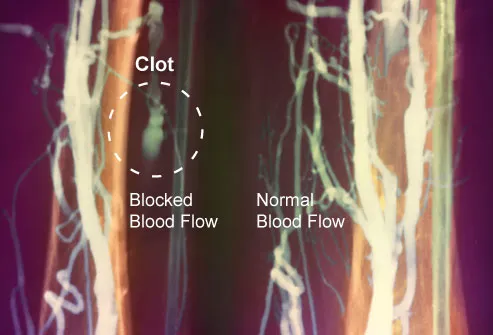
Angiogram of deep vein thrombosis

Are You at Risk for Blood Clots?
Some surgeries can increase your risk of deep vein thrombosis (DVT) and pulmonary embolism (PE). These blood clots can be life-threatening. Ask about risk and prevention. Older age, being overweight, smoking, conditions such as cancer or previous clots, and some medications can increase your risk.


Discuss Your Medical Conditions
Tell your medical team about health issues such as  diabetes, high blood pressure, dental work, arthritis, or food or drug allergies. It's also important to say if you -- or any family members -- have had a reaction to anaesthesia, the medications that will be used to numb you for surgery.


Avoid Medication Mishap
Tell your doctors about all medications that you take. Some can lead to side effects during surgery. Bring up any prescription medications and over-the-counter drugs you take. For example, blood thinners and aspirin can put you at risk for excessive bleeding. Your doctor will tell you which medications you should take before your surgery and which medications to stop prior to your surgery.


Supplement Reactions Can Interfere Your Surgery,So better to Inform your Medical Team
Supplements such as  ginseng, garlic,  fish oils, vitamins, and many more may increase surgery risks. Some may increase heart and bleeding-related risks, others may affect how long anaesthesia lasts, or interact with other medicines. But up to 70% of people don't let their doctors know they take them. So speak up if you do. Your doctors may recommend stopping supplements one or two weeks before surgery.

Blood Transfusion, ask Dr. if you can donate blood before
Ask your doctor if there's a chance you'll need a blood transfusion during surgery. If so, and your operation is at least four weeks away, you can donate some of your own blood and have it stored in case you need it.

Seek a Second Opinion and Ask Questions
 Unsure if it’s the right treatment for you, or if you need the surgery at all? Don’t be afraid to get a second opinion. Getting one doesn't offend doctors and they often encourage it. For a second opinion, look to a doctor who specializes in the treatment of your condition. If you do have surgery, speak up with your questions and concerns at any time -- before, during, and after your hospital experience.

Take Care that there are enough Caregivers after surgery
You'll probably be drowsy right after your surgery, and may need a little help getting around, so ask for the support of family and friends. As you recover, let yourself be pampered and cared for and, if you need it, ask someone you trust to stay overnight with you at home.

Stock Your Pantry and Freezer With Healthy Foods
Before your surgery, stock your pantry and freezer with healthy foods and drinks. Then you won't have to worry about shopping during your recovery. Don't have time? Ask friends or family to help out. Also be sure to get any necessary personal hygiene products, bandages, or other items you'll need after your surgery.

Wear Loose Clothing
Depending on your surgery, dressing may be a challenge as you recover. Ask your doctor how surgery may affect you. If it will affect your movement, look for soft, loose clothes that are easy to put on and take off. Elastic-waist or loose-fitting pants and shirts that button, rather than pullovers, may be easiest to wear, or even loose night gowns, as they're easier to put on and remove, also don't press on the scars, this I can tell you from my personal experience, after all I'm a veteran of 12 major surgeries !

Don't Eat or Drink Before Surgery
Anaesthesia can cause vomiting during or after surgery. While your body normally prevents you from inhaling food you may spit up, anaesthesia can stop these reflexes from working. This can cause choking and complications after surgery like pneumonia. So make sure you follow your doctor's instructions about when to stop eating or drinking before your surgery.

Be Prepared for a Better Surgery
No matter how safely it's performed, surgery involves trauma to the body. People who have healthy habits are often better able to handle it. You can't go back and relive your life, but do what you can between now and your scheduled surgery -- and then keep it up. People who prepare both physically and mentally have quicker recoveries, less pain, and fewer complications.

Avoid Alcohol Before Surgery
Alcohol can have life-threatening effects during surgery. It can have unpredictable effects on anaesthesia and cause excessive bleeding and liver damage. Be honest with your doctors about how much and how often you drink. Stopping drinking, or at least cutting back, can reduce your risk of post-surgical complications. Try going dry about a month before surgery. Or at most, have no more than two drinks a day.

Stop Smoking Before Surgery
Tell your anaesthesiologist if you smoke. Smoking increases infection and other surgery complication risks. Your lungs help your body get rid of inhaled anaesthesia  Quitting smoking before your surgery may help you heal more quickly. Quit when you can, but it's best to try to stop at least two weeks before surgery. Nicotine replacement therapies and support groups are just a few ways to help make quitting easier.

Check Your Blood Pressure
If you have high blood pressure, make sure your medical team knows, especially your anaesthesiologist.  Your anaesthesiologist will be responsible for monitoring your blood pressure and other vital signs during surgery. Getting your blood pressure under control before surgery is important. Ask your medical team about steps you can take. If you are on high blood pressure medication, don't forget to discuss that to see if you should take it on the day of your surgery.

Manage Your Weight 
If you're overweight or obese, you could be at higher risk for complications. While losing weight can help your recovery, don't start dieting if your surgery is less than a month away. Instead, eat healthfully to get the nutrition you need to heal. Also tell your anaesthesiologist if you have sleep apnea, which is often associated with being overweight. You may need a special anaesthesia plan to help you breathe during surgery.

Exercise and Be Active
Eat right and exercising before surgery may help you recover from surgery faster. In one study with rats, those that regularly exercised before surgery recovered much quicker than those that didn't. No matter your activity level, talk with your medical team about it before surgery. They can help you learn how you can safely be active before and after your procedure.

Labels: , , , , , , , , , , , , , , ,

Thursday, November 29, 2012

10 QUESTIONS TO ASK BEFORE KNEE OR HIP REPLACEMENT


If you have arthritis of the hip or knee and are considering joint 
replacement, start by talking with your doctor. Here are 10 key 
questions to ask about joint replacement.
  1. Is full joint replacement the best choice for me? Talk about other options. Could simpler and more conservative treatments work instead? Ask about alternatives to full joint replacement, such as partial joint replacement or other procedures.
  2. If I don't get surgery, what's the risk? Is there any harm in waiting?
  3. What are the downsides of joint replacement? Learn ore about the risks and complications – for right after the surgery and further down the road.
  4. What type of replacement joint would you recommend? Many different companies make replacement joints. Get the specifics on what your doctor recommends. Ask if you can see a sample joint to understand how it works.
  5. How many of these surgeries have you done? You want someone with a lot of experience in the specific surgery -- with the specific artificial joint -- that you need.
  6. Would minimally invasive surgery be possible for me? Although minimally invasive surgery sounds good, it's often not the best choice for joint replacement. Some studies show that the short-term benefits of a smaller incision may be offset by a higher risk of complications.
  7. How long would recovery take? Get specifics. When will you be able to be back on your feet? When will you be able to exercise or go back to work again? When will you be able to be drive?
  8. What kind of anaesthesia would I need? Some people getting a joint replacement need general anaesthesia  Others only get spinal anaesthesia  in which they're awake but the legs are numb.
  9. What kind of physical therapy would I need? Physical therapy is essential for maximum recovery. Find out where you would get physical therapy, how often, and with whom.
  10. What should I expect from life with a joint replacement? Get realistic expectations about what you'll be able to do after you recover. Find out if your doctor would recommend avoiding high-impact activity, such as jogging. Most replacement joints will last 10 years or longer, but it depends on how much overuse they get. Ask about ways you can try to minimize wear and tear.

Labels: , , , , , , ,

Sunday, September 02, 2012

HOW TO HANDLE HICCUPS !

Hiccups are involuntary spasms of your diaphragm that triggers sudden closure of your vocal cords. Luckily most are harmless & temporary, triggered by everything from overeating to carbonated drinks, excess alcohol & stress. But if they persist, they can signal an underlying medical condition, such as GERD ( chronic acid reflux) or an intestinal blockage. Most persistent cases are treated with medications, anaesthesia & ventilation.

Some ways to get rid of hiccups-
1) ask someone to scare you.

2) pull on your tongue or ears.

3) put your head on the ground & blow into your thumb.

4) put your face in ice water.

5) scream for as long as you can.( I'ld suggest with doors closed, lest someone complains about you)


Life has its own hiccups, but trying one of these remedies may make it all seem funnier & people who laugh regularly have a healthier heart, less stress & a better outlook on life. 


Labels: , , , , , , , ,