Saturday, December 15, 2018

Breastfeeding for more than 6 months leads to smaller waist circumference

Turns out, breastfeeding for more than six months is independently associated with smaller waist circumference in the decade after delivery among women. Pregnancy contributes to an accumulation of abdominal adiposity, which is an indicator of cardiometabolic dysfunction in later life.

During a recent study, the researchers assessed the relationship between waist circumference measured at follow-up and self-reported history of breastfeeding duration. Propensity score approaches were incorporated into the study to account for systematic differences between women who did and did not breastfeed.

The novel use of propensity score methods enabled the researchers to minimise the possibility of bias in the likelihood of breastfeeding due to overall healthier lifestyles. Additional analyses that consider the lifetime duration of breastfeeding is proposed in order to advance understanding of the cumulative effect of breastfeeding on maternal central adiposity. 

THIS IS ONLY FOR INFORMATION, ALWAYS CONSULT YOU PHYSICIAN BEFORE HAVING ANY PARTICULAR FOOD/ MEDICATION/EXERCISE/OTHER REMEDIES.                                                                                                                                                                                                                                                                                        PS- THOSE INTERESTED IN RECIPES ARE FREE TO  VIEW MY BLOG-                                                                                           https://gseasyrecipes.blogspot.com/                                                                                                                                                                             FOR INFO ABOUT KNEE REPLACEMENT, YOU CAN VIEW MY BLOG-                                                                                                                             https:// kneereplacement-stickclub.blogspot.com/                                                                                       FOR CROCHET DESIGNS                                                                                                                                                                                                                                 https://gscrochetdesigns.blogspot.com   

Labels: , , , , , , , , , , , , , ,

Saturday, January 25, 2014

'Morning after pill' under review for being less effective for overweight women

New findings suggest that “morning after pill” emergency contraceptives may be less effective for overweight and obese women.

Pills that are commonly used in the UK will be included in a review, the European Medicines Agency confirmed, but family planning experts said that women should not be put off seeking contraception and should speak to a professional if they had concerns.

It comes after the French drug company HRA Pharma changed the labelling of its product Norlevo, widely available in France, Ireland and other European countries, after studies showed the pill was less effective in women weighing 75kg or more, and ineffective in women weighting more than 80kg.

The active ingredient of Norlevo, levonorgestrel, is also contained in the most popular emergency contraceptive pill in the UK, Bayer’s Levonelle.

Professor Anna Glasier, a leading expert in reproductive medicine who led research inTO levonorgestrel at the University of Edinburgh, told The Independent it was “highly likely” that other medicines for which it was an active ingredient would be similarly affected.

The UK’s second most common emergency contraceptive, HRA’s EllaOne, which uses a different active ingredient, will also come under review.

Lynn Hearton, from the sexual health charity the Family Planning Association, said that, while the review was being carried out, any woman with a body mass index (BMI) of at least 30 who was concerned should speak to their GP or visit a contraception of sexual health clinic.


ps- this is only for information, always consult you physician before having any particular food/ medication/exercise/other remedies.
ps- those interested in recipes are free to view my blog-

http://gseasyrecipes.blogspot.com/


for info about knee replacement, you can view my blog-


http://Knee replacement-stick club.blogspot.com/


for crochet designs


http://My Crochet Creations.blogspot.com

Labels: , , , , ,

Wednesday, March 20, 2013

What are the Do's and Don't s Before Surgery


Know-It-All Before Surgery, What To Expect
Learn about your recommended surgery. Patients who are well-informed are usually more satisfied. Meet your medical team, which will include your surgeon, who will perform your surgery, and your anaesthesiologist  who will manage your comfort and care during surgery. And ask them questions about everything, from risks to complication to healing time. Your hospital may offer classes on your procedure.

X Marks the Surgical Spot
To prevent surgical errors, your nurse, surgeon, or other member of your health care team may mark the area to be operated on with a marker or pen. Ask your doctor if you should expect this with your surgery. 

Discuss About Anaesthesia Options
The type of surgery you'll have often determines where and how you'll be numbed, but ask your anaesthesiologist about your anaesthesia choices. Local anaesthesia numbs a small part of the body, regional numbs a larger area, and general anaesthesia affects your whole body. Depending on the type of anaesthesia  it can be taken by injection, IV, or inhaled.

Don't Fear Waking Up While Under Anaesthesia
Coming to while under general anaesthesia during surgery can happen but becoming fully aware is rare. Most people that experience anaesthesia awareness do not feel any pain. Some may feel pressure. It’s estimated that about 1 to 2 out of 1,000 people who are anaesthetized have some level of awareness.  Awareness risks are higher during high-risk surgeries such as trauma, cardiac surgery, or emergency caesarean section, or in surgeries on unstable or critically ill patients. Talk with your anaesthesiologist before surgery about concerns about awareness and after if you think it has happened to you.

What Pain To Expect After Surgery
You may feel pain, pressure, or a burning sensation where you were operated on and as you start moving. You may also experience throat discomfort and muscle soreness. Tell your doctor if you need pain medicine. Controlling pain can make you more comfortable, cut the risks of complication, and speed healing. Before discharge, ask about pain management options. At home, in addition to medication, relaxation tapes, heat or cold therapy, or massage may also ease pain.

Fight Hospital Infections
To lower your risk of hospital-acquired infections such as MRSA (a drug-resistant staph infection), speak up about good hygiene. Don't be shy about making sure your doctors and nurses wash their hands or sanitize themselves before treating you. After surgery, keep your hands clean. And watch for signs of infection including fever, chills, weakness, increased pain, swelling, redness, bleeding, and wound discharge.


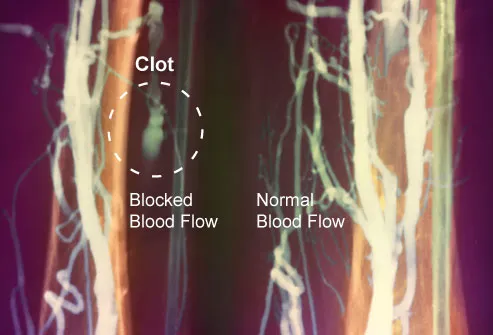
Angiogram of deep vein thrombosis

Are You at Risk for Blood Clots?
Some surgeries can increase your risk of deep vein thrombosis (DVT) and pulmonary embolism (PE). These blood clots can be life-threatening. Ask about risk and prevention. Older age, being overweight, smoking, conditions such as cancer or previous clots, and some medications can increase your risk.


Discuss Your Medical Conditions
Tell your medical team about health issues such as  diabetes, high blood pressure, dental work, arthritis, or food or drug allergies. It's also important to say if you -- or any family members -- have had a reaction to anaesthesia, the medications that will be used to numb you for surgery.


Avoid Medication Mishap
Tell your doctors about all medications that you take. Some can lead to side effects during surgery. Bring up any prescription medications and over-the-counter drugs you take. For example, blood thinners and aspirin can put you at risk for excessive bleeding. Your doctor will tell you which medications you should take before your surgery and which medications to stop prior to your surgery.


Supplement Reactions Can Interfere Your Surgery,So better to Inform your Medical Team
Supplements such as  ginseng, garlic,  fish oils, vitamins, and many more may increase surgery risks. Some may increase heart and bleeding-related risks, others may affect how long anaesthesia lasts, or interact with other medicines. But up to 70% of people don't let their doctors know they take them. So speak up if you do. Your doctors may recommend stopping supplements one or two weeks before surgery.

Blood Transfusion, ask Dr. if you can donate blood before
Ask your doctor if there's a chance you'll need a blood transfusion during surgery. If so, and your operation is at least four weeks away, you can donate some of your own blood and have it stored in case you need it.

Seek a Second Opinion and Ask Questions
 Unsure if it’s the right treatment for you, or if you need the surgery at all? Don’t be afraid to get a second opinion. Getting one doesn't offend doctors and they often encourage it. For a second opinion, look to a doctor who specializes in the treatment of your condition. If you do have surgery, speak up with your questions and concerns at any time -- before, during, and after your hospital experience.

Take Care that there are enough Caregivers after surgery
You'll probably be drowsy right after your surgery, and may need a little help getting around, so ask for the support of family and friends. As you recover, let yourself be pampered and cared for and, if you need it, ask someone you trust to stay overnight with you at home.

Stock Your Pantry and Freezer With Healthy Foods
Before your surgery, stock your pantry and freezer with healthy foods and drinks. Then you won't have to worry about shopping during your recovery. Don't have time? Ask friends or family to help out. Also be sure to get any necessary personal hygiene products, bandages, or other items you'll need after your surgery.

Wear Loose Clothing
Depending on your surgery, dressing may be a challenge as you recover. Ask your doctor how surgery may affect you. If it will affect your movement, look for soft, loose clothes that are easy to put on and take off. Elastic-waist or loose-fitting pants and shirts that button, rather than pullovers, may be easiest to wear, or even loose night gowns, as they're easier to put on and remove, also don't press on the scars, this I can tell you from my personal experience, after all I'm a veteran of 12 major surgeries !

Don't Eat or Drink Before Surgery
Anaesthesia can cause vomiting during or after surgery. While your body normally prevents you from inhaling food you may spit up, anaesthesia can stop these reflexes from working. This can cause choking and complications after surgery like pneumonia. So make sure you follow your doctor's instructions about when to stop eating or drinking before your surgery.

Be Prepared for a Better Surgery
No matter how safely it's performed, surgery involves trauma to the body. People who have healthy habits are often better able to handle it. You can't go back and relive your life, but do what you can between now and your scheduled surgery -- and then keep it up. People who prepare both physically and mentally have quicker recoveries, less pain, and fewer complications.

Avoid Alcohol Before Surgery
Alcohol can have life-threatening effects during surgery. It can have unpredictable effects on anaesthesia and cause excessive bleeding and liver damage. Be honest with your doctors about how much and how often you drink. Stopping drinking, or at least cutting back, can reduce your risk of post-surgical complications. Try going dry about a month before surgery. Or at most, have no more than two drinks a day.

Stop Smoking Before Surgery
Tell your anaesthesiologist if you smoke. Smoking increases infection and other surgery complication risks. Your lungs help your body get rid of inhaled anaesthesia  Quitting smoking before your surgery may help you heal more quickly. Quit when you can, but it's best to try to stop at least two weeks before surgery. Nicotine replacement therapies and support groups are just a few ways to help make quitting easier.

Check Your Blood Pressure
If you have high blood pressure, make sure your medical team knows, especially your anaesthesiologist.  Your anaesthesiologist will be responsible for monitoring your blood pressure and other vital signs during surgery. Getting your blood pressure under control before surgery is important. Ask your medical team about steps you can take. If you are on high blood pressure medication, don't forget to discuss that to see if you should take it on the day of your surgery.

Manage Your Weight 
If you're overweight or obese, you could be at higher risk for complications. While losing weight can help your recovery, don't start dieting if your surgery is less than a month away. Instead, eat healthfully to get the nutrition you need to heal. Also tell your anaesthesiologist if you have sleep apnea, which is often associated with being overweight. You may need a special anaesthesia plan to help you breathe during surgery.

Exercise and Be Active
Eat right and exercising before surgery may help you recover from surgery faster. In one study with rats, those that regularly exercised before surgery recovered much quicker than those that didn't. No matter your activity level, talk with your medical team about it before surgery. They can help you learn how you can safely be active before and after your procedure.

Labels: , , , , , , , , , , , , , , ,