Tuesday, April 01, 2025

Using Dryer Sheets May Be Causing You Health Problems

 Laundry and the dryer are part of everyone's home life, and one of the products most used for this purpose is the dryer sheet. This common household product is laced with toxic fragrances, and the results are wreaking havoc on people’s nervous systems, leading, in several cases, to neurological diseases like dementia. Although it’s impossible to completely get rid of all the toxins in your environment, it is possible to lessen your exposure to them.

Some people have the time and space, and happen to live in the correct climate for drying clothes on a washing line, but most of us have to make use of a dryer. Many people pop in dryer sheets without concern, because they make laundry soft, fragrant, and static free. Few people suspect what this product really contains.

What happens when you use drier sheets?
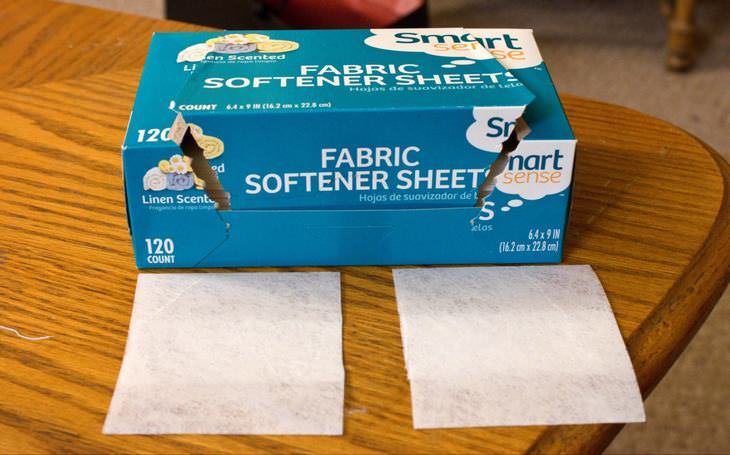
 dryer sheets warning
 
To get your clothes fluffy and smelling of aromatic fragrances, certain chemicals are added to the sheets. These fragrances are known carcinogens and may cause liver damage. These chemicals can easily be transferred to your skin and absorbed. When they get into your bloodstream, they interfere with your nervous system, leading scientists to link these toxins with neurological diseases like dementia and Alzheimer’s. With repeated exposure, you become desensitized to their potency, but your body is not immune. 
 
How come this isn't better regulated?
Regulation here is less stringent than with food. New research suggests wearing fragrances is quite similar to eating them. The FDA and other regulation agencies don’t consider cosmetics as much of a health risk because they don’t assume products applied to the skin are necessarily getting into the bloodstream. Consequently, manufacturers vaguely list their ingredients. This assumption is undermined by the success of the nicotine patch, which is applied directly to the skin, and which has been approved as a treatment for nicotine addiction. 
 
What’s in my dryer sheets and how does this affect my body?

• Alpha Terpineol can cause central nervous system disorders, loss of muscular coordination, headaches and central nervous system depression. 
 
• Benzyl alcohol can cause headaches, nausea, vomiting, dizziness, upper respiratory tract problems, central nervous system depression, and in some severe cases, death. 
 
• Camphor causes dizziness, confusion, nausea, twitching muscles, convulsions, and is a central nervous system stimulant. 
 
• Ethyl acetate may cause headaches and narcosis (stupor). 
 
• Linalool causes central nervous system disorders. Animal studies showed it causing loss of muscular coordination, depression, and reduced spontaneous motor activity. 
 
• Pentane can cause nausea, vomiting, dizziness, drowsiness, headaches, and loss of consciousness. If you repeatedly inhale the vapors, pentane can cause central nervous system depression. 
 
• Chloroform is carcinogenic and neurotoxic. Along with Camphor, and Ethyl Acetate, these 3 chemicals are all listed on the Environmental Protection Agency’s Hazardous Waste list, which was created to warn of common cosmetic chemicals that are dangerous to one’s health.

What should I use instead?
Opt for more natural products, organic if possible, that can leave your clothes smelling pleasant without damaging your health. The best practice is to check the label to see what ingredients are in the product. Another option is to stop using dryer sheets altogether. 
 DIY
 
Healthy natural products can be expensive solutions and aren’t always easy to find. For the more frugal-minded you can make your own woolen dryer balls. They do the same job as dryer sheets. They also halve the drying time and seldom need replacing. Just throw in 3 to 6 of these balls into your dryer, with a few drops of essential oil for a non-toxic fragrance. Remember to tie them tightly.


This is only for your information, kindly take the advice of your doctor for medicines, exercises and so on.   


Labels: , , , , , ,

Saturday, January 11, 2020

Scientists find missing protein in brian causes behaviours mirroring autism

Scientists have discovered that when an essential key protein needed to generate novel brain cells during pregnancy and early childhood days of the offspring is missing, which makes the brain goes haywire. This particular deprivation causes an imbalance in brain's circuitry can lead to long-term cognitive and movement behaviours characteristic of autism spectrum disorder.

During brain development, there is coordinated series of events that have to occur at the right time and the right place in order to establish the appropriate number of cells with the right connections, said the lead author. Each of these steps is carefully regulated and if any of these steps are not regulated correctly, this can impact behaviour. 


The author has been studying the p75NTR protein--needed to regulated cell division-- to determine its exact function in brain development, gain a better understanding of how this genetic mutation could cause brain cells to die off and discover whether there is a genetic link to autism or neurological diseases like Alzheimer's.


Although p75NTR is not a gene specifically linked to autism, it is a part of a family of proteins needed for brain cells to develop, function and survive. The exact timing of the expression of this protein is critical.


This protein has been examined in regard to neurodegeneration as occurs in Alzheimer's disease and cell death after brain injury, said the coauthor of the study. But it has not been looked at regarding the importance it has in generating new neurons.


Working in the laboratory with genetically engineered mice, the Rutgers-NEwark scientists found that mice without the p75NTR protein had more brain cells than should normally exist-- causing problems in the cerebellum, the working unit of the brain that regulates movement and balance as well as cognitive function, and is one the key brain regions affected by autism.


In the Rutgers-Newark study, researchers trained mice-- with and without the p75NTR protein-- to associated a quick puff of air with a blinking light. Mice with the protein learned to blink and shut their eyes when they saw the light while mice without the protein did not.


Other scientific studies have found this same learning deficit in mice with mutations in genes that are associated with autism.


According to the Centers for Disease Control and Prevention, about 1 in every 59 children in the U.S. is diagnosed with autism, up from 1 in every 150 in 2000. Although symptoms vary, the disorder causes difficulties in social interactions with others and often results in repetitive behaviours, speech issues, memory problems and difficulties in understanding non-verbal cues.


While scientists have no clear answer as to the consequences of a brain with too many neurons, autism, primarily a genetic disease, has been associated with unusually large brain size and some scientists think that early brain overgrowth could be a marker for the disorder.


It is important to understand how the bairn's circuitry is built and how it regulated behaviour normally, said the researcher This research shows us that when it is not generated properly, it is going to have an impact on many behaviours.


this is only for your information, kindly take the advice of your doctor for medicines, exercises and so on.     
https://gscrochetdesigns.blogspot.com. one can see my crochet creations  
https://gseasyrecipes.blogspot.com. feel free to view for easy, simple and healthy recipes    
https://kneereplacement-stickclub.blogspot.com. for info on knee replacement
 

Labels: , , , , , , , , ,

Wednesday, January 01, 2020

Incredible Health Benefits of Strawberries

The Many Benefits of Eating Strawberries
Strawberries are best known for being juicy and delicious, but in addition to their sweet taste, these mighty little berries do us a lot of good. They may, in fact, rival spinach in terms of nutrient richness. Furthermore, with just 49 calories per cup, a relatively low amount of sugar and a good source of dietary fiber, strawberries are possibly one of the most nutrient-dense fruits you can eat.
 image.png
Packed with Nutritional Goodness

Just one cup of strawberries contains:

• 0 grams of fat
• 7 grams of sugar
• 3 grams of fiber
• 1 gram of protein
• 4 mg Vitamin C (149%)*
• 2 IU Vitamin A (89%)*
• 0.6 mg Manganese (29%)*
• (9%)*Folate 36 mcg
• 233 mg Potassium (7%)*
• 8 mg Magnesium (5%)*
• 3 mcg Vitamin K (4%)*
 *% from RDA (Recommended Daily Allowance)
How to Select and Buy Strawberries

The strawberries you select have an important impact on the health benefits you'll reap (read on to discover more). So, when purchasing strawberries, bear in mind the following factors:


1. Look at the color and the condition of the skin. They should be a bright, deep, red color.
2. Check their smell. Strawberries should have a fragrant, sweet smell, showing that they have become ripe enough.
3. Berries that appear dark and mushy should be avoided. This indicates that they are going to spoil pretty quickly.
4. An under-ripe strawberry will have a white or slightly green color at the top. These should be avoided as they lack flavor. Alternatively, you could wait for several days for them to ripen before eating them.
5. Keep strawberries refrigerated and unwashed. This will prolong their freshness. Washing strawberries ahead of time can cause them to grow mold. 

High in antioxidants
Studies conducted on strawberries show that they contain a high source of various antioxidants. Strawberries also contain two essential micronutrients (vitamins A and C) which act as antioxidants in the body. These essential vitamins are one of the body's first lines of defense. They help reduce free radical (an atom or molecule that has a single unpaired electron in an outer shell) damage that leads to inflammation and chronic diseases.
Antioxidants 'donate' electrons to unstable free radicals which are missing electrons. They also slow the occurrence of oxidative stress, which is primarily responsible for the aging process as well as the formation of most diseases, including cancer, heart disease, diabetes, and neurological disorders. Eating strawberries, therefore, counteracts the damaging effects caused by free radicals, slowing the aging process and reducing inflammation. 


Anti-cancer
Research has shown that strawberries may help fight against cancer. In fact, studies show that strawberries may block the initiation of cancer cell formation (known as carcinogenesis). They have also been found to suppress the progression and proliferation of cancerous tumors.
Furthermore, in a controlled study, participants who were given strawberry extract containing anthocyanin antioxidants had reduced human liver cancer cells when compared to the group that did not receive the extract. In addition, studies show that consuming berries lowers the risk of breast, colon, prostate and skin cancer. 


Lowers risk or heart diseases
The antioxidants in strawberries have been found to lower the risk of cardiovascular disease by slowing down LDL (bad) cholesterol and limiting plaque build-up in the arteries. They have also been found to improve blood vessel function and blood pressure, as well as decrease the formation of dangerous blood clots inside blood vessels (known as thrombosis).
Strawberry extracts have been shown to decrease the inflammatory response within the body - a major cause of heart disease. Furthermore, oxidative damage has also been linked to an increased risk of heart attack and stroke, so eating strawberries that are packed with antioxidants can help fight this process too.


Excellent for skin health
As we age, the condition and appearance of the skin is altered. Usually a result of a poor diet, sun exposure and environmental toxins, the skin undergoes photo-aging, inflammation and may also show signs of immune dysfunction, acne and other skin disorders.
Studies show that one of the best foods for skin health is strawberries and other berries, primarily because they are rich in antioxidants like vitamins A and C, which have been found to improve skin properties, lower levels of wrinkles and discoloration as well as boost skin elasticity. Vitamin C has also been found to promote collagen synthesis, photo-protection from ultraviolet A and B, as well as improving a variety of inflammatory rashes.


Anti-aging
Studies show that diets rich in strawberries have the potential to protect the brain against aging. Strawberries are high in flavonoids like anthocyanidins, which have been found to improve cognition in experimental studies. As long-term intakes of berries and flavonoids reduce the rate of oxidation damage in the brain, health practitioners, therefore, recommend that people include berries in their diet as much as possible to defend against oxidative stress and inflammation in the brain, as well as the loss of memory and diseases like Alzheimer's and dementia. 


Rich in antioxidants
Most westerners have a diet high in convenience and packaged foods, which are usually packed with sugar, refined fats, artificial ingredients, and toxins - all of which are hard on the digestive system. Strawberries may help detoxify the body, restoring the health of the digestive tract, promoting digestive regularity and providing anti-inflammatory antioxidants. Vitamins A and C found in strawberries also help the body to detoxify, as do the vital antioxidants they contain. Both help the body to neutralize and eliminate toxins, including excessive free radical damage, inflammation and digestive conditions. 


High manganese

Just one cup contains an impressive 29 percent of your daily manganese intake. Manganese is an essential nutrient needed for proper nervous system and brain health. It helps prevent neurological disorders like Parkinson's disease and epilepsy. This mineral is also essential in the formation of bones, connective tissues, making blood-clotting possible and producing enough reproductive sex hormones. 


Great source of folate
Strawberries are a great source of folate - one cup supplies about 9 percent of your RDA. This B vitamin helps tissues grow, cells properly function and is also crucial for a healthy pregnancy. In fact, consuming a good amount of strawberries before and during pregnancy has been found to prevent certain birth defects, including spina bifida. Folate also prevents anemia.


this is only for your information, kindly take the advice of your doctor for medicines, exercises and so on.     
https://gscrochetdesigns.blogspot.com. one can see my crochet creations  
https://gseasyrecipes.blogspot.com. feel free to view for easy, simple and healthy recipes    
https://kneereplacement-stickclub.blogspot.com. for info on knee replacement


Labels: , , , , , , , , , , ,

Wednesday, November 20, 2019

Myths about migraines

There are many myths about migraine, which is a chronic disease. These myths not only foster a misunderstanding of this neurological disease, but can also be demoralising to patients. Here are some common myths one might harbour about the condition: 

Myth #1: It is just a headache
A headache is only one symptom. Migraines are often associated with nausea, sensitivity to light, sound and strong odour, difficulty concentrating, vertigo, and neurological problems such as visual disturbances, numbness, speech and language impairment, weakness or even fainting in some.

Myth #2: Migraines don’t last for days
The ‘typical’ migraine lasts from 4 to 72 hours. Unfortunately, some people do have
migraines daily.

Myth #3: Only women have migraines
Even though women are three times more likely to have a migraine, men suffer from migraines as well. 18- 20 per cent of women and 8-10 per cent of men suffer from migraine, most are never diagnosed.

Myth #4:  Only adults have migraine
Children as young as five years can experience migraine headache, often with abdominal pain, nausea, vomiting, irritability, episodic confusion, severe dizziness,fatigue, lack of concentration, fainting spells etc.

Myth #5:  I don’t have migraines because my headache is not on one side
Migraine can be one sided or involve the whole head or even back of head and neck, sometimes in the face too.  50 per cent of patients with migraine do not have vomiting during every episode and 80 per cent don’t have any aura. Aura (visual or sensory symptoms) occur in only 20 per cent of migraine sufferers and sometimes with only some episodes of headache, but not all.

Myth #6:  I don’t have migraines; I have a ‘sinus headache’
Sinusitis can cause pain in front of the head and side of the nose with yellowish discharge from the nose and often with fever. Migraine headache is mistaken for sinus headache because of its location, tenderness on pressure in these regions, nasal stuffiness, redness of eyes (all of which can occur in migraine), and an abnormal sinus X-rays . So called ‘sinus medications’ help relieve migraine headache too thus perpetuating the belief that it is a sinus headache. 

Myth #7. Daily painkillers don’t help
Nonspecific pain killers (Aspirin, Paracetamol,Ibuprofen etc) may  relieve your infrequent headache, taking the pain killers everyday will only make it only worse by producing ‘medication overuse headache’ so called Analgesic Rebound headache.

Myth #8. Nothing can be done about migraines
There are many preventive medications for reducing the frequency and severity of migraine. They have to be taken regularly for several months, sometimes years.

this is only for your information, kindly take the advice of your doctor for medicines, exercises and so on.     
https://gscrochetdesigns.blogspot.com. one can see my crochet creations  
https://gseasyrecipes.blogspot.com. feel free to view for easy, simple and healthy recipes    
https://kneereplacement-stickclub.blogspot.com. for info on knee replacement


readmore

Labels: , , , , , , , , ,

Thursday, October 31, 2019

From healthy eating to drug: Beat obesity most effectively

Obesity has become a significant global health challenge with an increasing prevalence in both developed and developing countries. The worldwide occurrence of obesity has nearly tripled in the last 40 years, and 31.3 per cent of India’s population was diagnosed positive in the year 2015. 

 Obesity is associated with a plethora of metabolic diseases including cardiovascular anomalies, hypertension, diabetes mellitus, dyslipidemia, and sleep apnea. The primary cause of obesity may be genetic—including monogenic disorders and conditions like Prader—Willi. Secondary causes may be neurological illnesses like brain injury, tumours, hypothalamic obesity), endocrine imbalances like hypothyroidism or depression or drug-induced problems like the effects of antidepressants and beta-blockers. 

Obesity causes decreased cardiac output, increased left ventricular wall thickness and accelerates atherosclerosis. It also results in diabetes by altering levels of adipocytokines, increasing circulation of free fatty acids and altering body fat distribution, causing insulin resistance and increased blood glucose levels. Weight loss can bring in significant differences in this condition. A loss of 5-10 per cent has been shown to improve hypertension, insulin resistance, and glycemic control. In the diabetes prevention program, a cut-back of approximately 7 per cent achieved through lifestyle changes was associated with a 58 per cent reduction in the risk of developing type 2 DM in obese, prediabetic individuals. A weight loss of 10 kg increased life expectancy by 35%.  

While many methods for weight loss are available these days, lifestyle interventions and maintaining a healthy diet are most preferred. All scientific guidelines mandate at least 150 minutes of moderate aerobic exercise per week, along with 3 weekly sessions of resistance training. Mediterranean diet which is rich in vegetables, fruits, lean meat and fish cooked in olive oil is shown to aid in weight loss. 

Drug therapy is indicated when lifestyle interventions fail in long-term weight management of patients who are obese—with body mass index >30 kg/m2 or those who have BMI between 27-29.9 with obesity-related morbidity (eg diabetes, hypertension, etc). Doctors were facing a holy grail when it came to safe and effective anti-obesity molecules for non-diabetic obese patients until we found the answer in lorcaserin.

This drug is promising as it acts on the 5HTc receptor selectively and stimulates them in the appetite center of the brain. This further reduces food intake and increases a feeling of fullness, thus aiding weight loss. Compared to other similar molecules it has fewer cardiovascular side effects like valvular heart disease. 

It helps in effective weight loss when taken on a long term basis accompanied by exercise and diet control. This, in turn, will reverse many of the obesity-related complications mentioned earlier too. However, It cannot be used in those with major depressive disorders. Surgery is yet another way to beat extreme cases of obesity. Bariatric surgery is a good option for those with a BMI above 40, but all surgeries have their own set of complications. An appropriate weight-loss strategy must be chosen only after taking aspects like cardiovascular safety, and maintenance of kidney health into account.

this is only for your information, kindly take the advice of your doctor for medicines, exercises and so on.     
https://gscrochetdesigns.blogspot.com. one can see my crochet creations  
https://gseasyrecipes.blogspot.com. feel free to view for easy, simple and healthy recipes    
https://kneereplacement-stickclub.blogspot.com. for info on knee replacement


Labels: , , , , , , , , , , , , ,

Saturday, October 12, 2019

Virus-inspired method to deliver drugs to brain

In a first, researchers have engineered small particles, similar to the size of viruses, to cross the protective border separating the circulating blood from the brain, an advance that may pave the way for improved drug delivery to the organ.

The study, noted that the new method allowed for combination drug delivery, through intravenous injections to cross the blood-brain-barrier(BBB).


The researchers, synthesised and modified components from a virus that targets the brain- a bacteriophage fd-- to deliver drugs across the BBB.


When the " small, hairy particle" that they developed was injected into mice, the system crossed the BB and targeted the brain, reaching neurons and other special brain cells, the study noted.


According to the researchers, most drugs are excluded from the brain by the protective blood-brain-barrier and current treatment options aimed at crossing this barrier were risky.


Crossing the BB has hindered the industry from effectively addressing central nervous system diseases, including brain tumours and many neurological diseases like Parkinson's, Alzheimer's and Huntington's, said the lead author of the study.


However, he added that some viruses have found ways to bypass the BB and enter the brain.


" We are very excited by our research-- our delivery system is versatile and  amenable to modifications, so, in principle, we can hopefully address shortfalls in drug delivery to the brain through intravenous injection, said the author.


The new delivery system, based on more than a decade of research, has significant implications for developing drugs that can cross the BB, and other biological barriers, the researchers said.


The researchers said that the method may open up several opportunities to address neuro-degenerative diseases with modern therapeutics.


this is only for your information, kindly take the advice of your doctor for medicines, exercises and so on.   
https://gscrochetdesigns.blogspot.com. one can see my crochet creations  

https://gseasyrecipes.blogspot.com. feel free to view for easy, simple and healthy recipes    
https://kneereplacement-stickclub.blogspot.com. for info on knee replacement


Read more at: https://www.deccanherald.com/science-and-environment/virus-inspired-method-to-deliver-drugs-to-brain-study-767866.html

Labels: , , , , , , , , , , , , , ,

Tuesday, August 13, 2019

Health Risks Associated With Daytime Naps

Who doesn’t love a good nap during the day? It feels like the perfect way to catch up on deficit sleep from the night, to recharge your batteries and refresh yourself. But while it may be tempting to take one for all the relaxation it offers, it could also indicate some major health disorder including Alzheimer's Disease, according to a latest research. The research found that Alzheimer’s first targets the brain cells that keep us awake during the day. This tends to make us sleepier during the day.  That means that if you are one of those who feel sleepy during the day you could be at risk of developing the neurological disease.

In September last year, another study,  said that those who feel sleepy during the day are nearly three times more likely to develop Alzheimer’s disease than those who have a good night’s sleep. Those who report being very sleepy during the day are more likely to have brain deposits of beta-amyloid — a protein that’s a hallmark for Alzheimer’s disease — years later. The finding, said that poor quality sleep could encourage this form of dementia to develop, suggesting that getting adequate night-time sleep could be a way to help prevent Alzheimer’s disease.

Heart disease: Another research associated daytime napping with the risk of developing cardiovascular disease (CVD) and death. The study found that people who slept for longer than the recommended duration of six to eight hours a day had an increased risk of dying or developing heart disease or stroke.

Insomnia: Daytime naps can disrupt your sleep at night causing sleeplessness. This is why those who experience sleep problems at night should make sure to get treatment for their problems instead of routinely trying to catch up on lost sleep during the day.

THIS IS ONLY FOR INFORMATION, ALWAYS CONSULT YOU PHYSICIAN BEFORE HAVING ANY PARTICULAR FOOD/ MEDICATION/EXERCISE/OTHER REMEDIES.                                    PS- THOSE INTERESTED IN RECIPES ARE FREE TO  VIEW MY BLOG-                                                                                           https://gseasyrecipes.blogspot.com/                                                                                                                                                FOR INFO ABOUT KNEE REPLACEMENT, YOU CAN VIEW MY BLOG-                                                  https:// kneereplacement-stickclub.blogspot.com/                                                                      FOR CROCHET DESIGNS                                                                                                    
                                https://gscrochetdesigns.blogspot.com

Labels: , , , , , , , , , , , ,