Sunday, December 19, 2021

Reset Your Hormones and Melt Fat

If you have been struggling to lose weight, hormones may be the reason why. Your hormones control every aspect of your weight loss, including your metabolism, where you store your fat, your appetite and even your cravings. So any kind of hormonal imbalance may sabotage your weight loss efforts. While exercising and a balanced diet will help if your hormones are out of balance you may struggle to lose weight. But if you understand how they work and how to reset them, you will be able to lose weight faster.

What is hormone resetting?  
Hormones are biochemicals that every multicellular organism produces to orchestrate the way your mind and body behaves. Hormones are an essential part of the way males and females get energized, collect fat, combat stress and maintain muscle. Keeping your hormones in balance is a great way to ensure an energetic and happy life, though many people turn to expensive and possibly dangerous supplements. The information below reviews some basics behind the complex process of hormone resetting as discussed by Dr. Natasha Turner who broke ground and gave momentum to a natural wellness movement when she released her book, 'The Supercharged Hormone Diet'.

It all starts with a detox  
When addressing hormonal imbalances there's a lot to consider: sleep, exercise, meal frequency and so on. The first thing you should focus on is eating the right foods in order to flush your body of toxins. There are particular foods that cause the digestive tract to become irritated which in turn sets the balance of your hormones off. Consequently, it encourages random food cravings, even when your body doesn't need the fuel. So, if you're eating when you shouldn't be and your hormones are unbalanced, you'll be accumulating fat and preventing it from leaving. A proper diet will help your body detoxify. Opt for foods that have beneficial anti-inflammatory properties.

What foods should you avoid?resetting hormones

If you are allergic to any type of food, even on a relatively harmless level, cut it from your diet. Stay away from foods that have a high glycemic index, this will encourage the food cravings described above. Foods that are rich in carbs and sugar, including white bread, soda, baked goods, pasta and most processed foods are foods you should avoid.  
 
What foods should I eat

resetting hormones
According to Dr. Turner, food with a low glycemic index to keep your hormones balanced are the foods you should eat. Foods that are high in fiber are best - so opt for bananas, artichokes, raisins, oatmeal, beans and nuts to help keep your digestive tract from irritation. When it comes to detox, make sure that you are getting enough water each day. Drinking approximately eight cups every day will help boost your metabolism and give your body a medium to flush out any unwanted toxins in the liver and the body.  
 
Target specific fat areas
resetting hormones
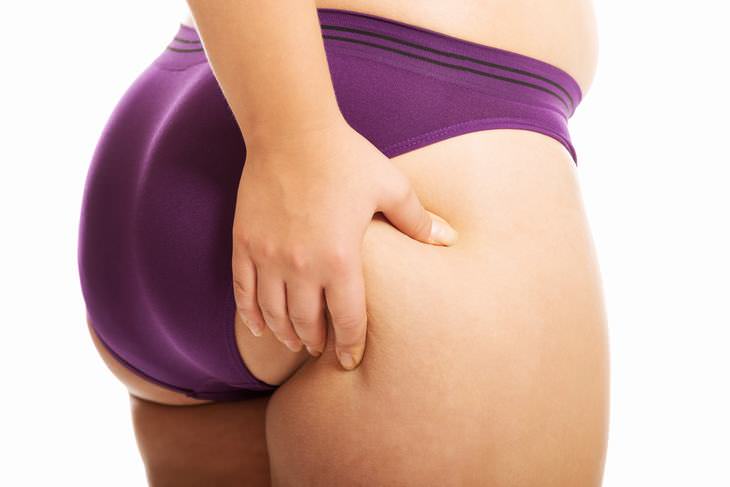
Sometimes people have fat deposits that are more problematic than others. Stubborn areas might seem to remain chubby because of biological misfortunes. There are certain types of supplements and food that you can use to target individual fat areas. This is what Dr. Turner recommends: 
 
1. The belly  
While we all have abdominal muscles, it's the fat on the stomach that keeps them from showing. One such cause is too much cortisol which could be a major factor behind the accumulation of stomach fat. Holy basil is an Indian herb that helps maintain healthy cortisol levels and is commonly taken in capsule form. The best foods for reducing cortisol include spinach, citrus, nuts, beans, and barley.  
 
2. The back  
While fat on the back and upper torso is less common than stomach fat, it is equally challenging to take on. It's also an indication that you have high insulin levels. Foods containing conjugated linoleic acid such as milk, yogurt, cheese, and beef will also help. You should also opt for whole grain options and green vegetables. 
 
3. The glutes
If you have excess body fat on your bottom it could be due to high levels of estrogen. Opt for cruciferous vegetables such as broccoli, cauliflower, and cabbage which are high in estrogen-blocking phytochemicals. Chia, flax and sesame seeds have polyphenols that get rid of estrogen in the bloodstream. Pomegranates and red grapes are good fruit choices for lower estrogen levels as well.  
 
Best diet: Eat glyci-med style
resetting hormones
This is a new type of diet which is a twist on the classic Mediterranean diet. This is considered to be one of the best prescriptions for a long, healthy life. It focuses on the science behind glycemic index and carbs. This type of diet requires you to focus on the macronutrient - carbohydrates, fat and protein balance in your meals. According to Dr. Turner, a basic approach to the diet is aiming to consume twice as much fat and protein as you do carbs. This will help keep your stomach feel full and satisfied for longer periods and will keep you away from perilous craving binges. Your cortisol, insulin and estrogen levels will also stay at healthy mediated levels.  
 
Quick tips to bear in mind 
 
1. Protein powder is an essential tool to maintain this diet. You can add it into your water or milk, mix it into oatmeal, or bake it into recipes to make sure you aren't overloading on carbs with each meal. 
 
2. While it may be tough to make a transition from sandwiches to salads, you'll reap the benefits. Try avoiding bread for at least one meal as this will make it much easier for you to balance macronutrients. 
 
3. While fruit is fine in moderation, make sure you choose whole fruit over juices. Most juices have far less fiber and added sugars. 
 
4. Be sure to keep your eye out for calories in drinks. Sodas and juices tend to contain more carbs than people realize. Look for calorie-free options like flavored water or opt for protein-rich alternatives such as milk. 
 
5. Increase intake in nuts, dry red wine, buckwheat, pomegranates and almost any type of vegetable.

This is only for your information, kindly take the advice of your doctor for medicines, exercises and so on.   

https://gscrochetdesigns.blogspot.com. one can see my crochet creations  
https://gseasyrecipes.blogspot.com. feel free to view for easy, simple and healthy recipes    
https://kneereplacement-stickclub.blogspot.com. for info on knee replacement

Labels: , , , , , , , , , , , , , , , , , ,

Friday, September 03, 2021

Pay Attention to These Foot Symptoms for Better Health

Although “my feet are killing me!” is one of the most overused exaggerations in the entire world, the truth is that the condition of your feet can say a lot about the overall state of your health, as well as indicate any underlying issues you may have.

Reflexologists and massage therapists have been proponents of manipulating points on the feet to improve the health of internal organs for a very long time. Although the evidence to prove this is somewhat scant, it's true that a person’s state of health can be expressed through their feet.
 
In addition to containing a quarter of the entire human body’s bones, the feet also bear its entire weight. There are no less than 33 joints, 100 tendons, muscles and ligaments in them, as well as countless nerves and blood vessels that link to the heart, spine and brain. 
 
Taking the above into account, it perhaps isn’t a surprise to know that if there is something wrong with someone’s feet, the likelihood is that their entire body will be affected as well. 
 
Let’s take a look at 10 things about the human body that can be revealed by the condition of the feet: 
 
1. Foot Cramping and Spasms 
If you happen to get cramps and spasms in your foot, it could be a sign of a deficiency in your body. Spasms can be caused by dehydration, which occurs as a result of the muscles not getting enough oxygen. Another reason for muscles spasms could be that there is a lack or imbalance of electrolytes or nutrients in your body.

If you experience spasms specifically when walking, then this could indicate a circulatory problem. 
 
A further reason for spasms to occur is overexertion, or failing to stretch adequately prior to exercising. Last but not least, the type of shoe you’re wearing may be causing you discomfort. If you’re a lady who happens to enjoy wearing sky-high heels, for instance, you should look more closely at your choice of footwear to see if they’re to blame for the spasms.  
 
2. An Enlarged Big Toe
Gout is the most common type of inflammatory arthritis in men, and it can cause the big toe to become red, hot, swollen and extremely painful. Gout occurs as a result of too much uric acid building up in bodily tissues and fluids. It’s also to blame for an increased risk of developing kidney stones. 
 
This type of inflammatory arthritis usually manifests itself in the big toe because uric acid crystals tend to collect in the coolest part of the body. Overweight or obese people are more at risk of developing gout, as well as those who drink excessive amounts of alcohol and/or consume lots of meat. Furthermore, certain medication can exacerbate the risk. 
 
3. Cold Feet, Warm Heart?  
Do your feet to tend to be abnormally cold? If they do, it could indicate that you have poor circulation, diabetes, hypothyroidisim or anemia. 
 
In addition, if your feet change color from red, to white, to blue, it could be a sign of Raynaud’s disease, which is a narrowing of the blood vessels when nerves overreact to the cold. 
 
Primary Raynaud’s sufferers are advised to avoid the cold and smoking tobacco, however 20% of all cases stem from an underlying disease.
 
4. Swollen Feet
Swollen feet can be indicative of numerous health problems, and if you happen to have this symptom you should most definitely get it checked by a doctor – it could be life-threatening. 
 
Poor circulation and related heart failure, kidney or liver disease could all be behind swollen feet, as could deep vein thrombosis, a blood clot, lymphatic build-up and cellulitis, among others. 
 
Try raising your feet when sitting down, exercising your legs, reducing your salt intake and avoiding tight clothes, if you happen to have swollen feet. 
 
5. Spoon-Shaped Toenails 
Concave-shaped toenails aren’t just unsightly – they could also be a sign of something underlying. The primary thing it’s associated with is nutritional deficiencies. They’re also associated with genetic disorders, circulatory problems, autoimmune diseases and musculoskeletal conditions.  
 
6. Colored Toenails
Conditions such as tuberculosis, jaundice due to liver problems, thyroid gland information and even sinusitis could all cause the toenails to yellow. 
 
Yellowed toenails can also be symptomatic of bronchiectasis, a lung condition that causes breathing problems. 
 
Different nail colors and textures could also indicate a whole range of various systemic problems. If you have toenail discoloration or deformities, you should seek medical advice immediately.  
 
7. Pins and Needles  
Circulatory problems, peripheral nervous system damage, a trapped nerve and a range of other ailments can lead to numbness or tingling in the feet. Diabetics who are exposed high blood glucose for an extended period can also experience nerve damage, which in turn leads to tingling in the feet. Pins and needles in the body’s extremities can also be one of the first symptoms of multiple sclerosis. 
 
 8. Aching Toe Joints
Some 90% of people who have rheumatoid arthritis will experience aching toe joints. The disease makes the lining of the joints swollen and inflamed. As a result, the joints and supporting ligaments and tissues are damaged, which ultimately leads to decreased mobility. 
 
Numerous anti-inflammatory foods can be consumed to help relieve these symptoms, and also provide pain relief. Furthermore, shoe inserts can help minimize pressure and correct the shape of the foot. Some people also have braces that they wear on their feet.

9. Foot Drop 
If you have difficulty lifting the front part of your foot, this could be a sign that you have drop foot, which is normally indicative of an underlying muscular, neurological or anatomical problem. 
 
Nerve or muscle damage as far up as the neck or shoulder could be causing the problem, causing your foot to drag when walking. 
 
Foot drop can occur as a result of a leg injury, or damage during a hip operation. It can also be the result of a neurological disease such as polio, as well as a brain or spinal cord disorder. 
 
A brace or splint can be used to help maintain a normal foot position, whereas nerve stimulation can also alleviate drop foot to a certain extent. Surgery can also be undertaken to treat nerves, fuse bones or correct the position of tendons.  
 
10. Persistent Sores
If you have diabetes, it’s possible that you have experience nerve damage to some extent. Nerve damage, or neuropathy, results in people being unable to feel or notice injuries such as blisters. 
 
A foot injury that hasn’t been seen to appropriately can lead to ulcers and gangrene, which, in a worst-case scenario, could lead to a food being amputated. Nerve damage can also cause feet and toes to change shape. 
 
Dry, cracked and peeling skin on the feet can also be a sign of diabetes, as can calluses and poor circulation.

Conclusion  
If you have a seemingly minor problem with your feet, it might warrant more attention than you first imagined. Keep all of the above in mind and seek medical advice should you feel the need to.

This is only for your information, kindly take the advice of your doctor for medicines, exercises and so on.   

https://gscrochetdesigns.blogspot.com. one can see my crochet creations  
https://gseasyrecipes.blogspot.com. feel free to view for easy, simple and healthy recipes    
https://kneereplacement-stickclub.blogspot.com. for info on knee replacement

Labels: , , , , , , , , , , , , , , ,