Sunday, December 19, 2021

Reset Your Hormones and Melt Fat

If you have been struggling to lose weight, hormones may be the reason why. Your hormones control every aspect of your weight loss, including your metabolism, where you store your fat, your appetite and even your cravings. So any kind of hormonal imbalance may sabotage your weight loss efforts. While exercising and a balanced diet will help if your hormones are out of balance you may struggle to lose weight. But if you understand how they work and how to reset them, you will be able to lose weight faster.

What is hormone resetting?  
Hormones are biochemicals that every multicellular organism produces to orchestrate the way your mind and body behaves. Hormones are an essential part of the way males and females get energized, collect fat, combat stress and maintain muscle. Keeping your hormones in balance is a great way to ensure an energetic and happy life, though many people turn to expensive and possibly dangerous supplements. The information below reviews some basics behind the complex process of hormone resetting as discussed by Dr. Natasha Turner who broke ground and gave momentum to a natural wellness movement when she released her book, 'The Supercharged Hormone Diet'.

It all starts with a detox  
When addressing hormonal imbalances there's a lot to consider: sleep, exercise, meal frequency and so on. The first thing you should focus on is eating the right foods in order to flush your body of toxins. There are particular foods that cause the digestive tract to become irritated which in turn sets the balance of your hormones off. Consequently, it encourages random food cravings, even when your body doesn't need the fuel. So, if you're eating when you shouldn't be and your hormones are unbalanced, you'll be accumulating fat and preventing it from leaving. A proper diet will help your body detoxify. Opt for foods that have beneficial anti-inflammatory properties.

What foods should you avoid?resetting hormones
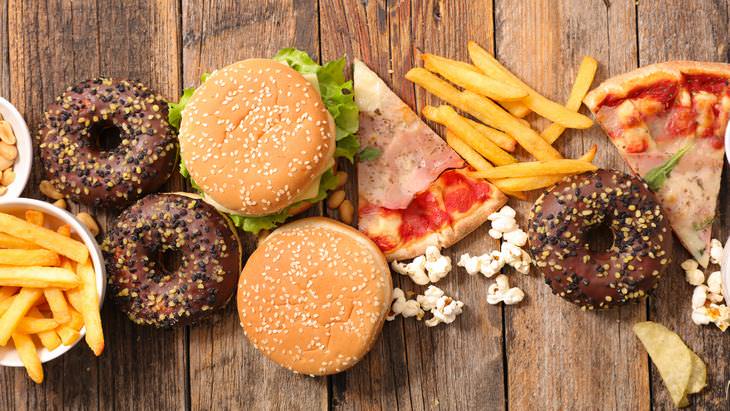
If you are allergic to any type of food, even on a relatively harmless level, cut it from your diet. Stay away from foods that have a high glycemic index, this will encourage the food cravings described above. Foods that are rich in carbs and sugar, including white bread, soda, baked goods, pasta and most processed foods are foods you should avoid.  
 
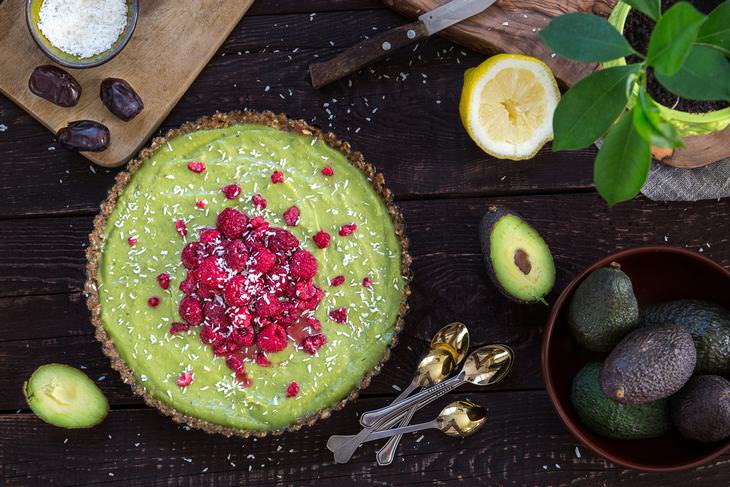
What foods should I eat
resetting hormones
According to Dr. Turner, food with a low glycemic index to keep your hormones balanced are the foods you should eat. Foods that are high in fiber are best - so opt for bananas, artichokes, raisins, oatmeal, beans and nuts to help keep your digestive tract from irritation. When it comes to detox, make sure that you are getting enough water each day. Drinking approximately eight cups every day will help boost your metabolism and give your body a medium to flush out any unwanted toxins in the liver and the body.  
 
Target specific fat areas

resetting hormones
Sometimes people have fat deposits that are more problematic than others. Stubborn areas might seem to remain chubby because of biological misfortunes. There are certain types of supplements and food that you can use to target individual fat areas. This is what Dr. Turner recommends: 
 
1. The belly  
While we all have abdominal muscles, it's the fat on the stomach that keeps them from showing. One such cause is too much cortisol which could be a major factor behind the accumulation of stomach fat. Holy basil is an Indian herb that helps maintain healthy cortisol levels and is commonly taken in capsule form. The best foods for reducing cortisol include spinach, citrus, nuts, beans, and barley.  
 
2. The back  
While fat on the back and upper torso is less common than stomach fat, it is equally challenging to take on. It's also an indication that you have high insulin levels. Foods containing conjugated linoleic acid such as milk, yogurt, cheese, and beef will also help. You should also opt for whole grain options and green vegetables. 
 
3. The glutes
If you have excess body fat on your bottom it could be due to high levels of estrogen. Opt for cruciferous vegetables such as broccoli, cauliflower, and cabbage which are high in estrogen-blocking phytochemicals. Chia, flax and sesame seeds have polyphenols that get rid of estrogen in the bloodstream. Pomegranates and red grapes are good fruit choices for lower estrogen levels as well.  
 
Best diet: Eat glyci-med style
resetting hormones
This is a new type of diet which is a twist on the classic Mediterranean diet. This is considered to be one of the best prescriptions for a long, healthy life. It focuses on the science behind glycemic index and carbs. This type of diet requires you to focus on the macronutrient - carbohydrates, fat and protein balance in your meals. According to Dr. Turner, a basic approach to the diet is aiming to consume twice as much fat and protein as you do carbs. This will help keep your stomach feel full and satisfied for longer periods and will keep you away from perilous craving binges. Your cortisol, insulin and estrogen levels will also stay at healthy mediated levels.  
 
Quick tips to bear in mind 
 
1. Protein powder is an essential tool to maintain this diet. You can add it into your water or milk, mix it into oatmeal, or bake it into recipes to make sure you aren't overloading on carbs with each meal. 
 
2. While it may be tough to make a transition from sandwiches to salads, you'll reap the benefits. Try avoiding bread for at least one meal as this will make it much easier for you to balance macronutrients. 
 
3. While fruit is fine in moderation, make sure you choose whole fruit over juices. Most juices have far less fiber and added sugars. 
 
4. Be sure to keep your eye out for calories in drinks. Sodas and juices tend to contain more carbs than people realize. Look for calorie-free options like flavored water or opt for protein-rich alternatives such as milk. 
 
5. Increase intake in nuts, dry red wine, buckwheat, pomegranates and almost any type of vegetable.

This is only for your information, kindly take the advice of your doctor for medicines, exercises and so on.   

https://gscrochetdesigns.blogspot.com. one can see my crochet creations  
https://gseasyrecipes.blogspot.com. feel free to view for easy, simple and healthy recipes    
https://kneereplacement-stickclub.blogspot.com. for info on knee replacement

Labels: , , , , , , , , , , , , , , , , , ,

Tuesday, October 26, 2021

How to keep yourself safe if you contract dengue, and foods to help you recover faster

How to recover faster and avoid complications with dengue

Just as we are seeing COVID-19 cases plummet in India post the second wave, we are seeing an alarming high in the number of dengue cases in the country.


The dengue epidemic, a seasonal recurrence, has been surging across states in India, and causing a high rate of hospitalization too. Without a vaccine available, fighting the infection has also turned chaotic, and alarming the need for preventive care. Doctors are also suspecting that the strains in circulation are also manifesting into severe symptoms, leading to additional health risks.


While it remains crucial that we do all that we can to mitigate the risks of preventing a disease like dengue, safeguard our health , at this moment, it also is very important that individuals who do happen to contract dengue know possible means to identify if their infection is turning severe, when to seek help and follow the right diet to recover faster.


Why is the current strain of dengue so threatening?

Just like a lot of other viruses, the dengue virus, or the DENV virus is said to have four strains- some of which cause a 'milder' infection, while some of which have a higher risk of severity and mortality. With the current season, it's being suspected that the D2 strain, or DENV-2 is the responsible strain which is primarily causing a spike in infections. Since it particularly contains features which can cause severe symptoms, just like variants of coronavirus, there's been high rates of hospitalization being witnessed across states.


While most times DENV strains cause acute or mild flu-like illness, particular strains of DENV, such as D2 have been particularly associated with severe symptoms and intensity of symptoms, which can also lead to death if not managed in time. Some medical authorities have also cited the DENV-2's apparent capability to facilitate viral entry, and cause the infamous dengue-shock syndrome or the dengue-hemorrhagic fever.

readmore

Who has a high risk of battling dengue complications?

Dengue can be a manageable illness for most, but raises the risk of complications and threatening consequences for particular groups, including the kids, elderlies, those battling serious comorbidities, or having immunocompromised conditions, which could make it easier for them to catch infections, and recover slow. Those with a weak immunity could be at risk too, since it could take them longer to generate necessary immune responses, and more vulnerable to suffering from complications.


With the DENV-2 strain, the current one in circulation, there's also a considerable risk for someone who has been infected by dengue before. With dengue, a person can get infected with all four serotypes. Specifically, with a severe strain as such, those who have fought the infection before can be at risk for severe illness and risky outcomes as well. All these risk factors could cause a likely surge in hospitalizations and mortality, if the infection is not diagnosed in time or managed well.

readmore

Signs of a severe dengue infection to watch out

Usually, with dengue, since the symptoms could be very confusing, it can be difficult to point out as to when and how an individual is suffering from a severe infection. However, with the trend that has been observed, it's important to watch out for the symptoms in time, and know the right time to seek urgent medical care.

Having said that, a low platelet count is said to be a tell-tale sign of dengue complications. With the newer strain, it's also possible for newer symptoms to come up and cause concern. The following remain to be the most cumbersome signs of a severe dengue infection, and need to be attended at the earliest:

-Severe abdominal pain and belly

-Dizziness and confusion

-Rapid breathing

-Vomiting with blood

-Hemorrhagic fever

-Rashes

-Bleeding from nose and gums

-Early signs of liver damage

-Feeling tired, restless or irritable

readmore

What should you do, if you test positive right now?

Without a vaccine available for help and a confusing parallel with COVID, it's important that any individual who suspects symptoms get tested at the earliest. To rule out complications and additional risks, getting a COVID test may also be advised.

At the same time, since dengue can be a condition which could quickly worsen, doctors also advise that patients get necessary liver function tests done, along with routine scans to evaluate blood and platelet count in the body, during the phase of infection and subsequent recovery.

If you have preconditions which could put you at risk for dengue severity, or other complications, seek advice from your doctor about the possible next steps, and medical help which would be needed.

readmore

Diet to recover from dengue: Do's and don'ts to follow

When it comes to fighting a dengue infection, concentrating on your diet is just as crucial as other aspects of treatment. On one hand, it's important to take medications, supplement the body with adequate hydrating fluids, and diet also needs to be focussed on.

While having a nourishing, balanced diet is something which is essential to fight the sickness, there are some foods which are said to facilitate faster recovery from the infection, and may also help boost the platelet count in the body. One traditional remedy, trusted for long, are papaya leaves, which are said to be rich in enzymes and antioxidants that can greatly help stabilize blood platelet count and aid recovery. Foods like pomegranates, turmeric, fenugreek leaves and fenugreek seeds, kiwis, broccoli and other seasonal fruits and vegetables could work very well in energizing the body, loading up vitamin C and other nutrients needed to fight the infection.

readmore

What foods should you avoid?

Again, since dengue can greatly impact digestion and make it difficult for a person to eat and drink well. If you are ensuring a faster, easier recovery, avoid having a lot of spicy food, oily and fried dishes. Such foods can not only be heavy on a recuperating digestive system, but can also raise vital parameters including sugar and blood pressure. Some experts also advise people from having non-vegetarian food during the phase of recovery.


Do keep in mind that a lot of fluids are lost during the recovery, and to save the complications of dehydration, minimize having caffeinated beverages, sugar and fizzy drinks. Add on the intake of healthy, replenishing fluids like coconut water, fruit juices (double check if you have diabetes), water, ORS solutions and other hydrating liquids.

readmore

This is only for your information, kindly take the advice of your doctor for medicines, exercises and so on.   

https://gscrochetdesigns.blogspot.com. one can see my crochet creations  
https://gseasyrecipes.blogspot.com. feel free to view for easy, simple and healthy recipes    
https://kneereplacement-stickclub.blogspot.com. for info on knee replacement


Labels: , , , , , , , , , , , ,