Saturday, September 28, 2024

Top Diet Tips To Unclog Your Arteries Naturally And Prevent Stroke

Foods for your heart health: Add these 7 diet tips to your daily routine to unclog your arteries and help your heart beat peacefully without any complications.

Heart disease is one of the leading causes of death worldwide. As per the data, every hour one person suffers from cardiac-related health issues globally. While this pandemic is taking rage across the world, today we will highlight one of the most important causes of any type of heart disease, and death - clogged arteries.

Clogged arteries can make it difficult for the blood to flow inside the heart and other important organs of the body, thus leading to serious health issues, including stroke and heart attack. It is therefore important to take care of our heart health to prevent serious health issues like heart attacks. One of the key factors in maintaining a healthy heart is having clean and unclogged arteries. In this article, we will discuss the top 5 diet tips to unclog your arteries and prevent heart attacks. 

 Top 5 Diet Tips To Unclog Your Arteries And Prevent Heart Attack

Are you worried about your heart health? Make sure you add these 5 changes to your daily diet routine to keep your arteries clean and heart healthy.

Add Heart-Friendly Foods To Your Breakfast Bowl

A balanced diet is key to keeping your arteries clear and healthy. And what can be better than adding nutritious foods to your breakfast bowl to help your heart work with 100% efficiency from the start of the day? In case you want to incorporate a heart-healthy diet in your morning routine, try to switch to healthier food options - you may consider prioritizing foods that are low in saturated and trans fats, and cholesterol. Your breakfast meal bowl must include a good mix of all the seasonal fruits and vegetables, some wholesome grains (in the form of bread), some sources of lean proteins, and healthy fats (avocados). Stay away from all sorts of processed foods, sugary beverages, and too much salt.

Add More Fibers To Your Diet

Fiber is your heart's best friend - it not only promotes good gut health but also aids in reducing cholesterol levels. Thus promoting better heart health. If you want to reduce your chances of suffering heart disease, try to include fiber-packed foods like whole grains, legumes, fruits, and veggies in your meals. Aim for a daily fiber intake of around 25-30 grams.

Add More Omega-3 Fatty Acids-Rich Foods To Your Diet

Omega-3 fatty acids are known for their magic effects on your heart health. They can effectively lower inflammation, decrease blood pressure, and thwart blood clots. Incorporate fatty fish like salmon, mackerel, and sardines into your lunch plate and see the magic it does to your heart health. In case you don't want to follow a non-veg diet routine, you can opt for plant-based options such as chia seeds, flaxseeds, and walnuts.

Reduce Your Sodium Intake

Too much sodium can spike blood pressure and up your heart disease risk. Limit your sodium intake by saying no to processed and pre-packaged foods as they are typically loaded with sodium. Instead, embrace fresh, home-cooked meals and use herbs and spices to take your dishes to the next level.

Drink Water To Keep Your Body Well-Hydrated

Drinking enough water throughout the day not only helps your skin and hair to stay healthy but also helps your heart to work efficiently. When you drink enough water, and keep your body well-hydrated, you help your arteries stay clean and safe from any type of clotting risk. Proper hydration also helps in maintaining healthy arteries by helping to eliminate toxins. This is why it is recommended to drink at least 8-10 glasses of water daily. You can also opt for water-filled foods like watermelon, cucumbers, and oranges.

Reduce Your Alcohol Intake

Alcohol is the biggest enemy of your heart. It can cause unusual inflammation inside the arteries, leading to blood clots, and creating a hindrance the accurate blood flow to the heart. This particular situation can make it difficult for your heart to act normally, thus increasing your chances of suffering a heart stroke, attack, etc.

Important Note: Prioritizing your heart's health is non-negotiable, and embracing a balanced diet is the first big step. Following these dietary tips can not only naturally cleanse your arteries, but also strengthen your heart. Before making any major dietary or lifestyle transformation, always consult a healthcare professional.


Labels: , , , , , , ,

Tuesday, October 26, 2021

How to keep yourself safe if you contract dengue, and foods to help you recover faster

How to recover faster and avoid complications with dengue

Just as we are seeing COVID-19 cases plummet in India post the second wave, we are seeing an alarming high in the number of dengue cases in the country.


The dengue epidemic, a seasonal recurrence, has been surging across states in India, and causing a high rate of hospitalization too. Without a vaccine available, fighting the infection has also turned chaotic, and alarming the need for preventive care. Doctors are also suspecting that the strains in circulation are also manifesting into severe symptoms, leading to additional health risks.


While it remains crucial that we do all that we can to mitigate the risks of preventing a disease like dengue, safeguard our health , at this moment, it also is very important that individuals who do happen to contract dengue know possible means to identify if their infection is turning severe, when to seek help and follow the right diet to recover faster.


Why is the current strain of dengue so threatening?

Just like a lot of other viruses, the dengue virus, or the DENV virus is said to have four strains- some of which cause a 'milder' infection, while some of which have a higher risk of severity and mortality. With the current season, it's being suspected that the D2 strain, or DENV-2 is the responsible strain which is primarily causing a spike in infections. Since it particularly contains features which can cause severe symptoms, just like variants of coronavirus, there's been high rates of hospitalization being witnessed across states.


While most times DENV strains cause acute or mild flu-like illness, particular strains of DENV, such as D2 have been particularly associated with severe symptoms and intensity of symptoms, which can also lead to death if not managed in time. Some medical authorities have also cited the DENV-2's apparent capability to facilitate viral entry, and cause the infamous dengue-shock syndrome or the dengue-hemorrhagic fever.

readmore

Who has a high risk of battling dengue complications?

Dengue can be a manageable illness for most, but raises the risk of complications and threatening consequences for particular groups, including the kids, elderlies, those battling serious comorbidities, or having immunocompromised conditions, which could make it easier for them to catch infections, and recover slow. Those with a weak immunity could be at risk too, since it could take them longer to generate necessary immune responses, and more vulnerable to suffering from complications.


With the DENV-2 strain, the current one in circulation, there's also a considerable risk for someone who has been infected by dengue before. With dengue, a person can get infected with all four serotypes. Specifically, with a severe strain as such, those who have fought the infection before can be at risk for severe illness and risky outcomes as well. All these risk factors could cause a likely surge in hospitalizations and mortality, if the infection is not diagnosed in time or managed well.

readmore

Signs of a severe dengue infection to watch out

Usually, with dengue, since the symptoms could be very confusing, it can be difficult to point out as to when and how an individual is suffering from a severe infection. However, with the trend that has been observed, it's important to watch out for the symptoms in time, and know the right time to seek urgent medical care.

Having said that, a low platelet count is said to be a tell-tale sign of dengue complications. With the newer strain, it's also possible for newer symptoms to come up and cause concern. The following remain to be the most cumbersome signs of a severe dengue infection, and need to be attended at the earliest:

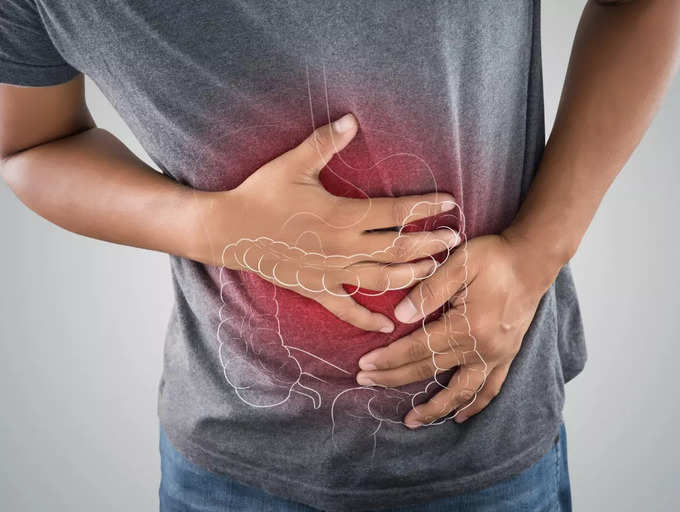
-Severe abdominal pain and belly

-Dizziness and confusion

-Rapid breathing

-Vomiting with blood

-Hemorrhagic fever

-Rashes

-Bleeding from nose and gums

-Early signs of liver damage

-Feeling tired, restless or irritable

readmore

What should you do, if you test positive right now?

Without a vaccine available for help and a confusing parallel with COVID, it's important that any individual who suspects symptoms get tested at the earliest. To rule out complications and additional risks, getting a COVID test may also be advised.

At the same time, since dengue can be a condition which could quickly worsen, doctors also advise that patients get necessary liver function tests done, along with routine scans to evaluate blood and platelet count in the body, during the phase of infection and subsequent recovery.

If you have preconditions which could put you at risk for dengue severity, or other complications, seek advice from your doctor about the possible next steps, and medical help which would be needed.

readmore

Diet to recover from dengue: Do's and don'ts to follow

When it comes to fighting a dengue infection, concentrating on your diet is just as crucial as other aspects of treatment. On one hand, it's important to take medications, supplement the body with adequate hydrating fluids, and diet also needs to be focussed on.

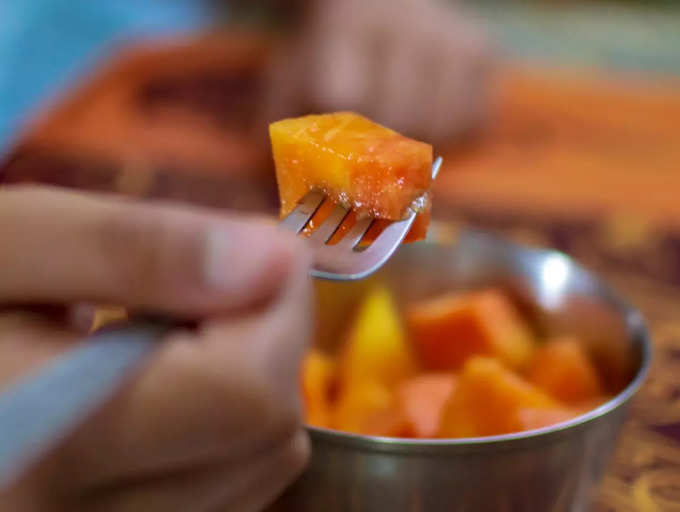
While having a nourishing, balanced diet is something which is essential to fight the sickness, there are some foods which are said to facilitate faster recovery from the infection, and may also help boost the platelet count in the body. One traditional remedy, trusted for long, are papaya leaves, which are said to be rich in enzymes and antioxidants that can greatly help stabilize blood platelet count and aid recovery. Foods like pomegranates, turmeric, fenugreek leaves and fenugreek seeds, kiwis, broccoli and other seasonal fruits and vegetables could work very well in energizing the body, loading up vitamin C and other nutrients needed to fight the infection.

readmore

What foods should you avoid?

Again, since dengue can greatly impact digestion and make it difficult for a person to eat and drink well. If you are ensuring a faster, easier recovery, avoid having a lot of spicy food, oily and fried dishes. Such foods can not only be heavy on a recuperating digestive system, but can also raise vital parameters including sugar and blood pressure. Some experts also advise people from having non-vegetarian food during the phase of recovery.


Do keep in mind that a lot of fluids are lost during the recovery, and to save the complications of dehydration, minimize having caffeinated beverages, sugar and fizzy drinks. Add on the intake of healthy, replenishing fluids like coconut water, fruit juices (double check if you have diabetes), water, ORS solutions and other hydrating liquids.

readmore

This is only for your information, kindly take the advice of your doctor for medicines, exercises and so on.   

https://gscrochetdesigns.blogspot.com. one can see my crochet creations  
https://gseasyrecipes.blogspot.com. feel free to view for easy, simple and healthy recipes    
https://kneereplacement-stickclub.blogspot.com. for info on knee replacement


Labels: , , , , , , , , , , , ,