Thursday, October 16, 2025

Slash Heart Disease Risk by Eating This Type of Breakfast

Breakfast has long been considered the most important meal of the day, but science now suggests that what and how much you eat in the morning could play a pivotal role in protecting your heart. Recent research from Spain has revealed that balancing portion size and nutritional quality in breakfast can significantly impact cardiovascular health. This is especially relevant for older adults managing conditions like metabolic syndrome, a cluster of risk factors including high blood pressure and abnormal cholesterol levels. 

Let’s explore what the research uncovered and how you can prepare a heart-healthy morning meal that not only satisfies your hunger but also supports your long-term well-being. 

Why breakfast matters for heart health

 Breakfast Formula A comprehensive study conducted as part of the PREDIMED-Plus trial delved into the relationship between breakfast habits and cardiovascular health. The research involved 383 adults aged 55 to 75, all of whom were diagnosed with metabolic syndrome. Participants followed a Mediterranean diet aimed at weight loss while researchers tracked their breakfast routines and health markers over three years.
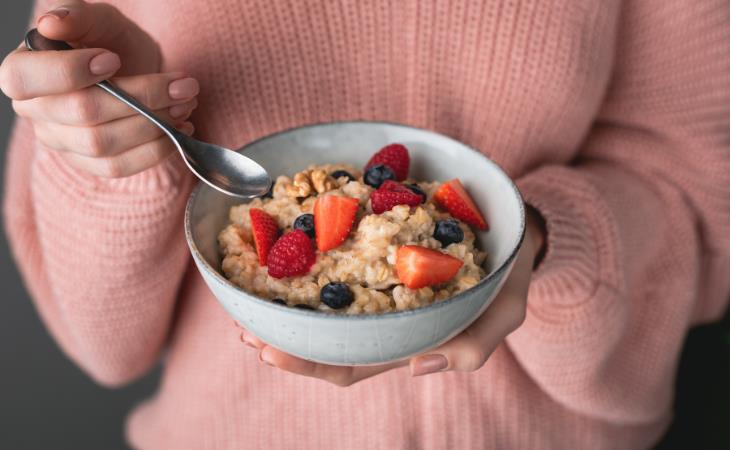
The findings uncovered a clear connection between breakfast portion size and health outcomes. Participants consuming 20-30% of their daily calories during breakfast had better health metrics than those eating either less than 20% or more than 30%. Specifically, those who ate within this "goldilocks" range exhibited lower body mass index (BMI), reduced waist circumferences, and healthier blood fat profiles compared to their counterparts. 
 
The importance of nutritional quality
 
 Breakfast Formula
While portion size mattered, the study also highlighted the critical role of breakfast quality. Researchers used the Meal Balance Index to evaluate the nutritional content of participants’ meals. This index scores meals based on nine components, including protein, fiber, and sodium, with higher scores reflecting better quality. 
 
Participants who consumed low-quality breakfasts—regardless of portion size—showed larger waist measurements, unfavorable blood fat levels, and even reduced kidney function. In contrast, nutritionally balanced breakfasts were associated with healthier outcomes. Experts note that meals rich in whole grains, lean proteins, fruits, and healthy fats—while avoiding added sugars and unhealthy fats—can significantly benefit overall health.  
 
How the Mediterranean diet influenced results
 
 Breakfast Formula

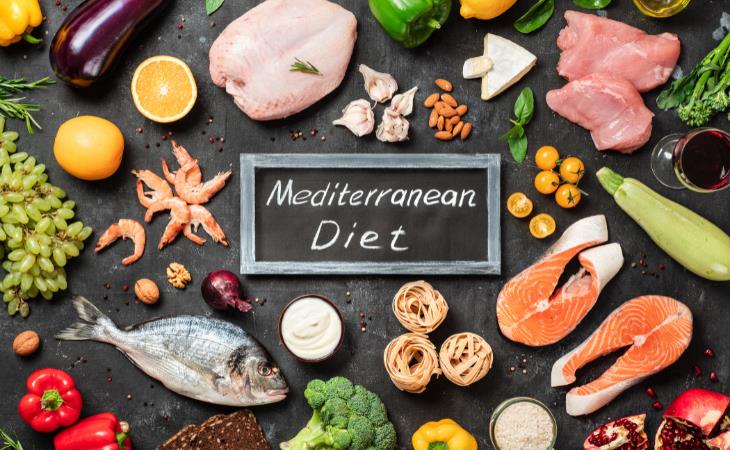
The study’s participants followed a Mediterranean diet, renowned for its focus on fresh produce, lean proteins, and healthy fats like olive oil. Even within this diet, breakfast composition proved critical. Those who adhered to the recommended calorie range and prioritized nutrient-dense foods experienced better health outcomes. This emphasizes that even in a generally healthy dietary pattern, the details of meal composition matter.

Finding the "Sweet Spot" for calories 
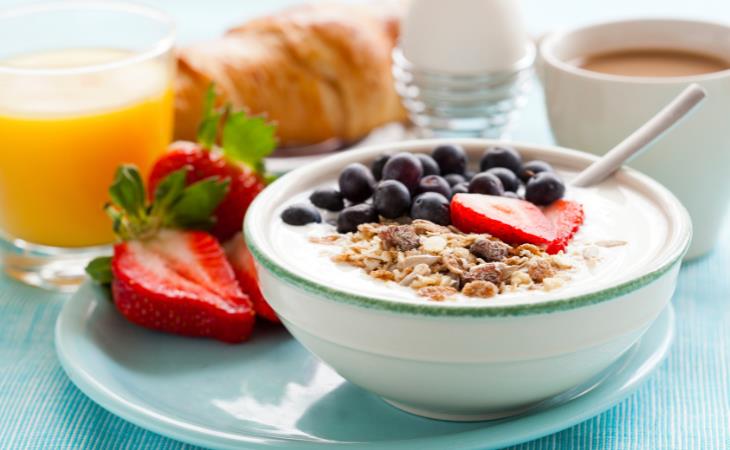
So, what does the ideal breakfast look like in terms of calories? For someone consuming 2,000 calories daily, 20-30% equates to 400-600 calories. Experts recommend spreading these calories across food groups to create a balanced meal. For instance, you might include oatmeal topped with fresh fruit and a dollop of nut butter, or an egg-and-avocado toast with a side of berries. These combinations ensure a mix of fiber, protein, and healthy fats, providing sustained energy and supporting heart health.

The NHS’ recommendations for a heart-healthy diet
 
 Breakfast Formula
The National Health Service (NHS) in the UK provides additional dietary guidelines to reduce cardiovascular disease risk. These include: 
 
Incorporating healthy fats, such as those found in oily fish, nuts, seeds, and olive oil, while minimizing saturated fats from foods like fatty meat, cream, and baked goods. 
 
Limiting salt intake to under six grams per day. 
 
Reducing sugar consumption. 
 
Emphasizing fiber-rich and whole-grain foods. 
 
Eating at least five portions of fruits and vegetables daily. 
 
These principles align closely with the Mediterranean diet’s emphasis on balanced, nutrient-rich meals. 
 
The science behind timing and meal composition 
 
Recent research underscores that when you eat may influence health outcomes as much as what you eat. Front-loading your day with a nutrient-dense breakfast can set the tone for better metabolic health. By ensuring a balanced intake in the morning, you stabilize blood sugar levels and avoid energy crashes that often lead to unhealthy snacking later in the day. 
 
Preparing the perfect breakfast
To create a heart-healthy breakfast, aim for meals that combine the following elements:

Whole Grains: Oats, whole-grain bread, or quinoa provide fiber and help manage cholesterol levels. 
 
Lean Proteins: Eggs, Greek yogurt, or plant-based proteins support muscle health and keep you feeling full. 
 
Healthy Fats: Avocados, nuts, and seeds contribute to cardiovascular health. 
 
Fruits and Vegetables: Berries, spinach, or tomatoes add antioxidants and essential vitamins. 
 
Avoid processed foods high in sugar or saturated fats, as these can counteract the benefits of a well-rounded breakfast. 

Simple steps for long-term benefits 
 
Understanding and implementing these findings into your routine doesn’t require drastic changes. Start small by planning your breakfast to include a variety of food groups. Measure your portions to align with the recommended calorie range, and gradually introduce more nutrient-dense options into your meals. 
 
By making these simple changes, you may be able to reduce your risks of metabolic syndrome and heart disease while improving your overall well-being.


This is only for your information, kindly take the advice of your doctor for medicines, exercises and so on.   


Labels: , , , , , ,

Saturday, September 28, 2024

Top Diet Tips To Unclog Your Arteries Naturally And Prevent Stroke

Foods for your heart health: Add these 7 diet tips to your daily routine to unclog your arteries and help your heart beat peacefully without any complications.

Heart disease is one of the leading causes of death worldwide. As per the data, every hour one person suffers from cardiac-related health issues globally. While this pandemic is taking rage across the world, today we will highlight one of the most important causes of any type of heart disease, and death - clogged arteries.

Clogged arteries can make it difficult for the blood to flow inside the heart and other important organs of the body, thus leading to serious health issues, including stroke and heart attack. It is therefore important to take care of our heart health to prevent serious health issues like heart attacks. One of the key factors in maintaining a healthy heart is having clean and unclogged arteries. In this article, we will discuss the top 5 diet tips to unclog your arteries and prevent heart attacks. 

 Top 5 Diet Tips To Unclog Your Arteries And Prevent Heart Attack

Are you worried about your heart health? Make sure you add these 5 changes to your daily diet routine to keep your arteries clean and heart healthy.

Add Heart-Friendly Foods To Your Breakfast Bowl

A balanced diet is key to keeping your arteries clear and healthy. And what can be better than adding nutritious foods to your breakfast bowl to help your heart work with 100% efficiency from the start of the day? In case you want to incorporate a heart-healthy diet in your morning routine, try to switch to healthier food options - you may consider prioritizing foods that are low in saturated and trans fats, and cholesterol. Your breakfast meal bowl must include a good mix of all the seasonal fruits and vegetables, some wholesome grains (in the form of bread), some sources of lean proteins, and healthy fats (avocados). Stay away from all sorts of processed foods, sugary beverages, and too much salt.

Add More Fibers To Your Diet

Fiber is your heart's best friend - it not only promotes good gut health but also aids in reducing cholesterol levels. Thus promoting better heart health. If you want to reduce your chances of suffering heart disease, try to include fiber-packed foods like whole grains, legumes, fruits, and veggies in your meals. Aim for a daily fiber intake of around 25-30 grams.

Add More Omega-3 Fatty Acids-Rich Foods To Your Diet

Omega-3 fatty acids are known for their magic effects on your heart health. They can effectively lower inflammation, decrease blood pressure, and thwart blood clots. Incorporate fatty fish like salmon, mackerel, and sardines into your lunch plate and see the magic it does to your heart health. In case you don't want to follow a non-veg diet routine, you can opt for plant-based options such as chia seeds, flaxseeds, and walnuts.

Reduce Your Sodium Intake

Too much sodium can spike blood pressure and up your heart disease risk. Limit your sodium intake by saying no to processed and pre-packaged foods as they are typically loaded with sodium. Instead, embrace fresh, home-cooked meals and use herbs and spices to take your dishes to the next level.

Drink Water To Keep Your Body Well-Hydrated

Drinking enough water throughout the day not only helps your skin and hair to stay healthy but also helps your heart to work efficiently. When you drink enough water, and keep your body well-hydrated, you help your arteries stay clean and safe from any type of clotting risk. Proper hydration also helps in maintaining healthy arteries by helping to eliminate toxins. This is why it is recommended to drink at least 8-10 glasses of water daily. You can also opt for water-filled foods like watermelon, cucumbers, and oranges.

Reduce Your Alcohol Intake

Alcohol is the biggest enemy of your heart. It can cause unusual inflammation inside the arteries, leading to blood clots, and creating a hindrance the accurate blood flow to the heart. This particular situation can make it difficult for your heart to act normally, thus increasing your chances of suffering a heart stroke, attack, etc.

Important Note: Prioritizing your heart's health is non-negotiable, and embracing a balanced diet is the first big step. Following these dietary tips can not only naturally cleanse your arteries, but also strengthen your heart. Before making any major dietary or lifestyle transformation, always consult a healthcare professional.


Labels: , , , , , , ,

Friday, December 21, 2018

What Is Leptin? How It Affects Weight Loss---------

Leptin, a hormone released from the fat cells located in adipose tissues, sends signals to the hypothalamus in the brain. This particular hormone helps regulate and alter long-term food intake and energy expenditure, not just from one meal to the next.  If the individual adds body fat, leptin levels will increase.

 We all battle with our weight and yo-yo dieting is no fun. The truth is, no matter what you do, including eating right and exercising, it’s all in vain if your Leptin is out of whack!

Real weight maintenance comes from a life of moderation. You need to make lifestyle changes to be truly successful at obtaining  your goal weight and achieving your desired shape.
Your body, when working correctly is a natural fat burning machine. In order to shed pounds, you need to ensure that you aren’t unknowingly sabotaging your own efforts.

Leptin Resistance

What is Leptin?

Leptin plays a major role in complete hormonal balance. We actually require a substantial amount to burn fat. When we diet, our Leptin levels plummet. Leptin also tells our brain we are full.

Leptin Resistance 
Low Leptin levels are directly linked to comfort eating and overeating. “Leptin is a hormone that plays a crucial role in appetite and weight control. It is thought to have at least two major functions.
First, it crosses the blood-brain barrier and binds to receptors in the appetite centre in the brain, regulating brain cells that tell you how much to eat. Second, it increases nervous system activity which stimulates fatty tissue to burn energy” 


How Sleep Deprivation Affects Your Leptin
One of the first things you can do to increase your weight loss efforts is to get decent sleep. It’s the time your body repairs and burns calories. There’s a reason it’s called beauty sleep.
What foods are high in leptin?
Seven Leptin Foods to Keep in Your Diet
  • Apples. Research has shown pectin—as found in apples—may be effective in fighting back leptin resistance.
  • Oatmeal. Rich in fiber and known for decreasing insulin levels, oatmeal can help prevent that “starving” feeling.
  • Lean proteins. ...
  • Green tea. ...
  • Almonds. ...
  • Broccoli. ...
  • Eggs.
How can I trick my body to burn fat?
  1. Drink ice water. ...
  2. Reduce the total number of calories you consume. ...
  3. Add intervals to your cardio workouts. ...
  4. Stop eating two to three hours before bedtime. ...
  5. Build lean muscle tissue to increase the fat burned during sleep.
How to reverse Leptin resistance
1) Get on the right type and dose of thyroid hormone. For most people this will require pure T3 formulations like cytomel or liothyronine.
2)Add in high intensity interval training. Avoid doing lots of low intensity exercise. Dr. recommends 10-15 minutes of High intensity interval training (HIIT) once a week.
3) Avoid highly processed foods. These foods increase inflammation. High levels of inflammation worsens thyroid function and leads to the downward spiral of leptin resistance.
4) Get 7-8 hours of sleep each night. Lack of sleep can increase leptin resistance.
5) Reduce the amount of fructose you're consuming, it includes fruits also !
6) Stop yo-yo dieting or calorie restricted dieting. It will only increase leptin and reverse T3 levels.
7) Optimise T4 to T 3 conversions. Use zinc and selenium to reduce this conversion process.
8) Think of using medicines to lower leptin levels. The GLP-1 Agonists can be effective in helping patients lose weights without changing their diet or exercise.

Drinking water is a must. When dehydrated, your body thinks it needs food when water will suffice. By drinking lots of water you are flushing your system and maintaining a full feeling which means you won’t need to eat as much.
Portion control is also another game changer in weight loss. By reducing the size of your meals even slightly the calories saved will add up enormously over a week.

 Relation between Ghrelin and leptin
Ghrelin
Ghrelin is made in the stomach, this hormone tends to increase before meals and decrease after.
Ghrelin is regarded as the only appetite stimulating hormone in humans. It is one of the main contributors to make people eat unhealthy food.
Additionally it is shown that ghrelin is released directly in response to stressful situations and injecting ghrelin has been shown ti initiate the stress response in humans- this explains why people tend to eat more when stressed. 

Leptin
It is known as the starvation hormone as it notifies your brain when you've had enough food in your stomach and your energy levels are sufficient.
At your ideal set point, adipose cells will produce a given amount of leptin, which will maintain the internal energy balance needed for necessary cellular functions and proper weight management.
Subsequently, weight gain will cause your blood leptin levels to increase and weight loss will result in decreased levels.
Unfortunately, overweight and obese people are generally leptin-resistant, which contributes to further weight gain.

Both these hormones can be controlled naturally through exercise and stress management.
Low-to-moderate aerobic activity - like walking or running 30- 60 minutes every day- increases ghrelin and decreases leptin, the opposite of what you want.
Instead, try burst training , such as 30 seconds sprint on a cycle ergometer controlling for low or high intensity, which lowers ghrelin levels.
Similarly high intensity training significantly lowered leptin concentrations when compared to low intensity exercise.
Current studies indicate that high intensity burst training is most effective in  not only  curbing appetite and controlling weight gain not only in short term but also in long term.

Here are some other rules that you will find helpful.
  • 1: Eat your dinner early and nothing after
  • 2: Stick to 3 Meals a day and don’t snack
  • 3: Reduce the portion sizes of your meals
  •  4: Have a Protein Packed Breakfast
  • 5: Reduce Your Carb Intake

How Does Leptin Affect You?

Leptin is your appetite suppressor – the hormone that signals your body that you’ve had enough to eat and is a key player in optimizing weight loss.
As mentioned, certain foods can block or increase leptin. Although leptin reduces appetite, obese individuals generally exhibit an unusually high circulating concentration of leptin. These people are said to be resistant to the effects of leptin, in much the same way that people with type 2 diabetes are resistant to the effects of insulin. This is called leptin resistance. The pathway of leptin control in obese people is flawed in some way so that the body does not adequately receive a signal of satiety after eating.
You need to lose weight in order for your body to get the message that you’re full after eating! As you lose weight, your body will become more sensitive to Leptin.

5 Sneaky Signs You Are Leptin Resistant. See if you recognize any other the symptoms below.
  • 1. You Follow a Typical Modern Diet
  • 2. You’re Stressed Out and Sleep Deprived
  • 3. You Aren’t Eating Nearly Enough
  • 4. You Have Food Cravings Constantly
  • 5. You’re Overweight (or Underweight)

 THIS IS ONLY FOR INFORMATION, ALWAYS CONSULT YOU PHYSICIAN BEFORE HAVING ANY PARTICULAR FOOD/ MEDICATION/EXERCISE/OTHER REMEDIES.                                                                                
 PS- THOSE INTERESTED IN RECIPES ARE FREE TO  VIEW MY BLOG-                                                                                           https://gseasyrecipes.blogspot.com/                                                                                                                                                                             FOR INFO ABOUT KNEE REPLACEMENT, YOU CAN VIEW MY BLOG-                                               
     https:// kneereplacement-stickclub.blogspot.com/                                                                                     
  FOR CROCHET DESIGNS                                                                                                                                                                                                                                 https://gscrochetdesigns.blogspot.com


Labels: , , , , , , , , , , , , , , , ,

Wednesday, November 14, 2018

Know How Your Breakfast is Related to Diabetes

We all know quite well that breakfast is the most important meal of the day. Breakfast, as the name implies, is to break the fast between dinner and lunch. It is well-established that beginning the day with a wholesome breakfast can benefit everyone. If you have type 2 diabetes (T2D), breakfast is necessary and it can have real benefits.

Do you assume that skipping breakfast will facilitate to manage your blood glucose better? Researchers say the alternative is true. In a study, 22 folks that controlled their T2D with diet alone or diet plus metformin were studied on two totally different days. On one, they ate 3 identical meals for breakfast, lunch, and dinner. On the other, they ate only lunch and dinner. On the days they skipped breakfast, their peak blood glucose was 36.8% higher after lunch and 26.6% higher after dinner than on the days they ate breakfast.

Another study highlighted that a high-energy intake breakfast of around 700 kcals (vs a low energy breakfast of 200 kcals) decreased the high blood glucose (hyperglycemia) in T2D patients over the whole day. It’s been established that higher management of blood sugar has been related to preventing complications of diabetes.

Regular consumption of breakfast is probably vital for preventing T2D. A recent study tested seventeen healthy adults on 3 separate days: Once when they skipped breakfast, once they had 3 regular meals and once when they skipped dinner. Skipping breakfast led to higher glucose concentrations after lunch than skipping dinner.

The key to a healthy morning meal is to decide on a variety of foods to get a balance of carbohydrates, proteins, fats and alternative nutrients like vitamins and minerals – alongside the much-needed fibre that helps manage blood sugar  levels. Here are some choices to consider:

Whole grains: Oatmeal, muesli with no intercalary sugar, wheat flakes with added bran, whole-wheat daliya/chapatti/khakhra/paratha/ bread, whole grain millet (ragi, jowar, bajra) preparations. Whole grains are a decent source of carbohydrates (including fibre), vitamins and minerals.

Dairy: Use non-fat or low-fat milk instead of whole milk. If you don’t drink milk, try non-dairy milk alternatives like soy, almond, coconut milk, etc. Choose plain rather than sweetened versions.

Fruits and vegetables: Fresh fruit could be a great addition to any breakfast only if they provide fibre, vitamins, and minerals. However, limit fruit crush. Vegetables (like carrot, French beans, capsicum, leafy greens like palak, methi, etc.) can be added to all the standard breakfast foods.

Lean protein: Protein foods may help control hunger, manage blood sugar and maintain lean body mass; so include protein at breakfast. Sources of protein include low-fat milk/curd/ yogurt/paneer/cottage cheese, eggs, tofu, whole pulses like moong, channa, dried peas, rajma, etc., and split pulses, which are all the dals.

Healthy fat: Fat  Fat can help you feel full but it is important to choose wisely. Go for nuts and seeds, nut butter, avocados, etc., in small to moderate amounts.

THIS IS ONLY FOR INFORMATION, ALWAYS CONSULT YOU PHYSICIAN BEFORE HAVING ANY PARTICULAR FOOD/ MEDICATION/EXERCISE/OTHER REMEDIES.                                                                                                                                                                                                             PS- THOSE INTERESTED IN RECIPES ARE FREE TO  VIEW MY BLOG-                                                                                           https://gseasyrecipes.blogspot.com/   

FOR INFO ABOUT KNEE REPLACEMENT, YOU CAN VIEW MY BLOG-                                                                                                    https:// kneereplacement-stickclub.blogspot.com/                              

FOR CROCHET DESIGNS                                                                                                                                                                                                                                 https://gscrochetdesigns.blogspot.com

Labels: , , , , , , ,

Thursday, March 01, 2018

4 foods to avoid after gallbladder removal

When a person has a problem with the gallbladder, like gallstones, it's likely that the doctor will recommend a surgery to remove the small organ. While your gallbladder is an organ that you can live without, some people need to avoid certain foods after gallbladder removal. In fact, most people who have had their gallbladder removed report problems with digesting fats following their surgery. This happens because the gallbladder is no longer there to perform several bodily functions, including fat digestion and assist the removal of toxins that have been broken down by the liver. Hence, one needs to be more watchful about their diet, which includes eating foods that are good and easy to digest such as fresh fruits, vegetables, healthy fats, lean protein, etc. And here is a list of foods to avoid in case you are living without a gallbladder:

High-fat foods - Avoid eating fried or processed foods like French fries, potato chips, etc. Chicken cutlet, fried fish, sausage and ground beef should be avoided. They have high-fat content and are hard on your digestive health.
Greasy foods - Greasy foods like pizza, hamburgers, heavy or creamed gravies are to be avoided. They are packed with calories and cannot be digested comfortably by your digestive tract.
Spicy foods - Spicy foods can irritate an already-inflamed gallbladder or cause problems in people without gallbladders, although not all spices cause acidity or inflammation. So it is recommended to be cautious with this food category if you develop a gallbladder problem or have gallbladder surgery.
Full-fat dairy products - Skip full-fat dairy products such as cheese, ice cream, cream, whole milk, and sour cream. Instead, opt for no-fat dairy or dairy substitute alternatives.

Taking care of your diet is extremely important after gallbladder surgery. This will help you feel more comfortable, and as time goes on, you should also take note of your tolerance for high-fibre foods and fats, especially healthy fats.

THIS IS ONLY FOR INFORMATION, ALWAYS CONSULT YOU PHYSICIAN BEFORE HAVING ANY PARTICULAR FOOD/ MEDICATION/EXERCISE/OTHER REMEDIES.    
PS- THOSE INTERESTED IN RECIPES ARE FREE TO VIEW MY BLOG-                      
HTTP:GSEASYRECIPES.BLOGSPOT.COM/
FOR INFO ABOUT KNEE REPLACEMENT, YOU CAN VIEW MY BLOG-                                                    
HTTP://KNEE REPLACEMENT-STICK CLUB.BLOGSPOT.COM/
FOR CROCHET DESIGNS

HTTP://MY CROCHET CREATIONS.BLOGSPOT.COM

Labels: , , , , , , , , , , , , , , ,