Friday, August 21, 2026

Slash Heart Disease Risk by Eating This Type of Breakfast

Breakfast has long been considered the most important meal of the day, but science now suggests that what and how much you eat in the morning could play a pivotal role in protecting your heart. Recent research from Spain has revealed that balancing portion size and nutritional quality in breakfast can significantly impact cardiovascular health. This is especially relevant for older adults managing conditions like metabolic syndrome, a cluster of risk factors including high blood pressure and abnormal cholesterol levels. 

Let’s explore what the research uncovered and how you can prepare a heart-healthy morning meal that not only satisfies your hunger but also supports your long-term well-being. 

Why breakfast matters for heart health

A comprehensive study conducted as part of the PREDIMED-Plus trial delved into the relationship between breakfast habits and cardiovascular health. The research involved 383 adults aged 55 to 75, all of whom were diagnosed with metabolic syndrome. Participants followed a Mediterranean diet aimed at weight loss while researchers tracked their breakfast routines and health markers over three years.

The findings uncovered a clear connection between breakfast portion size and health outcomes. Participants consuming 20-30% of their daily calories during breakfast had better health metrics than those eating either less than 20% or more than 30%. Specifically, those who ate within this "goldilocks" range exhibited lower body mass index (BMI), reduced waist circumferences, and healthier blood fat profiles compared to their counterparts. 

The importance of nutritional quality
  Breakfast Formula
While portion size mattered, the study also highlighted the critical role of breakfast quality. Researchers used the Meal Balance Index to evaluate the nutritional content of participants’ meals. This index scores meals based on nine components, including protein, fiber, and sodium, with higher scores reflecting better quality.

Participants who consumed low-quality breakfasts—regardless of portion size—showed larger waist measurements, unfavorable blood fat levels, and even reduced kidney function. In contrast, nutritionally balanced breakfasts were associated with healthier outcomes. Experts note that meals rich in whole grains, lean proteins, fruits, and healthy fats—while avoiding added sugars and unhealthy fats—can significantly benefit overall health. 

How the Mediterranean diet influenced results

The study’s participants followed a Mediterranean diet, renowned for its focus on fresh produce, lean proteins, and healthy fats like olive oil. Even within this diet, breakfast composition proved critical. Those who adhered to the recommended calorie range and prioritized nutrient-dense foods experienced better health outcomes. This emphasizes that even in a generally healthy dietary pattern, the details of meal composition matter.

Finding the "Sweet Spot" for calories 

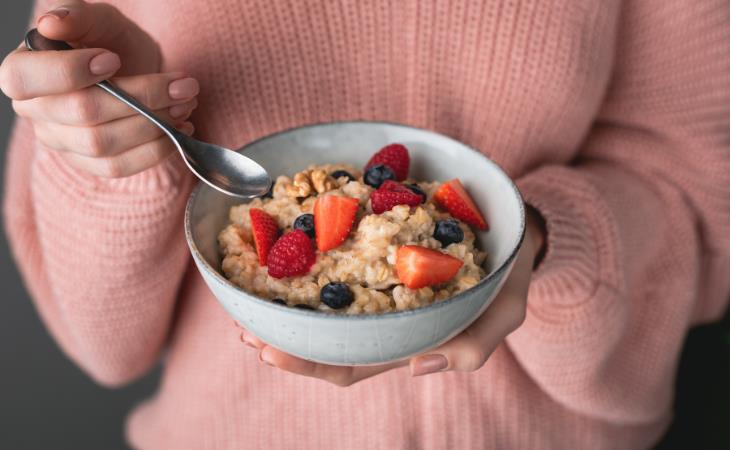
So, what does the ideal breakfast look like in terms of calories? For someone consuming 2,000 calories daily, 20-30% equates to 400-600 calories. Experts recommend spreading these calories across food groups to create a balanced meal. For instance, you might include oatmeal topped with fresh fruit and a dollop of nut butter, or an egg-and-avocado toast with a side of berries. These combinations ensure a mix of fiber, protein, and healthy fats, providing sustained energy and supporting heart health.

The NHS’ recommendations for a heart-healthy diet 

The National Health Service (NHS) in the UK provides additional dietary guidelines to reduce cardiovascular disease risk. These include: 

Incorporating healthy fats, such as those found in oily fish, nuts, seeds, and olive oil, while minimizing saturated fats from foods like fatty meat, cream, and baked goods. Limiting salt intake to under six grams per day. 

 Reducing sugar consumption. 

Emphasizing fiber-rich and whole-grain foods. 

Eating at least five portions of fruits and vegetables daily. 

These principles align closely with the Mediterranean diet’s emphasis on balanced, nutrient-rich meals. 

The science behind timing and meal composition 

Recent research underscores that when you eat may influence health outcomes as much as what you eat. Front-loading your day with a nutrient-dense breakfast can set the tone for better metabolic health. By ensuring a balanced intake in the morning, you stabilize blood sugar levels and avoid energy crashes that often lead to unhealthy snacking later in the day. 

Preparing the perfect breakfast
To create a heart-healthy breakfast, aim for meals that combine the following elements:

Whole Grains: Oats, whole-grain bread, or quinoa provide fiber and help manage cholesterol levels. Lean 

Proteins: Eggs, Greek yogurt, or plant-based proteins support muscle health and keep you feeling full. 

Healthy Fats: Avocados, nuts, and seeds contribute to cardiovascular health. 

Fruits and Vegetables: Berries, spinach, or tomatoes add antioxidants and essential vitamins. 

Avoid processed foods high in sugar or saturated fats, as these can counteract the benefits of a well-rounded breakfast. 

Simple steps for long-term benefits 

Understanding and implementing these findings into your routine doesn’t require drastic changes. Start small by planning your breakfast to include a variety of food groups. Measure your portions to align with the recommended calorie range, and gradually introduce more nutrient-dense options into your meals.

By making these simple changes, you may be able to reduce your risks of metabolic syndrome and heart disease while improving your overall well-being.


This is only for your information, kindly take the advice of your doctor for food, medicines, exercises and so on.   


Labels: , , , , , ,

Sunday, November 02, 2025

Reversing heart disease naturally: The 21-day lifestyle plan from a leading cardiologist

Heart disease is still the leading cause of death worldwide, but what if one of the world’s top cardiologists told you it was possible to greatly improve your health naturally in just 21 days? Renowned cardiologist Dr. Aseem Malhotra, along with an award winning health campaigner, developed a science-backed approach on lifestyle changes that support cardiovascular health without any medication. In the Ultimate Human Podcast with Gary Brecka, Dr. Malhotra shares how heart health can improve drastically within 21 days if a person follows the steps outline below.

The motivation behind this approach

Dr. Malhotra’s journey within the NHS began when he faced a concerning paradox: patients admitted with heart attacks were being served unhealthy hospital food, while he performed emergency procedures. This sparked his lifelong commitment to advocating for nutrition and lifestyle as foundational to heart health. In a 2013 BBC article, Dr. Malhotra said, “ I mend hearts. Then I see my patients served junk food by our hospitals.” This troubling trend persists worldwide, which explains why heart disease is still on the rise.

Why are women more at risk for heart disease?

He emphasizes that modern medicine has often overlooked the simple power of foods, exercise, stress management and sleep.

While medications such as statins are widely prescribed, Dr. Malhotra notes their benefits are marginal compared to lifestyle changes, which can rapidly improve heart health and overall well-being.

The 21 day heart health reset

Dr. Malhotra’s 21-day solution provides actionable, sustainable steps to reset your metabolism, reduce inflammation and protect your arteries. The core principle is adopting a low-carbohydrate Mediterranean-style diet focused on whole, minimally processed foods: vegetables, nuts, seeds, virgin olive oil and lean proteins.

The advises avoiding sugar, refined carbohydrates, fruit juices, and ultra-processed foods for at least 3 weeks. This phase helps stabilize blood sugar, lower triglycerides and improves insulin sensitivity- all key factors in reducing cardiovascular risk.

Motion and exercise

Physical activity is another pillar of the reset. Dr. Malhotra recommends a daily brisk walk of 30 minutes. The goal is consistent movement, not extreme gym workouts. Regular walking improves blood flow, aids weight control, and enhances heart and lung function, forming a foundation for cardiovascular longevity.

Meditation for reducing stress

Stress is a major contributor to heart disease and meditation, especially Rajyoga meditation, plays a vital role. Studies suggest it may even reverse artery blockages by reducing inflammation and calming the nervous system. Spending time each day on mindful breathing limits stress hormones that damage blood vessels, helping prevent heart attacks and strokes.

 Sleep and quality recovery

Sleep is often underestimates but crucial for heart health. Dr. Malhotra recommends 7-8 hours of quality sleep each night. Proper rest regulates blood pressure and inflammation, aiding the repair and maintenance of the cardiovascular system.

Beyond diet and exercise: Building a healthy environment and habits

While personal responsibility is important, Dr. Malhotra stresses the need for an environment that supports healthy choices. Junk food marketing and the easy availability of processed meals often work against individuals. He advocates for systemic change alongside individual lifestyle shifts.

He also notes that approximately 67% of what many people consume daily falls into the highly processed category, which typically contains additives, preservatives, colourings, and flavour enhancers.

Thumb rule to check processed foods:

If a product has more than 5 ingredients, it is likely ultra-processed and best avoided. Dr. Malhotra emphasizes that mounting scientific evidence links an ultra-processed diet to increased risk of diseases such as cancer, depression and overall mortality.

Scientific evidence and impact

Dr. Malhotra’s approach is grounded in research. Meta-analyses and clinical trials confirm that reducing carbohydrate intake, cutting sugar and adopting a Mediterranean diet significantly lowers heart disease risk markers within weeks. Stress reduction techniques also have anti-inflammatory and cardiovascular benefits.

He further notes that cholesterol alone is an incomplete marker of heart disease risk. Insulin resistance, triglycerides, inflammation, and lifestyle factors are stronger predictors- and all ae modifiable through diet and lifestyle changes.

Tips to get started today

Eat real food: fill your plate with vegetables, healthy fats such as olive oil and nuts and moderate protein. Avoid sugary drink, sweets and processed snacks.

Daily walk- Aim for a brisk 30-minute walk every day.

Meditate- Spend 20-40 minutes a day practising focused breathing or Rajyoga meditation to calm the mind and heart.

Sleep well- Maintain a pattern that allows 7-8 hours of quality sleep each night.

Dr. Malhotra’s message is one of hope and empowerment: heart health is not about pills or procedure. It’s about embracing a lifestyle that allows your body to heal and function as it was designed to.


This is only for your information, kindly take the advice of your doctor for medicines, exercises and so on.   


Labels: , , , , , , , , ,