Thursday, October 16, 2025

Slash Heart Disease Risk by Eating This Type of Breakfast

Breakfast has long been considered the most important meal of the day, but science now suggests that what and how much you eat in the morning could play a pivotal role in protecting your heart. Recent research from Spain has revealed that balancing portion size and nutritional quality in breakfast can significantly impact cardiovascular health. This is especially relevant for older adults managing conditions like metabolic syndrome, a cluster of risk factors including high blood pressure and abnormal cholesterol levels. 

Let’s explore what the research uncovered and how you can prepare a heart-healthy morning meal that not only satisfies your hunger but also supports your long-term well-being. 

Why breakfast matters for heart health

 Breakfast Formula A comprehensive study conducted as part of the PREDIMED-Plus trial delved into the relationship between breakfast habits and cardiovascular health. The research involved 383 adults aged 55 to 75, all of whom were diagnosed with metabolic syndrome. Participants followed a Mediterranean diet aimed at weight loss while researchers tracked their breakfast routines and health markers over three years.
The findings uncovered a clear connection between breakfast portion size and health outcomes. Participants consuming 20-30% of their daily calories during breakfast had better health metrics than those eating either less than 20% or more than 30%. Specifically, those who ate within this "goldilocks" range exhibited lower body mass index (BMI), reduced waist circumferences, and healthier blood fat profiles compared to their counterparts. 
 
The importance of nutritional quality
 
 Breakfast Formula
While portion size mattered, the study also highlighted the critical role of breakfast quality. Researchers used the Meal Balance Index to evaluate the nutritional content of participants’ meals. This index scores meals based on nine components, including protein, fiber, and sodium, with higher scores reflecting better quality. 
 
Participants who consumed low-quality breakfasts—regardless of portion size—showed larger waist measurements, unfavorable blood fat levels, and even reduced kidney function. In contrast, nutritionally balanced breakfasts were associated with healthier outcomes. Experts note that meals rich in whole grains, lean proteins, fruits, and healthy fats—while avoiding added sugars and unhealthy fats—can significantly benefit overall health.  
 
How the Mediterranean diet influenced results
 
 Breakfast Formula

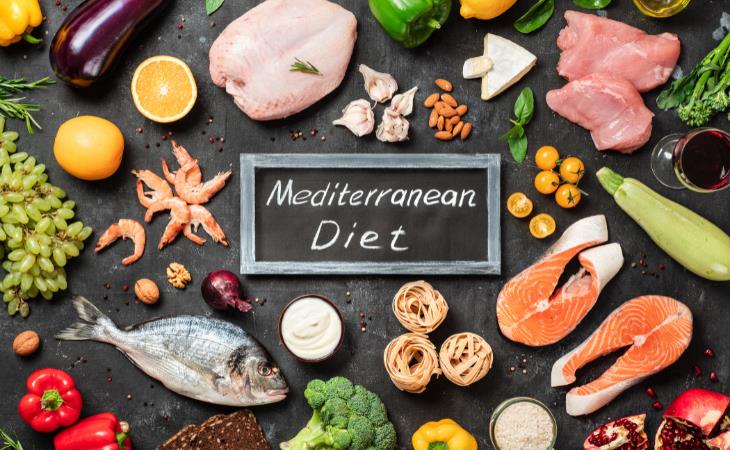
The study’s participants followed a Mediterranean diet, renowned for its focus on fresh produce, lean proteins, and healthy fats like olive oil. Even within this diet, breakfast composition proved critical. Those who adhered to the recommended calorie range and prioritized nutrient-dense foods experienced better health outcomes. This emphasizes that even in a generally healthy dietary pattern, the details of meal composition matter.

Finding the "Sweet Spot" for calories 
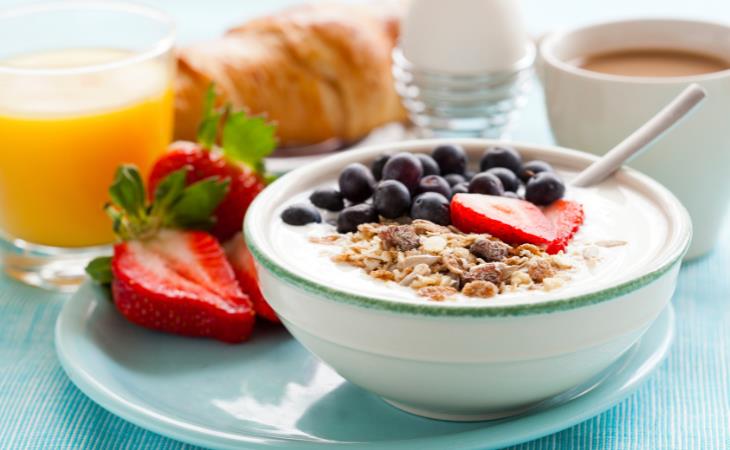
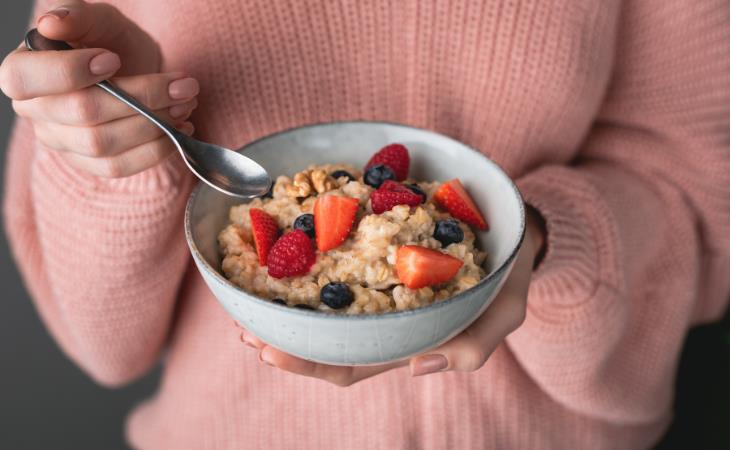
So, what does the ideal breakfast look like in terms of calories? For someone consuming 2,000 calories daily, 20-30% equates to 400-600 calories. Experts recommend spreading these calories across food groups to create a balanced meal. For instance, you might include oatmeal topped with fresh fruit and a dollop of nut butter, or an egg-and-avocado toast with a side of berries. These combinations ensure a mix of fiber, protein, and healthy fats, providing sustained energy and supporting heart health.

The NHS’ recommendations for a heart-healthy diet
 
 Breakfast Formula
The National Health Service (NHS) in the UK provides additional dietary guidelines to reduce cardiovascular disease risk. These include: 
 
Incorporating healthy fats, such as those found in oily fish, nuts, seeds, and olive oil, while minimizing saturated fats from foods like fatty meat, cream, and baked goods. 
 
Limiting salt intake to under six grams per day. 
 
Reducing sugar consumption. 
 
Emphasizing fiber-rich and whole-grain foods. 
 
Eating at least five portions of fruits and vegetables daily. 
 
These principles align closely with the Mediterranean diet’s emphasis on balanced, nutrient-rich meals. 
 
The science behind timing and meal composition 
 
Recent research underscores that when you eat may influence health outcomes as much as what you eat. Front-loading your day with a nutrient-dense breakfast can set the tone for better metabolic health. By ensuring a balanced intake in the morning, you stabilize blood sugar levels and avoid energy crashes that often lead to unhealthy snacking later in the day. 
 
Preparing the perfect breakfast
To create a heart-healthy breakfast, aim for meals that combine the following elements:

Whole Grains: Oats, whole-grain bread, or quinoa provide fiber and help manage cholesterol levels. 
 
Lean Proteins: Eggs, Greek yogurt, or plant-based proteins support muscle health and keep you feeling full. 
 
Healthy Fats: Avocados, nuts, and seeds contribute to cardiovascular health. 
 
Fruits and Vegetables: Berries, spinach, or tomatoes add antioxidants and essential vitamins. 
 
Avoid processed foods high in sugar or saturated fats, as these can counteract the benefits of a well-rounded breakfast. 

Simple steps for long-term benefits 
 
Understanding and implementing these findings into your routine doesn’t require drastic changes. Start small by planning your breakfast to include a variety of food groups. Measure your portions to align with the recommended calorie range, and gradually introduce more nutrient-dense options into your meals. 
 
By making these simple changes, you may be able to reduce your risks of metabolic syndrome and heart disease while improving your overall well-being.


This is only for your information, kindly take the advice of your doctor for medicines, exercises and so on.   


Labels: , , , , , ,

Thursday, January 23, 2020

Know how to maintain yourself after weight loss

Did you think that losing weight was difficult? You were mistaken. No doubt, following a regular exercise regime and a strict diet to lose weight can be really difficult. You must have really sweated it out. But wait. It is not yet time to heave a sigh of relief. You have obviously approached your weight loss with a lot of dedication and discipline. Now comes the most difficult part. Yes, losing weight is easy. But keeping it off is difficult. It will be a daily struggle to maintain your weight. So, what do you do? We reveal some simple tricks that will help you in your endeavour. Let us take a look at what they are.

Eat with relish: Concentrate on what you are eating. Feel the flavours bursting in your mouth and savour the smell. See the play of colours. You will soon find that this makes you eat less and, in the process, you will end up consuming less calories. This will make it easier for you to maintain your weight.


Savour each bite: Feel the taste and take some time to appreciate the different flavours. When you do this, you will automatically eat slowly. Eating slowly will fill you up faster. You can also try taking smaller bites.


Control your portion size: Stick to smaller portion sizes. This will ensure that you keep off the weight you lost with so much effort. You can also use smaller dinner plates to control portion size.


Exercise: Regular exercise is a must to avoid gaining back all the weight you lost. So, make exercise a part of your daily fitness routine. Do it even if you feel lazy.


Weigh yourself regularly: Do this once a day, preferably in the morning. This way, you will know if you have gained back any of the lost weight. It will also help you plan your meals through the day.


This is only for your information, kindly take the advice of your doctor for medicines, exercises and so on.     
https://gscrochetdesigns.blogspot.com. one can see my crochet creations  
https://gseasyrecipes.blogspot.com. feel free to view for easy, simple and healthy recipes    
https://kneereplacement-stickclub.blogspot.com. for info on knee replacement
 

Labels: , , , , , , , , , ,

Saturday, August 10, 2019

6 Health Benefits of Eating Breakfast

Most of us know that breakfast is the most important meal of the day, but how many of us actually know why? Eating breakfast on a daily basis will bestow a whole range of health benefits upon you, and here are 6 of the greatest:
1. It gives us sharper focus and boosts our energy.-- when you've a satisfying breakfast, you're providing your brain enough power to function properly, making it easier to concentrate throughout the morning.
2. Breakfast reduces morning crankiness---sustaining yourself with good breakfast each morning will be  beneficial both for yourself and the people around you, since it will boost your mood, leaving you feel far more motivated.
3. It lowers bad cholesterol---- when we skip breakfast, a chain reaction happens in our body, your metabolism slows down, fat is stored longer in your body, and you're likely to overeat in your next meal.This results in a rise in your LDL cholesterol levels.
4. It boosts your metabolism-- jump starting your metabolism will enable your body to start burning calories in the beginning of the day, rather than after lunch. The best way to do this, of course, is to remember to have your breakfast.
5. It prevents starvation--- when your body skips breakfast, it can be misled into assuming that you're starving, and go into ' survival mode'. This results in calories being stored as fat in order to make up for the lack of nourishment.
6. It allows you to control your portions---- not satisfying your hunger in the morning, makes you long for food, and the further you resist it, the more likely you're going to gorge in your next big meal.

THIS IS ONLY FOR INFORMATION, ALWAYS CONSULT YOU PHYSICIAN BEFORE HAVING ANY PARTICULAR FOOD/ MEDICATION/EXERCISE/OTHER REMEDIES.                                    PS- THOSE INTERESTED IN RECIPES ARE FREE TO  VIEW MY BLOG-                                                                                           https://gseasyrecipes.blogspot.com/                                                                                                                                                FOR INFO ABOUT KNEE REPLACEMENT, YOU CAN VIEW MY BLOG-                                                  https:// kneereplacement-stickclub.blogspot.com/                                                                      FOR CROCHET DESIGNS                                                                                                    
                                https://gscrochetdesigns.blogspot.com

Labels: , , , , , , , , , , , ,