Friday, September 03, 2021

Pay Attention to These Foot Symptoms for Better Health

Although “my feet are killing me!” is one of the most overused exaggerations in the entire world, the truth is that the condition of your feet can say a lot about the overall state of your health, as well as indicate any underlying issues you may have.

Reflexologists and massage therapists have been proponents of manipulating points on the feet to improve the health of internal organs for a very long time. Although the evidence to prove this is somewhat scant, it's true that a person’s state of health can be expressed through their feet.
 
In addition to containing a quarter of the entire human body’s bones, the feet also bear its entire weight. There are no less than 33 joints, 100 tendons, muscles and ligaments in them, as well as countless nerves and blood vessels that link to the heart, spine and brain. 
 
Taking the above into account, it perhaps isn’t a surprise to know that if there is something wrong with someone’s feet, the likelihood is that their entire body will be affected as well. 
 
Let’s take a look at 10 things about the human body that can be revealed by the condition of the feet: 
 
1. Foot Cramping and Spasms 
If you happen to get cramps and spasms in your foot, it could be a sign of a deficiency in your body. Spasms can be caused by dehydration, which occurs as a result of the muscles not getting enough oxygen. Another reason for muscles spasms could be that there is a lack or imbalance of electrolytes or nutrients in your body.

If you experience spasms specifically when walking, then this could indicate a circulatory problem. 
 
A further reason for spasms to occur is overexertion, or failing to stretch adequately prior to exercising. Last but not least, the type of shoe you’re wearing may be causing you discomfort. If you’re a lady who happens to enjoy wearing sky-high heels, for instance, you should look more closely at your choice of footwear to see if they’re to blame for the spasms.  
 
2. An Enlarged Big Toe
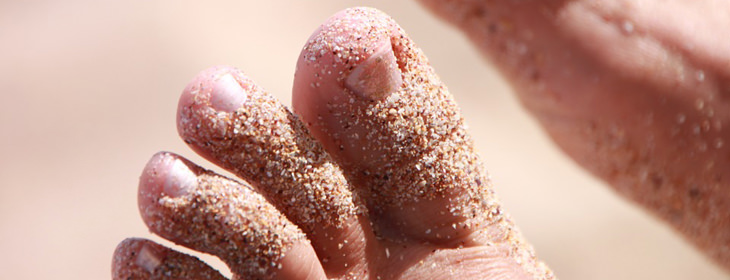
Gout is the most common type of inflammatory arthritis in men, and it can cause the big toe to become red, hot, swollen and extremely painful. Gout occurs as a result of too much uric acid building up in bodily tissues and fluids. It’s also to blame for an increased risk of developing kidney stones. 
 
This type of inflammatory arthritis usually manifests itself in the big toe because uric acid crystals tend to collect in the coolest part of the body. Overweight or obese people are more at risk of developing gout, as well as those who drink excessive amounts of alcohol and/or consume lots of meat. Furthermore, certain medication can exacerbate the risk. 
 
3. Cold Feet, Warm Heart?  
Do your feet to tend to be abnormally cold? If they do, it could indicate that you have poor circulation, diabetes, hypothyroidisim or anemia. 
 
In addition, if your feet change color from red, to white, to blue, it could be a sign of Raynaud’s disease, which is a narrowing of the blood vessels when nerves overreact to the cold. 
 
Primary Raynaud’s sufferers are advised to avoid the cold and smoking tobacco, however 20% of all cases stem from an underlying disease.
 
4. Swollen Feet
Swollen feet can be indicative of numerous health problems, and if you happen to have this symptom you should most definitely get it checked by a doctor – it could be life-threatening. 
 
Poor circulation and related heart failure, kidney or liver disease could all be behind swollen feet, as could deep vein thrombosis, a blood clot, lymphatic build-up and cellulitis, among others. 
 
Try raising your feet when sitting down, exercising your legs, reducing your salt intake and avoiding tight clothes, if you happen to have swollen feet. 
 
5. Spoon-Shaped Toenails 
Concave-shaped toenails aren’t just unsightly – they could also be a sign of something underlying. The primary thing it’s associated with is nutritional deficiencies. They’re also associated with genetic disorders, circulatory problems, autoimmune diseases and musculoskeletal conditions.  
 
6. Colored Toenails
Conditions such as tuberculosis, jaundice due to liver problems, thyroid gland information and even sinusitis could all cause the toenails to yellow. 
 
Yellowed toenails can also be symptomatic of bronchiectasis, a lung condition that causes breathing problems. 
 
Different nail colors and textures could also indicate a whole range of various systemic problems. If you have toenail discoloration or deformities, you should seek medical advice immediately.  
 
7. Pins and Needles  
Circulatory problems, peripheral nervous system damage, a trapped nerve and a range of other ailments can lead to numbness or tingling in the feet. Diabetics who are exposed high blood glucose for an extended period can also experience nerve damage, which in turn leads to tingling in the feet. Pins and needles in the body’s extremities can also be one of the first symptoms of multiple sclerosis. 
 
 8. Aching Toe Joints
Some 90% of people who have rheumatoid arthritis will experience aching toe joints. The disease makes the lining of the joints swollen and inflamed. As a result, the joints and supporting ligaments and tissues are damaged, which ultimately leads to decreased mobility. 
 
Numerous anti-inflammatory foods can be consumed to help relieve these symptoms, and also provide pain relief. Furthermore, shoe inserts can help minimize pressure and correct the shape of the foot. Some people also have braces that they wear on their feet.

9. Foot Drop 
If you have difficulty lifting the front part of your foot, this could be a sign that you have drop foot, which is normally indicative of an underlying muscular, neurological or anatomical problem. 
 
Nerve or muscle damage as far up as the neck or shoulder could be causing the problem, causing your foot to drag when walking. 
 
Foot drop can occur as a result of a leg injury, or damage during a hip operation. It can also be the result of a neurological disease such as polio, as well as a brain or spinal cord disorder. 
 
A brace or splint can be used to help maintain a normal foot position, whereas nerve stimulation can also alleviate drop foot to a certain extent. Surgery can also be undertaken to treat nerves, fuse bones or correct the position of tendons.  
 
10. Persistent Sores
If you have diabetes, it’s possible that you have experience nerve damage to some extent. Nerve damage, or neuropathy, results in people being unable to feel or notice injuries such as blisters. 
 
A foot injury that hasn’t been seen to appropriately can lead to ulcers and gangrene, which, in a worst-case scenario, could lead to a food being amputated. Nerve damage can also cause feet and toes to change shape. 
 
Dry, cracked and peeling skin on the feet can also be a sign of diabetes, as can calluses and poor circulation.

Conclusion  
If you have a seemingly minor problem with your feet, it might warrant more attention than you first imagined. Keep all of the above in mind and seek medical advice should you feel the need to.

This is only for your information, kindly take the advice of your doctor for medicines, exercises and so on.   

https://gscrochetdesigns.blogspot.com. one can see my crochet creations  
https://gseasyrecipes.blogspot.com. feel free to view for easy, simple and healthy recipes    
https://kneereplacement-stickclub.blogspot.com. for info on knee replacement

Labels: , , , , , , , , , , , , , , ,

Wednesday, September 21, 2016

Binge eating may up various health conditions


Individuals with binge-eating disorder (BED) may be at high risk of getting diagnosed with illnesses associated with the endocrine and circulatory systems, a study suggests.

Binge-eating disorder is a serious eating disorder in which an individual frequently consumes unusually large amounts of food and is unable to stop craving for more. 

Individuals with BED could be at an increased risk of 2.5-times of having an endocrine disorder and at 1.9-times of having a circulatory system disorder.

The endocrine system influences heart, bones and tissues growth, and even fertility.

It plays a vital role in determining whether there were chances of developing diabetes, thyroid disease, growth disorders, sexual dysfunction, and a host of other hormone-related disorders.

BED is closely associated with hypertension - commonly called high blood pressure - that causes the heart to work harder and could lead to such complications as heart attack, stroke, or kidney failure, among others.


Among individuals with obesity and BED, there is a 1.5-times increased risk of having a respiratory disease and a 2.6-times of having a gastrointestinal disease.

"We encourage clinicians to -- have the conversation -- about BED with their patients. Accurate screening and detection could solve BED problem with treatment," said Professor Cynthia Bulik, from the University of North Carolina at Chapel Hill, in the US.

"BED afflicts people of all shapes and sizes. The somatic illnesses that we detected were not simply effects of being overweight or obese," Bulik clarified, in the study published in the International Journal of Eating Disorders.

 this is only for your information, kindly take the advice of your doctor for medicines, exercises and so on.

https://gscrochetdesigns.blogspot.com. one can see my crochet creations
https://gseasyrecipes.blogspot.com. feel free to view for easy, simple and healthy recipes

https://kneereplacement-stickclub.blogspot.com. for info on knee replacement

Labels: , , , , , , , , , , , , ,

Saturday, September 17, 2016

Memory of a heart attack gets stored in genes

The memory of a heart attack gets stored in genes through epigenetic changes -- chemical modifications of DNA that turns our genes on or off, a study has found.
Cardiovascular diseases (CVDs) which are the leading causes of death worldwide are influenced by both heredity and environmental factors.

CVD includes all the diseases of the heart and circulation including coronary heart disease, angina, heart attack, congenital heart disease and stroke. 


 The study examined epigenetic changes -- that can lead to the development of various diseases -- in people who have had a previous heart attack.
"During a heart attack the body signals by activating certain genes. This mechanism protects the tissue during the acute phase of the disease, and restores the body after the heart attack. It is therefore likely that epigenetic changes are also associated a heart attack", said Asa Johansson, researcher at the Uppsala University in Sweden.

The results of the study showed that there are many epigenetic changes in individuals who had experienced a heart attack.


Several of these changes are in genes that are linked to cardiovascular disease.

However, it was not possible to determine whether these differences had contributed to the development of the disease, or if they live on as a memory of gene activation associated with the heart attack, the researchers said.

"We hope that our new results should contribute to increasing the knowledge of the importance of epigenetic in the clinical picture of a heart attack, which in the long run could lead to better drugs and treatments", Johansson added. 


 For the study, the team took blood samples from the northern Sweden population health study. Individuals with a history of a CVD were identified in the cohort. It included individuals with hypertension, myocardial infarction, stroke, thrombosis and cardiac arrhythmia.

The results were published in the journal Human Molecular Genetics. 

 
this is only for your information, kindly take the advice of your doctor for medicines, exercises and so on.
https://gscrochetdesigns.blogspot.com. one can see my crochet creations
https://gseasyrecipes.blogspot.com. feel free to view for easy, simple and healthy recipes

https://kneereplacement-stickclub.blogspot.com. for info on knee replacement

Labels: , , , , , , , , , , ,

Wednesday, April 06, 2016

Cleaner Lungs with Your Diet

THIS IS ONLY FOR INFORMATION, ALWAYS CONSULT YOUR PHYSICIAN BEFORE HAVING ANY PARTICULAR FOOD/ MEDICATION/EXERCISE/OTHER REMEDIES.


FOR INFO ABOUT KNEE REPLACEMENT, YOU CAN VIEW MY BLOG
HTTP://KNEE REPLACEMENT-STICK CLUB.BLOGSPOT.COM/

FOR CROCHET DESIGNS- http://My Crochet Creations.blogspot.com/


Lung disease and associated respiratory problems are a growing issue. We can all maintain healthy lungs by not smoking, ensuring we exercise regularly and avoiding polluted air where possible. However, a less widely known way we can look after our lungs is by tailoring our diet. Studies have shown that the food we eat has an impact on our lungs, and that some can even have a positive impact on lung function. 
1. Cruciferous Vegetables - These are vegetables in the cabbage family. They are packed with antioxidants, which help cleanse the body of harmful toxins. They also contain glucosinolates - chemicals that are broken down to form active compounds that help inactivate carcinogens and protect cells from damage. The best examples of cruciferous vegetables are broccoli, cauliflower, cabbage and brussel sprouts.  
2. Carotenoids - This orange antioxidant pigment has been shown to reduce the risk of lung cancer developing. One way to recognize a carotenoid is by color. Carotenoids are typically found in fruit and vegetables with orange, red or yellow shades. Sweet potatoes, butternut squash, and apricots are foods with high amounts of carotenoids. Carrots are particularly good for the lungs as they contain beta carotene, which converts into vitamin A, a vitamin shown to considerably reduce the likelihood of asthma.
3. Omega-3 fatty acids - It is well known that this fatty acid is good for your overall health. What is less publicized is that it particularly benefits your lungs. It is a fatty acid, which is found in fish, nuts and flaxseed, and can improve lung function and increase lung capacity by reducing inflammation in the airways.
4. Garlic - This herb is a staple in helping maintain a healthy immune system because it is a natural anti-inflammatory. Recently, a study from the journal Cancer Prevention Research revealed how eating raw garlic twice a week was found to halve the risk of developing lung cancer. Garlic has high levels of allicin - a natural antibiotic - which fights both bacterial and fungal infections in the lungs.
5. Ginger - This root is a powerful antioxidant and a natural anti-inflammatory which can clear the lungs of any lingering pollution. The gingerol works at reducing excess mucus being produced while the compound 6-shagaol can stop bronchial tubes from tightening. Ginger also relaxes the tissues in the muscles that line the lungs, making it easier for asthmatics to breathe. Ginger slices can be added to tea, and it also makes delicious cookies.
6. Magnesium - Foods such as seeds, nuts, or beans are all rich in this mineral. Magnesium is a natural anti-inflammatory and has been found to increase lung capacity and improve the efficiency of the respiratory process. It is recommended for asthmatics and for people with chronic, obstructive pulmonary diseases.
7. Pomegranates - This fruit is nutritionally dense in antioxidants and anthocyanins, two plant-based nutrients which have anti-carcinogenic properties. Research has found that this combination is particularly effective at slowing the growth and spread of harmful cancer cells. Pomegranate seeds taste delicious in a salad or make a delicious fruit juice.
 
8. Vitamin C - This vitamin is found plentifully in guavas, oranges, kiwis, and bell peppers. A diet rich in this vitamin helps your lungs effectively transport oxygen throughout the body. If you consistently include Vitamin C in your diet, studies suggest that the health of your lungs will deteriorate at a slower rate and you will be less likely to develop respiratory conditions like bronchitis and asthma. It has also been shown to prevent the occurrence of chronic obstructive pulmonary disease, which causes shortness of breath.
9. Pineapple - Pineapples are rich in bromelain, an enzyme that reduces inflammation of the sinuses. It’s also a natural way to treat pulmonary edema - a condition that stops fluids from properly draining from the lungs, resulting in shortness of breath. Research has shown that eating bromelain-rich food reduces inflammatory white blood cells by 85 percent.
10. Water - Ok, so water is always recommended for good health, but it is often said to be the number one natural remedy for your lungs. Water aids your circulatory process by keeping your lungs sufficiently hydrated, and ready to flush out toxins. 

Labels: , , , , , , , , , , , , , , , ,

Wednesday, May 14, 2014

Heart can regenerate itself long after birth: Scienists


Heart muscle cells can retain the ability to replicate long after birth, researchers have claimed, contradicting the previous theory that these cells stop duplicating just after birth. 

The study, carried out on mice, also showed that in response to a surge in thyroid hormone, heart muscle cells undergo an intense 24 hour "burst" of division in preadolescence. 

During this burst, the number of heart muscle cells increase by more than 40 per cent, or half a million cells, and compared with later in development, the ability of the heart to recover after injury was enhanced. 

This response is essential for the heart to meet the increased circulatory needs of the body during a period of rapid growth in preadolescence, in which the heart increases almost four-fold in size. 

In a study published in Cell, the scientists have overturned more than a century of scientific theory, which proposed that heart muscle cells in mammals stopped replicating just after birth, limiting the organ's ability to repair itself after injury. 

The findings suggest that thyroid hormone therapy could stimulate the process, and may even enhance the heart's ability to regenerate in patients with heart disease. 

Bob Graham, Executive Director at the Victor Chang Cardiac Research Institute and Des Renford of Medicine at UNSW, with Ahsan Husain at Emory University, led the study. 

"Heart muscle cells retain the ability to divide and make new cells for a long time after birth, at least until preadolescence, equivalent to eight to ten years of age in humans," Graham said. 

"The implications of our findings could be huge, as it may give us a significant window of opportunity in which to repair the hearts of babies born with heart defects, or even to reactivate heart muscle cells damaged after a heart attack in adults," he said. 

"The scientists also believed the brevity of the burst may explain why it has previously gone undetected, taking place over just 24 hours in mice, equating to around five weeks in humans," he said.
"I think this research has given us some really important and significant insights, including that the heart is not as static as we previously thought," Graham added.


PS- THIS IS ONLY FOR INFORMATION, ALWAYS CONSULT YOU PHYSICIAN BEFORE HAVING ANY PARTICULAR FOOD/ MEDICATION/EXERCISE/OTHER REMEDIES.
PS- THOSE INTERESTED IN RECIPES ARE FREE TO VIEW MY BLOG-
HTTP:GSEASYRECIPES.BLOGSPOT.COM/
FOR INFO ABOUT KNEE REPLACEMENT, YOU CAN VIEW MY BLOG-
HTTP://KNEE REPLACEMENT-STICK CLUB.BLOGSPOT.COM/

FOR CROCHET DESIGNS


HTTP://MY CROCHET CREATIONS.BLOGSPOT.COM

Labels: , , , , , , , ,