Sunday, January 03, 2021

The best types of rotis for diabetics

Around 70 million people in our country suffer from diabetes, which makes the health condition a big matter of concern. The data is alarming but the good news is that the condition can be managed by making certain lifestyle changes, eating healthy and exercising. Diabetics are often recommended to alter their diet by including more fibre and protein and reducing the consumption of carbs and of course sugar to manage their blood glucose levels.

When we talk about changing the way we eat, we must take a look at our daily food items like chapatis. We generally eat rotis made of wheat flour but talking about diabetes, there are healthier options that can help manage the health condition. Here is a list of the best types of rotis for diabetics.

Ragi atta

Ragi is full of fibre, which makes it a great option for diabetics. Fibre helps by keeping your fuller for longer, thus preventing overeating and keeping your weight in check. Maintaining a healthy weight plays a crucial weight in controlling diabetes. The long time taken by fibre to get digested also causes blood sugar to spike gradually.

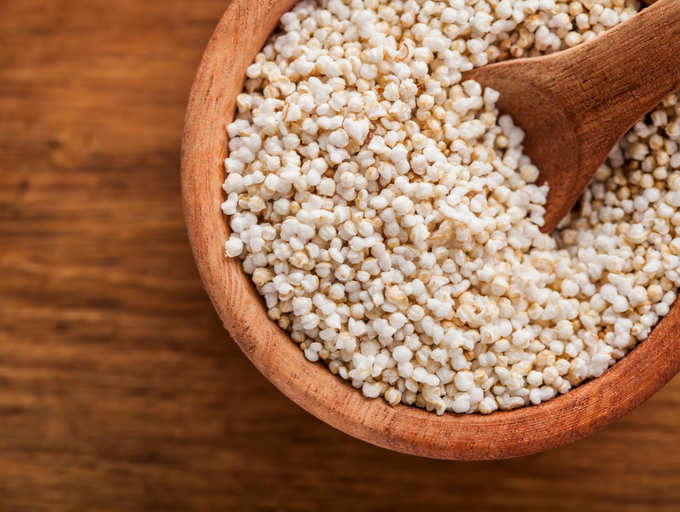
​Amaranth

Amaranth has recently become popular due to its anti-diabetic and antioxidative properties. The flour keeps your blood sugar levels in check and is packed with minerals, vitamins, proteins and lipids that are beneficial for the condition.

Jau (Barley)
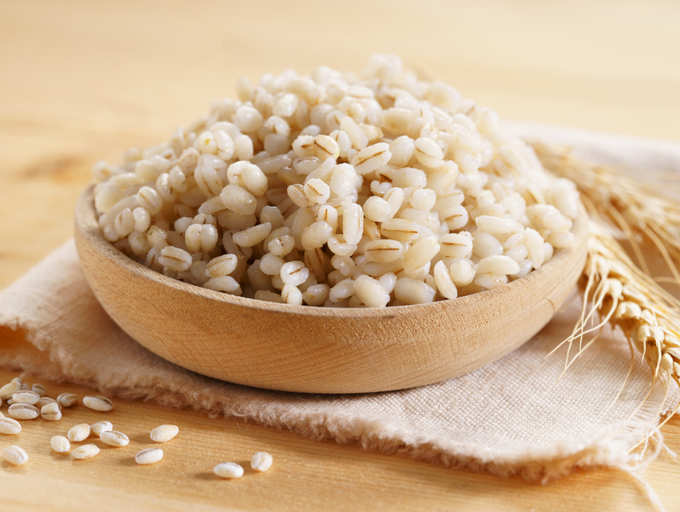
Jau flour helps by increasing the gut hormones and boosting metabolism. It also helps in reducing low-grade inflammation, keeping your body healthy and saving it from getting various diseases.

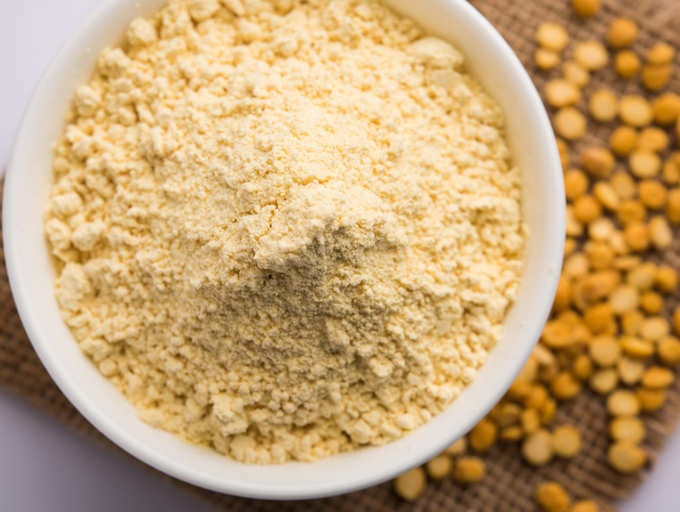
​Chana (Chickpea)

Chane ka atta is rich in soluble fibre that helps in reducing cholesterol levels and aids slow absorption of sugar, which causes blood sugar to rise slowly.

Avoid
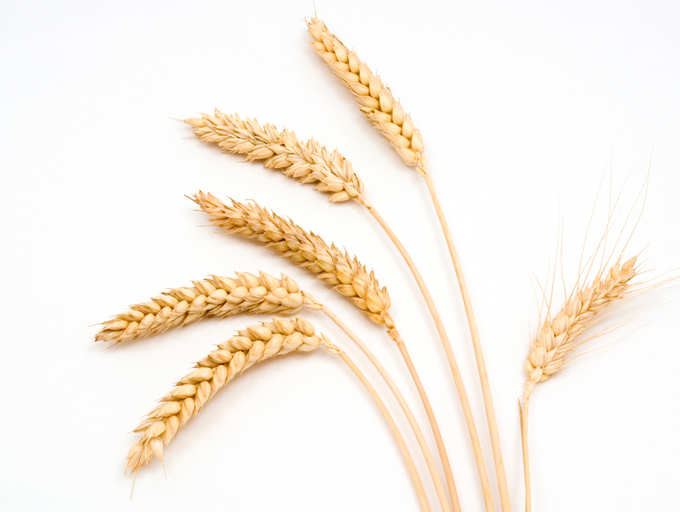
Wheat (genhu)

The glycemic index of the whole wheat kernel is around 30. But with the process of milling, the glycemic index shoots up to 70, which makes it not a healthy option for diabetics.


Labels: , , , , , ,

Saturday, April 11, 2020

The 11 Best Substitutes for Cornstarch

Cornstarch is widely used in cooking and baking.

It's a pure starch powder that is extracted from corn kernels by removing all of their outer bran and germ, leaving behind the starch-rich endosperm.

In the kitchen, it has a range of uses. When starch is heated, it’s very good at absorbing water. So it’s most often used as a thickener for stews, soups and gravies.

It's also often favored by those with celiac disease, as it's derived from corn (not wheat), making it gluten-free.

However, cornstarch is not the only ingredient that can be used as a thickener. This article explores the ingredients you can use instead.
1. Wheat Flour

Wheat flour is made by grinding wheat into a fine powder.

Unlike cornstarch, wheat flour contains protein and fiber, as well as starch. This means it's possible to swap your cornstarch for flour, but you will need more of it to get the same effect.

In general, it's recommended that you use twice as much white flour as cornstarch for thickening purposes. So if you need 1 tablespoon of cornstarch, use 2 tablespoons of white flour.

Brown and whole grain flour contain more fiber than white flour, so while it’s possible to try thickening with these flours, you’re likely to need much more of them to get the same result.

To thicken recipes with wheat flour, mix it with a little cold water first to form a paste. This will keep it from sticking together and forming clumps when you add it to recipes.

If you are using wheat flour as a cornstarch substitute, remember that it’s not gluten-free, so it’s not suitable for people with celiac disease.

    Summary:
    Wheat flour is a quick and easy substitution for cornstarch. For the best results, it's recommended that you use twice as much flour as you would cornstarch.

2. Arrowroot

Arrowroot is a starchy flour made from the roots of the Maranta genus of plants, which is found in the tropics.

To make arrowroot, the roots of the plants are dried and then ground into a fine powder, which can be used as a thickener in cooking.

Some people prefer arrowroot to cornstarch because it contains more fiber (1, 2).

It also forms a clear gel when mixed with water, so it’s great for thickening clear liquids (3Trusted Source).

It’s recommended to use twice as much arrowroot as cornstarch to get similar results. Arrowroot is also gluten-free, so it’s suitable for people who don't eat gluten.

    Summary:
    Arrowroot flour is a gluten-free substitute for cornstarch. You should use twice as much arrowroot as you would cornstarch.

3. Potato Starch


Potato starch is another substitute for cornstarch. It’s made by crushing potatoes to release their starch content and then drying them into a powder.

Like arrowroot, it’s not a grain, so it contains no gluten. However, it is a refined starch, meaning that it’s high in carbs and contains very little fat or protein.

Like other tuber and root starches, potato starch tastes quite bland, so it won’t add any unwanted flavor to your recipes.

You should substitute potato starch for cornstarch in a 1:1 ratio. This means if your recipe needs 1 tablespoon of cornstarch, swap that out for 1 tablespoon of potato starch.

It’s also worth noting that many cooks recommend adding root or tuber starches like potato or arrowroot later in the cooking process.

This is because they absorb water and thicken a lot quicker than grain-based starches. Heating them for too long will completely break them down, causing them to lose their thickening properties.

    Summary:
    Potato starch is a great replacement for cornstarch because it tastes bland and is gluten-free.

4. Tapioca

Tapioca is a processed starch product extracted from cassava, a root vegetable that’s found throughout South America.

It’s made by grinding cassava roots to a pulp and filtering out their starch-rich liquid, which is then dried into tapioca flour.

However, some cassava plants contain cyanide, so the cassava has to be treated first to ensure it’s safe.

Tapioca can be bought as flour, pearls or flakes, and is also gluten- free.

Most cooks recommend substituting 1 tablespoon of cornstarch with 2 tablespoons of tapioca flour.

    Summary:
    Tapioca is a processed starch flour made from the root vegetable cassava. You should substitute around 2 tablespoons of tapioca flour for each tablespoon of cornstarch.

5. Rice Flour

Rice flour is a powder made from finely ground rice. It’s often used in Asian cultures as an ingredient in desserts, rice noodles or soups.

Naturally gluten-free, it’s also popular among those who have celiac disease as a substitute for regular wheat flour.

Rice flour can also act as a thickener in recipes, making it an effective substitute for cornstarch.

Additionally, it’s colorless when mixed with water, so it can be especially useful for thickening clear liquids.

Like wheat flour, it’s recommended that you use twice as much rice flour as cornstarch to get the same result.

It can be used with hot or cold water to make a paste, or in a roux, which is a mixture of flour and fat.

    Summary:
    Rice flour is colorless when added to a recipe, so it can be useful for thickening clear liquids. Use double the amount of rice flour to get the same result.

6. Ground Flaxseeds

Ground flaxseeds are very absorbent and form a jelly when mixed with water.

However, the consistency of flax can be a bit gritty, unlike cornstarch, which is smooth.

That said, flaxseeds are a great source of soluble fiber, so using ground flaxseeds instead of flour can boost the fiber content of your dish (5Trusted Source).

If you’re thickening a dish, you could try substituting for cornstarch by mixing 1 tablespoon ground flaxseeds with 4 tablespoons water. This should replace about 2 tablespoons of cornstarch.

    Summary:
    You can mix ground flaxseeds with water and substitute it for cornstarch. However, it can have a gritty texture and won’t provide the same smooth finish.

7. Glucomannan

Glucomannan is a powdered soluble fiber derived from the roots of the konjac plant.

It is very absorbent and forms a thick, colorless, odorless gel when mixed with hot water.

As glucomannan is pure fiber, it contains no calories or carbs, making it a popular substitute for cornstarch for people following a low-carb diet.

It’s also a probiotic, which means it feeds the good bacteria in your large intestine and can help you maintain a healthy gut (6Trusted Source).

Additionally, a recent review found that consuming 3 grams of glucomannan per day could reduce your “bad” LDL cholesterol by up to 10% (7Trusted Source).

However, you’re unlikely to consume that much when using it as a thickener. That’s because its thickening power is much stronger than cornstarch, so you use much less.

Most people use around a quarter of a teaspoon of glucomannan for every 2 teaspoons of cornstarch.

It thickens at quite low temperatures, so mix it with a little cold water before you pour it into your food to avoid it clumping together when it hits hot liquid.

    Summary:
    Glucomannan is a soluble dietary fiber that thickens when heated with water. It contains no carbs or calories, so it’s a popular choice for people on a low-carb diet.

8. Psyllium Husk

Psyllium husk is another plant-based soluble fiber that can be used as a thickening agent.

Like glucomannan, it’s rich in soluble fiber and contains very few carbs.

You’ll also only need a small amount of it to thicken recipes, so start with half a teaspoon and build up.

    Summary:
Psyllium husk is another type of plant-based soluble fiber. Try using small amounts of it in place of cornstarch for thickening.

9. Xanthan Gum

Xanthan gum is a vegetable gum that’s made by fermenting sugar with a bacteria called Xanthomonas campestris (8Trusted Source).

This produces a gel, which is then dried and turned into a powder that you can use in your cooking. Very small amounts of xanthan gum can thicken a liquid by a large amount.

It’s worth noting that it may cause digestive issues for some people when consumed in large amounts.

However, you are unlikely to consume very much of it when using it as a thickener.

It’s recommended to use a small amount of xanthan gum and add it slowly. You need to be careful not to use too much, or the liquid may become a bit slimy.

    Summary:
    You can swap cornstarch for the same amount of xanthan gum as a thickener in your cooking.

10. Guar Gum

Guar gum is also a vegetable gum. It’s made from a type of legume called guar beans.

The outer husks of the beans are removed, and the central, starchy endosperm is collected, dried and ground into a powder.

It’s low in calories and high in soluble fiber, making it a good thickener (11, 12Trusted Source).

Some people prefer using guar gum over xanthan gum, as it’s generally much cheaper.

However, like xanthan gum, guar gum is a strong thickener. Start with a small amount — around one-quarter of a teaspoon — and build up slowly to a consistency that you like.

    Summary:
 is low in calories and high in soluble fiber. It has good thickening properties, so start with a small amount and build up.

11. Other Thickening Techniques
Several other techniques can also help you thicken your recipes.

These include:

Simmering: Cooking your meal at a lower heat for longer will help evaporate some of the liquid, resulting in a thicker sauce.


Blended vegetables: Puréeing leftover veggies can make a tomato-based sauce thicker and add more nutrients.


Sour cream or Greek yogurt: Adding these to a sauce can help make it creamier and thicker.

    Summary:
    Several other techniques can help thicken sauce, including simmering, adding some blended veggies and using sour cream or Greek yogurt.

The Bottom Line

When it comes to thickening sauces, stews and soups, there are many alternatives to cornstarch.

What’s more, many of these thickeners have different nutritional properties than cornstarch and can suit various dietary preferences.

If you’re looking to add a little bit of extra fiber to your recipes, are on a low-carb diet or simply run out of cornstarch, there are certainly alternative thickeners to consider.


This is only for your information, kindly take the advice of your doctor for medicines, exercises and so on.     

https://gscrochetdesigns.blogspot.com. one can see my crochet creations  
https://gseasyrecipes.blogspot.com. feel free to view for easy, simple and healthy recipes    
https://kneereplacement-stickclub.blogspot.com. for info on knee replacement

Labels: , , , , , , , , , , , , , ,

Monday, February 11, 2019

Wheat Flour / Atta Facepacks For Clear and Glowing Skin

Face pack For Oily Skin

If you have oily skin that is prone to breakouts, try this. Boil 3 tbsp milk and add 2 tbsp honey and 2 tbsp rose water to it. Add 4 tbsp atta to this and start blending in to avoid lumps. Let it cool down and then apply all over your face. Let it dry on its own and then wash off for smooth, oil-free skin.
For Glowing Skin
atta malai skin
Fade those blemishes and spots on the skin with this all-natural homemade mask. Mix together 2 to 3 tbsp cream /malai with 1 to 2 tbsp atta or wheat flour. Wash and pat dry your face. Apply this malai atta facepack evenly over the face and let it dry. Rinse off after some time and repeat the process regularly to get clear skin.
Wheat Flour Face-pack Fir Tired skin
For this beauty facepack, you will need the atta choker mixed with raw milk. Add a pinch of turmeric and mix into a thick consistency. Apply on face and let it dry. While removing it scrub your face a little to exfoliate the skin and wash off to reveal refreshed skin.
Wheat Flour Face-pack to Soothe Skin
If you have skin irritation or sunburn, treat your face to some atta care. Boil rose petals and orange peels in water. Heat some milk and add honey to it. Mix this with water and the boiled milk having rose petals and orange peels. Add atta to this to make a thick pack. Clean your face and apply the pack. Keep it for 20 minutes and then rinse off.
It's quite true that you don't need fancy and costly products most of the time for the right care that your skin needs. Just look into your kitchen for easy beauty remedies and you can look as beautiful and refreshed as you want to be.
THIS IS ONLY FOR INFORMATION, ALWAYS CONSULT YOU PHYSICIAN BEFORE HAVING ANY PARTICULAR FOOD/ MEDICATION/EXERCISE/OTHER REMEDIES.                                    PS- THOSE INTERESTED IN RECIPES ARE FREE TO  VIEW MY BLOG-                                                                                           https://gseasyrecipes.blogspot.com/       

                                                                                                                                                                 FOR INFO ABOUT KNEE REPLACEMENT, YOU CAN VIEW MY BLOG-                                                  https:// kneereplacement-stickclub.blogspot.com/           
                                                                           FOR CROCHET DESIGNS                                                                                                                                                                                                  https://gscrochetdesigns.blogspot.com


Labels: , , , , , , , , ,

Saturday, June 30, 2018

Sweet Treats That Won't Make You Gain Weight

The moment we decide to follow a diet, we reduce the amount of sugar intake first. Studies show that this method helps fight against obesity and excess weight pretty well. Nevertheless, you shouldn't completely exclude it from your diet as sweet products enrich us with energy. Here we take a look at what kind of sugar can replace high-calorie cupcakes and other sweet treats that make us gain weight. 
 
1. Sorbet
Sorbet (which is basically an ice cream without milk) is fat-free. It also contains fewer calories. Sorbet also comes in a variety of flavors, including frozen berries and other fruit which contains the same amount of vitamins as fresh ones.

2. Fruit
Fruit is a popular food and one that can be used in place of candies. Studies show that eating fruit doesn't lead to excess weight. However, if you count calories, you're recommended to eat a grapefruit (which contains 30kcal and 7g of carbs per 100g) instead of a banana (which contains 95kcal and 21g of carbs per 100g). To keep the sugar to a minimum try to eat perfectly ripe fruit as overripe ones contain too much glucose. 

3. Berries
Berries come in a variety of forms - from cranberries to raspberries, strawberries and red currant which are all considered to be low-calorie berries. Cherries, pomegranates, blueberries, and apricots, however, do have high sugar levels. In addition, berries are also pretty good for you. Raspberries, for instance, remove excess fluid from the body. Berries also have a good effect on the digestive system and speed up the metabolism. 

4. Jam
Essentially, jam is high in sugar. However, it does have its benefits when taken in its natural form. Jam contains a great amount of pectin, a polysaccharide that normalizes gastrointestinal transit and maintains the bacterial balance in our body. 

5. Pastries
If you're looking to lose weight, people know that they have to stop eating muffins and cakes since they are high in sugar and calories. However, there are certain tricks that you can do to enjoy your favorite sweets. Try to replace high-calorie wheat flour with corn, flax, buckwheat, rye or oat flour. Use stevia instead of sugar and vegetable fats (such as olive oil) instead of butter and margarine.
THIS IS ONLY FOR INFORMATION, ALWAYS CONSULT YOU PHYSICIAN BEFORE HAVING ANY PARTICULAR FOOD/ MEDICATION/EXERCISE/OTHER REMEDIES.                                                                                                                                                                                                        PS- THOSE INTERESTED IN RECIPES ARE FREE TO  VIEW MY BLOG-                                                                                           https://gseasyrecipes.blogspot.com/  


FOR INFO ABOUT KNEE REPLACEMENT, YOU CAN VIEW MY BLOG-                                                                                        https:// kneereplacement-stickclub.blogspot.com/                              
FOR CROCHET DESIGNS                                                                                                                                                                                                                                 https://gscrochetdesigns.blogspot.com


Labels: , , , , , , , , , , , , , , , ,

Wednesday, March 28, 2018

Beauty benefits of egg white

Egg white is basically an albumen contained within an egg. It is highly enriched with protein, vitamin and minerals which are fundamental in the body. Apart from their nutritious benefits, egg white is also associated with amazing beauty benefits by keeping the face smooth.

Here are beauty benefits of egg white 
Reduce wrinkles
Wrinkles are caused by many factors like aging, poor lifestyle, exposure to sunlight and so on. Egg white provides you with a smooth skin by removing all wrinkles. 
In a bowl, add the egg white, a tablespoon of wheat flour and honey then mix them to form a mixture paste. Afterwards, wash your face with warm water and mild soap. Apply the paste on your face( on wrinkles areas). Dab the paste continuously for 10 minutes. Wash it off and dry your face with a clean towel. Then apply a moisturizer on your face. This should be done daily till the wrinkles dissipate.

Moisturize the face
A white egg has moisturizing properties hence keeps the face moist free of dryness. 
Into a bowl, add egg white, a tablespoon of olive oil and honey, then mix them. Wash your face with warm water and mild soap as mentioned earlier. Then dab the mixture continuously on the face for 10 minutes. Afterwards, wash it off the face with warm water. Use a cotton wool to dry the face. If you want, you can apply moisturizer. 
Apply it once a week for two weeks.

Removing dark spots
They are said to remove spots caused by exposure to sunlight. 
Into a bowl, add egg white, 2 and a half tablespoon of lemon juice and honey respectively. Mix them and mask it on a clean, dry face for 15 minutes. Thereafter, wash it off your face with warm water.
Apply it daily till you note a positive result.

THIS IS ONLY FOR INFORMATION, ALWAYS CONSULT YOU PHYSICIAN BEFORE HAVING ANY PARTICULAR FOOD/ MEDICATION/EXERCISE/OTHER REMEDIES.                                                                                                                                                                                                      PS- THOSE INTERESTED IN RECIPES ARE FREE TO VIEW MY BLOG-                                                                                           https://gseasyrecipes.blogspot.com/   

FOR INFO ABOUT KNEE REPLACEMENT, YOU CAN VIEW MY BLOG-                                                           https:// kneereplacement-stickclub.blogspot.com/                              
FOR CROCHET DESIGNS                                                                                                                                                                                                                                         https://my crochet creations.blogspot.com/

Labels: , , , , , , , , , ,