Wednesday, December 30, 2020

Take These Health Tests When You Reach 50

It's a midlife fact: once we've hit our fifties, we are more likely to need certain medical tests and exams to maintain our health. While this can be unsettling, knowing what tests are available to us can help us make better-informed health decisions. Here is a list of tests you should consider doing once you've reached your fifties:

Routine Yearly Physical Exam 
Whether you are seeing a gynecologist or a family doctor for your routine checkup, it's important to know exactly what tests you need and what to expect. Routine physical checkups take time, so book your appointment in advance, making it clear that you are coming for a complete physical. If seeing your family doctor, it's best to stick with a general physical exam, screening for chronic conditions such as heart disease and cancer. On the other hand, see your gynecologist for gynecological exams. 
 
The following tests and exams get the best snapshot of your overall health:
 
1. General Physical Exam
health tests, aging, guide
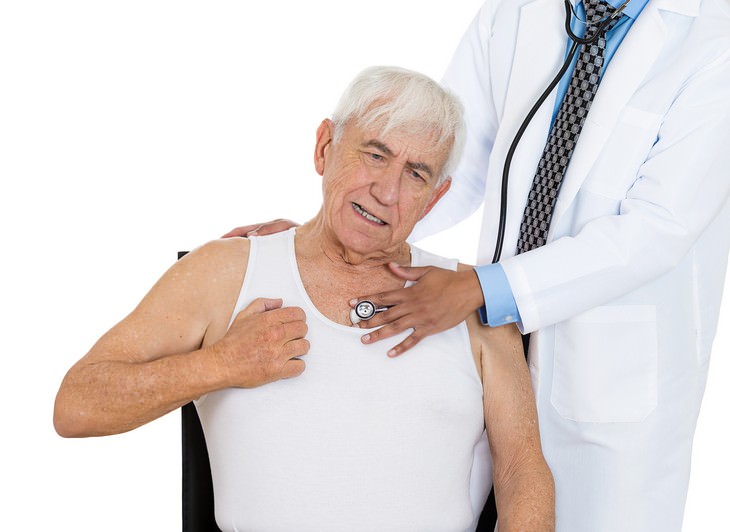
A general physical includes your doctor taking a detailed history to learn all about you and your family history. A head-to-toe physical exam includes your skin, eyes, ears, nose, throat, lymph nodes, chest, breast area, abdomen, rectum, and extremities (hands and feet).

2. Waist Circumference 
 A larger waist circumference could put you at an increased risk of metabolic syndrome, which in turn can cause a cluster of medical conditions including high blood pressure, high blood sugar, abnormal cholesterol or triglyceride levels, which can increase your chances of heart disease, stroke, and diabetes. Among women, an increased waist circumference can also put you at risk of breast and uterus cancer.

3. BMI (Body Mass Index) 
Your BMI is another indicator of possible future health risks. However, your waist circumference and body shape make for a more reliable estimate. 
 
4. Blood Pressure 
Once you've reached 50, your blood pressure should be tested at each visit to the doctor. According to treatment guidelines, if you have diabetes, your blood pressure target should be around 120/80. 
 
5. Pelvic Exam 
Your yearly visit to the gynecologist usually entails a pelvic exam. If you rely on your family doctor, you will most likely have to ask for this to be performed. A pelvic exam can determine the condition of your uterus, cervix, ovaries, and rectum. You should also ask for a rectal exam, as well as for a stool sample to be taken to test for the presence of blood. 
 
A regular pap smear will also examine your cervical cells, determining any changes or the possibility of cervical cancer. Along with your pap smear, you should also ask for the HPV (Human Papilloma Virus) test. Testing positive for HPV could mean that you are a chronic carrier of the virus, which is believed to be the sole cause of cervical cancer. Consequently, additional tests for any abnormal cells caused by the virus can then be carried out. 
 
6. Blood Work Your blood record contains a great deal of information about your health. By the time you hit your forties, it's important to run a complete series of blood tests. Doing so will allow you to find out about the state of your liver, thyroid, blood cholesterol, blood sugar and more. An overnight fast or fasting sample is critical. The following is an overview of what your doctor will test: 
 
• Complete Blood Count: CBC measures the number, size, and shape of the different types of cells in your blood. It may be ordered as part of a complete physical examination, before surgery or if you have unexplained symptoms. 
 
• C-reactive Protein: Women with a waist circumference of 35 inches or over should ask for this important test to determine blood inflammation and risk of heart disease.
 
7. Blood Chemistry
The state of your blood chemistry can be determined by a series of tests that can be conducted quickly and inexpensively. Here's what your doctor will test: 
 
• Glucose: This test will determine whether you have diabetes. A fasting glucose of less than 100 is normal, while a level of 100 to 125 is abnormal and called impaired glucose tolerance. Meanwhile, a level of 126 or greater indicates diabetes. 
 
• Blood Urea Nitrogen and Chloride: This tests your kidney function. 
 
• Sodium, Potassium, and Chloride: These are your blood salts or electrolytes. This test is especially important if you are taking diuretics (water pills) for hypertension or heart disease. 
 
• Uric Acid: Determines the waste product of all cells. If elevated, it may indicate kidney disease or gout. 
 
• Albumin: A blood protein produced by the liver. If low, it can indicate liver or kidney disease. 
 
• Globulin: A blood protein produced by your immune system. A high count can indicate chronic inflammation, infection or blood disorders such as multiple myeloma. 
 
• Calcium: A component of your blood that helps all the cells in your body function normally. A high count in your blood can point to hyperparathyroidism, which predisposes you to kidney stones and low bone density. 
 
• Serum Glutamine Pyruvic Transaminase (SGPT) and Serum Glutamate Oxaloacetate Transaminase (SGOT): Determines the enzymes (proteins) produced by the liver and red blood cells. 
 
• Lactate Dehydrogenase: This enzyme is produced by many cells in the body. If high, your doctor will likely do additional tests to rule out malignancy. 
 
• Bilirubin: A chemical in bile that gives it its yellow color. If high, the bile passages from the liver to the intestine are blocked, indicating gallstones or liver disease. 
 
• Gamma Glutamyl Transpeptidase (GGT): An enzyme produced by the liver. Obesity and excessive alcohol use are the most common factors for a GGT increase. It may also be elevated due to liver disease. 
 
• Alkaline Phosphatase: An enzyme produced by the liver and bones. If elevated, determining the levels of GGT may help understand why - in which case, if both GGT and Alkaline Phosphate are high, the liver is likely to be the reason.

8. Blood fats and lipids
health tests, aging, guide
The levels of your blood fats and lipids determine whether heart disease is present. This is generally what your doctor should test for: 
 
• Total Cholesterol: This determines the sum of your LDL and HDL (more on this below). High total cholesterol levels are linked to heart disease. Your total cholesterol level should be below 200. 
 
• High-Density Lipoprotein (HDL): HDL indicated your good cholesterol levels. Your HDL should be at least 30 percent of your total amount. In men, an HDL greater than 40 is normal, while in women, an HDL greater than 50 is normal. 
 
• Low-Density Lipoprotein (LDL): LDL determines your bad cholesterol levels. If your LDL is high, it puts you at risk for heart disease. Your doctor will likely recommend a change in diet and medication to get your LDL cholesterol below 130. If you suffer from diabetes or heart disease, your treatment goal for LDL should be below 100. 
 
• Triglycerides: This determines the form of fat in your blood. Your triglyceride levels are much more likely to be higher after a meal. Elevated levels indicate an increased risk of heart disease and could also be a sign of early diabetes. Your triglyceride levels should ideally be under 150. 
 
9. Thyroid Function 
Women over the age of 50 should be tested for an under-active thyroid. A thyroid function test measures the level of the two hormones produced by the thyroid glands: thyroxine 3 (T3) and thyroxine 4 (T4), both of which regulate your metabolism. If your thyroid hormone levels are low, the TSH (Thyroid Stimulating Hormone) level will be high, whereas if the thyroid hormone levels are too high, then the TSH will be low or immeasurable. 
 
10. Bone Density  
An x-ray, known as the DXA scan, measures your bone density. The lower your bone density, the greater your risk for bone fractures. The most important score detected by a DXA scan is your T-score, which indicates how well your bones compare to that of a healthy 35-year-old-woman. If it falls between -1 and -2.5, you likely have mild protein and mineral loss in your bones, called osteopenia. If your T-score is -2.5 or lower, then you have osteoporosis and thus are exposed to a significantly increased risk of fractures.

11. Mammogram 
This X-ray can detect breast cancer early, often before a lump can be felt. It is ideally scheduled a week after your period, a time when your breasts are least tender and glandular. Women over 50 should take this test yearly, while women at high risk of breast cancer should ask about a digital mammogram and an MRI. 
 
12. Colon Cancer Screening
Once you've hit 50, talk to your doctor about a colon cancer screening. If colon cancer, colon polyps, inflammatory bowel disease or other cancers such as breast, ovarian, endometrial or prostate cancer run in your family, it is important to get screened. Have an annual rectal exam and check the stool for hidden blood once a year. Get a colonoscopy done once at age 50, then depending on your family history, once every 5 to 10 years. 
 
13. Dental 
Every six months, get your teeth and gums checked for decay or plaque buildup as well as signs of inflammation and infection, particularly if you are at risk for heart disease, metabolic syndrome or diabetes, or if you have a waist circumference over 35 inches. 

14. Vision 
Getting your eyes checked on a regular basis can determine your vision, cataracts, and even glaucoma. If you suffer from metabolic syndrome or diabetes, you should have an annual ophthalmology exam done by an ophthalmologist, to check the retina too. 
 
15. Skin Examination 
Ask your doctor for a head to toe check of your skin on an annual basis. Melanoma is one of the most serious forms of skin cancer, that arises due to excessive sun exposure. 
 
16. ECG (Electrocardiogram) 
A baseline ECG assesses your heart's electrical activity. Be sure to get this test done by age 50, particularly if you are at increased risk for heart disease. For an accurate picture of your heart ask for a CT scan, a stress test which uses a heart ultrasound or special dye to get more accurate pictures of your heart. It may be a good idea to ask your doctor for a printout on a copy machine, which you carry with you along with your emergency health card. 
 
In case an emergency crops up in the future, your doctors will be able to compare a new ECG with your old one, enabling them to determine how best to treat you.

17. Prostate Cancer Screening
Once you've hit your 50s, it is important to discuss screening for prostate cancer with your doctor. If you have a family history of prostate cancer among first degree relatives, you should discuss screening at age 45. 
 
 In Summary  
You know you are healthy at 50-60 if you have: 
 
• Waist circumference under 35 inches 
 
• Blood pressure <120/80 
 
• Blood lipids: LDL cholesterol <100, HDL > 50, TG (triglycerides) <150 
 
• Fasting blood glucose <100 
 
• ECG: baseline and CRP blood test if WC over 35 inches 
 
• Sleep 7-8 hours at night 
 
• Eat fruits, veggies, grains and healthy fats 
 
• Don’t smoke 
 
• Reduce stress in your life 
 
• <1 glass wine daily 
 
• Exercise/walk 30 minutes or more daily.


This is only for your information, kindly take the advice of your doctor for medicines, exercises and so on.     

https://gscrochetdesigns.blogspot.com. one can see my crochet creations  
https://gseasyrecipes.blogspot.com. feel free to view for easy, simple and healthy recipes    
https://kneereplacement-stickclub.blogspot.com. for info on knee replacement


Labels: , , , , , , , , , , , , , , ,

Wednesday, October 03, 2018

Reasons Behind Headache

Headache is one of the most common reasons why people use over the counter analgesics (OTC-drugs) such as paracetamol (acetaminophen), aspirin, and other non-steroidal anti-inflammatory drugs (NSAIDs) like ibuprofen, naproxen, and diclofenac.
While these drugs are generally safe and effective when used as directed, their use has been associated with certain risks. Paracetamol (acetaminophen) may harm the liver, aspirin has been associated with increased risk of bleeding from the gastrointestinal tract, and NSAIDs should be used with caution in patients with cardiovascular disease or hepatic or renal impairment.

How to Decide if a Headache Is Serious or Not

A headache that is due to a specific underlying condition, such as sinusitis or meningitis, is often referred to as secondary to distinguish it from more benign conditions such as migraine, tension headache, and cluster headache which are known as primary. A primary headache is a headache that is due to the headache condition itself and not due to another cause .
The differentiation of the small number of patients with serious, sometimes life-threatening headaches from the overwhelming majority with benign primary headaches is of immense importance. Failure to acknowledge a serious secondary headache can have potentially fatal consequences.
The key to distinguishing secondary headache from a primary headache lies in the features of the headache, other symptoms occurring at the same time, and the physical examination.

The following features may point to a secondary headache rather than a primary headache :
A severe persistent headache that reaches maximal intensity within a few seconds or minutes
No similar headaches in the past
The presence of concomitant infection 
Severe persistent headache that reaches maximal intensity within a few seconds or minutes.
No Similar headaches in the past
The presence of a concomitant infection ( sinusitis or some respiratory tract infections) 
Altered mental status ( confusion, fainting or fluctuations in the level of consciousness)
Headache with seizures
Headache with exertion
Above 50 years
Below 5 years
Malignant tumours, HIV
Visual disturbances
Neurological abnormaloties 
Neck stiffness or other signs of meningitis
Trauma

The following features indicate a low-risk for a dangerous underlying cause and suggest a primary headache:
Stable pattern of headache over many months or years
Family history of similar headaches
Normal physical examination
Headaches consistently triggered by hormonal cycle, specific foods, sensory input or weather changes

For most patients, the diagnostic test of choice is a magnetic resonance imaging (MRI) brain scan. Computed tomography (CT) of the brain is usually obtained in the setting of trauma or the abrupt onset of headache. Spinal tap with examination of cerebrospinal fluid is useful in diagnosing subarachnoid bleeding and infection.

The following are some reasons why you might get that headache
  1. Stress: Physical stress or emotional stress can be identified as one of the most common causes for your headache. Tension, anxiety and depression may trigger a headache. This is also known as tension headache. In this condition, the muscles of your scalp, neck, face and jaw tighten, thus causing pain. Fatigue may also lead to this type of headache.
  2. Eye problems: Sometimes eye problems may be the cause of your headache. Diseases such as glaucoma can cause headache. Straining your eyes for seeing distant objects or glaring at your computer screen for long can also result in headache.
  3. Eating and sleeping disorders: Change in eating and sleeping pattern can also cause headache. Inadequate sleep or caffeine withdrawal can give you terrible headache sometimes.
  4. Ear, nose or throat disorders: Ear, nose or throat problems can also give rise to headache. Sinus caused by cold or infection, tonsillitis or throat infections can also prompt a headache.
  5. Medication: Excessive use of medication can be a factor responsible for your headache. This is also known as rebound headache.
  6. Dental problems: Jaw or dental problems sometimes may trigger a mild headache which can turn severe also. The alignment of lower and upper jaw, tooth decay may be some of the causes for headache.
  7. Hormonal problems: Sometimes a decline of your estrogen levels can also be a reason for your headache.
  8. Bad posture: Sometimes, poor posture may strain the muscles of your back and neck, triggering a headache.
Headache can be very annoying. Sometimes pain relief medicines help in controlling headache, but consuming them regularly may affect your health. 

THIS IS ONLY FOR INFORMATION, ALWAYS CONSULT YOU PHYSICIAN BEFORE HAVING ANY PARTICULAR FOOD/ MEDICATION/EXERCISE/OTHER REMEDIES.                                                                                                                                                                                                                                            PS- THOSE INTERESTED IN RECIPES ARE FREE TO  VIEW MY BLOG-                                                                                           https://gseasyrecipes.blogspot.com/   

 
FOR INFO ABOUT KNEE REPLACEMENT, YOU CAN VIEW MY BLOG-                                                                                                                                https:// kneereplacement-stickclub.blogspot.com/                              

FOR CROCHET DESIGNS                                                                                                                                                                                                                                 https://gscrochetdesigns.blogspot.com

Labels: , , , , , , , , , , ,

Thursday, May 03, 2018

Could acupuncture help relieve dental anxiety?

A new research suggests that acupuncture could be a potential treatment for those who experience dental anxiety.

Carried out by researchers at the University of York, the team reviewed six trials with a total of 800 patients to assess the effect of the traditional Chinese treatment on dental anxiety.

The condition affects up to an estimated 30 percent of adults worldwide and can be brought on by a variety of fears including being afraid of needles, experiencing pain, or experiencing side effects from anesthetic.

Symptoms include nausea, difficulty breathing and dizziness, which can occur at the thought of going to the dentist, during an examination and following treatment.

For the review the researchers measured dental anxiety using a point scale and compared the anxiety levels between patients who received acupuncture and those who did not.

They found that receiving acupuncture decreased anxiety by eight points, a reduction big enough to be considered clinically relevant, suggesting that acupuncture could potentially be an effective treatment for dental anxiety.

A professor of Acupuncture  commented on the findings saying, “There is increasing scientific interest in the effectiveness of acupuncture either as a standalone treatment or as an accompanying treatment to more traditional medications.”

However, he noted that no conclusions can be drawn yet, adding, “These are interesting findings, but we need more trials that measure the impact of acupuncture on anxiety before going to the dentist, during treatment and after treatment.”

“If acupuncture is to be integrated into dental practices, or for use in other cases of extreme anxiety, then there needs to be more high quality research that demonstrates that it can have a lasting impact on the patient. Early indications look positive, but there is still more work to be done.”

Previous research has also suggested that acupuncture could be effective in treating a variety of other conditions including period pain, chronic pain, hot flashes associated with the menopause, and aid weight loss.

THIS IS ONLY FOR INFORMATION, ALWAYS CONSULT YOU PHYSICIAN BEFORE HAVING ANY PARTICULAR FOOD/ MEDICATION/EXERCISE/OTHER REMEDIES.                                                                                                                                                                                                        PS- THOSE INTERESTED IN RECIPES ARE FREE TO  VIEW MY BLOG-                                                                                           https://gseasyrecipes.blogspot.com/  

FOR INFO ABOUT KNEE REPLACEMENT, YOU CAN VIEW MY BLOG-                                                                                                                              https:// kneereplacement-stickclub.blogspot.com/                              
FOR CROCHET DESIGNS                                                                                                                                                                                                                                 https://my crochet creations.blogspot.com


Labels: , , , , , , , , ,

Sunday, January 28, 2018

DON'T TRY THESE HOME REMEDIES

Infected Umbilical cord-Some home remedies are downright bizarre and risky. One particularly strange treatment for a baby with an infected umbilical cord involves applying cow manure to the area. This is terrible advice for a number of reasons, not the least of which is that cow dung is jam-packed with all kind of bacteria which could result in a serious infection that would require treatment from a real doctor. 

 Ear candling
Some people do have a buildup of wax that causes itching and impaired hearing - and that's where ear candling comes in. It's marketed as an easy at-home solution for people with this problem and involves taking a candle-shaped beeswax cone, placing it in the ear, lighting it, and after the wick burns down, removing the cone along with ear wax and other impurities. Unfortunately, lighting a flame inches from your ear isn't exactly easy, and in fact, it can be dangerous. 

Broken dentures
It’s quite understandable for someone to want to attempt a repair on broken dentures, since a visit to the dentist can often be expensive and difficult. Some people attempt to repair broken dentures with adhesives, which is not made from ingredients that are safe for human consumption. Any type of glue applied to dentures will necessarily wind up being ingested, and could cause serious health problems. 

Applying alcohol on teething baby’s gums

People use alcohol for all sorts of reasons and some people use alcohol to relieve the pain for babies when they are teething. However, alcohol may upset your baby due to the burning sensation it produces. Furthermore some types of alcohol are not fit for consumption.

Butter for a Burn

While you might be of the opinion that butter makes everything better, it's important to remember that this rule applies to food, not burns. Butter might offer modest value for a burn by having a slight cooling effect, but it tends to melt due to body heat and there is a risk of infection because it's not sterilized.

 Piercing Eye Stye with Needle
Piercing the stye which occurs near the eye with a needle is a common home remedy. But by doing this you are putting your eyes in danger. While piercing the stye, the needle may get inside your eye leaving you injured grievously. 

 Head Lice
Some people use petrol, kerosene or pesticides straight for head lice. These home remedies are not only ineffective but very dangerous as well as they can cause toxicity. All these chemicals can enter your blood circulation through the scalp. These chemicals are highly toxic and cause organ damage.

 Treating acne with toothpaste
The common logic here is that the baking soda in toothpaste dries out your pimple and therefore makes it die down. But while the baking soda itself is probably fine, the added chemicals in toothpaste could seriously irritate your skin. The three worst toothpaste ingredients are alcohol, hydrogen peroxide, and menthol—all of them can irritate the skin more than help it. 

 Wart Cutting
Some people use a blade or other sharp instruments to cut off their warts. This can cause infection and you may harm yourself by an accidental cut. There are other safe home remedies for warts and they are effective too. However wart cutting is a dangerous cure. 

 Egg White Masks
Rumor has it that egg whites improve your complexion by tightening your skin, so many women hop on board. But actually, there is zero documented evidence that egg whites tighten your skin. If anything, people think it does because the egg whites dry on your face, so it feels tighter. But once you wash it off, it hasn't really done anything. Plus, there's a chance you get some in your mouth, and then you just end up sick. 

Inserting hair pins inside ears

In order to clear the dirt inside the ear, some people often insert hair pins. Also, some choose to wrap a cotton bud around a match stick and clean up the ear. But this technique may end you up losing your hearing abilities. There are chances that the matchstick breaks inside your ear gets stuck there. Going for this home remedy means inviting trouble for yourself surely.

A spoon of Castor Oil

Castor oil is considered an old home remedy for constipation. Castor oil is a stimulant laxative that can damage the intestines if taken too often. You can also become reliant on it to induce regular bowel movements. 

 Paraffin Intake
Most people give paraffin to their child for vomiting if they have accidentally ingested any poison such as kerosene. Paraffin is very toxic and it can go into the lungs during vomiting. It causes more damage to lungs than the stomach. Avoid giving your child home remedies such as paraffin, milk and charcoal for vomiting. This will prove to be a harmful home remedy. 

 Injurious dental remedies
There is no lack of dodgy home remedies for dental problems. One of these remedies is rubbing headache powder on to the gum area for suppressing toothache. Definitely, it is a dangerous idea that can chemically burn gums. It is better to take painkiller for getting rid of toothache. 

Drinking milk for Heartburn

This is the most common but worst home remedy. While cold drinking milk soothes the stomach and temporarily combats heartburn, milk fat may actually stimulate acid production and cause a rebound effect later

 Use of Colloidal silver
Colloidal silver, which is an at-home remedy sometimes used to treat a variety of ailments including arthritis, can not only cause fatigue, kidney problems and stomach issues but actually turns skin blue due to an accumulation of silver deposits in the body

 Word of caution
There are millions of people who swear by herbal remedies, and it’s likely that some of them actually work as said. The important thing to remember is that not all herbs are like the cilantro or rosemary you might pick up at the supermarket. Some herbs contain powerful ingredients that can be dangerous when not taken properly. Be cautious, stay safe! 

THIS IS ONLY FOR INFORMATION, ALWAYS CONSULT YOU PHYSICIAN BEFORE HAVING ANY PARTICULAR FOOD/ MEDICATION/EXERCISE/OTHER REMEDIES.    
PS- THOSE INTERESTED IN RECIPES ARE FREE TO VIEW MY BLOG-                      
HTTP:GSEASYRECIPES.BLOGSPOT.COM/
FOR INFO ABOUT KNEE REPLACEMENT, YOU CAN VIEW MY BLOG-                                                        
HTTP://KNEE REPLACEMENT-STICK CLUB.BLOGSPOT.COM/
FOR CROCHET DESIGNS

HTTP://MY CROCHET CREATIONS.BLOGSPOT.COM

Labels: , , , , , , , , , , , , , , , , , , ,