Monday, July 13, 2020

8 Clever Ways to Cool Down Your Bedroom in the Summer Heat

Getting a good night's sleep during the hottest summer months seems impossible at times. Sometimes, even the air conditioning doesn't help, and you end up rolling from side to side and sweating like a sinner in church all night long. But even if it does, having the AC running all night for months seems like a waste of your hard-earned money, doesn't it?
To save yourself some cash and still sleep well all summer, irrespective of the heat, there are many things you can do, like proper insulation, ceiling fans, and other general tips to consider to keep your entire house cool.  But insulating your attic and installing ceiling fans are long-term projects that require professional help, a lot of time and possibly money, and chances are, you need some quick fixes to cool off and sleep well right away. So here are 8 clever and easy tricks that are sure to keep your bedroom cool and fresh all night, and require little time and even less money on your part.

1. Bring in some indoor plants

tips to cool down the bedroom indoor plants
Turning your bedroom into a jungle full of greenery and fresh air is an excellent idea! Not only will the plants help you sleep better all night by providing you with fresh oxygen, but large leafy plants will also block out the sun and make sure the bedroom is in shade and hence a cooler place in your house. Planting shrubs and trees outside of the bedroom window is also a good idea, if possible.
In addition, some plants are natural coolants, and they provide lots of fresh oxygen and cool down the air in the room. Such indoor plants include aloe, snake plant, ficus plants, spider plant, Boston fern, pathos, and the Areca palm tree, and they will look great in your bedroom!

2. Make your windows reflective

tips to cool down the bedroom reflective windows
Most of the heat gets into your bedroom with the light that shines through the windows, and so blocking or filtering out some light might really help reduce the heat in the bedroom. To do so, you can cover your windows in a special reflective film, which is available in most hardware stores and online and is easy to install on your own. The nearly transparent film acts as a filter that will let in only 47% of the sun's rays through, just enough to bring in some light into the room without overheating it.
In a pinch, you can also use regular tin foil or foam sheets with a foil backing to cover your bedroom windows that will basically have the same effect. The downside of this trick, however, is that the foil will block most of the light and doesn't look particularly appealing, but it works!

3. Choose the right curtains and blinds
tips to cool down the bedroom blinds
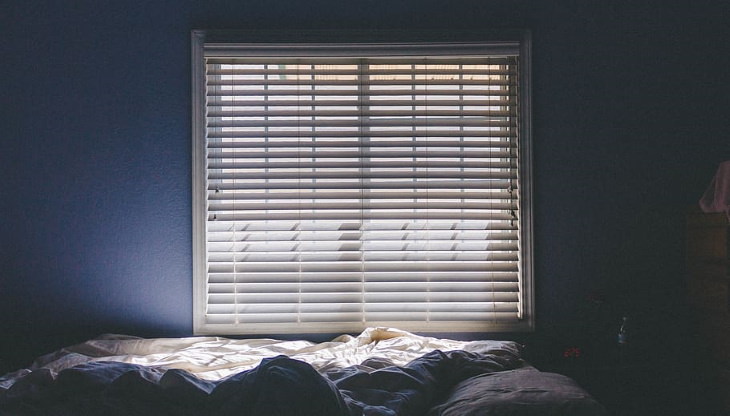
Lightweight sheer curtains are not suitable for bedrooms, as they will let in too much light. Another great way to block out the sun's rays and keep your bedroom cool apart from the reflective film are blackout curtains or blinds, which you would ideally close throughout the day to keep the room fresh. Blackout curtains especially can block nearly 100% of the light and also have some noise-canceling properties and help trap heat in during the winter, which makes them an excellent choice for sensitive sleepers year-round.

4. Opt for light-colored furniture and accessories 
tips to cool down the bedroom white bedrooms
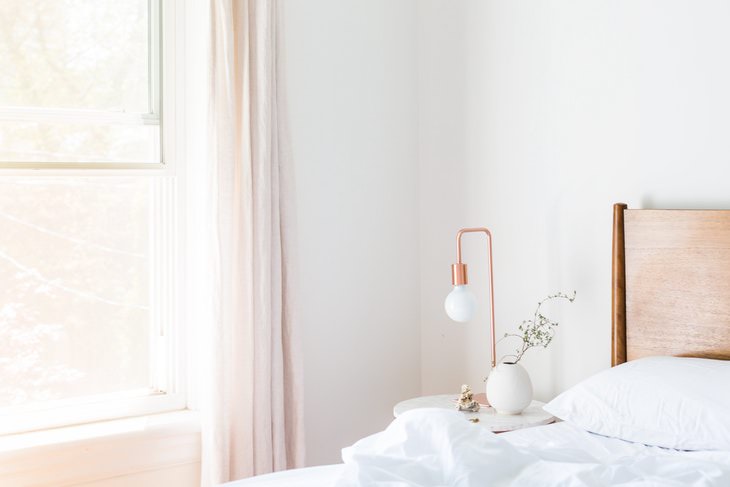
Even such a seemingly-minor detail as color can make a big difference in terms of trapping in unwanted heat. We recommend you choose light-colors like white, off-white, beige, or greige in your bedroom during the summer. To understand why you must remember a bit of color theory: dark colors, such as black, navy, and dark brown absorb light, whereas light ones reflect it. Thus, light-colored accessories, furniture, textiles, and bedding will not absorb much light and subsequently heat, too, so they're a much better choice for the warm months. 

5. Choose the right fabric for your bedding

In a previous article on staying cool at night without air conditioning, we've mentioned that cotton bedding is superior to polyester and satin in the summer. We'd like to specify that a bit more, as it's not just cotton, but also linen fabrics that are excellent for the summer months. Both of these fabrics are woven from natural fibers and thus are very breathable, which is key for losing heat. 
Linen, in particular, has natural cooling properties, and it's also antimicrobial and moisture-wicking. Both cotton and linen are natural insulators, which means they will help you cool off in the summer and keep you warm in the winter. Textile experts also suggest a percale weave for the summer, which is an especially closely-knit weaving technique that results in a cooling and smooth-feeling fabric.

6. Get a carpet for your bedroom

Insulation is key to effective and efficient climate control year-round, and not just in the summer, which is why experts always advise homeowners and renters alike to insulate their attic, windows, and any other cracks and gaps from where air may escape. However, few people actually know that one of the easiest ways to insulate the floor is by using a carpet. The carpet fibers will help fill in any insulation gaps in the floor that may otherwise be pricey and effortful to repair.

7. Air out the room
tips to cool down the bedroom open door into bedroom
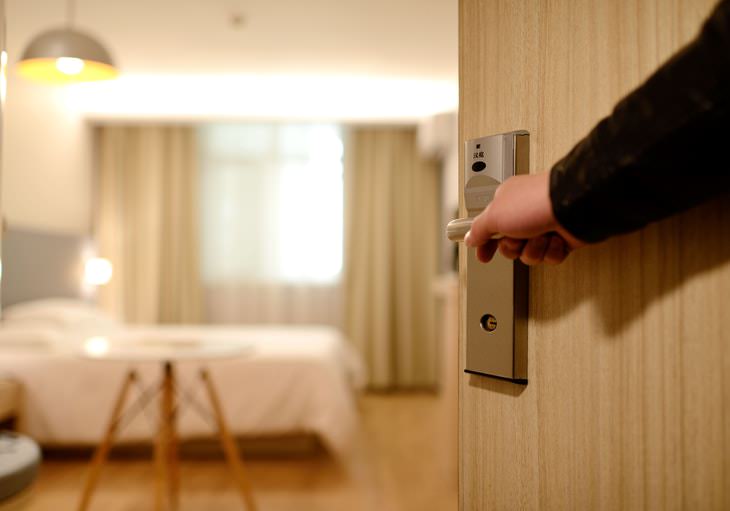
Don't want to use the air conditioner at night? In that case, opening the bedroom door may actually prove beneficial, as simple as that. An open door will increase the ventilation in the room and promote the circulation of fresh, cool air from other rooms into your bedroom. Be wary of drafts, however, and always use door stoppers to prevent the door from slamming shut in the middle of the night.

8. Change the lightbulbs

If you're still using old-fashioned incandescent lightbulbs in your home, it's definitely time for a change. These lightbulbs are significantly less efficient than LEDs and CFL bulbs and gobble up to 80% more energy. They also let out about 90% of the energy they use as heat, which means that they will increase the temperature in your bedroom, unlike fluorescent and LED lightbulbs.
This is only for your information, kindly take the advice of your doctor for medicines, exercises and so on.     

https://gscrochetdesigns.blogspot.com. one can see my crochet creations  
https://gseasyrecipes.blogspot.com. feel free to view for easy, simple and healthy recipes    
https://kneereplacement-stickclub.blogspot.com. for info on knee replacement

Labels: , , , , , , , ,

Saturday, March 07, 2020

Extreme endurance exercise can increase risk of cardiovascular events

For most people, the benefits of aerobic exercise far outweigh the risks, however, extreme endurance exercise - such as participation in marathons and triathlons for people who aren't accustomed to high-intensity exercise - can raise the risk of sudden cardiac arrest, atrial fibrillation (a heart rhythm disorder) or heart attacks, according to a new Scientific Statement "Exercise-Related Acute Cardiovascular Events and Potential Deleterious Adaptations Following Long-Term Exercise Training: Placing the Risks Into Perspective-An Update from the American Heart Association," published today in the Association's premier journal Circulation.

Aerobic exercises are activities in which the large muscles move in a rhythmic manner for a sustained time. They can be done at low intensity or high intensity and include walking, brisk walking, running, bicycling, swimming and many others.

Exercise is medicine, and there is no question that moderate to vigorous physical activity is beneficial to overall cardiovascular health. However, like medicine, it is possible to underdose and overdose on exercise - more is not always better and can lead to cardiac events, particularly when performed by inactive, unfit, individuals with known or undiagnosed heart disease.

More people are running marathons, participating in triathlons and doing high-intensity interval training. The purpose of this statement is to put the benefits and risks of these vigorous exercise programs in perspective."Barry A. Franklin, Ph.D., chair of the writing committee for the new Scientific Statement, director of preventive cardiology and cardiac rehabilitation at Beaumont Health in Royal Oak, Michigan, professor of internal medicine at Oakland University William Beaumont School of Medicine in Rochester, Michigan
After reviewing more than 300 scientific studies, the writing committee found that, for the vast majority of people, the benefits of exercise and improving physical fitness outweigh the risks. Physically active people, such as regular walkers, have up to a 50% lower risk of heart attack and sudden cardiac death. However, the committee also identified potential risks with intense exercise training.

The writing group also reviewed a small study that concluded the risk of sudden cardiac death or heart attack is low among people participating in high-intensity exercise such as marathons and triathlons. However, over time, the risk of heart attack or sudden cardiac death among male marathon participants has risen, suggesting that these events are attracting higher risk participants (those who may have an underlying or undiagnosed cardiovascular condition such as heart rhythm abnormalities or a prior heart attack). For women, who comprised only 15% of the study population, the occurrence of sudden cardiac death was 3.5-fold less than in men.

Among participants in triathlons almost 40% of cardiac events occurred in first-time participants, indicating that inadequate training or underlying heart problems may be involved. The writing group also found that:
  • Half of cardiac events occur in the last mile of a marathon or half-marathon, so maintaining a steady pace rather than sprinting is advised;
  • The risk of cardiac events is greater at high altitudes, but can be decreased by spending at least one day acclimating to the elevation prior to strenuous activity;; and
  • Risk of atrial fibrillation (AFib), a common heart arrhythmia that raises the risk of stroke, is beneficially reduced with moderate exercise volumes but is highest in people who are sedentary and almost as high in people who are engaged in very high volumes of exercise training, that is, high-intensity training (such as running 60-80 miles a week).
For people who want to become more active, the Association suggests that most people can start a light program of exercise and build up slowly to a moderate to vigorous exercise regimen without seeing a physician first, unless they have physical symptoms such as chest pain, chest pressure or severe shortness of breath while exercising. "It is important to start exercising - but go slow, even if you were an athlete in high school," said Franklin.

In addition, people with known heart disease (such as a previous heart attack, bypass surgery or angioplasty) should get their doctor's approval prior to starting an exercise program.

For currently inactive/sedentary people, the Association also suggests checking with your doctor before engaging in any strenuous activities such as shoveling snow or racquet sports, which create rapid increases in heart rate and blood pressure and greatly increase the strain on the heart.
To implement a healthy physical activity program:
  • Warm up before exercise by doing the planned activity - such as walking - at a slower pace to let your heart rate rise gradually;
  • Walk on a level surface for 6-8 weeks, progressing to walking up hills, jogging or taking part in more vigorous activities as long as no symptoms occur such as shortness of breath, lightheadedness, chest pain or chest pressure;
  • Increase the amount of time spent on exercise incrementally from five to ten minutes at the beginning and build up slowly to the desired time;
  • Lower the intensity of your exercise when environmental conditions place a greater strain on the heart, such as high humidity or high altitude to which you are not accustomed;
  • Cool down after exercise by walking at a slow pace to let your heart rate return to normal; and
  • Stop and seek medical evaluation if you experience any heart-related symptoms such as lightheadedness, shortness of breath, or chest pain or pressure.

This is only for your information, kindly take the advice of your doctor for medicines, exercises and so on.     

https://gscrochetdesigns.blogspot.com. one can see my crochet creations  
https://gseasyrecipes.blogspot.com. feel free to view for easy, simple and healthy recipes    
https://kneereplacement-stickclub.blogspot.com. for info on knee replacement
 

Labels: , , , , , , ,

Wednesday, April 06, 2016

Cool your nerves with water

THIS IS ONLY FOR INFORMATION, ALWAYS CONSULT YOUR PHYSICIAN BEFORE HAVING ANY PARTICULAR FOOD/ MEDICATION/EXERCISE/OTHER REMEDIES.


FOR INFO ABOUT KNEE REPLACEMENT, YOU CAN VIEW MY BLOG
HTTP://KNEE REPLACEMENT-STICK CLUB.BLOGSPOT.COM/

FOR CROCHET DESIGNS- http://My Crochet Creations.blogspot.com/


 If you’re feeling a bit anxious, splash cold water on your face. This is a terrific way to calm yourself down. If you hold your breath at the same time, it can be even more effective. This triggers an old mammalian reflex: Your body thinks you’re diving into cold water. Your body will then want to economize on oxygen as it senses there will be a shortage. This encourages you to take deeper breaths and relaxes the nervous system.

Labels: , , , , , , , ,

Thursday, October 08, 2015

30 min of daily exercise can help control asthma

THIS IS ONLY FOR INFORMATION, ALWAYS CONSULT YOU PHYSICIAN BEFORE HAVING ANY PARTICULAR FOOD/ MEDICATION/EXERCISE/OTHER REMEDIES.


PS- THOSE INTERESTED IN RECIPES ARE FREE TO VIEW MY BLOG-
HTTP:GSEASYRECIPES.BLOGSPOT.COM


FOR INFO ABOUT KNEE REPLACEMENT, YOU CAN VIEW MY BLOG
HTTP://KNEE REPLACEMENT-STICK CLUB.BLOGSPOT.COM/

FOR CROCHET DESIGNS- http://My Crochet Creations.blogspot.com/
 
 Asthmatic? You may want to start working out regularly as a new study has revealed that just 30 minutes of exercise a day can relieve asthma symptoms.

In the study, experts analysed the exercise habits of 643 participants, who had been diagnosed with asthma. Results were overwhelmingly clear — those who engaged in optimal levels of physical activity on a regular basis were nearly two-and-a-half times more likely to have good control of their symptoms, compared with those who did no exercise. The workout doesn't have to be strenuous.

Lead author Simon Bacon said that just 30 minutes a day of walking, riding a bike, doing yoga or anything active, really can result in significant reduction of asthma symptoms. Traditionally, people with the condition have been discouraged from exercising because of a belief that it triggers shortness of breath and attacks. Bacon explains that simple precautionary measures can be taken to avoid the discomforts that can be caused by physical activity.

"The issue of exercise-induced bronchospasm is real but if you use your reliever medication, blue puffer, before you exercise, and then take the time to cool down afterwards, you should be okay. Even if you have asthma, there's no good reason not to get out there and exercise," he said. Bacon concluded that it would be great to see physicians recommending physical activity to patients with asthma, alongside traditional pharmacological treatments.

Labels: , , , , , , ,

Sunday, May 25, 2014

10 tips for preventing back pain

Preventing back pain may be the simplest way to deal with it. you can find tips for helping to prevent back pain.

1. Lift Safely
Safe lifting involves using your legs to spare your back. Bend your knees, tighten your abdominal muscles, and keep the object being lifted close to your body. For more tips, see Safe Lifting Techniques, which provides an illustrated step-by-step guide.
It is also a good idea to be aware of unsafe lifting techniques, so that you can avoid them. Unsafe lifting techniques usually involve positions that will cause you strain when you add a load to them.

2. Minimize and Avoid Twisting Motions
The use of twisting motions should be carefully monitored, and scaled back or eliminated as appropriate. When lifting heavy objects, twisting should be avoided. When doing heavy work, such as housework, try to keep twisting to a minimum. In other activites, pay close attention to how you are moving your spine, as well as any warning signs such as pain or tightness, that may indicate trouble. Scale back on the twisting according to the warning signs your body gives you.

3. Drink Plenty of Water
Our bodies are comprised of approximately 70% water. Enough water keeps us fluid, rather than stiff. Drinking plenty of water enhances the height of intervertebral disks, keeping them the healthy shock absorbers they are. Water is necessary for nearly every bodily process so is good to have in generous supply, at least 6-8 8-ounce glasses per day. It is almost impossible to drink too much water. For the facts on dehydration, read Dehydration: What a Pain!

4. Live an Active Life and Strengthen Your Abs
Exercise and activity keep the muscles of the spine strong. The most important muscles to strengthen to avoid back pain are the abdominals. Include stretching in your fitness program to avoid stiffness, which causes pain. Another reason to stay flexible is that stiff muscles are a precursor to injury.

5. Maintain a Healthy Weight
Maintaining a healthy weight is generally an excellent way to prevent all kinds of diseases and discomforts. For the spine, it avoids compression and loading of the intervertebral disks, prevents postural abnormalities, such as anterior pelvic tilt, and interrupts a sedentary lifestyle, with its accompanying stiff and/or weak muscles.

6. Find the Best Sleeping Positions
Finding a sleeping position that works for you can help you avoid placing unnecessary strains on your back or neck. Doctors tend to vary when recommending ideal sleep positions, so being guided by your comfort levels and using your own judgement are good accompaniment to his or her advice. About's Sleep Disorders editor, Florence Cardinal, has some great tips for sleep positioning.

7. Warm Up
For those who exercise, and that should be everyone, warm ups are a must. Warm up means 5-10 minutes of light aerobic activity just prior to the exercise session. The purpose of a warm up is to acclimate the muscles to a more intense activity level gradually enough to prevent injury, and therefore, pain. Recommendations by experts vary as to whether the warm up period should include stretching.

8. Cool Down
The cool down period after an excercise period must include stretching. During cool down, your muscles are still warm from exercising, and are very receptive to stretching. Stretching will be less painful during cool down, as well. Stretching relieves muscle tightness, which is one cause of back pain. Stretching also helps to balance the action of muscles, enhancing ideal alignment, and relieving joint strain.

9. Purposely Interupt Long Periods of Sitting
If you sit for long periods of time, force yourself to get up from your chair as much as your work environment will permit. Sitting loads the spine and compresses the disks, leading to disk problems. Slaving over a computer for long periods of time can also cause posture problems, such as kyphosis, and neck problems.

10. Try a Holistic Approach
Holistic bodywork techniques and systems such as massage therapy, yoga, Pilates, Feldenkrais, Chiropractic, or acupuncture are a great way to keep the structures of your spine tuned up for a lifetime.


THIS IS ONLY FOR INFORMATION, ALWAYS CONSULT YOU PHYSICIAN BEFORE HAVING ANY PARTICULAR FOOD/ MEDICATION/EXERCISE/OTHER REMEDIES.


PS- THOSE INTERESTED IN RECIPES ARE FREE TO VIEW MY BLOG-
HTTP:GSEASYRECIPES.BLOGSPOT.COM/
FOR INFO ABOUT KNEE REPLACEMENT, YOU CAN VIEW MY BLOG-
HTTP://KNEE REPLACEMENT-STICK CLUB.BLOGSPOT.COM/

FOR CROCHET DESIGNS


HTTP://MY CROCHET CREATIONS.BLOGSPOT.COM

Labels: , , , , , , , , , , , , , , , , , ,