Wednesday, September 11, 2019

6 Extremely Poisonous Plants People Confuse for Food

Most of us know to exercise caution around mushrooms. We’ve all been taught about the dangers of fungi and are taught to stay away from toadstools unless we’re a 100% sure we recognize the specific species and know for a fact it’s safe for consumption. The same goes for mold, which we will only ever accept on our food if that food is blue cheese.
And yet, when it comes to true plants, many people drop their guard down for inexplicable reasons. Maybe they are under the misguided impression that because plants are “natural” that necessarily means they’re good for us. While far from the most common cause of poisoning (that dubious honor belongs to carbon monoxide and household items such as pesticide), hospitalization due to ingestion of poisonous plants is entirely preventable. 
The first rule of thumb is to NEVER INGEST ANY PLANT YOU UNLESS YOU’RE ABSOLUTELY CERTAIN IT’S SAFE. But knowing about particular plants which pose more threat can also help mitigate the odds of poisoning from occurring.
 
1. Nerium Oleander

Poisonous plants: nerium oleander
This decorative shrub is native to the subtropical regions of Africa, Europe, and Asia, but has been introduced to America, where it thrives, particularly along coastal areas. They are prized for their beautiful flowers, which commonly range from rosy-white to red, though yellow oleanders can also be found. Oleanders are easy to recognize by their leaves, which are tough, long and sharp.
It is also among the most poisonous plants that can grow in your garden. All parts of the plant are incredibly toxic, with the poison directly targeting the heart, causing cardiac arrest, coma or even death when ingested. Stories abound of people brewing oleander tea and being rushed to the hospital. And humans aren’t the only mammals susceptible to oleander poisoning, a fact that can be deduced by one of the shrub’s nicknames: dogbane. Needless to say, keep your canine friends away from this bush.
2. Belladonna
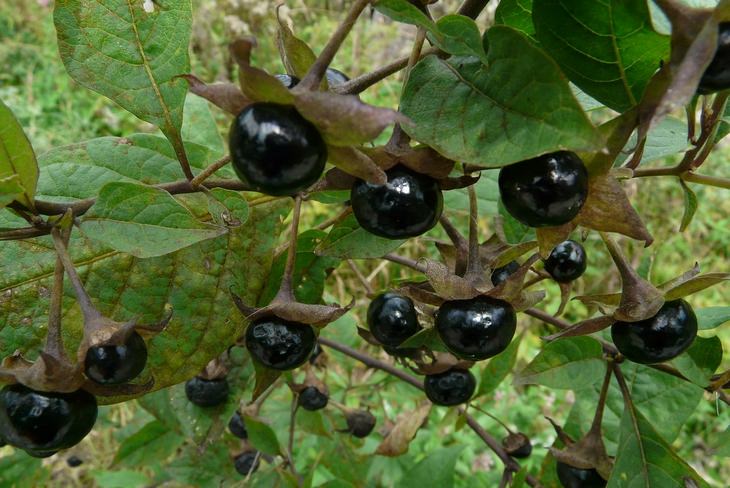
Poisonous plants: belladonna nightshade
This plump and inviting fruit may look like a cherry or blueberry, and is actually sweet if bitten, but it’s one of the most toxic plants known to man, with two to four berries being enough to kill a child. Also known as deadly nightshade, the use of this plant as poison was so ubiquitous in ancient times that when Europeans first saw its American cousin, the tomato, they suspected it of being toxic, a rumor that was exacerbated by the reaction of the tomato’s acids with toxic lead in their pewter dining plates.
Regardless, the dangers of belladonna are very real, and curious children especially should be warned about this plant.
3. Buckeye and Horse Chestnut
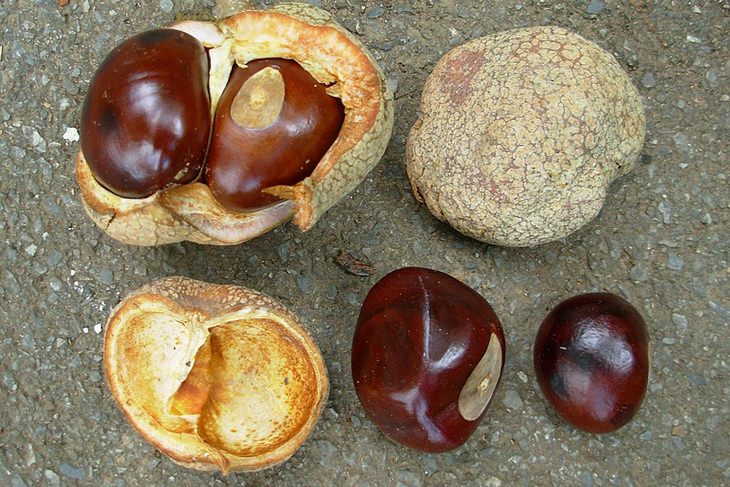
Poisonous plants: buckeye
These nuts may not be lethal, but they are toxic and easily confused with the unrelated and edible chestnut, as they have the same shape, alluring sheen and are housed within an accessory fruit. The fruit of the true chestnut is covered by a multitude of dense, sharp spines that look like that of a hedgehog, while the fruit of the poisonous horse chestnut is only mildly prickly and the buckeye has no spines, at all.
4. Rhododendrons and Azaleas

Poisonous plants: rhododendron azalea
Rhododendrons, of which azaleas are subspecies, are beautiful flowering plants, a great addition to any garden, but their sweet nectar houses dangerous mind-altering toxins. There is an ancient tradition in Asia Minor (modern-day Turkey), dating back more than two thousand years ago of deliberately feeding this poisonous nectar to bees, who go on to produce hallucinogenic honey. According to a legend, Roman legionnaires in the 1st century BC fell to a literal honeypot trap, when their opponents left this “mad honey” for the Romans to find.
5. Horsenettle
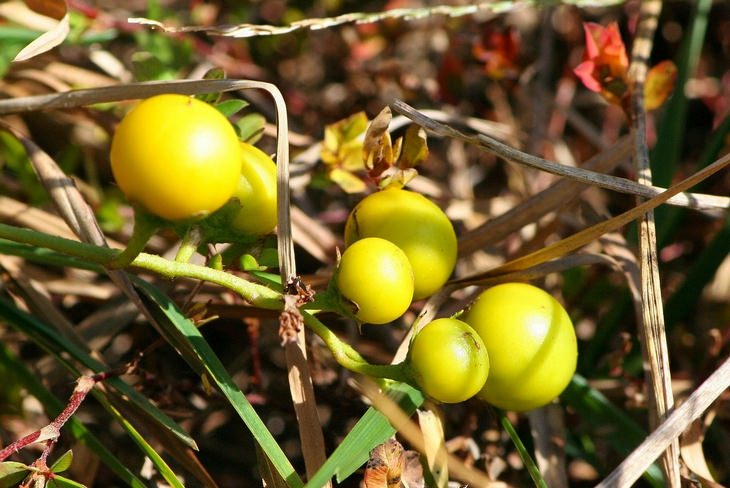
Poisonous plants: horsenettle tomato
Not actually a true nettle despite its name, this American plant is another deadly member of the nightshade family, and is sometimes known as the devil’s tomato or wild tomato. Ingesting the horsenettle’s tomato-like fruit can cause hypoventilation and sometimes death.
6. Pokeweed
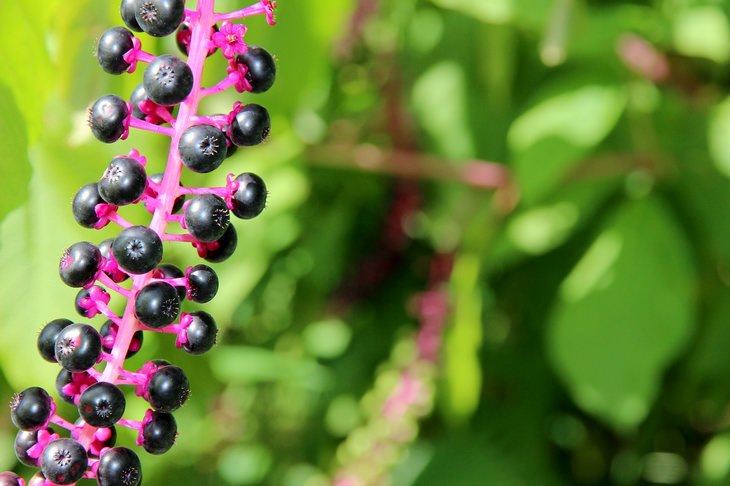
Poisonous plants:
These beautiful berries are commonly eaten by birds, but for humans, they’re potentially-lethal poison. All parts of this plant are poisonous, a fact that is somewhat confused by one of this plant’s alternative names, poke salad (not to be confused with the Hawaiian poke bowl). Why a salad? Because the shoots and leaves (never the berries!) can be prepared in such a way that they are edible, but unless you know how, you should probably not make the effort. Ingestion can cause all sorts of gastrointestinal problems such as vomiting, cramps and bloody stool, as well as convulsions and deadly respiratory failure.
 this is only for your information, kindly take the advice of your doctor for medicines, exercises and so on.   
https://gscrochetdesigns.blogspot.com. one can see my crochet creations 
https://gseasyrecipes.blogspot.com. feel free to view for easy, simple and healthy recipes    
https://kneereplacement-stickclub.blogspot.com. for info on knee replacement


Labels: , , , , , , , , , , ,

Monday, May 13, 2019

Role of Vitamin D in neonatal health

Babies who do not get enough amount of Vitamin D tend to have its deficiency. Here, we help you to understand the role of Vitamin D in neonatal health, the symptoms to watch out for in babies and how to overcome the deficiency.

Babies require Vitamin D for healthy growth and development and it also helps them build strong, healthy bones and teeth. Babies who do not get enough amount of it are said to be deficient in Vitamin D. It is common in our population and therefore in pregnant women. To prevent Vitamin D deficiency in infants, pregnant women who are at risk should be screened and treated for it in the 1st trimester. Screening of the newborn's vitamin D status is not essential as it is the mother's status which should be evaluated.


What is Vitamin D deficiency in newborns?

 
According to WHO, Vitamin D plays a pivotal role in bone metabolism through the regulation of calcium and phosphate homeostasis and in regulating the immune system. Vitamin D is produced by the body during exposure to sunlight but is also found in oily fish, eggs and fortified food products. Infants are born with low Vitamin D in the 1st few months of life. As the Vitamin D content of breast milk is dependent on maternal vitamin D status and is often low and sun exposure may be restricted for infants living at higher latitudes for various reasons. Vitamin D deficiency in infants can lead to bone malformation ( rickets), seizures and difficulty breathing. Since, vitamin D is required for building strong, healthy bones and teeth. Parents can make sure your baby has enough vitamin D by giving a daily supplement ( a dose of drops every day) after consulting the expert. This should be done as soon as the baby is born. Tons of research suggests that a routine, vitamin D  supplementation programme should be seriously considered starting from the neonatal period extending  right through the childhood into adolescence. Oral Vitamin D3 supplementation as an oil emulsion has been shown to be associated with significant and sustained increases in 25 (OH)D from baseline in fully breastfeeding infants through 7 months. Whereas, few studies also revealed that newborns with vitamin D deficiency had 44% increased risk of being diagnosed with schizophrenia as young adults, compared with newborns with normal levels of Vitamin D.


Incidences of Vitamin D deficiency in newborns in India


Vitamin D deficiency has emerged as a significant public health problem throughout the world. Even in the Indian context, it has been reported to be present in many children in spite of the wide availability of sunlight. The manifestations of deficiency may vary from hypocalcemic seizures, tetany in infancy and adolescence to florid rickets in toddlers. Also, various studies suggest that women who lack Vitamin D will give birth to such children. Ideally, both the mother and children should go out in the sun by wearing half-sleeve cotton clothes, which tend to allow absorption of the required vitamin. In the case of neonatal babies are also hardly out in the sin. Hence, it is essential to address it at the right time.


Symptoms of vitamin D deficiency in infants
Craniotabes ( softening of skull bones)
Other osseous signs ( such as rickets) are not seen in the newborn but classical signs in the older infant include a broadening of the metaphyses, bowing of the long bones once weight bearing
Hypocalcaemic seizures


How to know if your baby is at risk of Vitamin D deficiency?
If they're breastfed

If mothers don't have enough Vitamin D
Babies born prematurely


Know how low Vitamin D can be harmful to babies
Some children with low vitamin D get bone and muscle pain. As mentioned earlier, very low vitamin D can lead to soft bones and raise the risk of rickets in children. Rickets only occurs when children are growing - if a child has softer bones from low Vitamin D, the bones can bend and cause bow legs or knock knees, and other changes too. Low Vitamin D can cause low calcium, which can invite muscle cramps in children. Not only this, but low calcium levels may also cause seizures ( convulsions or fits), mainly in young babies.


Diagnosis of Vitamin D deficiency
Serum 25-OHD concentration os the most excellent indicator of vitamin D status.
The normal adult concentration is > 50 nmol/L, although several sources use > 75 nmol/L for pregnant women.


How should the vitamin D deficiency be tackled in newborns
According to the WHO, vitamin D supplements may be effective in preventing rickets, particularly for infants and children, who may be at higher risk due to limited sun exposure or those with darker skin pigmentation.  Also, it recommends that newborn babies must be supplied with Vitamin D through sunlight or supplements in the 1st few months of life. An infant between the ages of 1-2 years requires 400 IU per day, while older children need 600 IU. Regular sunlight exposure can help keep vitamin D deficiency at bay. But, you should speak to your expert before exposing children to the sun.


Breast milk is the best food that you can offer to  your frowing baby. Ecen if you make your baby eat other foods, you can continue to breastfeed until 2 years. As discussed earlier, breast milk has only small amounts of vitamin D ( 4-40 IU per litre), which may not be sufficient for your newborn. That's why babies who are breastfed should receive a daily supplement of vitamin D from birth until they get enough from their diet. This should also be strictly done under the guidance of the expert.


Treatment of vitamin D deficiency involve giving ergocalcified or cholecalciferol for 3 months.
High dose bolus therapy ( 300,000- 500, 000 IU) should be given to children over 12 months of age. If compliance or absorption issues are suspected.

THIS IS ONLY FOR INFORMATION, ALWAYS CONSULT YOU PHYSICIAN BEFORE HAVING ANY PARTICULAR FOOD/ MEDICATION/EXERCISE/OTHER REMEDIES.                                    PS- THOSE INTERESTED IN RECIPES ARE FREE TO  VIEW MY BLOG-                                                                                           https://gseasyrecipes.blogspot.com/    
                                                                                                                                                     FOR INFO ABOUT KNEE REPLACEMENT, YOU CAN VIEW MY BLOG-                                                  https:// kneereplacement-stickclub.blogspot.com/  
         
                   FOR CROCHET DESIGNS                                                                                                                                                                                                  https://gscrochetdesigns.blogspot.com

Labels: , , , , , , , , , , ,

Saturday, October 08, 2016

THE EFFECT OF DRINKING TOO MUCH WATER ON THE BODY

Challenging the popular notion that we should drink eight glasses of water a day for good health, researchers have found that drinking too much water can put people in danger of water intoxication.

Researchers from Monash University in Victoria, Australia have found a mechanism that regulates fluid intake in the human body and stops us from over-drinking. 

The findings showed that excess of water in the body can cause water intoxication or hyponatremia — a condition that occurs when vital levels of sodium in the blood become abnormally low.

The condition can potentially give rise to symptoms ranging from lethargy and nausea to convulsions and coma.

The study revealed that a ‘swallowing inhibition’ is activated by the brain after excess liquid is consumed, helping maintain tightly calibrated volumes of water in the body.

“If we just do what our body demands us to we’ll probably get it right — just drink according to thirst rather than an elaborate schedule,” said Michael Farrell, Associate Professor at Monash University.

For the study, the team asked participants to rate the amount of effort required to swallow water under two conditions: following exercise when they were thirsty and later after they were persuaded to drink an excess amount of water.

The results showed a three-fold increase in effort after over-drinking.

Further, the team used functional magnetic resonance imaging (fMRI) and found that the right prefrontal areas of the brain were much more active when participants were trying to swallow with much effort.

“We found effort-full swallowing after drinking excess water which meant they were having to overcome some sort of resistance, as the swallowing reflex becomes inhibited once enough water has been drunk,” Farrell said.

The study was published online in the Proceedings of the National Academy of Sciences. 
 
this is only for your information, kindly take the advice of your doctor for medicines, exercises and so on.
https://gscrochetdesigns.blogspot.com. one can see my crochet creations
https://gseasyrecipes.blogspot.com. feel free to view for easy, simple and healthy recipes

https://kneereplacement-stickclub.blogspot.com. for info on knee replacement

Labels: , , , , , , , ,

Sunday, July 24, 2016

New compound may prevent development of epilepsy

Researchers have developed novel neuroprotective compounds that may prevent the development of epilepsy. 

In a study conducted in an experimental model of epilepsy in mice, the compounds prevented seizures and their damaging effects on dendritic spines, specialised structures that allow brain cells to communicate, researchers said. 

In epilepsy, these structures are damaged and rewire incorrectly, creating brain circuits that are hyper-connected and prone to seizures, they said. 

"In the current study, preservation of dendritic spines and subsequent protection from seizures, were observed up to 100 days post-treatment, suggesting the process of epilepsy development has been arrested," said Nicolas Bazan from Louisiana State University (LSU) in the US. 

Bazan and Julio Alvarez-Builla Gomez from University of Alcala in Spain discovered and named the LAU compounds. 

A number of LAU compounds were studied, which blocked a neuroinflammatory signalling receptor, protecting dendritic spines and lessening seizure susceptibility and onset, as well as hyper-excitability, researchers including Surijyadipta Bhattacharjee and Chittalsinh M Raulji from LSU said. 

In epilepsy, the normal pattern of neuronal activity becomes disturbed, causing strange sensations, emotions, and behaviour or sometimes convulsions, muscle spasms, and loss of consciousness, researchers said. 

It is not uncommon for people with epilepsy, especially children, to develop behavioural and emotional problems in conjunction with seizures. 

Issues may also arise as a result of the stigma attached to having epilepsy, which can lead to embarrassment and frustration or bullying, teasing, or avoidance in school and other social settings, they said. 

For many people with epilepsy, the risk of seizures restricts their independence and recreational activities. Epilepsy can be a life-threatening condition. 

Some people with epilepsy are at special risk for abnormally prolonged seizures or sudden unexplained death in epilepsy. There is currently no cure, researchers said. 

"Most of the anti-epileptic drugs currently available treat the symptom - seizures - not the disease itself," said Bazan. 

"Understanding the potential therapeutic usefulness of compounds that may interrupt the development process may pave the way for disease-modifying treatments for patients at risk for epilepsy," he said. 

The findings were published in the journal Scientific Reports.

 this is only for your information, kindly take the advice of your doctor for medicines, exercises and so on.
https://gscrochetdesigns.blogspot.com. one can see my crochet creations
https://gseasyrecipes.blogspot.com. feel free to view for easy, simple and healthy recipes

https://kneereplacement-stickclub.blogspot.com. for info on knee replacement


Labels: , , , , , ,

Thursday, July 11, 2013

Diabetes management during fasting is a must


People with diabetes have high risk of developing fasting-related complications during Ramzan. Although doctors advise against fasting and feasting for diabetics, some people insist on doing it. The best way to do this is by getting medically assessed before the the fasting month.
The American Diabetes Association recommendations for management of diabetes during Ramzan state that it is important to seek medical advice and undergo a pre-Ramzan assessment. Doctors advise that type 1 diabetics (insulin-dependent) should not fast.
City-based endocrinologists say changes in eating patterns experienced during Ramazan can put people with type 2 diabetes (those who have insulin resistance) at the risk of complications such as low blood sugar (hypoglycaemia), high blood sugar (hyperglycaemia), diabetic ketoacidosis,thrombosis  and dehydration. Endocrinologist  says the risk of hypoglycaemia in type 2 diabetics who fast is because of decreased food intake apart from certain medications. Symptoms of hypoglycaemia include sweating, dizziness, hunger and irritability.
“If left untreated, hypoglycaemia could lead to serious medical problems including loss of consciousness, convulsions or seizures,” she adds.
Diabetologist  says type 2 diabetics should monitor their blood sugar frequently during Ramzan. “Tailored management of diabetes including treatment changes could help minimise the risks associated with fasting,” Dr.  says.
 Nutritionist and Diabetes Educator , says diabetics on fast could get dehydration or excessive loss of body fluid because of limited fluid intake.
“It is important to know what to eat if you are a diabetic and are fasting. It is advisable to eat chapatti, ragi balls and cereal-based combinations during sehri. Apart from taking care to have a balanced meal and not straying away from the diabetic diet, the iftar should be split into two snacks and a meal. While breaking the fast, dates should be replaced by fruits. Non-vegetarian food and oily/fried food should be avoided,” she adds.


ps- this is only for information, always consult you physician before having any particular food/ medication/exercise/other remedies.

ps- those interested in recipes are free to view my blog-

http://gseasyrecipes.blogspot.com/

for info about knee replacement, you can view my blog-

http://Knee replacement-stick club.blogspot.com/

for crochet designs

http://My Crochet Creations.blogspot.com/

I've not given details about designs, but those interested are free to mail me for the same.


Labels: , , , , , , , , , , , , , ,

Wednesday, July 03, 2013

8 Surprisingly Poisonous Foods We Eat

1. Lima beans 
Like many legumes, the seemingly innocent lima bean should not be eaten raw - doing so can be lethal. (And who wants to die in such an ignoble way as death by lima bean?) Also known as butter beans, the legumes can contain a high level of cyanide, which is part of the plant's defence mechanism. Here in the U.S. there are restrictions about cyanide levels in commercially grown lima bean varieties, but not so in less developed countries, and many people can get sick from eating them. Even so, lima beans should be cooked thoroughly, and uncovered to allow the poison to escape as gas. Also, drain the cooking water to be on the safe side. 

2. Pufferfish 
Whoever ate the first pufferfish must have been adventurous. (And most likely died shortly thereafter.) Almost all pufferfish contain tetrodotoxin, a deadly toxin that is up to 1,200 times more poisonous than cyanide. The poison in one pufferfish is enough to wipe out 30 humans, and there's no known antidote. 

Yet, many people eat it. Called fugu in Japan, the meat of the pufferfish is a highly prized dish that is prepared by specially trained, licensed chefs. Even so, according to government figures, there were 23 deaths among 338 fugu poisoning cases recorded in Japan from 2000 to 2009. 

3. Castor beans 
Many a granny came armed with a spoonful of castor oil to heal all ills, and studies show that it does indeed have health benefits to offer. Just be sure not to eat the beans from which the oil came. If castor beans are chewed and swallowed, they can release ricin, one of the most toxic poisons known to man. Eating just one or two castor beans can easily cause the demise of the eater. Ricin has been investigated as a warfare agent, and has even been employed by secret agents and assassins. 

4. Almonds 
Any reader of old-school mystery novels knows what the smell of bitter almonds signifies: death by cyanide, my dear Watson. And that's because some plants, including apples and bitter almonds, have cyanide in them to discourage herbivores from devouring them. 

But don't fret; bitter almonds aren't the same as sweet almonds. Since about 20 bitter almonds are enough to kill an adult, they aren't sold here. That said, almond extract is made with the oil of bitter almonds, but rest assured, it can't be used as a murder weapon.

5. Cassava 
Also known as manioc or tapioca, bitter cassava is native to South America and is the third most important source of calories in the tropics; and like bitter almonds, cassava also harbours cyanide. When properly soaked and dried, bitter cassava is okay; but when any of the process is skimped on, problems arise. 

Due to correct food processing and strict regulations, cyanide-laced cassava poses little threat to Americans who eat the root. But, in Africa, where cassava has become a major part of subsistence diets, many poor people suffer from a chronic and crippling form of cyanide poisoning known as konzo. 

6. Rhubarb 
Rhubarb stalks may lend a super tart tang to strawberry pie; but their leaves offer something altogether different. Rhubarb leaves contain oxalic acid, a chemical compound found in bleach, metal cleaners and anti-rust products. The leaves also contain anthraquinone glycosides. Eating the leaves can lead to a burning sensation in the mouth and throat, nausea and vomiting, gastric pain, shock, convulsions and even death. 

Although rhubarb sold at the store generally has most of the leaves removed, be careful if you grow it at home; although using every part of a vegetable is generally great ... in this case, the shock, convulsions and death aren't quite worth it. 

7. Tomatoes and potatoes 
The leaves and stems of both tomatoes and potatoes, members of the nightshade family, contain a toxic alkaloid called solanine. In potatoes, it is particularly concentrated when the spud starts to sprout and when the eyes and flesh turn green. Potatoes have higher concentrations than tomatoes.

But even so, a 100-pound person would need to eat 16 ounces of a fully green potato before solanine poisoning would occur. If you happen to have a taste for green potatoes, keep an eye out for excessive salivation, diarrhoea, slowed pulse, reduced blood pressure and respirations, and cardiac arrest. 

8. Mushrooms 
No list of poisonous foods would be complete without mention of mushrooms, and specifically,Amanita phalloides, the deadly (and dastardly delicious) "death cap" mushroom. Responsible for a multitude of mushroom poisonings , along with its cousin, Amanita ocreata, better known as the "destroying angel." 

Our fascination with funghi goes way back and we continue to poison ourselves with various members of the mushroom family. Why? Because they are amazing to eat, while at the same time, it's hard to differentiate between those that are good and those that are deadly. 


ps- this is only for information, always consult you physician before having any particular food/ medication/exercise/other remedies.

ps- those interested in recipes are free to view my blog-

http://gseasyrecipes.blogspot.com/

for info about knee replacement, you can view my blog-

http://Knee replacement-stick club.blogspot.com/

for crochet designs

http://My Crochet Creations.blogspot.com/

I've not given details about designs, but those interested are free to mail me for the same.


Labels: , , , , , , , , , , , , , , , , , ,