Friday, May 07, 2021

15 Common ‘Healthy’ Foods That Can Be Toxic to Humans

When it comes to nutrition, nothing is black and white, and eating too much or too little of something can have health-threatening results. Take vitamins: both a vitamin deficiency and overdose can often lead to health problems. For example, vitamin B3 deficiency causes pellagra, a potentially life-threatening condition manifesting in dermatitis, fatigue, memory loss and digestive issues. Vitamin B3 hypervitaminosis, on the other hand, can cause severe liver damage. 
 
However, it isn't always the quantity of a certain nutrient or food that's to blame for its harmful effects. In fact, sometimes it's the improper use that's responsible. When it comes to some of these foods, most of which are nuts, fruit and vegetables that are largely considered healthy, simply eating them incorrectly can prove to be devastating to your health. 
 
1. Green Potatoes
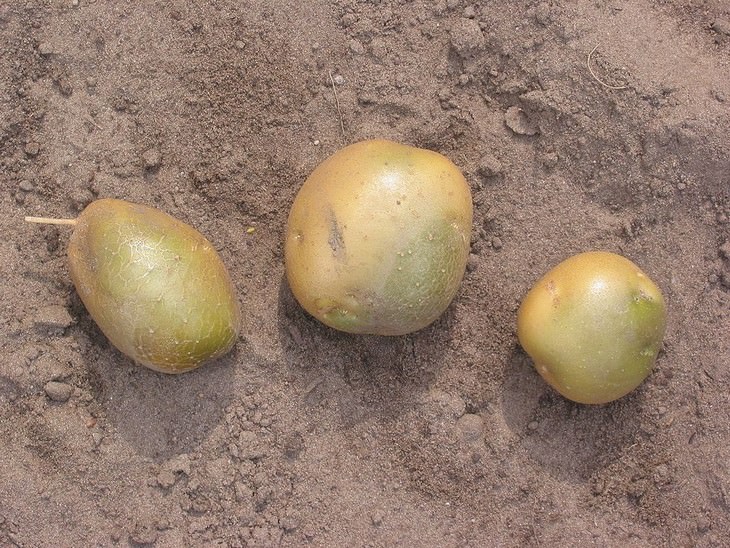
healthy foods that can be toxic Green Potatoes
 The humble, delicious and nutritious potato can turn into your worst enemy. Few people know this, but the actual plant that produces potatoes is full of solanine and chaconine, both of which are poisonous substances the plant uses to protect itself from insects and parasites. 
 
Typically, potato tubers are free of these substances, but in some cases, especially when exposed to prolonged sunlight, potatoes, too, can build up solanine. The telltale signs of potatoes containing the poison are: 
 
when the potato turns green 
 
a bitter taste. ​
 
Eating just a few of these green potatoes can make you develop toxic symptoms, such as vomiting, diarrhea, headaches, hallucinations, inflammation in the joints, cardiac dysrhythmia, thyroid issues, and other symptoms. Just 3-6 mg of solanine per kilogram of body weight can be deadly, so stay away from green or bitter-tasting potatoes. 
 
2. Cherry Pits, Apple Seeds, and Peach Stones
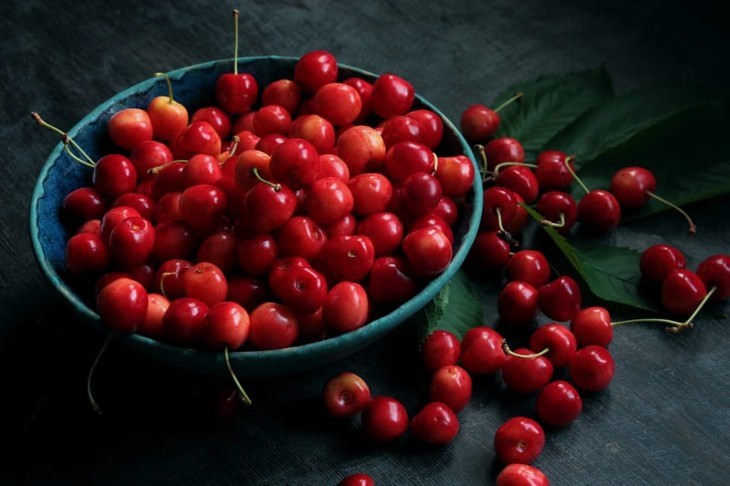
healthy foods that can be toxic cherries
Cherries, apples, peaches, and apricots are definitely among the most popular fruits out there, period. They're all juicy, sweet, and ridiculously easy to eat. But did you know that the seeds of all of these fruits are packed with prussic acid, also known as cyanide? The concentration of the potentially deadly poison varies significantly depending on the fruit, but only one cherry pit has been estimated to contain 0.17 grams of cyanide, which could be enough to kill a person.
 
Luckily, all of these fruits hide their poisonous insides deep within a hard shell, so there's generally no danger of you even ingesting an apple seed or cherry pit because your digestive system won't be able to dissolve the protective coating of the seed, given that you haven't bitten through it, that is. Still, we just wouldn't recommend risking it.

3. Bitter Almonds
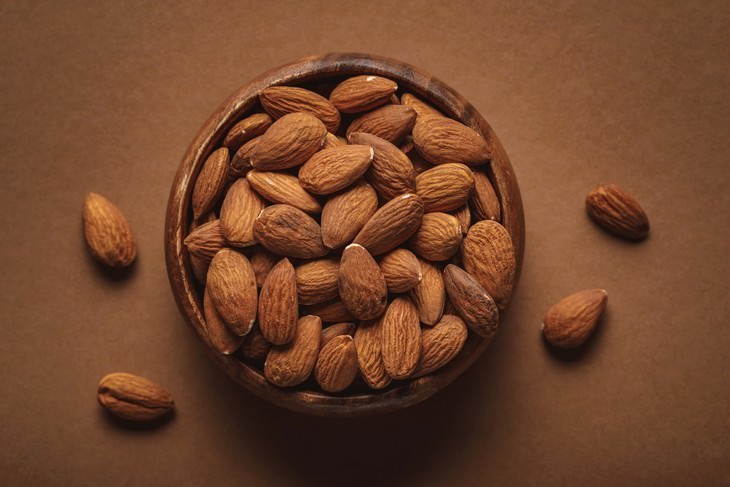
healthy foods that can be toxic almonds in a bowl
Almonds are among the healthiest of nuts, but even they can be not so beneficial to your body, especially if you choose the wrong kind. This is because all almonds contain a precursor to cyanide called amygdalin, which can then be converted into the poison in your body. 
 
Both sweet and bitter almonds contain amygdalin, but it's the bitter variety that has a significantly higher quantity of the poisonous substance and can cause diarrhea, nausea and stomach cramps, especially if they are raw. Heat treatment removes all the toxins from sweet almonds, so they're safe to eat. 
 
4. Forest Mushrooms
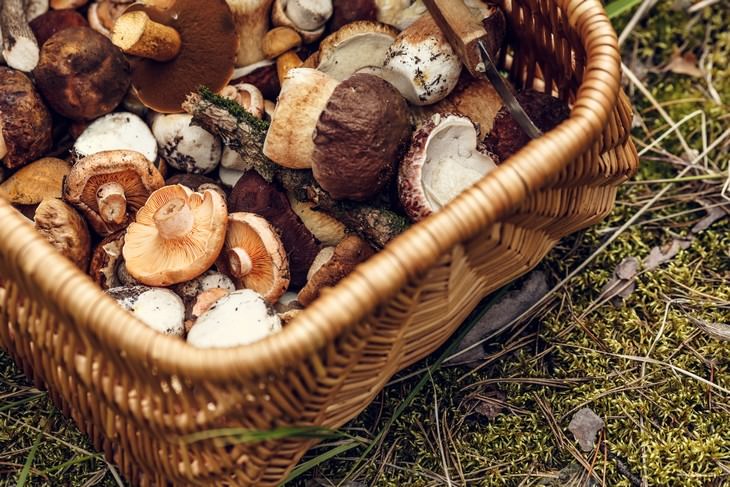
healthy foods that can be toxic Forest Mushrooms in a basket
It doesn't get better than a fresh homemade pizza with mushrooms, but be careful of which ones you use, as certain mushroom varieties can be deadly. As a matter of fact, there is only a handful of edible mushroom species. So, if you happen to go mushroom picking or buy fresh forest mushrooms, know very well which kinds of mushrooms are safe to eat and stay away from the rest.
healthy foods that can be toxic Forest Mushrooms in a basket
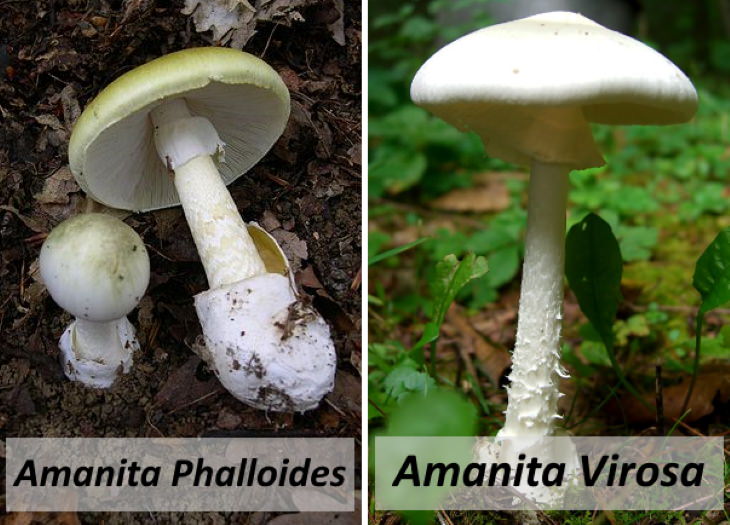
The most dangerous mushroom varieties are the death cap (Amanita phalloides) and the destroying angel (Amanita virosa), pictured above. Eating any of these wild mushrooms will produce symptoms like diarrhea, intense thirst, abdominal pain, vomiting, liver failure, coma, and even death.

5. Shellfish
healthy foods that can be toxic mussels on a plate
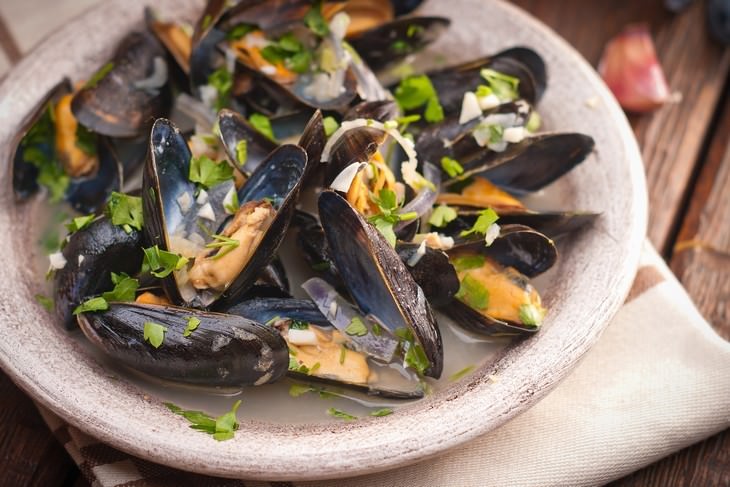
Shellfish are an exceptional source of protein and other beneficial nutrients, but unfortunately, it's not as safe to eat as fish, particularly when consumed raw. Even fresh seafood can absorb potentially harmful bacteria and viruses from the surrounding waters and cause serious digestive distress. 
 
Apart from that, shellfish are notorious for absorbing high quantities of toxic heavy metals from the sea, such as mercury or cadmium, which ultimately build up in the human body and can cause toxic symptoms and even heavy metal poisoning, so it's best not to eat shellfish too often, even when cooked through thoroughly. 
 
6. Raw Kidney Beans
healthy foods that can be toxic Raw dried Kidney Beans

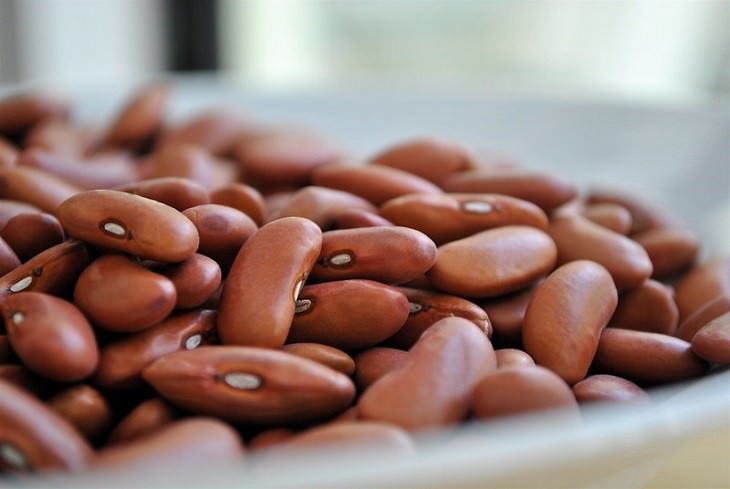
Kidney beans are a great source of plant-based protein and iron, if you eat them right, that is. Non cooked beans can induce bad stomach cramps, vomiting, and diarrhea. That's why you should always cook your beans well before eating them, as the cooking process neutralizes the toxic proteins called lectins raw beans contain. 
 
Raw kidney beans are the most saturated in lectins, but all beans have them. Eating just 4-5 kidney beans is typically enough to produce the above-mentioned symptoms, so make sure to eat your beans cooked.
7. Fresh Elderberries
healthy foods that can be toxic Elderberries
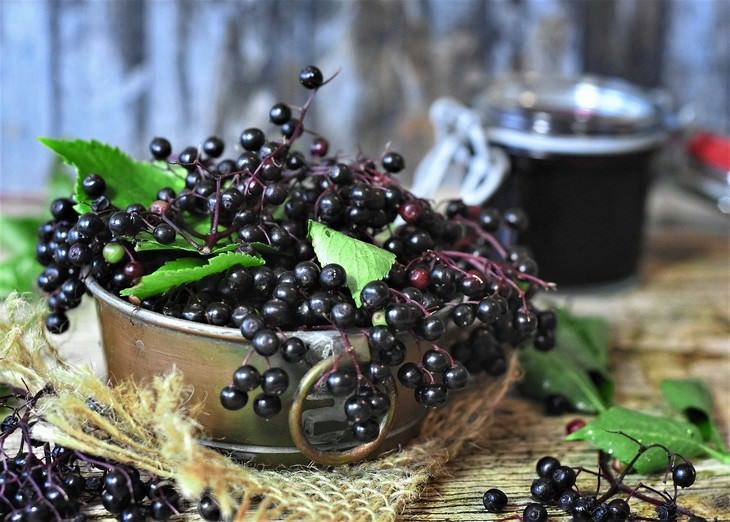
Elderberry syrup or jam is a popular treat. It has known immune-boosting properties and it can be used to treat cold and flu symptoms, as well as relieve constipation. 
 
However, eating just a few elderberries raw can have adverse effects on your health, as the berries contain cyanide and lectin. Even in small doses, these compounds induce digestive symptoms, such as nausea, diarrhea, and vomiting.

8. Raw Cashews
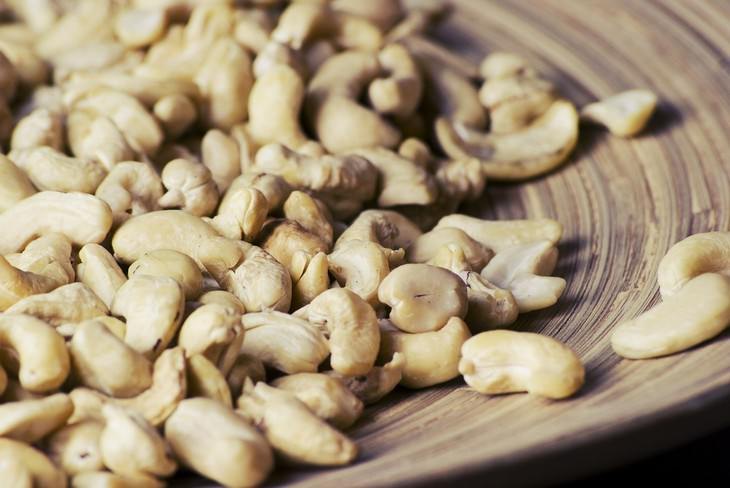
healthy foods that can be toxic raw cashews
The cashews labeled as 'raw' you buy in stores aren’t actually raw at all, but if you happen to have access to real raw cashews, don't eat them. This is because all so-called raw cashews actually undergo a streaming process before they are packaged and shipped to stores, otherwise the nuts are actually toxic. 
 
If not done so, cashews will contain a chemical called urushiol, which is the same allergen that's in poison ivy. Thus, eating truly raw cashews is extremely likely to cause a severe, potentially life-threatening allergic reaction. 
 
9. Nutmeg
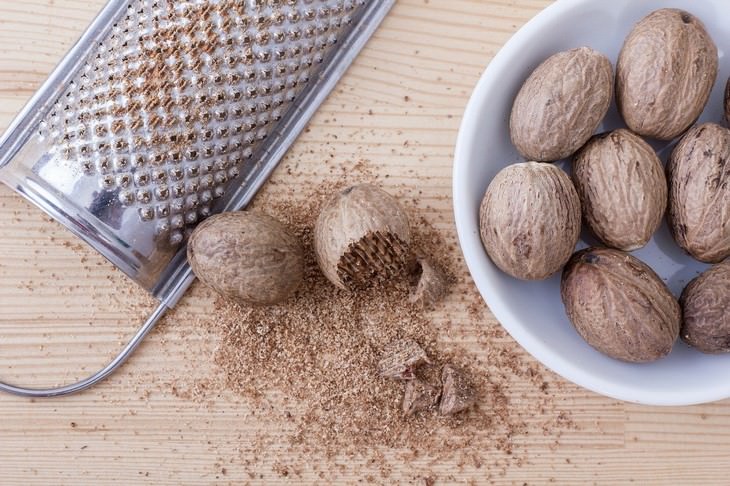
healthy foods that can be toxic nutmeg being grated using a grater
Nutmeg is a popular spice used both in sweet and savory dishes, as it imparts a pleasant nutty flavor to any recipe. Most recipes require no more than a teaspoon of the spice, and for good reason, as higher doses of nutmeg will make you regret using it for good. As a matter of fact, only 2 teaspoons of nutmeg powder can be toxic. 
 
This is because the spice contains myristicin, a compound that messes with your brain and causes adverse symptoms like dizziness, confusion, drowsiness, hallucinations, and even seizures.  
 
10. Alfalfa Sprouts
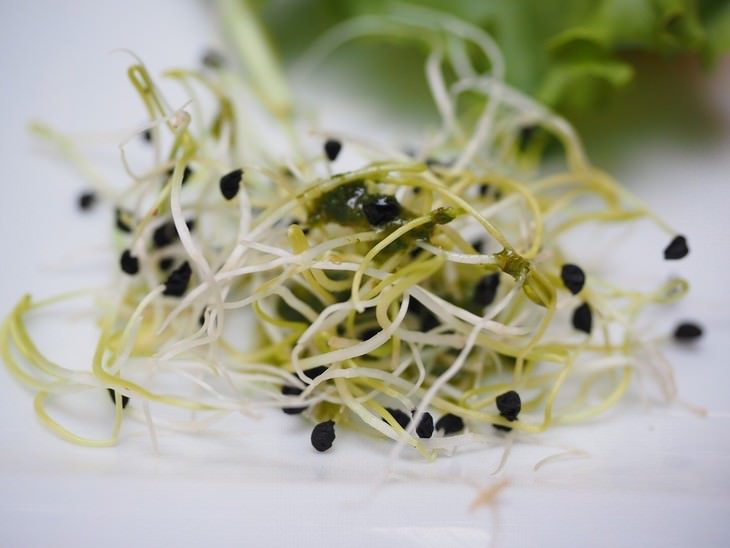
healthy foods that can be toxic  Alfalfa Sprouts
Alfalfa sprouts are typically grown in a warm, wet environment, which just so happens to be the optimal conditions for bacterial growth as well. So, it's no surprise that the sprouts are a common culprit behind foodborne illness outbreaks. 
 
In fact, during the past 20 years, alfalfa sprouts have been responsible for thirty of such outbreaks, which included such dangerous pathogens as salmonella and E. coli. That's why we highly recommend boiling or otherwise exposing the sprouts to high heat before including them into your meal, even if you grow the sprouts at home. 
 
11. Rhubarb Leaves
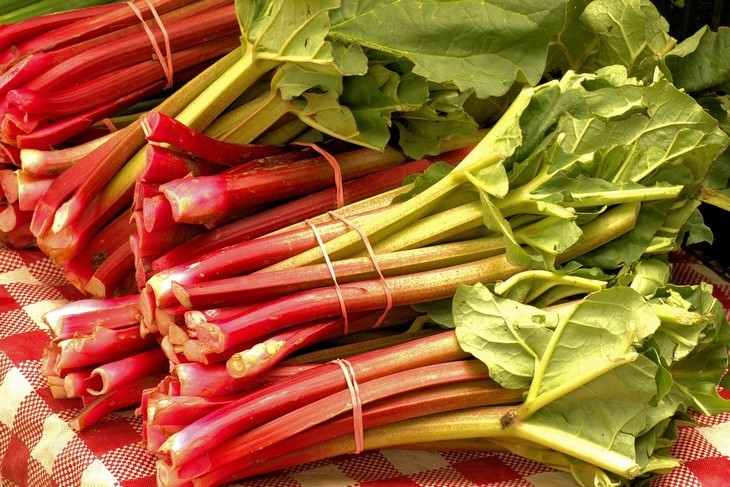
healthy foods that can be toxic Rhubarb
Rhubarb stalks are an excellent ingredient for compotes and desserts, but you have to know very well how to utilize them to stay safe. Before using the rhubarb, clean away all the leaves and throw them out, as the leaves contain a potentially deadly compound called oxalic acid. 
 
Admittedly, one would have to eat a lot of rhubarb leaves, approximately 5 kg (11 lb), to die as a result, but even smaller amounts of the leaves can make you experience unpleasant symptoms, such as vomiting, diarrhea, breathing difficulties and burning in the mouth. 
 
Consuming the leaves also makes you prone to kidney stones and abnormal blood clotting, as the poisonous substance binds to the calcium present in your body and causes a calcium deficiency, which then manifests itself in the above-mentioned symptoms. 
 
12. Mango
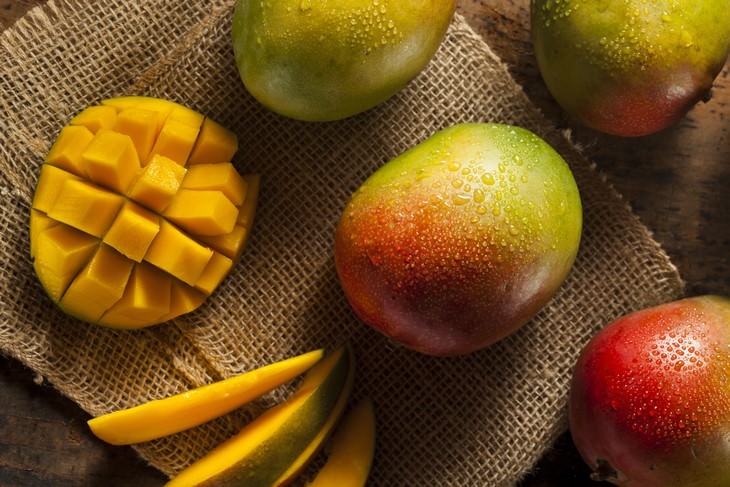
healthy foods that can be toxic mango cut up and whole
Like cashews and poison ivy, the leaves and bark of mango trees, as well as the skin of mango fruit are full of urushiol. That's why people who just happen to bite into a mango or eat a piece of the skin often experience skin rashes and swelling, or even problems breathing. 
 
The severity of your symptoms will depend on how allergic you are to urushiol, but it's best to just stay away from the bitter mango skin altogether and enjoy the sweat and juicy pulp of the fruit instead. 
 
13. Broccoli
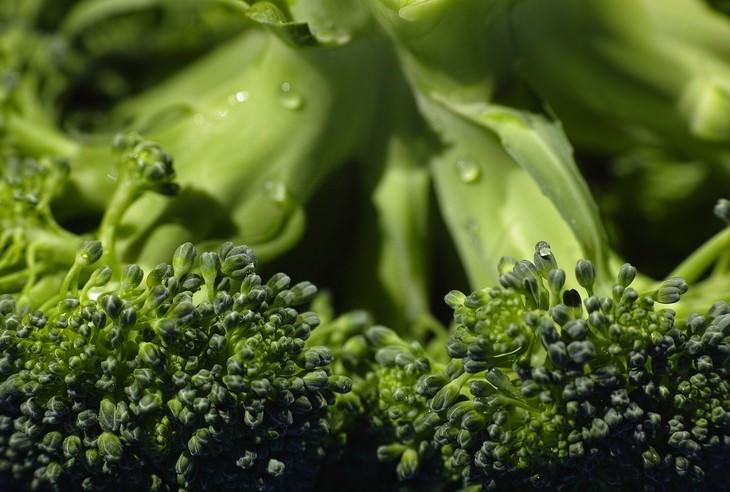
healthy foods that can be toxic broccoli
Didn't expect to see broccoli on this list, did you? Neither did we before we started researching for this article, but it turns out that even this superfood has its drawbacks if you eat it too much and too often. To prevent this from happening, simply switch out broccoli with other veggies from time to time, such as carrots or peppers in your salad or any other dish, especially if you have a history of thyroid issues. 
 
This is because broccoli contains compounds called thiocyanates, which prevent your body from absorbing adequate amounts of iodine. If this happens constantly, it may lead to an underactive thyroid - hypothyroidism, a chronic issue that manifests itself in sudden weight gain, hair thinning, constipation, depression, and other symptoms.

14. Kimchi
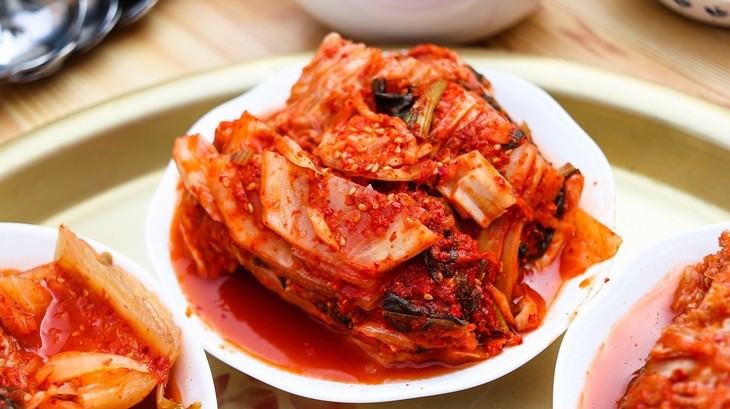
healthy foods that can be toxic Kimchi
Kimchi is among the healthiest fermented foods, with this Korean cabbage being capable of doing wonders for your digestive health, weight loss, aging and even prevent cancer. Still, even this wonder food has a dark side, believe it or not.

Namely, it's typically very high in sodium, with only 1 serving containing, on average, about a third of your allowed daily sodium intake. Higher than normal sodium intake, in turn, can really affect your heart and cardiovascular health in particular. However, in moderation, this fermented delight will share its health benefits with you without affecting your health, so make sure to eat no more than 1 serving of kimchi daily and you're golden. 
 
15. Brown Rice

Brown rice is healthier than white rice and widely available, but it, too, can be disappointingly dangerous. This has nothing to do with the rice itself, but rather with the way it is grown. More specifically, rice is among those rare foods that are the most likely to absorb inorganic arsenic from the water and soil it's grown in, and because brown rice is less processed than white rice, it generally contains more of the toxic element. 
 
Not all brown rice is polluted with arsenic, but in many corners of the Earth, the water supply is packed with the dangerous poison, which seeps into the rice as it's grown. Inorganic arsenic is one of the most toxic elements known, with long-term use being recognized to contribute to the development of various cancers, type 2 diabetes, and cardiovascular problems. 
 
To minimize your exposure to arsenic, rinse your rice thoroughly several times before cooking and cook in plenty of water, subsequently draining the cooked rice. This will wash out up to 57% of the arsenic. You can also opt for white rice instead of brown, possibly from the Himalayan region (North India and Pakistan, Nepal), countries known to have less arsenic water pollution

This is only for your information, kindly take the advice of your doctor for medicines, exercises and so on.     

https://gscrochetdesigns.blogspot.com. one can see my crochet creations  
https://gseasyrecipes.blogspot.com. feel free to view for easy, simple and healthy recipes    
https://kneereplacement-stickclub.blogspot.com. for info on knee replacement

Labels: , , , , , , , , , , , , , , , ,

Thursday, January 16, 2020

15 Common ‘Healthy’ Foods That Can Be Toxic to Humans

When it comes to nutrition, nothing is black and white, and eating too much or too little of something can have health-threatening results. Take vitamins: both a vitamin deficiency and overdose can often lead to health problems. For example, vitamin B3 deficiency causes pellagra, a potentially life-threatening condition manifesting in dermatitis, fatigue, memory loss and digestive issues. Vitamin B3 hypervitaminosis, on the other hand, can cause severe liver damage.
However, it isn't always the quantity of a certain nutrient or food that's to blame for its harmful effects. In fact, sometimes it's the improper use that's responsible. When it comes to some of these foods, most of which are nuts, fruit and vegetables that are largely considered healthy, simply eating them incorrectly can prove to be devastating to your health.
1. Green Potatoes
The humble, delicious and nutritious potato can turn into your worst enemy. Few people know this, but the actual plant that produces potatoes is full of solanine and chaconine, both of which are poisonous substances the plant uses to protect itself from insects and parasites.
Typically, potato tubers are free of these substances, but in some cases, especially when exposed to prolonged sunlight, potatoes, too, can build up solanine. The telltale signs of potatoes containing the poison are:
 when the potato turns green
 a bitter taste. 
​Eating just a few of these green potatoes can make you develop toxic symptoms, such as vomiting, diarrhea, headaches, hallucinations, inflammation in the joints, cardiac dysrhythmia, thyroid issues, and other symptoms. Just 3-6 mg of solanine per kilogram of body weight can be deadly, so stay away from green or bitter-tasting potatoes.


2. Cherry Pits, Apple Seeds, and Peach Stones
Cherries, apples, peaches, and apricots are definitely among the most popular fruits out there, period. They're all juicy, sweet, and ridiculously easy to eat. But did you know that the seeds of all of these fruits are packed with prussic acid, also known as cyanide? The concentration of the potentially deadly poison varies significantly depending on the fruit, but only one cherry pit has been estimated to contain 0.17 grams of cyanide, which could be enough to kill a person.


Luckily, all of these fruits hide their poisonous insides deep within a hard shell, so there's generally no danger of you even ingesting an apple seed or cherry pit because your digestive system won't be able to dissolve the protective coating of the seed, given that you haven't bitten through it, that is. Still, we just wouldn't recommend risking it.


3. Bitter Almonds
Almonds are among the healthiest of nuts, but even they can be not so beneficial to your body, especially if you choose the wrong kind. This is because all almonds contain a precursor to cyanide called amygdalin, which can then be converted into the poison in your body.


Both sweet and bitter almonds contain amygdalin, but it's the bitter variety that has a significantly higher quantity of the poisonous substance and can cause diarrhea, nausea and stomach cramps, especially if they are raw. Heat treatment removes all the toxins from sweet almonds, so they're safe to eat.


4. Forest Mushrooms
It doesn't get better than a fresh homemade pizza with mushrooms, but be careful of which ones you use, as certain mushroom varieties can be deadly. As a matter of fact, there is only a handful of edible mushroom species. So, if you happen to go mushroom picking or buy fresh forest mushrooms, know very well which kinds of mushrooms are safe to eat and stay away from the rest.

The most dangerous mushroom varieties are the death cap (Amanita phalloides) and the destroying angel (Amanita virosa). Eating any of these wild mushrooms will produce symptoms like diarrhea, intense thirst, abdominal pain, vomiting, liver failure, coma, and even death.


5. Shellfish
Shellfish are an exceptional source of protein and other beneficial nutrients, but unfortunately, it's not as safe to eat as fish, particularly when consumed raw. Even fresh seafood can absorb potentially harmful bacteria and viruses from the surrounding waters and cause serious digestive distress.


Apart from that, shellfish are notorious for absorbing high quantities of toxic heavy metals from the sea, such as mercury or cadmium, which ultimately build up in the human body and can cause toxic symptoms and even heavy metal poisoning, so it's best not to eat shellfish too often, even when cooked through thoroughly.


6. Raw Kidney Beans
Kidney beans are a great source of plant-based protein and iron, if you eat them right, that is. Non cooked beans can induce bad stomach cramps, vomiting, and diarrhea. That's why you should always cook your beans well before eating them, as the cooking process neutralizes the toxic proteins called lectins raw beans contain.


Raw kidney beans are the most saturated in lectins, but all beans have them. Eating just 4-5 kidney beans is typically enough to produce the above-mentioned symptoms, so make sure to eat your beans cooked.


7. Fresh Elderberries
Elderberry syrup or jam is a popular treat. It has known immune-boosting properties and it can be used to treat cold and flu symptoms, as well as relieve constipation.


However, eating just a few elderberries raw can have adverse effects on your health, as the berries contain cyanide and lectin. Even in small doses, these compounds induce digestive symptoms, such as nausea, diarrhea, and vomiting


8. Raw Cashews
The cashews labeled as 'raw' you buy in stores aren’t actually raw at all, but if you happen to have access to real raw cashews, don't eat them. This is because all so-called raw cashews actually undergo a streaming process before they are packaged and shipped to stores, otherwise the nuts are actually toxic.


If not done so, cashews will contain a chemical called urushiol, which is the same allergen that's in poison ivy. Thus, eating truly raw cashews is extremely likely to cause a severe, potentially life-threatening allergic reaction.


9. Nutmeg
Nutmeg is a popular spice used both in sweet and savory dishes, as it imparts a pleasant nutty flavor to any recipe. Most recipes require no more than a teaspoon of the spice, and for good reason, as higher doses of nutmeg will make you regret using it for good. As a matter of fact, only 2 teaspoons of nutmeg powder can be toxic.


This is because the spice contains myristicin, a compound that messes with your brain and causes adverse symptoms like dizziness, confusion, drowsiness, hallucinations, and even seizures.


10. Alfalfa Sprouts

Alfalfa sprouts are typically grown in a warm, wet environment, which just so happens to be the optimal conditions for bacterial growth as well. So, it's no surprise that the sprouts are a common culprit behind food-borne illness outbreaks.


In fact, during the past 20 years, alfalfa sprouts have been responsible for thirty of such outbreaks, which included such dangerous pathogens as salmonella and E. coli. That's why we highly recommend boiling or otherwise exposing the sprouts to high heat before including them into your meal, even if you grow the sprouts at home.


11. Rhubarb Leaves

Rhubarb stalks are an excellent ingredient for compotes and desserts, but you have to know very well how to utilize them to stay safe. Before using the rhubarb, clean away all the leaves and throw them out, as the leaves contain a potentially deadly compound called oxalic acid.


Admittedly, one would have to eat a lot of rhubarb leaves, approximately 5 kg (11 lb), to die as a result, but even smaller amounts of the leaves can make you experience unpleasant symptoms, such as vomiting, diarrhea, breathing difficulties and burning in the mouth.


Consuming the leaves also makes you prone to kidney stones and abnormal blood clotting, as the poisonous substance binds to the calcium present in your body and causes a calcium deficiency, which then manifests itself in the above-mentioned symptoms. 


12. Mango
Like cashews and poison ivy, the leaves and bark of mango trees, as well as the skin of mango fruit are full of urushiol. That's why people who just happen to bite into a mango or eat a piece of the skin often experience skin rashes and swelling, or even problems breathing.


The severity of your symptoms will depend on how allergic you are to urushiol, but it's best to just stay away from the bitter mango skin altogether and enjoy the sweat and juicy pulp of the fruit instead. 


13. Broccoli
Didn't expect to see broccoli on this list, did you? Neither did we before we started researching for this article, but it turns out that even this superfood has its drawbacks if you eat it too much and too often. To prevent this from happening, simply switch out broccoli with other veggies from time to time, such as carrots or peppers in your salad or any other dish, especially if you have a history of thyroid issues.


This is because broccoli contains compounds called thiocyanates, which prevent your body from absorbing adequate amounts of iodine. If this happens constantly, it may lead to an underactive thyroid - hypothyroidism, a chronic issue that manifests itself in sudden weight gain, hair thinning, constipation, depression, and other symptoms.


14. Kimchi
Kimchi is among the healthiest fermented foods, with this Korean cabbage being capable of doing wonders for your digestive health, weight loss, aging and even prevent cancer. Still, even this wonder food has a dark side, believe it or not.


Namely, it's typically very high in sodium, with only 1 serving containing, on average, about a third of your allowed daily sodium intake. Higher than normal sodium intake, in turn, can really affect your heart and cardiovascular health in particular. However, in moderation, this fermented delight will share its health benefits with you without affecting your health, so make sure to eat no more than 1 serving of kimchi daily and you're golden.


15. Brown Rice
Brown rice is healthier than white rice and widely available, but it, too, can be disappointingly dangerous. This has nothing to do with the rice itself, but rather with the way it is grown. More specifically, rice is among those rare foods that are the most likely to absorb inorganic arsenic from the water and soil it's grown in, and because brown rice is less processed than white rice, it generally contains more of the toxic element.


Not all brown rice is polluted with arsenic, but in many corners of the Earth, the water supply is packed with the dangerous poison, which seeps into the rice as it's grown. Inorganic arsenic is one of the most toxic elements known, with long-term use being recognized to contribute to the development of various cancers, type 2 diabetes, and cardiovascular problems.


To minimize your exposure to arsenic, rinse your rice thoroughly several times before cooking and cook in plenty of water, subsequently draining the cooked rice. This will wash out up to 57% of the arsenic. You can also opt for white rice instead of brown, possibly from the Himalayan region (North India and Pakistan, Nepal), countries known to have less arsenic water pollution.


This is only for your information, kindly take the advice of your doctor for medicines, exercises and so on.     
https://gscrochetdesigns.blogspot.com. one can see my crochet creations  
https://gseasyrecipes.blogspot.com. feel free to view for easy, simple and healthy recipes    
https://kneereplacement-stickclub.blogspot.com. for info on knee replacement
 

Labels: , , , , , , , , , , , , , , , , ,

Wednesday, July 03, 2013

8 Surprisingly Poisonous Foods We Eat

1. Lima beans 
Like many legumes, the seemingly innocent lima bean should not be eaten raw - doing so can be lethal. (And who wants to die in such an ignoble way as death by lima bean?) Also known as butter beans, the legumes can contain a high level of cyanide, which is part of the plant's defence mechanism. Here in the U.S. there are restrictions about cyanide levels in commercially grown lima bean varieties, but not so in less developed countries, and many people can get sick from eating them. Even so, lima beans should be cooked thoroughly, and uncovered to allow the poison to escape as gas. Also, drain the cooking water to be on the safe side. 

2. Pufferfish 
Whoever ate the first pufferfish must have been adventurous. (And most likely died shortly thereafter.) Almost all pufferfish contain tetrodotoxin, a deadly toxin that is up to 1,200 times more poisonous than cyanide. The poison in one pufferfish is enough to wipe out 30 humans, and there's no known antidote. 

Yet, many people eat it. Called fugu in Japan, the meat of the pufferfish is a highly prized dish that is prepared by specially trained, licensed chefs. Even so, according to government figures, there were 23 deaths among 338 fugu poisoning cases recorded in Japan from 2000 to 2009. 

3. Castor beans 
Many a granny came armed with a spoonful of castor oil to heal all ills, and studies show that it does indeed have health benefits to offer. Just be sure not to eat the beans from which the oil came. If castor beans are chewed and swallowed, they can release ricin, one of the most toxic poisons known to man. Eating just one or two castor beans can easily cause the demise of the eater. Ricin has been investigated as a warfare agent, and has even been employed by secret agents and assassins. 

4. Almonds 
Any reader of old-school mystery novels knows what the smell of bitter almonds signifies: death by cyanide, my dear Watson. And that's because some plants, including apples and bitter almonds, have cyanide in them to discourage herbivores from devouring them. 

But don't fret; bitter almonds aren't the same as sweet almonds. Since about 20 bitter almonds are enough to kill an adult, they aren't sold here. That said, almond extract is made with the oil of bitter almonds, but rest assured, it can't be used as a murder weapon.

5. Cassava 
Also known as manioc or tapioca, bitter cassava is native to South America and is the third most important source of calories in the tropics; and like bitter almonds, cassava also harbours cyanide. When properly soaked and dried, bitter cassava is okay; but when any of the process is skimped on, problems arise. 

Due to correct food processing and strict regulations, cyanide-laced cassava poses little threat to Americans who eat the root. But, in Africa, where cassava has become a major part of subsistence diets, many poor people suffer from a chronic and crippling form of cyanide poisoning known as konzo. 

6. Rhubarb 
Rhubarb stalks may lend a super tart tang to strawberry pie; but their leaves offer something altogether different. Rhubarb leaves contain oxalic acid, a chemical compound found in bleach, metal cleaners and anti-rust products. The leaves also contain anthraquinone glycosides. Eating the leaves can lead to a burning sensation in the mouth and throat, nausea and vomiting, gastric pain, shock, convulsions and even death. 

Although rhubarb sold at the store generally has most of the leaves removed, be careful if you grow it at home; although using every part of a vegetable is generally great ... in this case, the shock, convulsions and death aren't quite worth it. 

7. Tomatoes and potatoes 
The leaves and stems of both tomatoes and potatoes, members of the nightshade family, contain a toxic alkaloid called solanine. In potatoes, it is particularly concentrated when the spud starts to sprout and when the eyes and flesh turn green. Potatoes have higher concentrations than tomatoes.

But even so, a 100-pound person would need to eat 16 ounces of a fully green potato before solanine poisoning would occur. If you happen to have a taste for green potatoes, keep an eye out for excessive salivation, diarrhoea, slowed pulse, reduced blood pressure and respirations, and cardiac arrest. 

8. Mushrooms 
No list of poisonous foods would be complete without mention of mushrooms, and specifically,Amanita phalloides, the deadly (and dastardly delicious) "death cap" mushroom. Responsible for a multitude of mushroom poisonings , along with its cousin, Amanita ocreata, better known as the "destroying angel." 

Our fascination with funghi goes way back and we continue to poison ourselves with various members of the mushroom family. Why? Because they are amazing to eat, while at the same time, it's hard to differentiate between those that are good and those that are deadly. 


ps- this is only for information, always consult you physician before having any particular food/ medication/exercise/other remedies.

ps- those interested in recipes are free to view my blog-

http://gseasyrecipes.blogspot.com/

for info about knee replacement, you can view my blog-

http://Knee replacement-stick club.blogspot.com/

for crochet designs

http://My Crochet Creations.blogspot.com/

I've not given details about designs, but those interested are free to mail me for the same.


Labels: , , , , , , , , , , , , , , , , , ,