Tuesday, May 25, 2021

9 Foods That Shouldn't Be Consumed Raw

We're all very well aware that eating raw meat can be really dangerous for our health, but we're still in the dark when it comes to many other food items. This is especially true in regard to plant-based foods, as most people think that all veggies and fruit can be safely consumed raw, which is just not true. Some surprising examples of plant foods that should never be eaten raw are eggplants, potatoes, and beans. Find out why these and several other ordinary foods can be dangerous when consumed uncooked below.

1. Flour

Foods You Should Never Eat Raw Flour
Are your kids or grandkids fans of eating raw cookie dough? Many kids and even adults are, and we can hardly blame them, as that stuff is absolutely delicious. That said, no one should be eating raw dough, really, for several reasons. For one, it contains raw eggs (more on that later), but the raw flour that's another essential ingredient is no less harmful either, as it turns out. 
 
The Center for Disease Control and Prevention point out on their website that raw flour may become contaminated with dangerous bacteria like E.coli during transportation and storage, and so consuming flour raw could lead to bacterial infections. Cooking kills off all the germs lurking in flour. 
 
2. Potatoes
Potatoes are, without a doubt, one of the most common kitchen staples in existence, but it turns out that they are more finicky than they appear. For one, you shouldn't try eating potatoes raw, as they contain certain starches that our digestive system cannot handle. As a result, eating uncooked potatoes can result in bloating and other stomach issues. Cooked potatoes don’t cause the same adverse effects because heat breaks down these starches. 
 
You should also beware of green spots on potatoes and throw them away immediately.

3. Milk
Most people are largely unaware of the potential dangers raw milk poses to health because we're so used to buying pasteurized milk in stores these days. When raw, milk could contain many dangerous bacteria like E. coli and Salmonella. Data by the American Food and Drug Administration suggests that raw milk is 150 times more likely to cause digestive issues compared to all other dairy products. 
 
So, if you'll ever have the chance to drink or purchase fresh cows milk, make sure it has been boiled before drinking or using it in foods, as drinking raw milk can cause foodborne illnesses. 
 
4. Forest Mushrooms 
Foods You Should Never Eat Raw Forest Mushrooms The main problem with forest mushrooms, even when you know that it's the edible variety and not the poisonous one, is that they have been growing in an uncontrolled environment and may harbor dangerous pathogens, so cleaning, washing, and cooking them thoroughly is a must. We'd recommend staying away from picking any wild mushrooms, though, if you or someone with you isn't a seasoned professional at spotting the poisonous mushroom varieties since as much as touching certain poisonous mushrooms can pose a danger to one's health. 
 
As for store-bought mushrooms, they are most often safe to consume raw, but foodies point out that cooking them up with some spices may result in a much tastier meal. 

5. Certain Beans
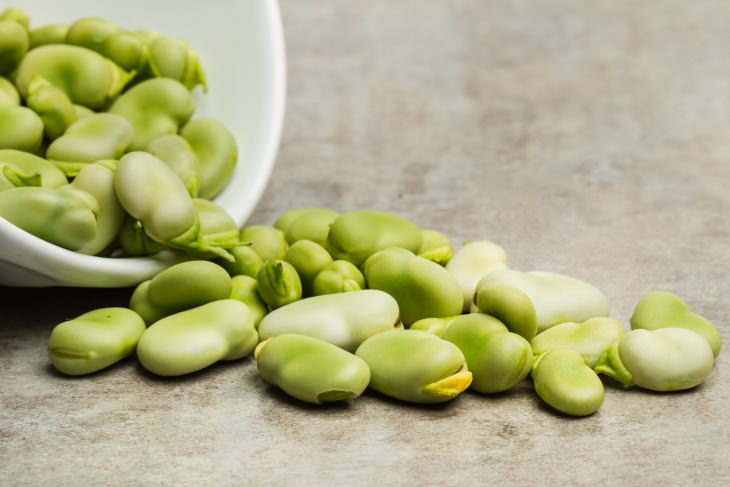
Foods You Should Never Eat Raw beans
Beans are certainly some of the most nutritious and healthy foods out there, but you should always cook them thoroughly before eating. Uncooked kidney beans, for example, have the toxin phytohemagglutinin that causes symptoms similar to food poisoning when consumed. 
 
Raw Lima beans (pictured above), on the other hand, contain compounds called cyanogenic glycosides, a natural protective mechanism for the plant, that produce hydrogen cyanide when chewed on. Therefore, make sure to cook or at least boil all beans thoroughly before adding them to foods.

6. Eggs
Raw eggs were once considered good pre-workout food, but we must point out that eating raw eggs alone or in a meal is risky due to its potential contamination with Salmonella. Eggs should be cooked at the temperature of at least 145°F (63°C) for the bacterium to die. When eggs are combined with other ingredients, in turn, the necessary cooking temperature should be increased to 160°F (71°C). 
 
7. Hot dogs
Most of us wouldn't dare to eat raw meat, but some people believe it's safe to eat raw hot dogs because they have been pre-cooked and smoked, which is just wrong. According to the FDA, hot dogs, even when packaged and sealed, can become the breeding ground for the bacterium called Listeria that causes food-borne illness. Therefore, it's crucial to boil or at least microwave the hot dogs before eating. 
 
8. Eggplant
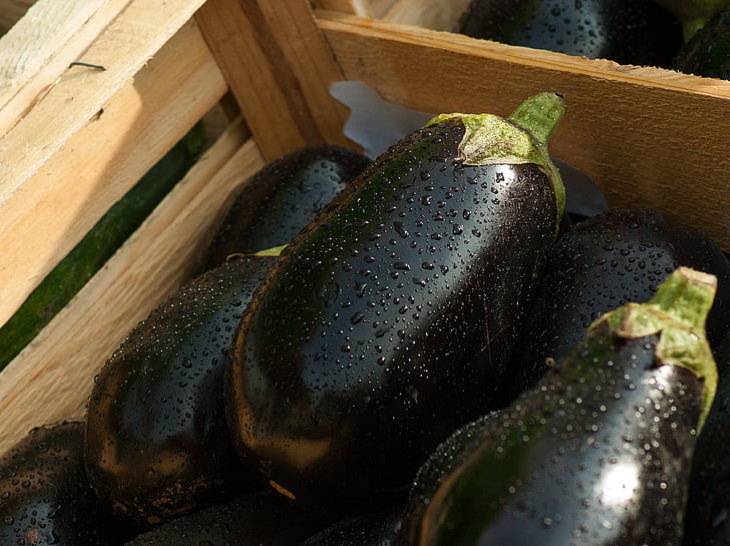
Foods You Should Never Eat Raw Eggplant
Consuming raw eggplant can be toxic, especially when they've been picked young. This is because raw eggplants contain the toxin called solanine. One average eggplant contains around 11mg of solanine, so you’d have to eat a lot of eggplants to experience any symptoms (eating 12 raw eggplants would is the lethal dose). Still, it's better to be safe than sorry, especially since some people are allergic to eggplant. 
 
9. Sprouts
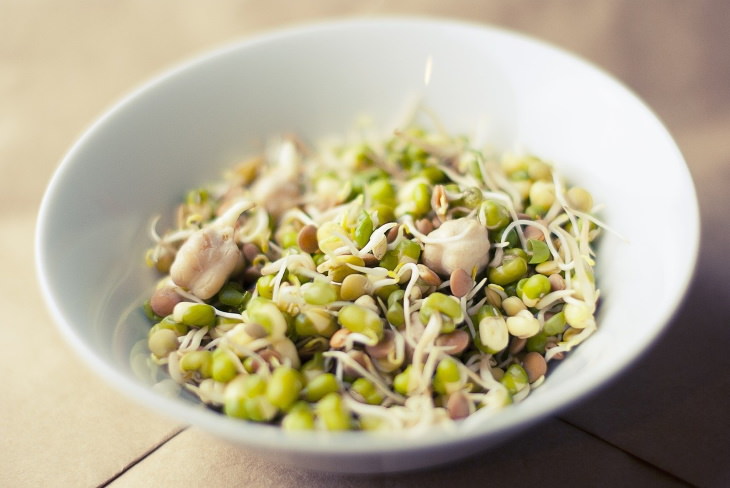
Foods You Should Never Eat Raw Sprouts
Adding alfalfa and radish sprouts into fresh salads was a trend not so long ago, but it turns out that you should always cook sprouts before consuming them, too. The sprouts themselves may be healthy to eat, but they grow in warm and humid conditions that are essentially a petri dish for bacteria like E.coli, Salmonella, and Listeria, all common food-borne illnesses that are present in most crops and seeds you can buy at the supermarket. 
 
The contamination issue is so widespread that many restaurants have stopped using sprouts altogether. Therefore, it's best to cook the sprouts before eating or avoid them altogether.

This is only for your information, kindly take the advice of your doctor for medicines, exercises and so on.   

https://gscrochetdesigns.blogspot.com. one can see my crochet creations  
https://gseasyrecipes.blogspot.com. feel free to view for easy, simple and healthy recipes    
https://kneereplacement-stickclub.blogspot.com. for info on knee replacement


Labels: , , , , , , , , , ,

Sunday, April 19, 2020

Top 20 Foods High in Soluble Fiber

Dietary fiber is the carbohydrate in plants that your body cannot digest.

Though it's essential to your gut and overall health, most people don't reach the recommended daily amounts (RDA) of 25 and 38 grams for women and men, respectively.

Both soluble and insoluble fiber help bulk up your stools and can be used as a food source for good bacteria in your large intestine.

Soluble fiber draws water into your gut, which softens your stools and supports regular bowel movements.

It not only helps you feel fuller and reduces constipation but may also lower your cholesterol and blood sugar levels.

Here are 20 healthy foods that are high in soluble fiber.

1. Black Beans

Black beans are not only a great way to give your dishes a meaty texture but also an amazing source of fiber.

One cup (172 grams) packs 15 grams, which is about what an average person consumes per day, or 40–60% of the RDA for adults.

Black beans contain pectin, a form of soluble fiber that becomes gummy-like in water. This can delay stomach emptying and make you feel fuller longer, giving your body more time to absorb nutrients.

Black beans are also rich in protein and iron, low in calories, and almost fat-free.

Soluble fiber content: 5.4 grams per three-quarter cup (129 grams) of cooked black beans.

2. Lima Beans

Lima beans, also known as butter beans, are large, flat, greenish-white beans.

They mainly contain carbs and protein, as well as a little fat.

They're lower in total dietary fiber than black beans, but their soluble fiber content is almost identical. Lima beans also contain the soluble fiber pectin, which is associated with reduced blood sugar spikes after meals.

Raw lima beans are toxic when raw and should be soaked and boiled before you eat them.

Soluble fiber content: 5.3 grams per three-quarter cup (128 grams) of lima beans.

3. Brussels Sprouts

The world may be divided into Brussels sprout lovers and haters, but whatever side you're on, it's undeniable that this vegetable is packed with vitamins and minerals, along with various cancer-fighting agents.

What's more, Brussels sprouts are a great source of fiber, with 4 grams per cup (156 grams).

The soluble fiber in Brussels sprouts can be used to feed beneficial gut bacteria. These produce vitamin K and B vitamins, along with short-chain fatty acids that support your gut lining.

Soluble fiber content: 2 grams per one-half cup (78 grams) of Brussels sprouts.

4. Avocados

Avocados originate from Mexico but have gained popularity worldwide.

Haas avocados are the most common type. They're an excellent source of monounsaturated fats, potassium, vitamin E, and dietary fiber.

One avocado packs 13.5 grams of dietary fiber. However, one serving — or one-third of the fruit — provides about 4.5 grams, 1.4 of which are soluble.

Rich in both soluble and insoluble fiber, avocados really stand out in this regard.

Compared with other popular fiber sources, they contain lower amounts of the antinutrients phytate and oxalate, which can reduce mineral absorption.

Soluble fiber content: 2.1 grams per one-half avocado.

5. Sweet Potatoes

Sweet potatoes are high in potassium, beta carotene, B vitamins, and fiber. Just one medium-sized sweet potato packs over 400% of the Reference Daily Intake (RDI) of vitamin A.

What's more, the average potato contains about 4 grams of fiber, almost half of which is soluble.

Therefore, sweet potatoes can contribute significantly to your total soluble fiber intake.

Soluble fiber may be important for weight management. The more of it you eat, the greater the release of gut-satiety hormones, which may help reduce your overall appetite.

Soluble fiber content: 1.8 grams per one-half cup (150 grams) of cooked sweet potato.

6. Broccoli

Broccoli is a cruciferous vegetable that grows well in cool seasons. It's usually dark green, but you can also find purple varieties.

It's high in vitamin K, which helps your blood clot, and is a good source of folate, potassium, and vitamin C. It also has antioxidant and anticancer properties.

Broccoli is a good source of dietary fiber, with 2.6 grams per 3.5 ounces (100 grams), more than half of which is soluble.

The high amount of soluble fiber in broccoli can support your gut health by feeding the good bacteria in your large intestine. These bacteria produce beneficial short-chain fatty acids, such as butyrate and acetate.

Soluble fiber content: 1.5 grams per one-half cup (92 grams) of cooked broccoli.

7. Turnips

Turnips are root vegetables. Larger varieties are usually fed to livestock, but the smaller types are a great addition to your diet.

The most abundant nutrient in turnips is potassium, followed by calcium and vitamins C and K.

They're also great for upping your fiber intake — 1 cup packs 5 grams of fiber, 3.4 of which are soluble.

Soluble fiber content: 1.7 grams per one-half cup (82 grams) of cooked turnips.

8. Pears

Pears are crisp and refreshing and serve as a decent source of vitamin C, potassium, and various antioxidants.

What's more, they're an excellent source of fiber, with 5.5 grams in one medium-sized fruit. Soluble fiber contributes 29% of the total dietary fiber content of pears, the main form being pectin.

Due to their high fructose and sorbitol contents, pears can sometimes have a laxative effect. If you suffer from irritable bowel syndrome (IBS), you may need to moderate your intake.

Soluble fiber content: 1.5 grams per medium-sized pear.

9. Kidney Beans

Their characteristic shape gave kidney beans their name.

They're a key ingredient in chili con carne and great source of dietary fiber, complex carbs, and protein. They're also almost fat-free and contain some calcium and iron.

Kidney beans are a good source of soluble fiber, particularly pectin.

However, some people find beans hard to digest. If that's the case for you, start increasing your kidney bean intake slowly to avoid bloating.

Soluble fiber content: 3 grams per three-quarter cup (133 grams) of cooked beans.

10. Figs

Figs were one of the first cultivated plants in human history.

They're highly nutritious, containing calcium, magnesium, potassium, B vitamins, and other nutrients.

Both dried and fresh figs are great sources of soluble fiber, which slows the movement of food through your intestines, allowing more time for nutrient absorption.

Based on anecdotal evidence, dried figs have been used as a home remedy to relieve constipation for years. While one study found that fig paste improved bowel movements in constipated dogs, human-based research is lacking.

Soluble fiber content: 1.9 grams per one-fourth cup (37 grams) of dried figs.

11. Nectarines


Nectarines are stone fruits that grow in warm, temperate regions. They're similar to peaches, but don't have the same characteristic fuzzy skin.

They're a good source of B vitamins, potassium, and vitamin E. What's more, they contain various substances with antioxidant properties.

One medium-sized nectarine has 2.4 grams of fiber, more than half of which is soluble.

Soluble fiber content: 1.4 grams per medium-sized nectarine.

12. Apricots

Apricots are small, sweet fruits that range in color from yellow to orange, with the occasional red tinge.

They're low in calories and a good source of vitamins A and C.

Three apricots provide 2.1 grams of fiber, the majority of which is soluble.

In Asia, apricots have been used in folk medicine for years, and it's believed that they can protect people from heart disease.

They may also aid digestion. One study found that mice eating fiber from apricots had higher stool weights than those who received insoluble fiber alone.

Soluble fiber content: 1.4 grams per 3 apricots.

13. Carrots

Carrots are one of the most popular and tasty vegetables on Earth.

Boiled or steamed, carrots are a key ingredient in many recipes, but they can also be grated into salads or used to make desserts like carrot cake.

With good reason, you may have been told as a child to eat carrots to help you see in the dark.

Carrots are packed with beta carotene, some of which is converted into vitamin A. This vitamin supports your eyes and is particularly important for night vision.

One cup (128 grams) of chopped carrots contains 4.6 grams of dietary fiber, 2.4 of which are soluble.

Since many people enjoy this vegetable daily, it can be a key source of soluble fiber.

Soluble fiber content: 2.4 grams per cup (128 grams) of cooked carrots.

14. Apples

Apples are one of the most commonly eaten fruits in the world. Most varieties are quite sweet, but others like Granny Smith can be very sour.

"An apple a day keeps the doctor away" is an old proverb that may have some truth, as eating this fruit is associated with a lower risk of many chronic diseases.

Apples pack various vitamins and minerals and are a good source of the soluble fiber pectin. Apple pectin may have many health benefits, such as a reduced risk of heart disease and improved gut function.

Soluble fiber content: 1 gram per medium-sized apple.

15. Guavas

Guavas are a tropical fruit native to Mexico and Central and South America. Their skin is typically green, while the pulp can range from off-white to deep-pink.

One guava packs 3 grams of dietary fiber, about 30% of which is soluble.

This fruit has been shown to reduce blood sugar, as well as total cholesterol, triglycerides, and LDL (bad) cholesterol levels in healthy people. In part, this may be due to the soluble fiber pectin, which can delay the absorption of sugar.

Soluble fiber content: 1.1 grams per raw guava fruit.

16. Flax Seeds

Flax seeds, also known as linseeds, are tiny brown, yellow, or golden seeds.

They pack a nutritious punch and can be a great way to improve the nutrient content of your smoothies, breads, or cereals.

Sprinkling 1 tablespoon of ground flax seeds over your porridge can add an extra 3.5 grams of fiber and 2 grams of protein to your breakfast. They're also one of the best plant-based sources of omega-3 fats.

If possible, soak ground flax seeds overnight, as this allows their soluble fiber to combine with water to form a gel, which may aid digestion.

Soluble fiber content: 0.6–1.2 grams per tablespoon (14 grams) of whole flax seeds.

17. Sunflower Seeds

Sunflower seeds are a great nutritious snack and often purchased already shelled to reveal the tasty sunflower heart.

They contain about 3 grams of dietary fiber per one-fourth cup, 1 gram of which is soluble. What's more, they're rich in monounsaturated and polyunsaturated fats, protein, magnesium, selenium, and iron.

Soluble fiber content: 1 gram per one-fourth cup (35 grams) of sunflower seeds.

18. Hazelnuts

Hazelnuts are a delicious type of nut that can be eaten raw or roasted for a stronger flavor. They're also often used as an ingredient in chocolate bars and spreads.

One-fourth cup of hazelnuts packs about 3.3 grams of dietary fiber, one-third of which is soluble. Additionally, they're rich in unsaturated fats, vitamin E, thiamine, and iron.

Partly due to their soluble fiber content, hazelnuts may help reduce your risk of heart disease by lowering LDL (bad) cholesterol.

Soluble fiber content: 1.1 grams per one-fourth cup (34 grams) of hazelnuts.

19. Oats

Oats are one of the most versatile and healthy grains around. You can use them to make breakfast cereals, breads, scones, flapjacks, or fruit crumbles.

They contain beta glucan, a form of soluble fiber that's associated with reduced LDL (bad) cholesterol and improved blood sugar control. It's estimated that 3 grams of oat beta glucan per day can reduce your risk of heart disease.

About 1.25 cups (100 grams) of dry oats contain 10 grams of total dietary fiber. This is divided into 5.8 grams of insoluble and 4.2 grams of soluble fiber, 3.6 of which are beta glucan.

Beta glucan is also what gives porridge its characteristic creamy texture.

Soluble fiber content: 1.9 grams per cup (233 grams) of cooked oats.

20. Barley


Some people may associate barley with the brewing industry, but this nutritious ancient grain is also often used to thicken soups, stews, or risottos.

Like oats, it contains about 3.5–5.9% of the soluble fiber beta glucan, which has been shown to reduce your risk of heart disease.

Other forms of soluble fiber in barley are psyllium, pectin, and guar gum.

Soluble fiber content: 0.8 grams per one-half cup (79 grams) of cooked barley.

The Bottom Line

Soluble fiber is great for your gut and overall health, reducing your risk of heart disease by lowering LDL (bad) cholesterol and helping you balance your blood sugar levels.

If you want to increase your soluble fiber intake, it's often best to start slowly and build it up gradually.

It's also a good idea to drink plenty of water. This will help the soluble fiber form a gel, which aids digestion and prevents constipation.

All fruits, vegetables, whole grains, and legumes contain some soluble fiber, but certain foods like Brussels sprouts, avocados, flax seeds, and black beans are the cream of the crop.


This is only for your information, kindly take the advice of your doctor for medicines, exercises and so on.     

https://gscrochetdesigns.blogspot.com. one can see my crochet creations  
https://gseasyrecipes.blogspot.com. feel free to view for easy, simple and healthy recipes    
https://kneereplacement-stickclub.blogspot.com. for info on knee replacement


source- ecowatch.com


Labels: , , , , , , , , , , , , , , , , , , ,

Tuesday, December 04, 2018

Foods which are highly nutritious to us.

If there was just one food in the world which contains all the nutrients essential to us, it may have made it easy for us to eat just that one food. But, surely,over a period of time, we'ld have got bored eating the same food over and over again. That is why, nature provides us with such abundance of foods to choose from to lead a healthy life, as not only are they colourful, they're full of nutrients. It is said that we'ld eat rainbow colour foods to get the maximum benefits of nutrients, so look towards nature, which has provided it all in abundance.
Learn to eat a good combination of foods to get the maximum benefits. You don't have to go overboard to do that, eat daily different types of fruits and vegetables that are grown seasonally .

1. Sweet Potato

These deliciously sweet tubers are full of beta-carotene, which is a precursor for vitamin A. Your body requires this vitamin for healthy skin, good eye health, and healthy immune system function.

2. Ginger

Used for centuries as a treatment for colds, ginger also acts as a digestive stimulant. Ginger is full of antioxidants which help to clear your body of damaging free radicals too.

3. Brussels Sprouts

This vegetable is a type of cabbage and is full of vitamin C and calcium. Vitamin C is essential for a strong immune system and calcium is necessary for bone health and muscle contractions.

4.Broccoli

The green vegetable that every kid has to clean from their plate is full of nutritional value. Apart from a host of vitamins, broccoli is packed with fiber to support your digestive health and lower your risk of colon cancer.

5. Water Chestnuts

This aquatic vegetable is rich in vitamins B6 and C as well as phosphorus, calcium, and potassium. Potassium is essential for blood pressure because it helps to keep a healthy balance of the fluids in your body.

6. Prunes

Prunes can be eaten fresh or dried and deliver antioxidants as well as anthocyanins. These beneficial compounds provide anti-inflammatory, anti-viral, and anti-cancer benefits.

7. Carrots

Carrots are another great source of beta-carotene which converts to the essential vitamin A.

8. Rhubarb

A popular choice in Britain, rhubarb is full of vitamins, minerals, fiber, and phytochemicals. Phytochemicals help reduce your risk of chronic disease due to their antioxidant properties.

9. Pomegranates

Full of anthocyanins, pomegranates deliver antioxidant and anti-inflammatory powers to support your overall health.

10. Fish

An excellent source of omega-3 fatty acids is the reason fish needs to be on your menu. These are essential fats that we cannot produce and they support heart health, brain health, and fight inflammation.

11. Oranges and Tangerines

These citrus fruits give you a good dose of vitamin C to help keep your immune system in top shape.

12. Kumquats

This unusual citrus fruit provides the usual vitamin C, as well as fiber to help digestion. They also optimize insulin and glucose balance, making them beneficial fruits for diabetics.

13. Black-Eyed-Peas

Sometimes called cowpeas, these legumes contain more protein than many cereal grains.

14. Cherries

Available in sweet or sour versions, cherries are full of antioxidants and have a lower glycemic index than many other fruits.

15. Summer Squash

This seasonal favorite delivers folate, fiber, magnesium, potassium, and vitamins A, B6, and C.

16. Green Beans

Also called string beans and French beans, these veggies are full of saponins, which have the ability to lower cholesterol levels.

17. Leeks

Leeks are a close relative to the onion and provide fiber and bulk to support healthy digestion.

18. Cayenne Pepper

This perfect addition spices up any meal and restores your circulatory system by opening capillaries and regulating blood sugar levels.

19. Grapefruit

This fruit is a good source of soluble fiber, which removes cholesterol during digestion, thus supporting cardiovascular health.

20. Chili Peppers

Although spicy, these peppers contain capsaicinoid and ascorbic acid, which are important antioxidants.

21. Arugula

A great addition to a salad and full of glucosinolates, which protect you against cancer and cardiovascular disease.

22. Chives

Chives are a good source of vitamins A and K as well as antioxidant properties.

23. Paprika

This spice is rich in ascorbic acid, which is a powerful antioxidant to eliminate free radicals from your body.

24. Tomatoes

This is a low-energy food that provides vitamins A, C, and E, as well as potassium and folate. Folate is essential for cell and tissue growth.

25. Lima Beans

Also known as butter beans, these are a great source of protein and carbohydrates while being low in fat.

26. Kiwifruit

Technically a berry, kiwifruit is a good source for potassium and magnesium.

27. Taro Leaves

Make a creative salad with these leaves and benefit from a healthy dose of protein.

28. Navy Beans

The fiber found in these beans has been linked to the reduction of colon cancer.

29. Plantain

The perfect snack, thanks to its high antioxidant, antimicrobial, and anti-diabetic properties.
|

30. Podded Peas

Good things come in small packages because you get carbohydrates, protein, minerals, fiber, and water-soluble vitamins.

31. Butter Lettuce

This is a low-calorie food perfect for diets, and a good source of vitamin K, which is important in blood clotting.

32. Walnuts

Bite-sized snacks packed with linolenic acid, an important omega-3 fatty acid.

33. Spinach

Fresh or frozen, spinach is packed with vitamin A, calcium, potassium, fiber, magnesium, zinc, and iron.

34. Parsley

When added to your meals, parsley benefits your immune system because of its high antioxidant content.

35. Dandelion Greens

The leaves are a good source of calcium as well as vitamins A and C.

36. Apricots

Although relatively high in sugar, this fruit also contains powerful antioxidants, such as beta-carotene.

37. Watercress

Watercress grows in flowing water and is often used to treat mineral deficiency.

38. Mustard Leaves

One of the oldest spices out there, mustard leaves contain sinigrin, which is a powerful anti-inflammatory agent.

39. Kale

A delicious base for any salad, kale is full of phosphorus, iron, calcium, and several important vitamins.
|

40. Clams

Clams are a good way to get protein without fat, as this shellfish is very lean.

41. Basil

A sweet but slightly spicy herb that is an antifungal and antibacterial agent as well as good for your heart.

42. Scallops

This shellfish is high in protein, essential fatty acids, potassium, and low in fat.

43. Collards

Collards are a form of cabbage that are high in nutrients and low in calories.

44. Green Onion

Also known as spring onions, these are one of our richest sources of vitamin K, which is essential for blood clotting and bone health.

45. Celery Flakes

Dried, flaked celery is an important source for vitamins, minerals and amino acids.

46. Beef

It may not sound appetizing, but beef is full of B vitamins and is a healthier fat than lamb or beef fat. As an unsaturated fat, it can help reduce high cholesterol levels.

47. Pumpkin Seeds

This small snack is one of the best plant-based sources of iron and manganese.

48. Chia Seeds

For such a tiny seed, these are packed with fiber, protein, phenolic acid, and several important vitamins.

49. Red Cabbage

This is a wild ancestor to regular cabbage and is full of essential vitamins.

50. Almonds

This nut is a good source of monounsaturated fatty acids which promote cardiovascular health and may even help control diabetes.

 51. Garlic: Along with vitamin and minerals such as calcium, copper, potassium and manganese, garlic also contains Alicen. This has the ability to lower blood pressure, cholesterol and can fight cancer. Garlic also contains pathogens that help in fighting against bacteria and fungi.

52. Blueberry: Blueberry contains flavonoids known as anthocyanins. These have the ability to protect against cancer, heart disease, memory loss and age-related blindness. The epicatechins in blueberry juice also lower the risk of urinary tract infections. 

53. Broccoli: Sulpher compounds such as sulforaphane can fight against certain types of cancer such as lung cancer, stomach cancer and breast cancer. These compounds pass a signal to genes to increase production of enzymes that detoxify the body. It also contains beta-carotene that safeguards your brain cells and protects your eyes from cataracts. 

54. Chocolate: Dark chocolate is considered an indulgence but is in fact very good for you. The flavonoids and anti-oxidants contained in it help lower blood pressure, keep blood clots from developing and slow down the cholesterol oxidation process. It also has the ability to lower insulin resistance. 

55. Flax seeds: Flax seeds are rich in fiber and lignans. These compounds block estrogen receptors and help reduce the risk of cancer caused by hormone fluctuations. They also contain alpha-linolenic acids that are used by the body to produce omega 3 fatty acids. 

56. Yogurt: Yogurt is a great source of calcium and probiotics. This helps keep the gut healthy and in turn boosts the immune system. It also lowers the risk of urinary tract infections, yeast infection and ulcers. 

57. Avocado: Avocado can help lower cholesterol and are effective in reducing the risk of heart diseases. They are also rich in antioxidants such as glutathione.

The Bottom Line

The key to good health is balance. The right exercises and the right lifestyle choices can keep you in great shape and promote longevity.
That said, the best place to start a healthy lifestyle is with your diet. Since you are what you eat, you should eat healthy and eat balanced.

THIS IS ONLY FOR INFORMATION, ALWAYS CONSULT YOU PHYSICIAN BEFORE HAVING ANY PARTICULAR FOOD/ MEDICATION/EXERCISE/OTHER REMEDIES.                                                                                                                                                                                                                                                                                        PS- THOSE INTERESTED IN RECIPES ARE FREE TO  VIEW MY BLOG-                                                                                           https://gseasyrecipes.blogspot.com/                                                                                                                                                                             FOR INFO ABOUT KNEE REPLACEMENT, YOU CAN VIEW MY BLOG-                                                                                                                             https:// kneereplacement-stickclub.blogspot.com/                                                                                       FOR CROCHET DESIGNS                                                                                                                                                                                                                                 https://gscrochetdesigns.blogspot.com


Labels: , , , , , , , , , , , , , , , , , , ,