Sunday, January 17, 2021

5 seasonal vegetables you must eat in winters to lose weight and boost immunity

Winter veggies for weight loss
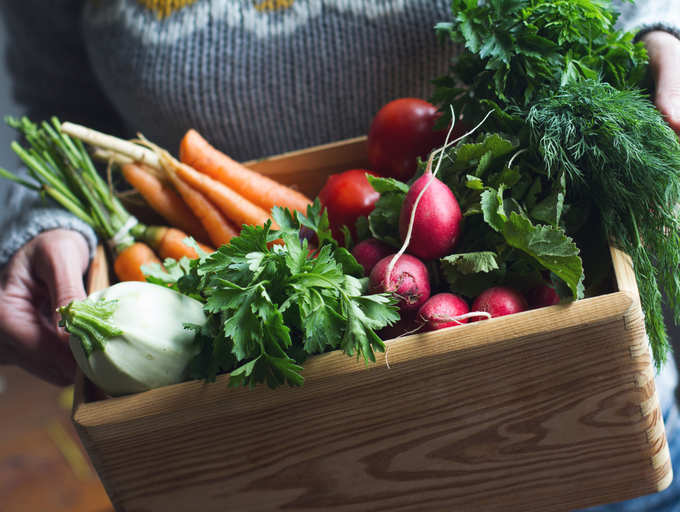
Keeping oneself warm is not the only challenging task in winters. The cold weather also makes us lazy, decreases our metabolism and increases the craving for unhealthy foods, all of which can slow down the weight loss process. While there is no alternative to physical inactivity, you can tackle your slow metabolism and craving by including more winter veggies in your diet.

Winter brings a whole lot of greens and nutritional value foods. These vegetables can keep you warm and add flavour to your food during this time of the year. Winterizing your diet can help you survive the cold weather by increasing your immunity and even help you shed kilos by boosting the metabolism. Here are 5 winter veggies that you must eat at this time of the year.

readmore

​Carrot

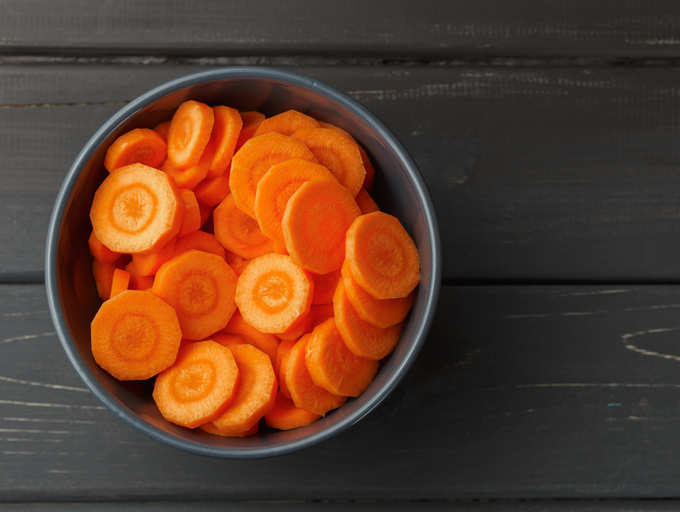
Rich in vitamin A, carrots are one of the healthiest and versatile winter veggies. It is low in calories and rich in fiber, which can keep you fuller for a longer time. You can make salads, smoothies or soup. There are so many ways to include this amazing vegetable in your diet. The root vegetable is also loaded with vitamin B, B2, B3, C, D, E and K and beta-carotene. Including carrots in diet can contribute to better vision, slow down the ageing process, prevent heart disease, healthier skin, hair and nails.

Spinach
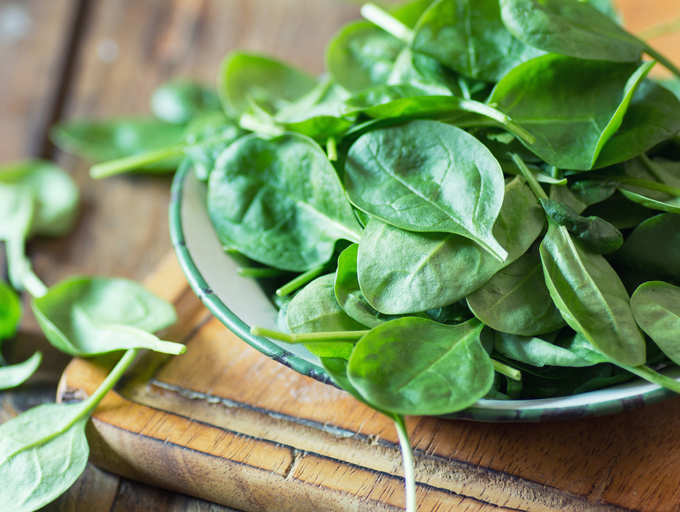
The green leafy vegetable is loaded with iron, zinc and magnesium, vitamin K, vitamin A. Having spinach daily in winters can boost your immunity, help you build muscles, keep you energised and can even aid in losing weight. It is low in calories, contains no fat and rich in fiber. You can add a few leaves in your omelette, salad or can even make spinach smoothies to curb the mid-day hunger.

​Beetroot

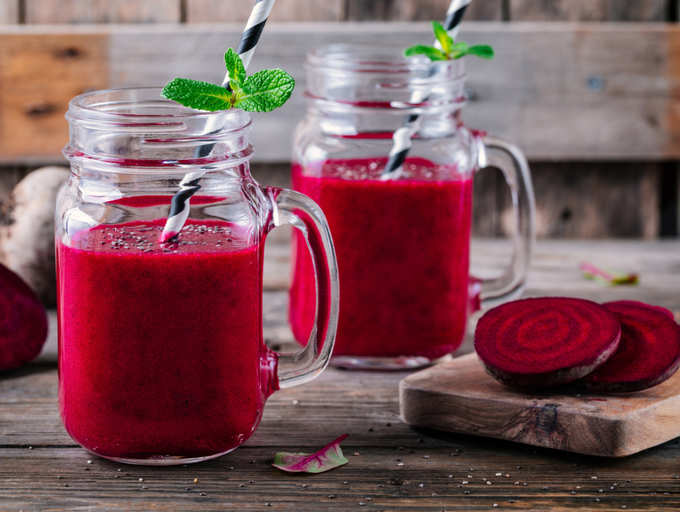
Beets contain a high amount of water and are low content. Both of these properties are beneficial for weight loss. Studies even suggest that having this root vegetable after the workout session can help in speedy muscle recovery. The earthy and slightly bitter tasting beet can be added in a salad or can be blended to make smoothies. It is rich in vitamins A, B, and C, as well as potassium, iron and folate. It is a great detoxifier, helps to manage the blood sugar level, cut down the risk of obesity and heart diseases. Apart from this, it increases the number of white blood cells (WBC), which helps to fight disease-causing pathogens.

Sweet Potatoes
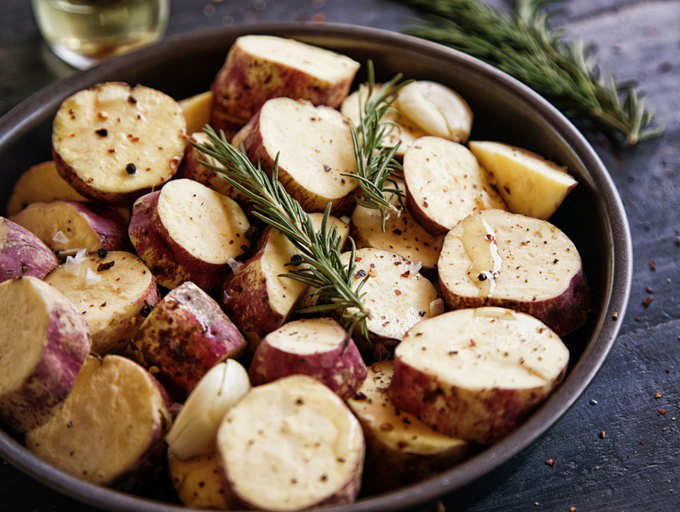
Sweet potatoes are a good source of protein, potassium, magnesium, calcium, vitamin C, vitamin A and vitamin B6. Besides, it also contains antioxidants like beta carotene and chlorogenic acid. The root vegetable can make a perfect mid-meal snack when trying to lose weight. Dietary fiber in it can reduce the level of hunger hormones and promotes satiety, slows down digestion and improves blood sugar level. It also contains resistant starch that keeps you fuller for a longer time, preventing you from overeating and unhealthy munching. For weight loss, one must only have baked or boiled sweet potatoes as they are low in calories.

​Turnips

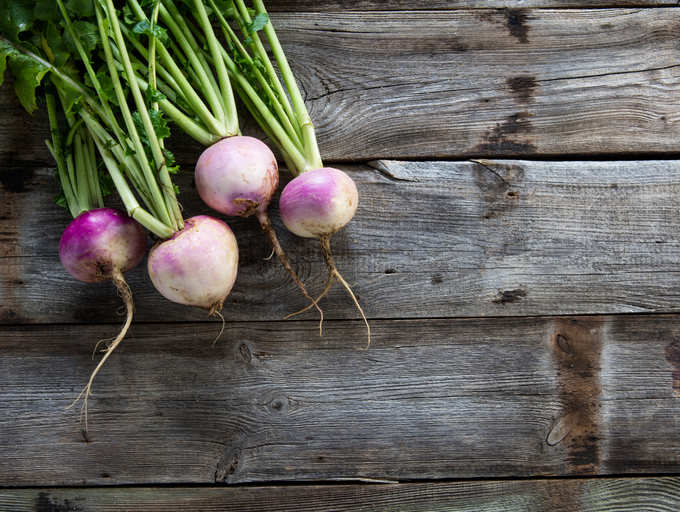
Turnips belong to the cruciferous family, which contains some extremely healthy nutrients. The purple-and-white bulbs are packed with vitamins C and K, folate, potassium, fiber, calcium and cancer-fighting glucosinolates. The fiber content in it can help you feel fuller for longer and keep your blood sugar level in check. They are low in calories and can be easily included in the diet. You can make turnip soup, salad or can just roast them. 

This is only for your information, kindly take the advice of your doctor for medicines, exercises and so on.     

https://gscrochetdesigns.blogspot.com. one can see my crochet creations  
https://gseasyrecipes.blogspot.com. feel free to view for easy, simple and healthy recipes    
https://kneereplacement-stickclub.blogspot.com. for info on knee replacement


Labels: , , , , , , , , , , , , ,

Sunday, April 19, 2020

Top 20 Foods High in Soluble Fiber

Dietary fiber is the carbohydrate in plants that your body cannot digest.

Though it's essential to your gut and overall health, most people don't reach the recommended daily amounts (RDA) of 25 and 38 grams for women and men, respectively.

Both soluble and insoluble fiber help bulk up your stools and can be used as a food source for good bacteria in your large intestine.

Soluble fiber draws water into your gut, which softens your stools and supports regular bowel movements.

It not only helps you feel fuller and reduces constipation but may also lower your cholesterol and blood sugar levels.

Here are 20 healthy foods that are high in soluble fiber.

1. Black Beans

Black beans are not only a great way to give your dishes a meaty texture but also an amazing source of fiber.

One cup (172 grams) packs 15 grams, which is about what an average person consumes per day, or 40–60% of the RDA for adults.

Black beans contain pectin, a form of soluble fiber that becomes gummy-like in water. This can delay stomach emptying and make you feel fuller longer, giving your body more time to absorb nutrients.

Black beans are also rich in protein and iron, low in calories, and almost fat-free.

Soluble fiber content: 5.4 grams per three-quarter cup (129 grams) of cooked black beans.

2. Lima Beans

Lima beans, also known as butter beans, are large, flat, greenish-white beans.

They mainly contain carbs and protein, as well as a little fat.

They're lower in total dietary fiber than black beans, but their soluble fiber content is almost identical. Lima beans also contain the soluble fiber pectin, which is associated with reduced blood sugar spikes after meals.

Raw lima beans are toxic when raw and should be soaked and boiled before you eat them.

Soluble fiber content: 5.3 grams per three-quarter cup (128 grams) of lima beans.

3. Brussels Sprouts

The world may be divided into Brussels sprout lovers and haters, but whatever side you're on, it's undeniable that this vegetable is packed with vitamins and minerals, along with various cancer-fighting agents.

What's more, Brussels sprouts are a great source of fiber, with 4 grams per cup (156 grams).

The soluble fiber in Brussels sprouts can be used to feed beneficial gut bacteria. These produce vitamin K and B vitamins, along with short-chain fatty acids that support your gut lining.

Soluble fiber content: 2 grams per one-half cup (78 grams) of Brussels sprouts.

4. Avocados

Avocados originate from Mexico but have gained popularity worldwide.

Haas avocados are the most common type. They're an excellent source of monounsaturated fats, potassium, vitamin E, and dietary fiber.

One avocado packs 13.5 grams of dietary fiber. However, one serving — or one-third of the fruit — provides about 4.5 grams, 1.4 of which are soluble.

Rich in both soluble and insoluble fiber, avocados really stand out in this regard.

Compared with other popular fiber sources, they contain lower amounts of the antinutrients phytate and oxalate, which can reduce mineral absorption.

Soluble fiber content: 2.1 grams per one-half avocado.

5. Sweet Potatoes

Sweet potatoes are high in potassium, beta carotene, B vitamins, and fiber. Just one medium-sized sweet potato packs over 400% of the Reference Daily Intake (RDI) of vitamin A.

What's more, the average potato contains about 4 grams of fiber, almost half of which is soluble.

Therefore, sweet potatoes can contribute significantly to your total soluble fiber intake.

Soluble fiber may be important for weight management. The more of it you eat, the greater the release of gut-satiety hormones, which may help reduce your overall appetite.

Soluble fiber content: 1.8 grams per one-half cup (150 grams) of cooked sweet potato.

6. Broccoli

Broccoli is a cruciferous vegetable that grows well in cool seasons. It's usually dark green, but you can also find purple varieties.

It's high in vitamin K, which helps your blood clot, and is a good source of folate, potassium, and vitamin C. It also has antioxidant and anticancer properties.

Broccoli is a good source of dietary fiber, with 2.6 grams per 3.5 ounces (100 grams), more than half of which is soluble.

The high amount of soluble fiber in broccoli can support your gut health by feeding the good bacteria in your large intestine. These bacteria produce beneficial short-chain fatty acids, such as butyrate and acetate.

Soluble fiber content: 1.5 grams per one-half cup (92 grams) of cooked broccoli.

7. Turnips

Turnips are root vegetables. Larger varieties are usually fed to livestock, but the smaller types are a great addition to your diet.

The most abundant nutrient in turnips is potassium, followed by calcium and vitamins C and K.

They're also great for upping your fiber intake — 1 cup packs 5 grams of fiber, 3.4 of which are soluble.

Soluble fiber content: 1.7 grams per one-half cup (82 grams) of cooked turnips.

8. Pears

Pears are crisp and refreshing and serve as a decent source of vitamin C, potassium, and various antioxidants.

What's more, they're an excellent source of fiber, with 5.5 grams in one medium-sized fruit. Soluble fiber contributes 29% of the total dietary fiber content of pears, the main form being pectin.

Due to their high fructose and sorbitol contents, pears can sometimes have a laxative effect. If you suffer from irritable bowel syndrome (IBS), you may need to moderate your intake.

Soluble fiber content: 1.5 grams per medium-sized pear.

9. Kidney Beans

Their characteristic shape gave kidney beans their name.

They're a key ingredient in chili con carne and great source of dietary fiber, complex carbs, and protein. They're also almost fat-free and contain some calcium and iron.

Kidney beans are a good source of soluble fiber, particularly pectin.

However, some people find beans hard to digest. If that's the case for you, start increasing your kidney bean intake slowly to avoid bloating.

Soluble fiber content: 3 grams per three-quarter cup (133 grams) of cooked beans.

10. Figs

Figs were one of the first cultivated plants in human history.

They're highly nutritious, containing calcium, magnesium, potassium, B vitamins, and other nutrients.

Both dried and fresh figs are great sources of soluble fiber, which slows the movement of food through your intestines, allowing more time for nutrient absorption.

Based on anecdotal evidence, dried figs have been used as a home remedy to relieve constipation for years. While one study found that fig paste improved bowel movements in constipated dogs, human-based research is lacking.

Soluble fiber content: 1.9 grams per one-fourth cup (37 grams) of dried figs.

11. Nectarines


Nectarines are stone fruits that grow in warm, temperate regions. They're similar to peaches, but don't have the same characteristic fuzzy skin.

They're a good source of B vitamins, potassium, and vitamin E. What's more, they contain various substances with antioxidant properties.

One medium-sized nectarine has 2.4 grams of fiber, more than half of which is soluble.

Soluble fiber content: 1.4 grams per medium-sized nectarine.

12. Apricots

Apricots are small, sweet fruits that range in color from yellow to orange, with the occasional red tinge.

They're low in calories and a good source of vitamins A and C.

Three apricots provide 2.1 grams of fiber, the majority of which is soluble.

In Asia, apricots have been used in folk medicine for years, and it's believed that they can protect people from heart disease.

They may also aid digestion. One study found that mice eating fiber from apricots had higher stool weights than those who received insoluble fiber alone.

Soluble fiber content: 1.4 grams per 3 apricots.

13. Carrots

Carrots are one of the most popular and tasty vegetables on Earth.

Boiled or steamed, carrots are a key ingredient in many recipes, but they can also be grated into salads or used to make desserts like carrot cake.

With good reason, you may have been told as a child to eat carrots to help you see in the dark.

Carrots are packed with beta carotene, some of which is converted into vitamin A. This vitamin supports your eyes and is particularly important for night vision.

One cup (128 grams) of chopped carrots contains 4.6 grams of dietary fiber, 2.4 of which are soluble.

Since many people enjoy this vegetable daily, it can be a key source of soluble fiber.

Soluble fiber content: 2.4 grams per cup (128 grams) of cooked carrots.

14. Apples

Apples are one of the most commonly eaten fruits in the world. Most varieties are quite sweet, but others like Granny Smith can be very sour.

"An apple a day keeps the doctor away" is an old proverb that may have some truth, as eating this fruit is associated with a lower risk of many chronic diseases.

Apples pack various vitamins and minerals and are a good source of the soluble fiber pectin. Apple pectin may have many health benefits, such as a reduced risk of heart disease and improved gut function.

Soluble fiber content: 1 gram per medium-sized apple.

15. Guavas

Guavas are a tropical fruit native to Mexico and Central and South America. Their skin is typically green, while the pulp can range from off-white to deep-pink.

One guava packs 3 grams of dietary fiber, about 30% of which is soluble.

This fruit has been shown to reduce blood sugar, as well as total cholesterol, triglycerides, and LDL (bad) cholesterol levels in healthy people. In part, this may be due to the soluble fiber pectin, which can delay the absorption of sugar.

Soluble fiber content: 1.1 grams per raw guava fruit.

16. Flax Seeds

Flax seeds, also known as linseeds, are tiny brown, yellow, or golden seeds.

They pack a nutritious punch and can be a great way to improve the nutrient content of your smoothies, breads, or cereals.

Sprinkling 1 tablespoon of ground flax seeds over your porridge can add an extra 3.5 grams of fiber and 2 grams of protein to your breakfast. They're also one of the best plant-based sources of omega-3 fats.

If possible, soak ground flax seeds overnight, as this allows their soluble fiber to combine with water to form a gel, which may aid digestion.

Soluble fiber content: 0.6–1.2 grams per tablespoon (14 grams) of whole flax seeds.

17. Sunflower Seeds

Sunflower seeds are a great nutritious snack and often purchased already shelled to reveal the tasty sunflower heart.

They contain about 3 grams of dietary fiber per one-fourth cup, 1 gram of which is soluble. What's more, they're rich in monounsaturated and polyunsaturated fats, protein, magnesium, selenium, and iron.

Soluble fiber content: 1 gram per one-fourth cup (35 grams) of sunflower seeds.

18. Hazelnuts

Hazelnuts are a delicious type of nut that can be eaten raw or roasted for a stronger flavor. They're also often used as an ingredient in chocolate bars and spreads.

One-fourth cup of hazelnuts packs about 3.3 grams of dietary fiber, one-third of which is soluble. Additionally, they're rich in unsaturated fats, vitamin E, thiamine, and iron.

Partly due to their soluble fiber content, hazelnuts may help reduce your risk of heart disease by lowering LDL (bad) cholesterol.

Soluble fiber content: 1.1 grams per one-fourth cup (34 grams) of hazelnuts.

19. Oats

Oats are one of the most versatile and healthy grains around. You can use them to make breakfast cereals, breads, scones, flapjacks, or fruit crumbles.

They contain beta glucan, a form of soluble fiber that's associated with reduced LDL (bad) cholesterol and improved blood sugar control. It's estimated that 3 grams of oat beta glucan per day can reduce your risk of heart disease.

About 1.25 cups (100 grams) of dry oats contain 10 grams of total dietary fiber. This is divided into 5.8 grams of insoluble and 4.2 grams of soluble fiber, 3.6 of which are beta glucan.

Beta glucan is also what gives porridge its characteristic creamy texture.

Soluble fiber content: 1.9 grams per cup (233 grams) of cooked oats.

20. Barley


Some people may associate barley with the brewing industry, but this nutritious ancient grain is also often used to thicken soups, stews, or risottos.

Like oats, it contains about 3.5–5.9% of the soluble fiber beta glucan, which has been shown to reduce your risk of heart disease.

Other forms of soluble fiber in barley are psyllium, pectin, and guar gum.

Soluble fiber content: 0.8 grams per one-half cup (79 grams) of cooked barley.

The Bottom Line

Soluble fiber is great for your gut and overall health, reducing your risk of heart disease by lowering LDL (bad) cholesterol and helping you balance your blood sugar levels.

If you want to increase your soluble fiber intake, it's often best to start slowly and build it up gradually.

It's also a good idea to drink plenty of water. This will help the soluble fiber form a gel, which aids digestion and prevents constipation.

All fruits, vegetables, whole grains, and legumes contain some soluble fiber, but certain foods like Brussels sprouts, avocados, flax seeds, and black beans are the cream of the crop.


This is only for your information, kindly take the advice of your doctor for medicines, exercises and so on.     

https://gscrochetdesigns.blogspot.com. one can see my crochet creations  
https://gseasyrecipes.blogspot.com. feel free to view for easy, simple and healthy recipes    
https://kneereplacement-stickclub.blogspot.com. for info on knee replacement


source- ecowatch.com


Labels: , , , , , , , , , , , , , , , , , , ,

Saturday, December 23, 2017

8 Amazing Health Benefits of Turnips

Like many other cruciferous vegetables, turnips are extremely rich in nutrients and low in calories. Both the root and the leafy greens are nutritious and tasty to eat, but this article will focus mainly on the health benefits of the root. 
 
Below are 8 reasons why you need to start adding turnips to your diet:
 
1. Improves Heart Health
Turnips contain a number of essential nutrients that our bodies need to function properly, such as fiber and potassium. Potassium acts as a vasodilator, helping to decrease the strain on our blood vessels and arteries by lowering blood pressure. This can help prevent the development of atherosclerosis, as well as heart attacks and strokes. Fiber, on the other hand, is great at scraping excess cholesterol from the heart and eliminating it from the body.

2. Aids Digestion
Most of us know that dietary fiber is important in the digestive process. It can help to treat symptoms of diarrhea, constipation, bloating, and cramping. The fiber that is found in turnips helps to bulk up the stool and move it through the gut while promoting more efficient uptake of nutrients so we get the most from our food. 
3. Improves Blood Circulation 
The significant levels of iron found in turnips makes them a great asset if you happen to suffer from a low blood cell count or anemia. Iron is required in the form of RBC, which is needed by the body to repair, oxygenate, and run the body's organ systems. Therefore, more iron in the body means better circulation to every extremity of the body. 
4. Boosts the Immune System 
Ascorbic acid and vitamin C, present in large quantities in turnips, are important boosters for the immune system. Vitamin C stimulates the production of white blood cells and antibodies, in addition to acting as an antioxidant and reducing chronic health issues such as cancer and heart disease. 
 
5. Improves Bone Strength
The calcium present in turnips aids in the growth and repair of bone matter. It's essential in boosting the bone mineral density, especially as we get older and begin to suffer from arthritis and osteoporosis. Therefore, if you want to add some strength and durability to your bones, add turnips to your diet!
6. Prevents Cancer
Aside from vitamin C, turnips contain considerable levels of vitamin E, beta-carotene, and manganese, all of which function as antioxidants. These antioxidants seek out and neutralize free radicals before they can induce cell mutation or spread cancer. 
7. Fight Inflammation 
Turnip greens are packed with beneficial omega-3 fatty acids and vitamin K, which are important if you suffer from any inflammatory conditions. These good fats can decrease inflammation, balance cholesterol levels, and promote overall wellness. Therefore, you should boil down these leaves and enjoy the benefits, especially if you suffer from arthritis, gout, or chronic pain. 
8. Boosts Metabolism
The B family of vitamins is often overlooked, but without them, our enzymatic and hormonal processes would be difficult to control, and all of our bodily functions would be compromised. Turnips give us a healthy dose of vitamin B, ensuring that all of our organ systems are functioning correctly and that our hormone levels are stable. 

THIS IS ONLY FOR INFORMATION, ALWAYS CONSULT YOU PHYSICIAN BEFORE HAVING ANY PARTICULAR FOOD/ MEDICATION/EXERCISE/OTHER REMEDIES.   
 
PS- THOSE INTERESTED IN RECIPES ARE FREE TO VIEW MY BLOG-                      
HTTP:GSEASYRECIPES.BLOGSPOT.COM/
 
FOR INFO ABOUT KNEE REPLACEMENT, YOU CAN VIEW MY BLOG-                                                                       
HTTP://KNEE REPLACEMENT-STICK CLUB.BLOGSPOT.COM/                                                                                                                                                             FOR CROCHET DESIGNS
HTTP://MY CROCHET CREATIONS.BLOGSPOT.COM

Labels: , , , , , , , , ,

Monday, August 03, 2015

Importance Of Magnesium In Your Diet

Magnesium helps you to have a good sleep, relieves pain, lowers risk of diabetes, reduces tinnitus, protects the brain, improves your mood, relieves stress, needed for healthy teeth and bones, aids in proper heart function, reduces asthma attacks, alleviates PMS, reduces muscle tension, keep the immune system healthy, fights depression, helps prevent high blood pressure and muscle twitches like restless leg syndrome and reduces your risk of migraine headaches. Some experts say the mineral may also play an important role in preventing Alzheimer's disease and colon cancer.


Magnesium rich foods- Spinach, Swiss Chard, turnip, beetroot, pumpkin seeds, sesame seeds, sunflower seeds, cashew nuts, almonds, soy products, tofu, cocoa, quinoa, squashes, broccoli, Brussel sprouts, raspberries, cantaloupe, strawberries, beans.

THIS IS ONLY FOR INFORMATION, ALWAYS CONSULT YOU PHYSICIAN BEFORE HAVING ANY PARTICULAR FOOD/ MEDICATION/EXERCISE/OTHER REMEDIES.


PS- THOSE INTERESTED IN RECIPES ARE FREE TO VIEW MY BLOG-
HTTP:GSEASYRECIPES.BLOGSPOT.COM


FOR INFO ABOUT KNEE REPLACEMENT, YOU CAN VIEW MY BLOG
HTTP://KNEE REPLACEMENT-STICK CLUB.BLOGSPOT.COM/

FOR CROCHET DESIGNS- http://My Crochet Creations.blogspot.com/

Labels: , , , , , , , , , , , , , , , ,