Friday, May 07, 2021

15 Common ‘Healthy’ Foods That Can Be Toxic to Humans

When it comes to nutrition, nothing is black and white, and eating too much or too little of something can have health-threatening results. Take vitamins: both a vitamin deficiency and overdose can often lead to health problems. For example, vitamin B3 deficiency causes pellagra, a potentially life-threatening condition manifesting in dermatitis, fatigue, memory loss and digestive issues. Vitamin B3 hypervitaminosis, on the other hand, can cause severe liver damage. 
 
However, it isn't always the quantity of a certain nutrient or food that's to blame for its harmful effects. In fact, sometimes it's the improper use that's responsible. When it comes to some of these foods, most of which are nuts, fruit and vegetables that are largely considered healthy, simply eating them incorrectly can prove to be devastating to your health. 
 
1. Green Potatoes
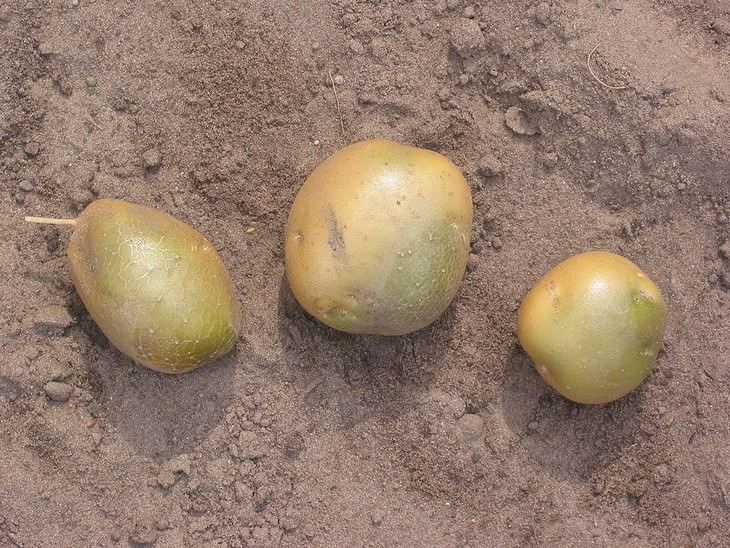
healthy foods that can be toxic Green Potatoes
 The humble, delicious and nutritious potato can turn into your worst enemy. Few people know this, but the actual plant that produces potatoes is full of solanine and chaconine, both of which are poisonous substances the plant uses to protect itself from insects and parasites. 
 
Typically, potato tubers are free of these substances, but in some cases, especially when exposed to prolonged sunlight, potatoes, too, can build up solanine. The telltale signs of potatoes containing the poison are: 
 
when the potato turns green 
 
a bitter taste. ​
 
Eating just a few of these green potatoes can make you develop toxic symptoms, such as vomiting, diarrhea, headaches, hallucinations, inflammation in the joints, cardiac dysrhythmia, thyroid issues, and other symptoms. Just 3-6 mg of solanine per kilogram of body weight can be deadly, so stay away from green or bitter-tasting potatoes. 
 
2. Cherry Pits, Apple Seeds, and Peach Stones
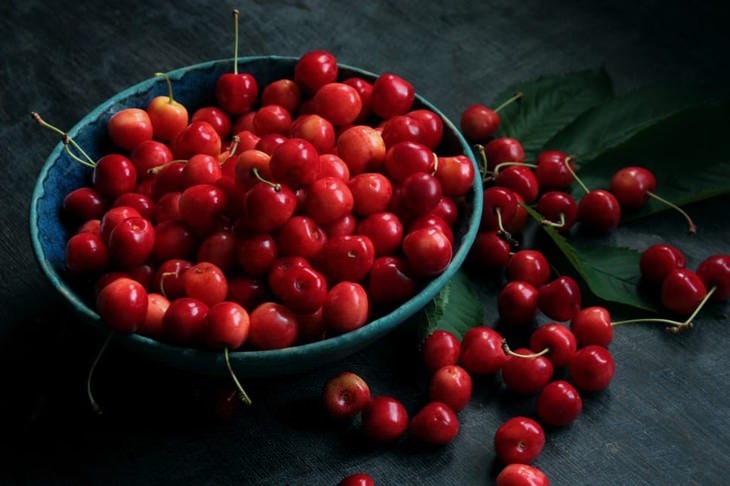
healthy foods that can be toxic cherries
Cherries, apples, peaches, and apricots are definitely among the most popular fruits out there, period. They're all juicy, sweet, and ridiculously easy to eat. But did you know that the seeds of all of these fruits are packed with prussic acid, also known as cyanide? The concentration of the potentially deadly poison varies significantly depending on the fruit, but only one cherry pit has been estimated to contain 0.17 grams of cyanide, which could be enough to kill a person.
 
Luckily, all of these fruits hide their poisonous insides deep within a hard shell, so there's generally no danger of you even ingesting an apple seed or cherry pit because your digestive system won't be able to dissolve the protective coating of the seed, given that you haven't bitten through it, that is. Still, we just wouldn't recommend risking it.

3. Bitter Almonds
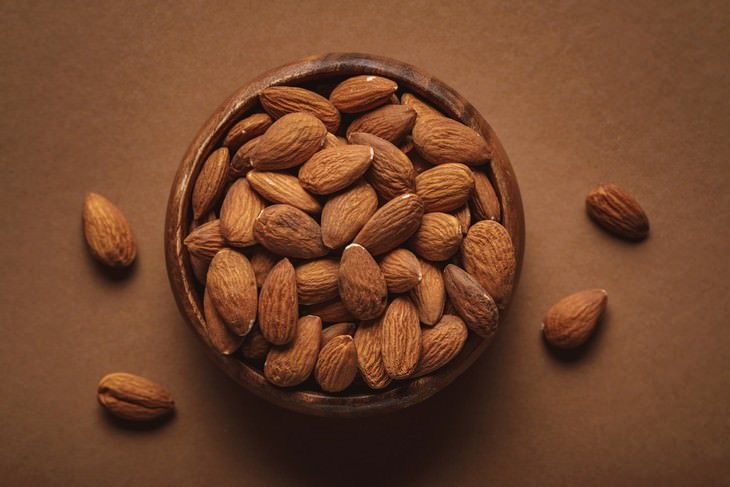
healthy foods that can be toxic almonds in a bowl
Almonds are among the healthiest of nuts, but even they can be not so beneficial to your body, especially if you choose the wrong kind. This is because all almonds contain a precursor to cyanide called amygdalin, which can then be converted into the poison in your body. 
 
Both sweet and bitter almonds contain amygdalin, but it's the bitter variety that has a significantly higher quantity of the poisonous substance and can cause diarrhea, nausea and stomach cramps, especially if they are raw. Heat treatment removes all the toxins from sweet almonds, so they're safe to eat. 
 
4. Forest Mushrooms
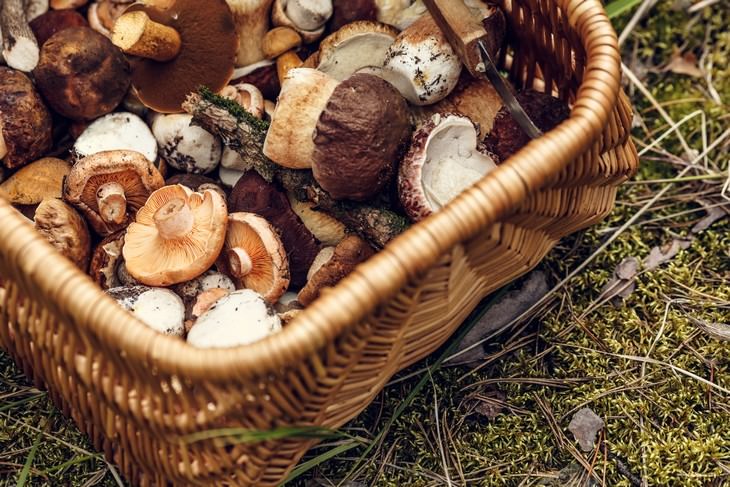
healthy foods that can be toxic Forest Mushrooms in a basket
It doesn't get better than a fresh homemade pizza with mushrooms, but be careful of which ones you use, as certain mushroom varieties can be deadly. As a matter of fact, there is only a handful of edible mushroom species. So, if you happen to go mushroom picking or buy fresh forest mushrooms, know very well which kinds of mushrooms are safe to eat and stay away from the rest.

healthy foods that can be toxic Forest Mushrooms in a basket
The most dangerous mushroom varieties are the death cap (Amanita phalloides) and the destroying angel (Amanita virosa), pictured above. Eating any of these wild mushrooms will produce symptoms like diarrhea, intense thirst, abdominal pain, vomiting, liver failure, coma, and even death.

5. Shellfish
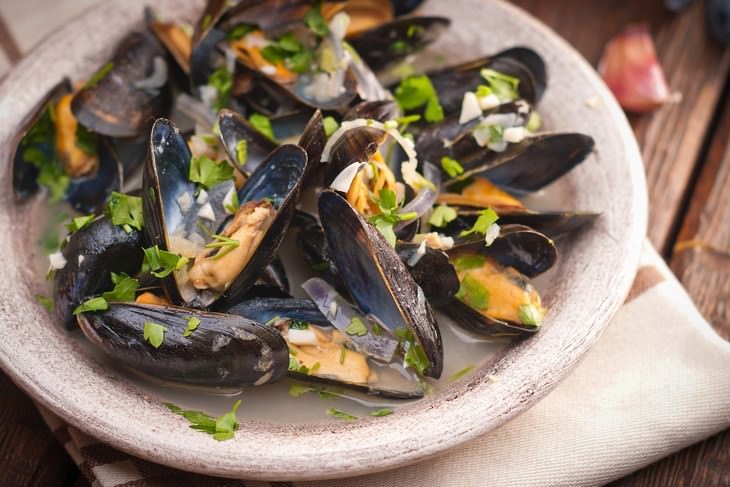
healthy foods that can be toxic mussels on a plate
Shellfish are an exceptional source of protein and other beneficial nutrients, but unfortunately, it's not as safe to eat as fish, particularly when consumed raw. Even fresh seafood can absorb potentially harmful bacteria and viruses from the surrounding waters and cause serious digestive distress. 
 
Apart from that, shellfish are notorious for absorbing high quantities of toxic heavy metals from the sea, such as mercury or cadmium, which ultimately build up in the human body and can cause toxic symptoms and even heavy metal poisoning, so it's best not to eat shellfish too often, even when cooked through thoroughly. 
 
6. Raw Kidney Beans
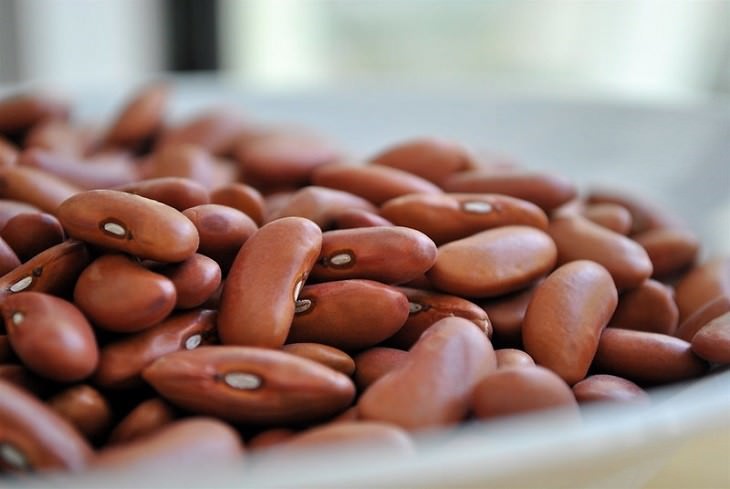
healthy foods that can be toxic Raw dried Kidney Beans

Kidney beans are a great source of plant-based protein and iron, if you eat them right, that is. Non cooked beans can induce bad stomach cramps, vomiting, and diarrhea. That's why you should always cook your beans well before eating them, as the cooking process neutralizes the toxic proteins called lectins raw beans contain. 
 
Raw kidney beans are the most saturated in lectins, but all beans have them. Eating just 4-5 kidney beans is typically enough to produce the above-mentioned symptoms, so make sure to eat your beans cooked.
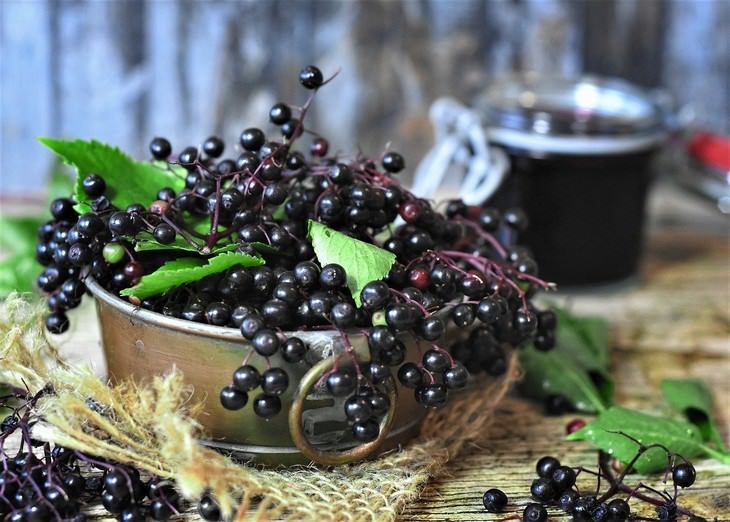
7. Fresh Elderberries
healthy foods that can be toxic Elderberries
Elderberry syrup or jam is a popular treat. It has known immune-boosting properties and it can be used to treat cold and flu symptoms, as well as relieve constipation. 
 
However, eating just a few elderberries raw can have adverse effects on your health, as the berries contain cyanide and lectin. Even in small doses, these compounds induce digestive symptoms, such as nausea, diarrhea, and vomiting.

8. Raw Cashews
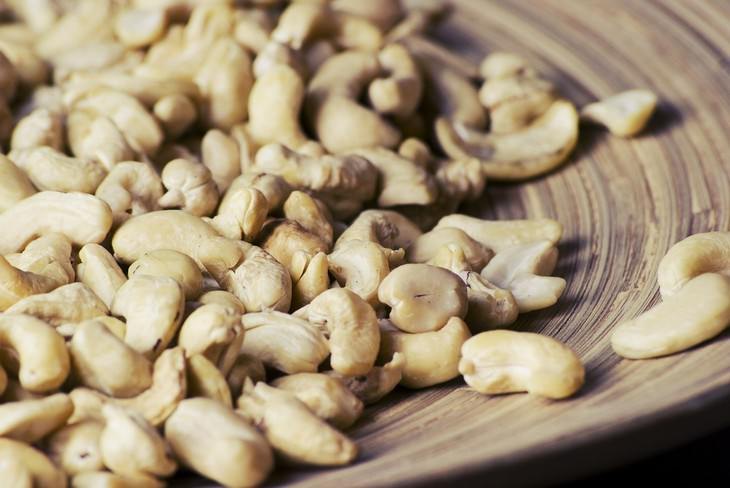
healthy foods that can be toxic raw cashews
The cashews labeled as 'raw' you buy in stores aren’t actually raw at all, but if you happen to have access to real raw cashews, don't eat them. This is because all so-called raw cashews actually undergo a streaming process before they are packaged and shipped to stores, otherwise the nuts are actually toxic. 
 
If not done so, cashews will contain a chemical called urushiol, which is the same allergen that's in poison ivy. Thus, eating truly raw cashews is extremely likely to cause a severe, potentially life-threatening allergic reaction. 
 
9. Nutmeg
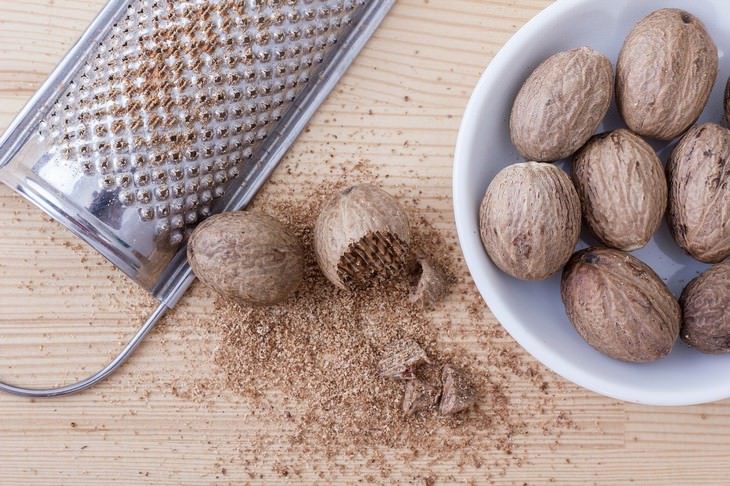
healthy foods that can be toxic nutmeg being grated using a grater
Nutmeg is a popular spice used both in sweet and savory dishes, as it imparts a pleasant nutty flavor to any recipe. Most recipes require no more than a teaspoon of the spice, and for good reason, as higher doses of nutmeg will make you regret using it for good. As a matter of fact, only 2 teaspoons of nutmeg powder can be toxic. 
 
This is because the spice contains myristicin, a compound that messes with your brain and causes adverse symptoms like dizziness, confusion, drowsiness, hallucinations, and even seizures.  
 
10. Alfalfa Sprouts
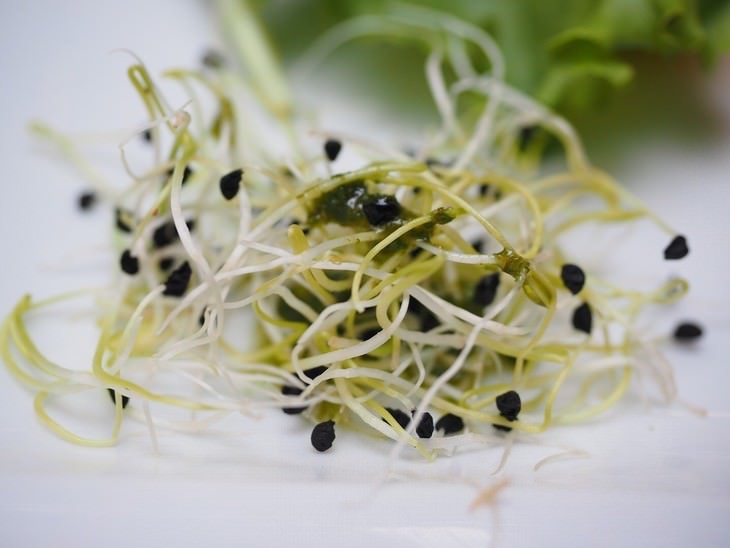
healthy foods that can be toxic  Alfalfa Sprouts
Alfalfa sprouts are typically grown in a warm, wet environment, which just so happens to be the optimal conditions for bacterial growth as well. So, it's no surprise that the sprouts are a common culprit behind foodborne illness outbreaks. 
 
In fact, during the past 20 years, alfalfa sprouts have been responsible for thirty of such outbreaks, which included such dangerous pathogens as salmonella and E. coli. That's why we highly recommend boiling or otherwise exposing the sprouts to high heat before including them into your meal, even if you grow the sprouts at home. 
 
11. Rhubarb Leaves
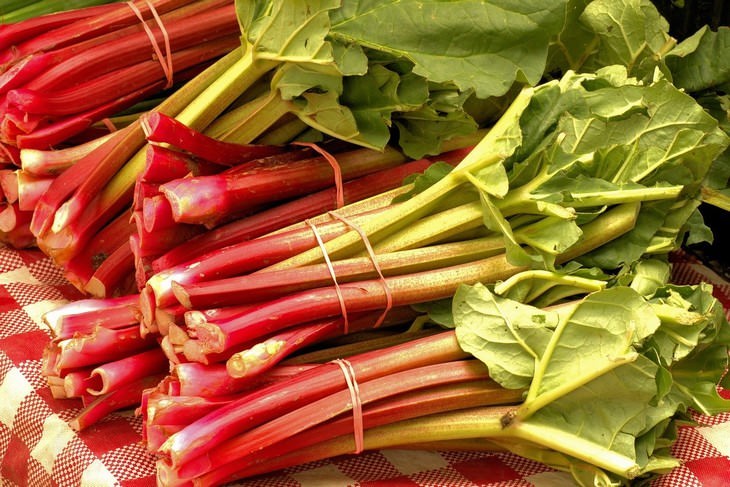
healthy foods that can be toxic Rhubarb
Rhubarb stalks are an excellent ingredient for compotes and desserts, but you have to know very well how to utilize them to stay safe. Before using the rhubarb, clean away all the leaves and throw them out, as the leaves contain a potentially deadly compound called oxalic acid. 
 
Admittedly, one would have to eat a lot of rhubarb leaves, approximately 5 kg (11 lb), to die as a result, but even smaller amounts of the leaves can make you experience unpleasant symptoms, such as vomiting, diarrhea, breathing difficulties and burning in the mouth. 
 
Consuming the leaves also makes you prone to kidney stones and abnormal blood clotting, as the poisonous substance binds to the calcium present in your body and causes a calcium deficiency, which then manifests itself in the above-mentioned symptoms. 
 
12. Mango
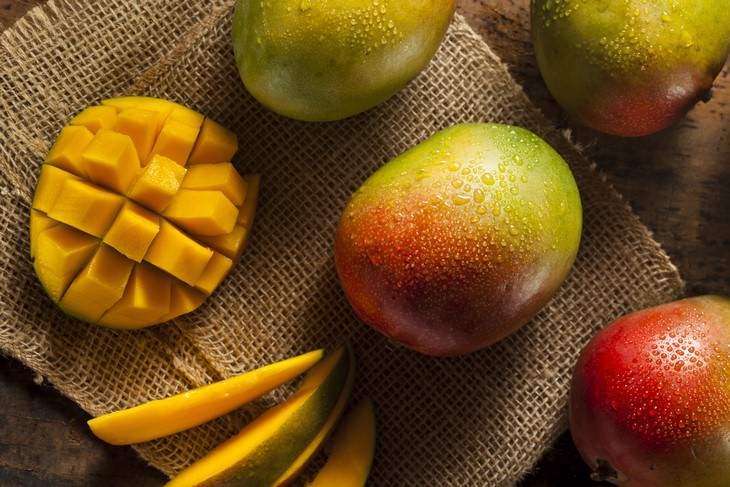
healthy foods that can be toxic mango cut up and whole
Like cashews and poison ivy, the leaves and bark of mango trees, as well as the skin of mango fruit are full of urushiol. That's why people who just happen to bite into a mango or eat a piece of the skin often experience skin rashes and swelling, or even problems breathing. 
 
The severity of your symptoms will depend on how allergic you are to urushiol, but it's best to just stay away from the bitter mango skin altogether and enjoy the sweat and juicy pulp of the fruit instead. 
 
13. Broccoli
healthy foods that can be toxic broccoli
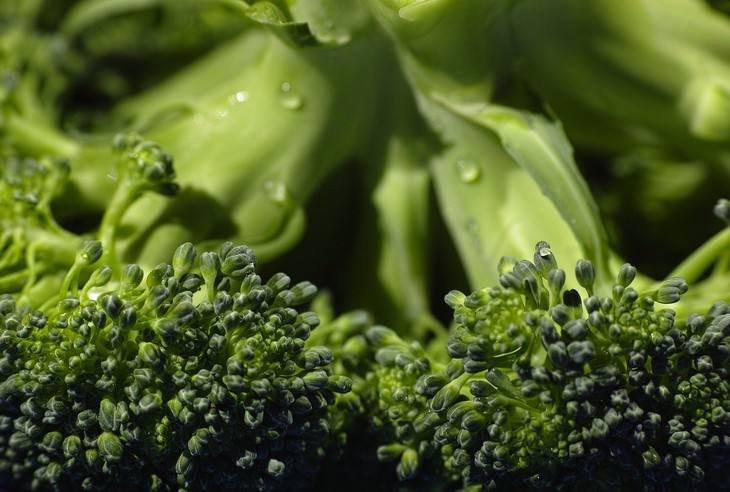
Didn't expect to see broccoli on this list, did you? Neither did we before we started researching for this article, but it turns out that even this superfood has its drawbacks if you eat it too much and too often. To prevent this from happening, simply switch out broccoli with other veggies from time to time, such as carrots or peppers in your salad or any other dish, especially if you have a history of thyroid issues. 
 
This is because broccoli contains compounds called thiocyanates, which prevent your body from absorbing adequate amounts of iodine. If this happens constantly, it may lead to an underactive thyroid - hypothyroidism, a chronic issue that manifests itself in sudden weight gain, hair thinning, constipation, depression, and other symptoms.

14. Kimchi
healthy foods that can be toxic Kimchi
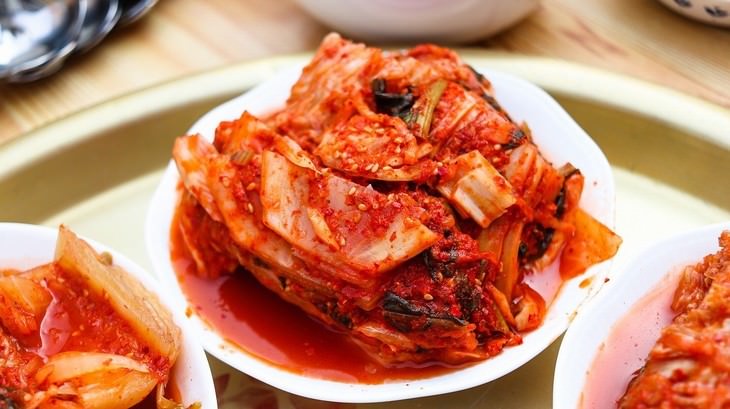
Kimchi is among the healthiest fermented foods, with this Korean cabbage being capable of doing wonders for your digestive health, weight loss, aging and even prevent cancer. Still, even this wonder food has a dark side, believe it or not.

Namely, it's typically very high in sodium, with only 1 serving containing, on average, about a third of your allowed daily sodium intake. Higher than normal sodium intake, in turn, can really affect your heart and cardiovascular health in particular. However, in moderation, this fermented delight will share its health benefits with you without affecting your health, so make sure to eat no more than 1 serving of kimchi daily and you're golden. 
 
15. Brown Rice

Brown rice is healthier than white rice and widely available, but it, too, can be disappointingly dangerous. This has nothing to do with the rice itself, but rather with the way it is grown. More specifically, rice is among those rare foods that are the most likely to absorb inorganic arsenic from the water and soil it's grown in, and because brown rice is less processed than white rice, it generally contains more of the toxic element. 
 
Not all brown rice is polluted with arsenic, but in many corners of the Earth, the water supply is packed with the dangerous poison, which seeps into the rice as it's grown. Inorganic arsenic is one of the most toxic elements known, with long-term use being recognized to contribute to the development of various cancers, type 2 diabetes, and cardiovascular problems. 
 
To minimize your exposure to arsenic, rinse your rice thoroughly several times before cooking and cook in plenty of water, subsequently draining the cooked rice. This will wash out up to 57% of the arsenic. You can also opt for white rice instead of brown, possibly from the Himalayan region (North India and Pakistan, Nepal), countries known to have less arsenic water pollution

This is only for your information, kindly take the advice of your doctor for medicines, exercises and so on.     

https://gscrochetdesigns.blogspot.com. one can see my crochet creations  
https://gseasyrecipes.blogspot.com. feel free to view for easy, simple and healthy recipes    
https://kneereplacement-stickclub.blogspot.com. for info on knee replacement

Labels: , , , , , , , , , , , , , , , ,

Thursday, January 23, 2020

Cherry concentrate not effective for treatment of gout flares

Cherry concentrate, which has been suggested to reduce serum urate (SU) and gout flares, was found to have no impact on gout flares over a 28-day period in a recent study. 

According to the study, published in the journal Rheumatology, tart cherry concentrate had no effect on urine urate excretion or SU. Even if there is an impact of cherry concentrate on gout flares over a longer period of time, it is not likely to be mediated by a reduction in SU.


Gout is a metabolic disorder characterized by increased uric acid in the blood and the deposition of amorphous urate crystals that cause a vigorous inflammatory reaction in the joints, kidneys, and soft tissues. It is characterized by sudden, severe attacks of pain, swelling, redness, and tenderness in the joints, often the joint at the base of the big toe. Gout symptoms may come and go, but there are ways to manage symptoms and prevent flares. Urate-lowering therapy is part of gout management,
Lisa K Stamp, Department of Medicine, University of Otago, Christchurch, and colleagues aimed to determine the impact of tart cherry concentrate on SU in gout patients, the most effective dose of tart cherry concentrate for SU lowering, and adverse effects. 


For the purpose, the researchers recruited 50 people with gout and SU > 0.36 mmol/l. Half were on allopurinol and half were on no urate-lowering therapy. They were randomized to receive one of four doses of tart cherry juice concentrate (7.5 mL, 15 mL, 22.5 mL, or 30 mL) or a placebo twice daily for 28 days.


Key findings of the study include:


Cherry concentrate dose had no significant effect on reduction in SU area under the curve, urine urate excretion, change in urinary anthocyanin between day 0 and day 28, or frequency of gout flares over the 28-day study period.


 There were 24 reported adverse events, with only one (hyperglycemia) considered possibly to be related to cherry concentrate. 


Allopurinol use did not modify the effect of the cherry on SU or urine urate excretion. 


"The results suggest that tart cherry concentrate has no effect on serum urate concentration or urinary urate excretion, which makes it unlikely to be useful in reducing gout flares," concluded the authors.
 The study, "Lack of effect of tart cherry concentrate dose on serum urate in people with gout," is published in the journal Rheumatology.

This is only for your information, kindly take the advice of your doctor for medicines, exercises and so on.     
https://gscrochetdesigns.blogspot.com. one can see my crochet creations  
https://gseasyrecipes.blogspot.com. feel free to view for easy, simple and healthy recipes    
https://kneereplacement-stickclub.blogspot.com. for info on knee replacement


Labels: , , , , , , ,

Thursday, January 16, 2020

15 Common ‘Healthy’ Foods That Can Be Toxic to Humans

When it comes to nutrition, nothing is black and white, and eating too much or too little of something can have health-threatening results. Take vitamins: both a vitamin deficiency and overdose can often lead to health problems. For example, vitamin B3 deficiency causes pellagra, a potentially life-threatening condition manifesting in dermatitis, fatigue, memory loss and digestive issues. Vitamin B3 hypervitaminosis, on the other hand, can cause severe liver damage.
However, it isn't always the quantity of a certain nutrient or food that's to blame for its harmful effects. In fact, sometimes it's the improper use that's responsible. When it comes to some of these foods, most of which are nuts, fruit and vegetables that are largely considered healthy, simply eating them incorrectly can prove to be devastating to your health.
1. Green Potatoes
The humble, delicious and nutritious potato can turn into your worst enemy. Few people know this, but the actual plant that produces potatoes is full of solanine and chaconine, both of which are poisonous substances the plant uses to protect itself from insects and parasites.
Typically, potato tubers are free of these substances, but in some cases, especially when exposed to prolonged sunlight, potatoes, too, can build up solanine. The telltale signs of potatoes containing the poison are:
 when the potato turns green
 a bitter taste. 
​Eating just a few of these green potatoes can make you develop toxic symptoms, such as vomiting, diarrhea, headaches, hallucinations, inflammation in the joints, cardiac dysrhythmia, thyroid issues, and other symptoms. Just 3-6 mg of solanine per kilogram of body weight can be deadly, so stay away from green or bitter-tasting potatoes.


2. Cherry Pits, Apple Seeds, and Peach Stones
Cherries, apples, peaches, and apricots are definitely among the most popular fruits out there, period. They're all juicy, sweet, and ridiculously easy to eat. But did you know that the seeds of all of these fruits are packed with prussic acid, also known as cyanide? The concentration of the potentially deadly poison varies significantly depending on the fruit, but only one cherry pit has been estimated to contain 0.17 grams of cyanide, which could be enough to kill a person.


Luckily, all of these fruits hide their poisonous insides deep within a hard shell, so there's generally no danger of you even ingesting an apple seed or cherry pit because your digestive system won't be able to dissolve the protective coating of the seed, given that you haven't bitten through it, that is. Still, we just wouldn't recommend risking it.


3. Bitter Almonds
Almonds are among the healthiest of nuts, but even they can be not so beneficial to your body, especially if you choose the wrong kind. This is because all almonds contain a precursor to cyanide called amygdalin, which can then be converted into the poison in your body.


Both sweet and bitter almonds contain amygdalin, but it's the bitter variety that has a significantly higher quantity of the poisonous substance and can cause diarrhea, nausea and stomach cramps, especially if they are raw. Heat treatment removes all the toxins from sweet almonds, so they're safe to eat.


4. Forest Mushrooms
It doesn't get better than a fresh homemade pizza with mushrooms, but be careful of which ones you use, as certain mushroom varieties can be deadly. As a matter of fact, there is only a handful of edible mushroom species. So, if you happen to go mushroom picking or buy fresh forest mushrooms, know very well which kinds of mushrooms are safe to eat and stay away from the rest.

The most dangerous mushroom varieties are the death cap (Amanita phalloides) and the destroying angel (Amanita virosa). Eating any of these wild mushrooms will produce symptoms like diarrhea, intense thirst, abdominal pain, vomiting, liver failure, coma, and even death.


5. Shellfish
Shellfish are an exceptional source of protein and other beneficial nutrients, but unfortunately, it's not as safe to eat as fish, particularly when consumed raw. Even fresh seafood can absorb potentially harmful bacteria and viruses from the surrounding waters and cause serious digestive distress.


Apart from that, shellfish are notorious for absorbing high quantities of toxic heavy metals from the sea, such as mercury or cadmium, which ultimately build up in the human body and can cause toxic symptoms and even heavy metal poisoning, so it's best not to eat shellfish too often, even when cooked through thoroughly.


6. Raw Kidney Beans
Kidney beans are a great source of plant-based protein and iron, if you eat them right, that is. Non cooked beans can induce bad stomach cramps, vomiting, and diarrhea. That's why you should always cook your beans well before eating them, as the cooking process neutralizes the toxic proteins called lectins raw beans contain.


Raw kidney beans are the most saturated in lectins, but all beans have them. Eating just 4-5 kidney beans is typically enough to produce the above-mentioned symptoms, so make sure to eat your beans cooked.


7. Fresh Elderberries
Elderberry syrup or jam is a popular treat. It has known immune-boosting properties and it can be used to treat cold and flu symptoms, as well as relieve constipation.


However, eating just a few elderberries raw can have adverse effects on your health, as the berries contain cyanide and lectin. Even in small doses, these compounds induce digestive symptoms, such as nausea, diarrhea, and vomiting


8. Raw Cashews
The cashews labeled as 'raw' you buy in stores aren’t actually raw at all, but if you happen to have access to real raw cashews, don't eat them. This is because all so-called raw cashews actually undergo a streaming process before they are packaged and shipped to stores, otherwise the nuts are actually toxic.


If not done so, cashews will contain a chemical called urushiol, which is the same allergen that's in poison ivy. Thus, eating truly raw cashews is extremely likely to cause a severe, potentially life-threatening allergic reaction.


9. Nutmeg
Nutmeg is a popular spice used both in sweet and savory dishes, as it imparts a pleasant nutty flavor to any recipe. Most recipes require no more than a teaspoon of the spice, and for good reason, as higher doses of nutmeg will make you regret using it for good. As a matter of fact, only 2 teaspoons of nutmeg powder can be toxic.


This is because the spice contains myristicin, a compound that messes with your brain and causes adverse symptoms like dizziness, confusion, drowsiness, hallucinations, and even seizures.


10. Alfalfa Sprouts

Alfalfa sprouts are typically grown in a warm, wet environment, which just so happens to be the optimal conditions for bacterial growth as well. So, it's no surprise that the sprouts are a common culprit behind food-borne illness outbreaks.


In fact, during the past 20 years, alfalfa sprouts have been responsible for thirty of such outbreaks, which included such dangerous pathogens as salmonella and E. coli. That's why we highly recommend boiling or otherwise exposing the sprouts to high heat before including them into your meal, even if you grow the sprouts at home.


11. Rhubarb Leaves

Rhubarb stalks are an excellent ingredient for compotes and desserts, but you have to know very well how to utilize them to stay safe. Before using the rhubarb, clean away all the leaves and throw them out, as the leaves contain a potentially deadly compound called oxalic acid.


Admittedly, one would have to eat a lot of rhubarb leaves, approximately 5 kg (11 lb), to die as a result, but even smaller amounts of the leaves can make you experience unpleasant symptoms, such as vomiting, diarrhea, breathing difficulties and burning in the mouth.


Consuming the leaves also makes you prone to kidney stones and abnormal blood clotting, as the poisonous substance binds to the calcium present in your body and causes a calcium deficiency, which then manifests itself in the above-mentioned symptoms. 


12. Mango
Like cashews and poison ivy, the leaves and bark of mango trees, as well as the skin of mango fruit are full of urushiol. That's why people who just happen to bite into a mango or eat a piece of the skin often experience skin rashes and swelling, or even problems breathing.


The severity of your symptoms will depend on how allergic you are to urushiol, but it's best to just stay away from the bitter mango skin altogether and enjoy the sweat and juicy pulp of the fruit instead. 


13. Broccoli
Didn't expect to see broccoli on this list, did you? Neither did we before we started researching for this article, but it turns out that even this superfood has its drawbacks if you eat it too much and too often. To prevent this from happening, simply switch out broccoli with other veggies from time to time, such as carrots or peppers in your salad or any other dish, especially if you have a history of thyroid issues.


This is because broccoli contains compounds called thiocyanates, which prevent your body from absorbing adequate amounts of iodine. If this happens constantly, it may lead to an underactive thyroid - hypothyroidism, a chronic issue that manifests itself in sudden weight gain, hair thinning, constipation, depression, and other symptoms.


14. Kimchi
Kimchi is among the healthiest fermented foods, with this Korean cabbage being capable of doing wonders for your digestive health, weight loss, aging and even prevent cancer. Still, even this wonder food has a dark side, believe it or not.


Namely, it's typically very high in sodium, with only 1 serving containing, on average, about a third of your allowed daily sodium intake. Higher than normal sodium intake, in turn, can really affect your heart and cardiovascular health in particular. However, in moderation, this fermented delight will share its health benefits with you without affecting your health, so make sure to eat no more than 1 serving of kimchi daily and you're golden.


15. Brown Rice
Brown rice is healthier than white rice and widely available, but it, too, can be disappointingly dangerous. This has nothing to do with the rice itself, but rather with the way it is grown. More specifically, rice is among those rare foods that are the most likely to absorb inorganic arsenic from the water and soil it's grown in, and because brown rice is less processed than white rice, it generally contains more of the toxic element.


Not all brown rice is polluted with arsenic, but in many corners of the Earth, the water supply is packed with the dangerous poison, which seeps into the rice as it's grown. Inorganic arsenic is one of the most toxic elements known, with long-term use being recognized to contribute to the development of various cancers, type 2 diabetes, and cardiovascular problems.


To minimize your exposure to arsenic, rinse your rice thoroughly several times before cooking and cook in plenty of water, subsequently draining the cooked rice. This will wash out up to 57% of the arsenic. You can also opt for white rice instead of brown, possibly from the Himalayan region (North India and Pakistan, Nepal), countries known to have less arsenic water pollution.


This is only for your information, kindly take the advice of your doctor for medicines, exercises and so on.     
https://gscrochetdesigns.blogspot.com. one can see my crochet creations  
https://gseasyrecipes.blogspot.com. feel free to view for easy, simple and healthy recipes    
https://kneereplacement-stickclub.blogspot.com. for info on knee replacement
 

Labels: , , , , , , , , , , , , , , , , ,

Saturday, July 20, 2019

The Mineral Content of 47 Major Fruits and Vegetables

Fruits and vegetables are always said in all diets to be the best and most healthy too. They provide us micro-nutrients, complex carbs and fiber. It is said that if one wishes to lose weight, then the amount of veges and fruits that you consume should be more than carbs. Honestly, I love to eat loads of fruits, if given a bowl of fruits, I can finish it by myself, it also makes one give up the cravings for sweets. These extremely common plants have quite the inner beauty and are packed to the brim with a wide variety of vitamins and minerals. The best part of fruits is that we don't need to cook, can just wash and eat most of them, to eat a banana, one doesn't even need to knife, just peel and start devouring its goodness. Even the peels of fruits and at times the whole fruit is used in facial packs, peels are grated and used in desserts to enhance its flavour. So from Calcium to Zinc, and from Apples to Zucchinis, this is what most of the fruits and vegetables out there really have inside. 

1. Apple
Apples are extremely healthy and as the saying goes, an apple a day can keep not just the doctor away, even the dentist away now they say!
There are a number of different apples, that come in sweet and sour flavors. Regardless of the type, however, the mineral content remains the following: 
Calcium: 3mg/100 grams
Copper: minor amounts
Iron: 0.1 mg/100 grams
Magnesium: 3 mg/100 grams
Manganese: minor amounts
Phosphorus: 9.5 mg/100 grams
Potassium: 129 mg/100 grams
Selenium: 0.4 mg/100 grams
Sodium: 1 mg/100 grams
Zinc: minor amounts
  

2. Apricots

This juicy and sweet fruit has a big pit in the middle, and it's rich in Vitamins A and C. An apricot also contains the following minerals:
Calcium: 20 mg/100 grams
Iron: 0.8 mg/100 grams
Magnesium: 12 mg/100 grams
Potassium: 283 mg/100 grams 

3. Artichoke
Artichoke, health, family and parenting, fruits and vegetables, nutrients, minerals, vitamins, calcium,Artichokes are great for the liver, digestive tract and can even help reduce inflammation throughout the body. The leaf, stem and root are also extremely healthy and is often used to make plant extracts. The plant itself contains the following minerals:
Calcium: 53 mg/100 grams
Copper: minor amounts
Iron: 1.5 mg/100 grams
Magnesium: 22 mg/100 grams
Manganese: minor amounts
Phosphorus: 103 mg/100 grams
Potassium: 353 mg/100 grams
Selenium: minor amounts
Sodium: 47 mg/ 100 grams
Zinc: minor amounts    

4. Asparagus

Asparagus is an incredibly great vegetable for your body and can be enjoyed in a number of different ways. It’s best known for being an aphrodisiac and can cleanse the urinary tract. Consumption of asparagus can help neutralize excessive amounts of ammonia in the urine, which is usually responsible for a lowered libido and even fatigue. Asparagus contains:  
Calcium: 15 mg/100 grams
Copper: minor amounts
Iron: 0.6 mg/100 grams
Magnesium: 10 mg/100 grams
Manganese: minor amounts
Phosphorus: 48.5 mg/100 grams
Potassium: 200 mg/100 grams
Selenium: minor amounts
Sodium: 200 mg/ 100 grams
Zinc: minor amounts    

5. Avocado

Avocado is a delicious treat for anyone dieting, as it is high in a particular type of fat that helps reduce cholesterol. Acocados can be prepared in a number of ways, and they are also low in sugar and high in Vitamins B, C, and E. 
Calcium: 15 mg/100 grams
Copper: minor amounts
Iron: 0.7 mg/100 grams
Magnesium: 29 mg/100 grams
Manganese: minor amounts
Phosphorus: 82 mg/100 grams
Potassium: 377 mg/100 grams
Selenium: minor amounts
Sodium: 3 mg/ 100 grams
Zinc: minor amounts    

6. Bananas

Bananas is great as a snack and keeps you strong, now wonder you see athletes having it in between their games. It contains immense amounts of potassium, but also significant quantities of other important minerals, which include:  
Calcium: 5 mg/100 grams
Copper: minor amounts
Iron: 0.4 mg/100 grams
Magnesium: 29 mg/100 grams
Manganese: minor amounts
Phosphorus: 27 mg/100 grams
Potassium: 358 mg/100 grams
Selenium: 1.3 mg/100 grams
Sodium: 2 mg/ 100 grams
Zinc: minor amounts    

7. Blackberries
Blackberries are not only sweet and sour deliciousness but also incredibly good for you. It can help improve your brain function, reduce inflammation, and make your skin healthier. It can also be great for your heart and for women's menstrual health. It contains the following important minerals:
Calcium: 30 mg/100 grams
Copper: minor amounts
Iron: 1 mg/100 grams
Magnesium: 17 mg/100 grams
Manganese: 2 mg/ 100 grams
Phosphorus: 30 mg/100 grams
Potassium: 175 mg/100 grams
Selenium: 1 mg/100 grams
Sodium: 2 mg/ 100 grams
Zinc: 0.4 mg/100 grams    

8. Broccoli
This vegetable is a member of the cabbage family, which has a large flowering head and a stalk. It's great for the colon, the bladder and is full of Vitamins A,C and E, which helps to improve skin and boost your immunity. It is aided in this venture by the following:

Calcium: 100 mg/100 grams

Copper: minor amounts
Iron: 1.5 mg/100 grams
Magnesium: 18 mg/100 grams
Manganese: minor amounts
Phosphorus: 46 mg/100 grams
Potassium: 340 mg/100 grams
Selenium: minor amounts
Sodium: 12 mg/ 100 grams
Zinc: minor amounts    

9. Brussels Sprouts

Here is yet another Cruciferous vegetable, a member of the mustard family, and the relatedness to cabbage is not surprising, as it looks like a miniature cabbage and is closely related to kale. It is high in Vitamins A, C, and K, which helps bone growth and also contains large amounts of fiber along with the following minerals: 
Calcium: 30 mg/100 grams
Iron: 0.6 mg/100 grams
Magnesium: 20 mg/100 grams
Potassium: 382 mg/100 grams
Sodium: 3 mg/ 100 grams

10. Cabbage
This cruciferous vegetable can give you increased health, and help reduce the risk of heart disease, obesity, and other similar issues. Thanks to the following minerals, cabbage is also great for boosting immunity and strengthening the digestive tract. 
Calcium: 75 mg/100 grams
Copper: minor amounts
Iron: 1 mg/100 grams
Magnesium: 12 mg/100 grams
Manganese: 0.5 mg/100 grams
Phosphorus: 36 mg/100 grams
Potassium: 300 mg/100 grams
Selenium: 1 mg/100 grams
Sodium: 10 mg/ 100 grams
Zinc: minor amounts    

11. Carrot
This is a delicious root vegetable that comes in a number of colors, though orange is the most common one. It is excellent for oral health, a great source of antioxidants. Of course, it's most well-known benefit is the improvement of eye health and sight. Carrots contain the following important minerals:    
Calcium: 29 mg/100 grams
Copper: minor amounts
Iron: 0.4 mg/100 grams
Magnesium: 7 mg/100 grams
Manganese: minor amounts
Phosphorus: 23 mg/100 grams
Potassium: 218 mg/100 grams
Selenium: minor amounts
Sodium: 35 mg/ 100 grams
Zinc: minor amounts    

12. Cauliflower
Cauliflower, health, family and parenting, fruits and vegetables, nutrients, minerals, vitamins, calcium,
 Cauliflower is an extremely versatile plant, not only in terms of its uses and recipes but also in its health benefits. It can help to ward off a wide range of diseases and aids the body to fight inflammation. Along with all other cruciferous plants, like cabbage, Brussels sprouts, and kale, it can also play a major role in cancer prevention, all thanks to the minerals it contains: 
Calcium: 15 mg/100 grams
Copper: minor amounts
Iron: 0.5 mg/100 grams
Magnesium: 12 mg/100 grams
Manganese: minor amounts
Phosphorus: 20 mg/100 grams
Potassium: 250 mg/100 grams
Selenium: minor amounts
Sodium: 8 mg/ 100 grams
Zinc: minor amounts    

13. Cherries

Cherries aren't just great on sundaes, they\re prefect in many different dishes, can be eaten as it is also !
Cherries can help you sleep better, reduce body fat efficiently, lower one's risks of cardiovascular problems, gout, and even Alzheimer's disease, among many other uses. Its mineral content is fairly simple, as you can see below: 
Calcium: 20 mg/100 grams
Iron: 0.5 mg/100 grams
Magnesium: 10 mg/100 grams
Potassium: 248 mg/100 grams
Selenium: minor amounts
Sodium: minor amounts    

14. Chicory


Chicory, health, family and parenting, fruits and vegetables, nutrients, minerals, vitamins, calcium,
The chicory plant is a multipurpose green, and all the parts of the plant (the leaves, roots, and buds) have their own beneficial properties. Consumption of chicory promotes heart strength, weight loss and even reduced joint pain, being a plant that is full of potassium and calcium. 
Calcium: 41 mg/100 grams
Iron: 0.8 mg/100 grams
Magnesium: 22 mg/100 grams
Phosphorus: 61 mg/100 Grams
Potassium: 287 mg/100 grams
Sodium: 50 mg/ 100 grams

15. Corn
Corn, also known as Maize, is a grain that has come to be used in a hundred different ways due to its texture, taste, and ability to pop (which is my personal favorite). Eating corn at regular intervals can help to prevent painful hemorrhoids, lower cholesterol and even improve your skin and eye health, loaded with these heavy minerals:  
Calcium: 11 mg/100 grams
Copper: minor amounts
Iron: 2.71 mg/100 grams
Magnesium: 127 mg/100 grams
Manganese: minor amounts
Phosphorus: 210 mg/100 grams
Potassium: 287 mg/100 grams
Selenium: 0.6 mg/100 grams
Sodium: 35 mg/ 100 grams
Zinc: 2.21 mg/100 grams

16. Cucumber 

Believe it or not, Cucumbers are actually a fruit, belonging to the same family as melons and squashes and have many uses. As such they are low in calories and high in nutrients. Cucumbers can act as both an anti-inflammatory and an anti-oxidant if enjoyed regularly. It can even assist in the prevention of many diseases and strengthening of the immune system. 
Calcium: 14 mg/100 grams
Copper: minor amounts
Iron: 0.2 mg/100 grams
Magnesium: 10 mg/100 grams
Manganese: minor amounts
Phosphorus: 1.4 mg/100 grams
Potassium: 124 mg/100 grams
Selenium: minor amounts
Sodium: 5 mg/ 100 grams
Zinc: minor amounts    

17. Grapefruit
Grapefruit, health, family and parenting, fruits and vegetables, nutrients, minerals, vitamins, calcium,

Here's another sweet and sour delight, and this one is considered one of the 20 healthiest breakfast foods. Grapefruits are low in calories and high in water content. Eating grapefruits can improve your blood pressure levels, your immune system, lower LDL cholesterol, and can even speed up the healing process of the body. It aids in weight loss too.
Calcium: 21 mg/100 grams
Iron: 0.6 mg/100 grams
Magnesium: 10 mg/100 grams
Potassium: 165 mg/100 grams
Sodium: 1 mg/ 100 grams

18. Grapes

These tiny balls of juice are not only the major ingredients in delicious wines sold the world over, but have an endless number of health benefits. Grapes can help treat migraines and diabetes, reduce symptoms of fatigue, and even aid in treating kidney disorders. A regular supply of grapes can also help keep your immune system strong, with these minerals: 
Calcium: 14 mg/100 grams
Copper: minor amounts
Iron: 0.3 mg/100 grams
Magnesium: 8 mg/100 grams
Manganese: minor amounts
Phosphorus: 9 mg/100 grams
Potassium: 203 mg/100 grams
Selenium: 0.3 mg/ 100 grams
Sodium: minor amounts
Zinc: minor amounts    

19. Green Paprika
A single serving (one cup) of green pepper (also known as green bell peppers or green capsicum) contains approximately 120 mg of Vitamin C, as well as 0.6 mg of Vitamin E, along with the minerals listed below. Capsicum is also incredibly good for maintaining eye health, even at an older age, and acts as a significant anti-oxidant. 
Calcium: 15 mg/100 grams
Copper: minor amounts
Iron: 0.5 mg/100 grams
Magnesium: 11 mg/100 grams
Manganese: minor amounts
Phosphorus: 14 mg/100 grams
Potassium: 200 mg/100 grams
Selenium: minor amounts
Sodium: 5 mg / 100 grams
Zinc: minor amounts    

20. Kiwi
Talking about the fruit, of course, and not the bird native to New Zealand, kiwis have anti-microbial properties, which can deeply strengthen and boost the immune system. It improves heart health, vision, and despite having low amounts of iron, as can be seen below, it helps the body to absorb more iron. It can also assist in the treatment of Cystic Fibrosis. 
Calcium: 29 mg/100 grams
Copper: 0.3 mg/100 grams
Iron: 0.3 mg/100 grams
Magnesium: 13 mg/100 grams
Phosphorus: 71 mg/100 grams
Potassium: 326 mg/100 grams
Selenium: 1 mg/100 grams
Sodium: 2 mg/ 100 grams
Zinc: 0.3 mg/ 100 grams

21. Leek
Leek, health, family and parenting, fruits and vegetables, nutrients, minerals, vitamins, calcium,

Chock full of Vitamin A and Vitamin K, leeks are an amazing garnish that can help improve your vision. They also act as excellent anti-oxidants and support the development of healthy blood cells, which assist the body in fighting infections. Consumption of leeks can also help to prevent cataracts and muscle-related degeneration. 
Calcium: 60 mg/100 grams
Iron: 1 mg/100 grams
Magnesium: 10 mg/100 grams
Potassium: 250 mg/100 grams
Sodium: 5 mg/100 grams

22. Lemon
This wonder is the main ingredient to everyone's favorite summer drink, lemonade, so make sure to stock up on lemons at home. Packed full of Vitamin C, lemons can help treat everything from respiratory diseases, throat infections, and fevers to high blood pressure, as well as improve digestion. It can even be used to cleanse the body. 
Calcium: 10 mg/100 grams
Copper: minor amounts
Iron: 0.1 mg/100 grams
Magnesium: 9 mg/100 grams
Manganese: minor amounts
Phosphorus: 9 mg/100 grams
Potassium: 193 mg/100 grams
Selenium: minor amounts
Zinc: minor amounts    

23. Lime
Lime, health, family and parenting, fruits and vegetables, nutrients, minerals, vitamins, calcium,

Lime, the counterpart of lemon, much like it's brethren is excellent as a digestive aid, great for the skin and boosts the immune system to better aid the fighting of infections. It is also used in the treatment of a number of ailments,  such as peptic ulcers, gout, piles, and scurvy. 
Calcium: 22 mg/100 grams
Copper: minor amounts
Iron: 0.4 mg/100 grams
Magnesium: 4 mg/100 grams
Manganese: minor amounts
Phosphorous: 12 mg/100 grams
Potassium: 68 mg/100 grams
Selenium: minor amounts
Zinc: minor amounts    

24. Lychee
Filled with fiber and antioxidants, lychees support the immune system and the digestive system. It is also extremely good for your skin, not just cosmetically, but physically as well, strengthening your blood vessels so you won't bruise as easily. It does this and many other things for the human body with the help of: 
Calcium: 5 mg/100 grams
Iron: 0.3 mg/100 grams
Magnesium: 8 mg/100 grams
Potassium: 182 mg/100 grams
Sodium: 2 mg/100 grams

25. Mango
Sweet, soft, luscious and juicy mangoes can completely satisfy anyone's craving for sweetness,as well as help delay signs of aging and pockmarks. They also aid in increasing the iron content in the body for pregnant women and can even promote the health of your brain! 
Calcium: 14 mg/100 grams
Copper: minor amounts
Iron : 0.2 mg/100 grams
Magnesium : 11 mg/100 grams
Manganese : minor amounts
Phosphorus : 23 mg/100 grams
Potassium : 143 mg/100 grams
Selenium : minor amounts 
Sodium : 1 mg/100 grams
Zinc : minor amounts   
 
26. Melon

Melons can help your heart, kidney and digestive tract. They are also a great way to cool off in the summer, as they have an extremely high content of H2O. The high mineral content can also do wonders to your skin and hair. 
Calcium : 7.6 mg/100 grams
Copper : minor amounts
Iron : minor amounts
Magnesium : 7.6 mg/100 grams
Manganese : minor amounts
Phosphorus : 12 mg/100 grams
Potassium : 213 mg/100 grams
Zinc : minor amounts    

27. Mushroom
While these little fungi are not quite plants, they still do come under the vegetable category and have a lot of the same benefits as most vegetables.This includes the promotion of cancer-fighting cells, increased heart health, Kidney health, and an improved immune system. They are higher in protein (and numerous minerals as listed below) and low in fat making them great for weight management. It is a good source of Vitamin D.
Calcium : 14 mg/100 grams
Copper : minor amounts
Iron : 0.3 mg/100 grams
Magnesium : 8 mg/100 grams
Manganese : minor amounts
Phosphorus : 9 mg/100 grams
Potassium : 203 mg/100 grams
Selenium : 0.3 mg/ 100 grams
Sodium : minor amounts
Zinc : minor amounts    

28. Olives
Olives help to keep blood cells healthy and naturally alleviate pain.
They are also extremely good for increasing the production of antibiotics in the body, which reduces the risk of infections and can even aid in decreasing the likelihood of developing Osteoporosis. Olives are also a great source of Vitamin A, E, and K along with this mineral content: 
Calcium : 61 mg/100 grams
Copper : minor amounts
Iron : 1.8 mg/100 grams
Magnesium : 22 mg/100 grams
Potassium : 91 mg/100 grams
Sodium : 2250 mg/ 100 grams

29. Onions
Onions are an absolutely fantastic source of nutrients, and the best part is, they're great in everything. Consumption of onions can aid in digestion, regulating blood sugar, managing cholesterol levels, and can also improve bone density. Finally, onions are considered an anti-inflammatory. 
Calcium : 30 mg/100 grams
Copper : minor amounts
Iron : 0.5 mg/100 grams
Magnesium : 9 mg/100 grams
Manganese : minor amounts
Phosphorus : 23 mg/100 grams
Potassium : 200 mg/100 grams
Selenium : minor amounts
Sodium : 10 mg/ 100 grams
Zinc : minor amounts    

30. Oranges

A sweet quick snack, oranges are great at any time of the day, plus they can reduce the risk of a number of illnesses and ailments, like various respiratory diseases and rheumatoid arthritis. It can also aid in treating kidney stones and ulcers, though they are most well known for their high Vitamin C content along with these other vital nutrients. 
Calcium : 37 mg/100 grams
Copper : minor amounts
Iron : 0.1 mg/100 grams
Magnesium : 10 mg/100 grams
Manganese : minor amounts
Phosphorus : 18 mg/100 grams
Potassium : 154 mg/100 grams
Selenium : 0.7 mg/100 grams
Zinc : minor amounts    

31. Peach
These fruits are small, fuzzy and pink, with pits in the center and lots and lots of minerals and nutrients.  No wonder James wanted a giant one of these. Peaches act as antitoxins and are also full of antioxidants. They keep the kidneys clean and the heart strong, and they can even aid in weight loss. 
Calcium : 4 mg/100 grams
Copper : minor amounts
Iron : 0.2 mg/100 grams
Magnesium : 8 mg/100 grams
Manganese : minor amounts
Phosphorus : 12 mg/100 grams
Potassium : 178 mg/100 grams
Selenium : 4 mg/100 grams
Sodium : minor amounts
Zinc : minor amounts    

32. Pear

One of the biggest benefits of pears is the high amount of fiber that assists digestion. Having a single pear on a daily basis can reduce the risk of stroke, heart disease and even help in reducing the risk of diabetes by aiding in blood sugar control. 
Calcium : 6 mg/100 grams
Copper : minor amounts
Iron : 0.1 mg/100 grams
Magnesium : 5 mg/100 grams
Manganese : minor amounts
Phosphorus : 11 mg/100 grams
Potassium : 112 mg/100 grams
Selenium : minor amounts
Sodium : 1 mg/ 100 grams
Zinc : minor amounts    

33. Peas

Increased immunity, weight management, and blood sugar control, is there anything peas can't do? As a major source of Vitamin C and E, as well as antioxidants, it can help in anti-aging by staving off or treating symptoms of osteoporosis, arthritis, and even prevent wrinkles. 
Calcium : 29 mg/100 grams
Copper : minor amounts
Iron : 1 mg/100 grams
Magnesium : 13 mg/100 grams
Manganese : 1 mg/100 grams
Phosphorus : 187 mg/100 grams
Potassium : 126 mg/100 grams
Selenium : 3 mg/100 grams
Sodium : 220 mg/ 100 grams
Zinc : 2 mg/100 grams    

34. Pickles

This is every pregnant woman's weirdest but most understandable craving. Pickles can help to reduce the risk of a yeast infection as well as treat nausea associated with morning sickness. In addition to that, pickles are ideal for treating digestion, relieving stress and giving your burgers an extra kick.
Calcium : 16 mg/100 grams
Iron : 0.2 mg/100 grams
Magnesium : 10 mg/100 grams
Potassium : 56 mg/100 grams
Sodium : 350 mg/ 100 grams

35. Pineapple


Pineapples tend to be high in sugar and calories, so not a great option for weight loss. They are, however, low in cholesterol and fat, and high in manganese and dietary fiber that can ease digestion. Pineapples are also great for promoting bone strength and better immunity. 
Calcium : 12 mg/100 grams
Iron : 0.4 mg/100 grams
Magnesium : 17 mg/100 grams
Potassium : 180 mg/100 grams
Sodium : minor amounts

36. Plum

Plums are a fruit that supports the body during pregnancy. Plums can also restore the lustrous shine to your hair and your skin  while boosting your immune system simultaneously. Vitamins A, C, and E are present in plums. This sweet fruit helps promote weight loss and steady blood flow.  
Calcium : 8 mg/100 grams\
Iron : 0.3 mg/100 grams
Magnesium : 7 mg/100 grams
Potassium : 197 mg/100 grams
Sodium : minor amounts

37. Potato

While potatoes are typically found in unhealthy snacks and meals (usually in the fried form) and are known to be heavy in carbs, there are still numerous health benefits associated with them. It contains numerous antioxidants and can help if weight gain is the goal. Potatoes, being rich in minerals and nutrients can be cooked in numerous ways to make them healthier. 
Calcium : 6 mg/100 grams
Copper : minor amounts
Iron : 0.5 mg/100 grams
Magnesium : 22 mg/100 grams
Manganese : minor amounts
Phosphorus : 78 mg/100 grams
Potassium : 450 mg/100 grams
Selenium : 0.5 mg/100 grams
Sodium : 2 mg/ 100 grams
Zinc : 0.5 mg/100 grams     

38. Pumpkin
This is one friendly (sort of) face that comes around the most during Halloween and Thanksgiving, and is technically a fruit, as it contains seeds.It is extremely good for one's health and can aid in improving your eyesight and immunity. It has Vitamins A, B2, C and E.
Calcium : 20 mg/100 grams
Iron : 0.5 mg/100 grams
Magnesium : 10 mg/100 grams
Potassium : 350 mg/100 grams
Sodium : 8 mg/ 100 grams

39. Radishes
Radishes are a somewhat unique vegetable as they've the interesting benefit of purifying the blood, which helps oxygen levels in the bloodstream rise. They are also good for treating jaundice and urinary disorders, as they help promote liver and kidney function. 
Calcium : 2 mg/100 grams
Copper : 11 mg/100 grams
Manganese : 250 mg/100 grams
Potassium : 25 mg/100 grams

40. Raspberries 

The heart, blood vessels, and the brain all benefit from raspberries. These sweet berries are known for helping to prevent memory loss and other damage to the brain that may be caused by aging. Raspberries also promote fertility in both women and men and keep skin tissue strong and thriving. 
Calcium : 15 mg/100 grams
Iron : 1.5 mg/100 grams
Magnesium : 22 mg/100 grams
Potassium : 228 mg/100 grams
Sodium : minor amounts    

41. Red peppers

Red Peppers comes in all kinds of flavors and these vegetables are absolutely packed with nutrients, which include vitamins A, E, C, B6 and K. The vitamin content keeps the eyes and energy levels stable, while other minerals contribute to anti-inflammation, anti oxidation, cardiovascular strength, and even improved digestion. 
Calcium : 15 mg/100 grams
Iron : 0.5 mg/100 grams
Magnesium : 11 mg/100 grams
Potassium : 250 mg/100 grams
Sodium : 6 mg/ 100 grams

42. Sauerkraut

Sauerkraut is a satisfying combination of plant-based nutrients and fermentation. So naturally, it promotes endocrine and digestive system function, as well as helps keep the brain and body in sync through the formation of healthy bacteria. Sauerkraut is essentially a probiotic food. 
Calcium : 62 mg/100 grams
Copper : minor amounts
Iron : 0.3 mg/100 grams
Magnesium : 9 mg/100 grams
Potassium : 210 mg/100 grams
Sodium : 600 mg/ 100 grams

43. Spinach
However, besides strengthening your muscles, spinach has many, many other benefits, like improved blood clotting, blood pressure, and bone density. Spinach can also help keep the immune system and the digestive system working right and maintain excellent eyesight. 
Calcium : 125 mg/100 grams
Copper : minor amounts
Iron : 1.2 mg/100 grams
Magnesium : 48 mg/100 grams
Manganese : minor amounts
Phosphorus : 15 mg/100 grams
Potassium : 400 mg/100 grams
Selenium : 0.3 mg/100 grams
Sodium : 25 mg/ 100 grams
Zinc : minor amounts    

44. Strawberry 
These berries come in the shape of my heart ( and yours), and are chock full of Vitamins C and K .
It is a cardiovascular aid, a cognitive aid, and in some ways even a cosmetic aid, as it keeps your skin looking good. It can also boost your immune system to prevent many ailments as well as provide pain relief for certain conditions, such as arthritis. 
Calcium : 53 mg/100 grams
Copper : minor amounts
Iron : 0.5 mg/100 grams
Magnesium : 13 mg/100 grams
Manganese : minor amounts
Phosphorus : 27 mg/100 grams
Potassium : 183 mg/100 grams
Selenium : 1 mg/100 grams
Sodium : 3 mg/ 100 grams
Zinc : minor amounts    

45. Tomato
Bright, red and delicious, these juicy fruit/vegetables naturally flavor any dish and must be in every dish as tomatoes can help prevent constipation and keep your digestive tract running smoothly.  As it acts as a disinfectant, gall bladder stones, and kidney stones may also be avoided. 
Calcium : 32 mg/100 grams
Copper : minor amounts
Iron : 0.5 mg/100 grams
Magnesium : 23 mg/100 grams
Manganese : minor amounts
Phosphorus : 63 mg/100 grams
Potassium : 397 mg/100 grams
Selenium : 1 mg/100 grams
Sodium : 11 mg/ 100 grams
Zinc : minor amounts    

46. Watermelon


With so much water and juiciness, we already know watermelons are great at quenching our thirst. They are also fantastic for relieving muscle and joint soreness, and other varieties of body pain, as well as acid reflux, a common ailment.
Calcium : 10 mg/100 grams
Copper : minor amounts
Iron : 0.4 mg/100 grams
Magnesium : 11 mg/100 grams
Manganese : minor amounts
Phosphorus : 26 mg/100 grams
Potassium : 158 mg/100 grams
Selenium : 0.3 mg/100 grams
Zinc : minor amounts    

47. Zucchini 

Finally, to the last of our long list, the most well-known benefit of zucchini is in weight loss, but it also has a major role to play in promoting your immune system, your heart, and your general health. A natural pain reliever, it is also known to have varied effects for men, though all are mostly positive. 
Calcium : 30 mg/100 grams
Copper : minor amounts
Iron : 2.4 mg/100 grams
Magnesium : 6 mg/100 grams
Manganese : 0.4 mg/ 100 grams
Phosphorus : 7 mg/100 grams
Potassium : 200 mg/100 grams
Selenium : 0.4 mg/100 grams
Sodium : 1 mg/ 100 grams
Zinc : 0.5 mg/100 grams   

THIS IS ONLY FOR INFORMATION, ALWAYS CONSULT YOU PHYSICIAN BEFORE HAVING ANY PARTICULAR FOOD/ MEDICATION/EXERCISE/OTHER REMEDIES.                                    PS- THOSE INTERESTED IN RECIPES ARE FREE TO  VIEW MY BLOG-                                                                                           https://gseasyrecipes.blogspot.com/                                                                                                                                                FOR INFO ABOUT KNEE REPLACEMENT, YOU CAN VIEW MY BLOG-                                                  https:// kneereplacement-stickclub.blogspot.com/                                                                      FOR CROCHET DESIGNS                                                                                                    
                                https://gscrochetdesigns.blogspot.com
 

Labels: , , , , , , , , , , , , , , , , , ,