Friday, May 07, 2021

15 Common ‘Healthy’ Foods That Can Be Toxic to Humans

When it comes to nutrition, nothing is black and white, and eating too much or too little of something can have health-threatening results. Take vitamins: both a vitamin deficiency and overdose can often lead to health problems. For example, vitamin B3 deficiency causes pellagra, a potentially life-threatening condition manifesting in dermatitis, fatigue, memory loss and digestive issues. Vitamin B3 hypervitaminosis, on the other hand, can cause severe liver damage. 
 
However, it isn't always the quantity of a certain nutrient or food that's to blame for its harmful effects. In fact, sometimes it's the improper use that's responsible. When it comes to some of these foods, most of which are nuts, fruit and vegetables that are largely considered healthy, simply eating them incorrectly can prove to be devastating to your health. 
 
1. Green Potatoes
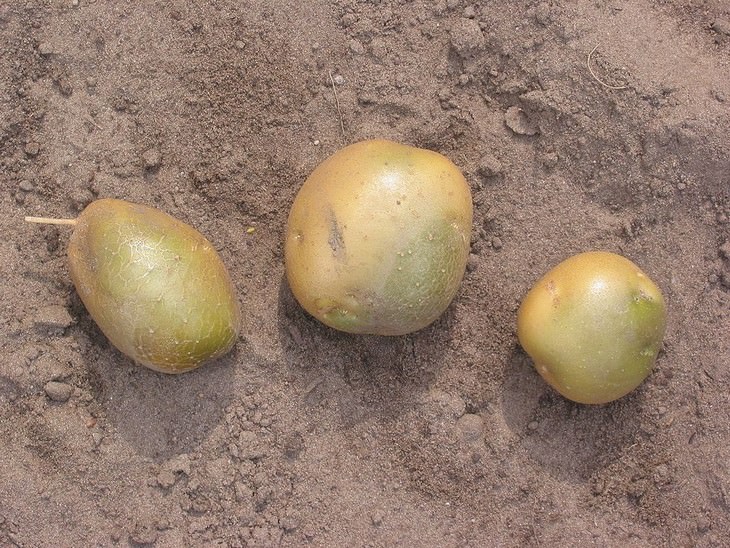
healthy foods that can be toxic Green Potatoes
 The humble, delicious and nutritious potato can turn into your worst enemy. Few people know this, but the actual plant that produces potatoes is full of solanine and chaconine, both of which are poisonous substances the plant uses to protect itself from insects and parasites. 
 
Typically, potato tubers are free of these substances, but in some cases, especially when exposed to prolonged sunlight, potatoes, too, can build up solanine. The telltale signs of potatoes containing the poison are: 
 
when the potato turns green 
 
a bitter taste. ​
 
Eating just a few of these green potatoes can make you develop toxic symptoms, such as vomiting, diarrhea, headaches, hallucinations, inflammation in the joints, cardiac dysrhythmia, thyroid issues, and other symptoms. Just 3-6 mg of solanine per kilogram of body weight can be deadly, so stay away from green or bitter-tasting potatoes. 
 
2. Cherry Pits, Apple Seeds, and Peach Stones
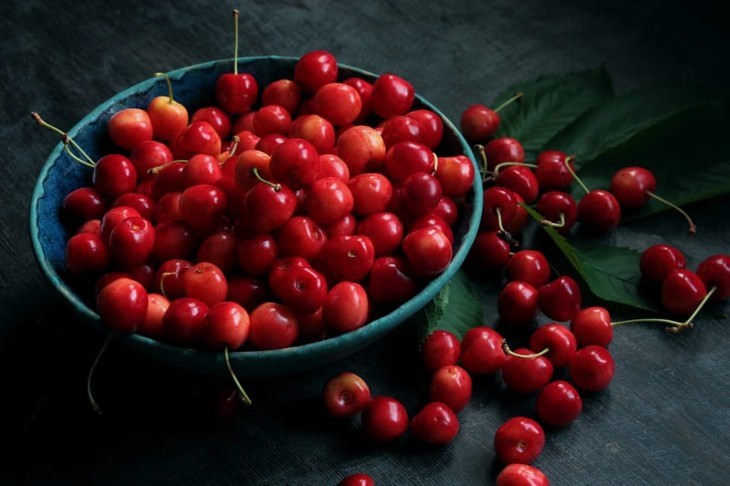
healthy foods that can be toxic cherries
Cherries, apples, peaches, and apricots are definitely among the most popular fruits out there, period. They're all juicy, sweet, and ridiculously easy to eat. But did you know that the seeds of all of these fruits are packed with prussic acid, also known as cyanide? The concentration of the potentially deadly poison varies significantly depending on the fruit, but only one cherry pit has been estimated to contain 0.17 grams of cyanide, which could be enough to kill a person.
 
Luckily, all of these fruits hide their poisonous insides deep within a hard shell, so there's generally no danger of you even ingesting an apple seed or cherry pit because your digestive system won't be able to dissolve the protective coating of the seed, given that you haven't bitten through it, that is. Still, we just wouldn't recommend risking it.

3. Bitter Almonds
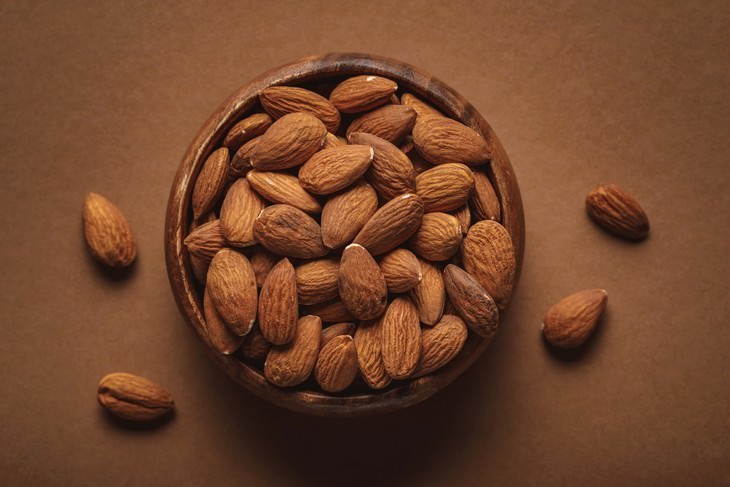
healthy foods that can be toxic almonds in a bowl
Almonds are among the healthiest of nuts, but even they can be not so beneficial to your body, especially if you choose the wrong kind. This is because all almonds contain a precursor to cyanide called amygdalin, which can then be converted into the poison in your body. 
 
Both sweet and bitter almonds contain amygdalin, but it's the bitter variety that has a significantly higher quantity of the poisonous substance and can cause diarrhea, nausea and stomach cramps, especially if they are raw. Heat treatment removes all the toxins from sweet almonds, so they're safe to eat. 
 
4. Forest Mushrooms
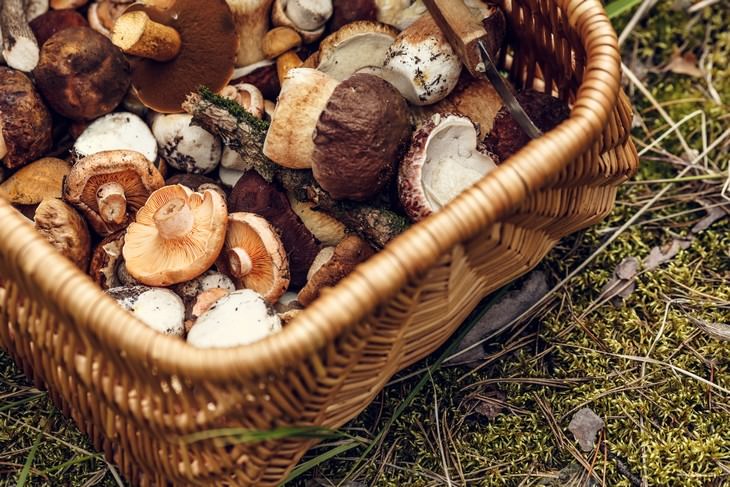
healthy foods that can be toxic Forest Mushrooms in a basket
It doesn't get better than a fresh homemade pizza with mushrooms, but be careful of which ones you use, as certain mushroom varieties can be deadly. As a matter of fact, there is only a handful of edible mushroom species. So, if you happen to go mushroom picking or buy fresh forest mushrooms, know very well which kinds of mushrooms are safe to eat and stay away from the rest.
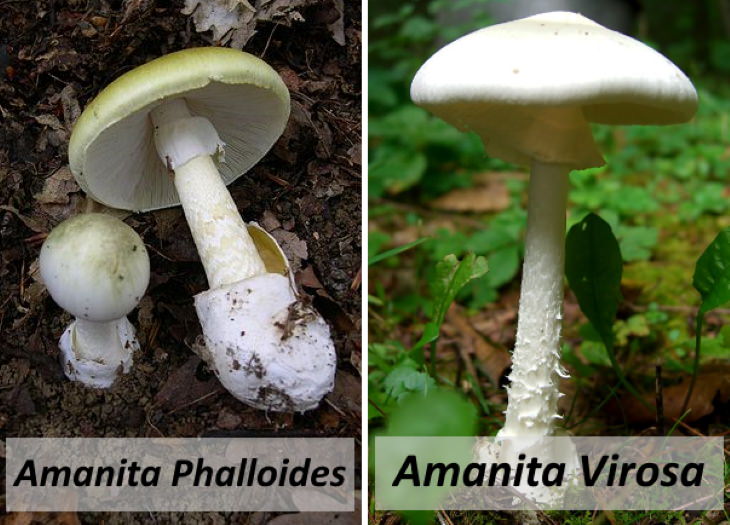
healthy foods that can be toxic Forest Mushrooms in a basket
The most dangerous mushroom varieties are the death cap (Amanita phalloides) and the destroying angel (Amanita virosa), pictured above. Eating any of these wild mushrooms will produce symptoms like diarrhea, intense thirst, abdominal pain, vomiting, liver failure, coma, and even death.

5. Shellfish
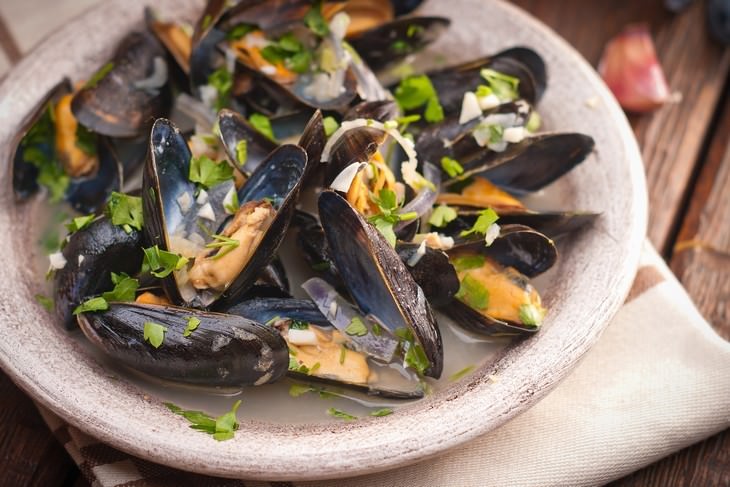
healthy foods that can be toxic mussels on a plate
Shellfish are an exceptional source of protein and other beneficial nutrients, but unfortunately, it's not as safe to eat as fish, particularly when consumed raw. Even fresh seafood can absorb potentially harmful bacteria and viruses from the surrounding waters and cause serious digestive distress. 
 
Apart from that, shellfish are notorious for absorbing high quantities of toxic heavy metals from the sea, such as mercury or cadmium, which ultimately build up in the human body and can cause toxic symptoms and even heavy metal poisoning, so it's best not to eat shellfish too often, even when cooked through thoroughly. 
 
6. Raw Kidney Beans
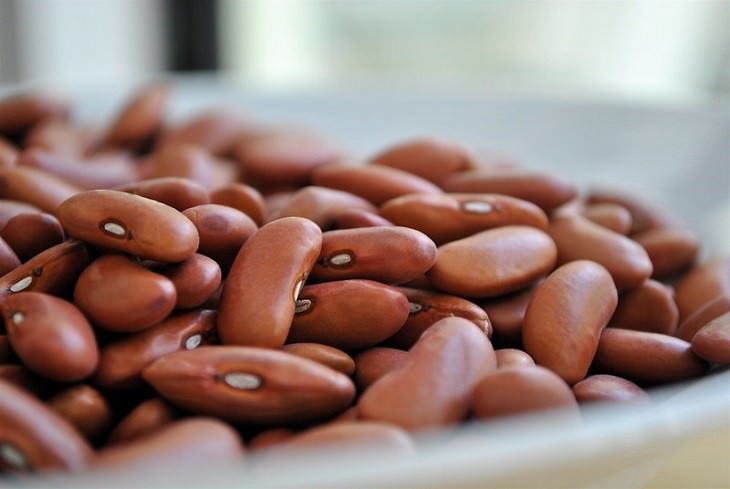
healthy foods that can be toxic Raw dried Kidney Beans

Kidney beans are a great source of plant-based protein and iron, if you eat them right, that is. Non cooked beans can induce bad stomach cramps, vomiting, and diarrhea. That's why you should always cook your beans well before eating them, as the cooking process neutralizes the toxic proteins called lectins raw beans contain. 
 
Raw kidney beans are the most saturated in lectins, but all beans have them. Eating just 4-5 kidney beans is typically enough to produce the above-mentioned symptoms, so make sure to eat your beans cooked.
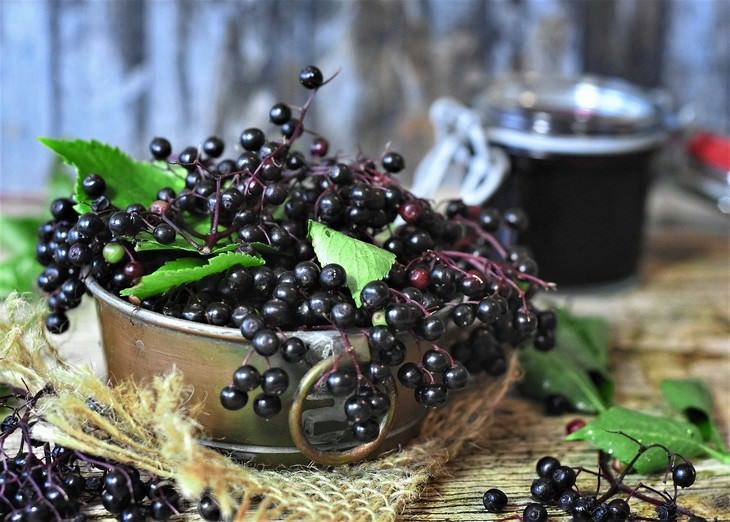
7. Fresh Elderberries
healthy foods that can be toxic Elderberries
Elderberry syrup or jam is a popular treat. It has known immune-boosting properties and it can be used to treat cold and flu symptoms, as well as relieve constipation. 
 
However, eating just a few elderberries raw can have adverse effects on your health, as the berries contain cyanide and lectin. Even in small doses, these compounds induce digestive symptoms, such as nausea, diarrhea, and vomiting.

8. Raw Cashews
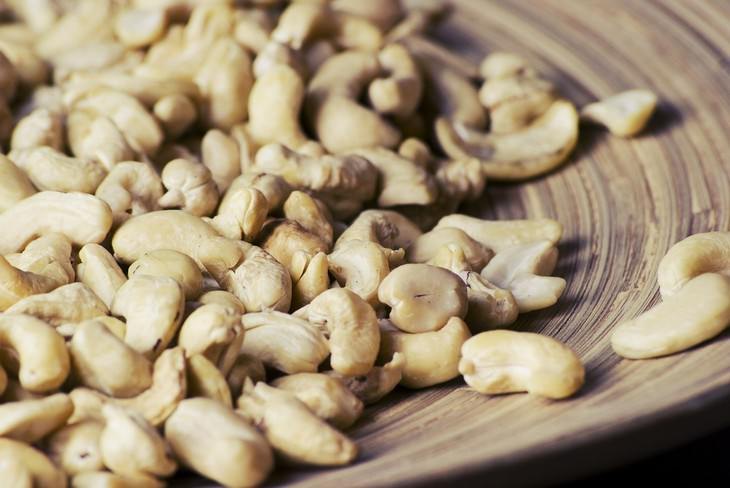
healthy foods that can be toxic raw cashews
The cashews labeled as 'raw' you buy in stores aren’t actually raw at all, but if you happen to have access to real raw cashews, don't eat them. This is because all so-called raw cashews actually undergo a streaming process before they are packaged and shipped to stores, otherwise the nuts are actually toxic. 
 
If not done so, cashews will contain a chemical called urushiol, which is the same allergen that's in poison ivy. Thus, eating truly raw cashews is extremely likely to cause a severe, potentially life-threatening allergic reaction. 
 
9. Nutmeg
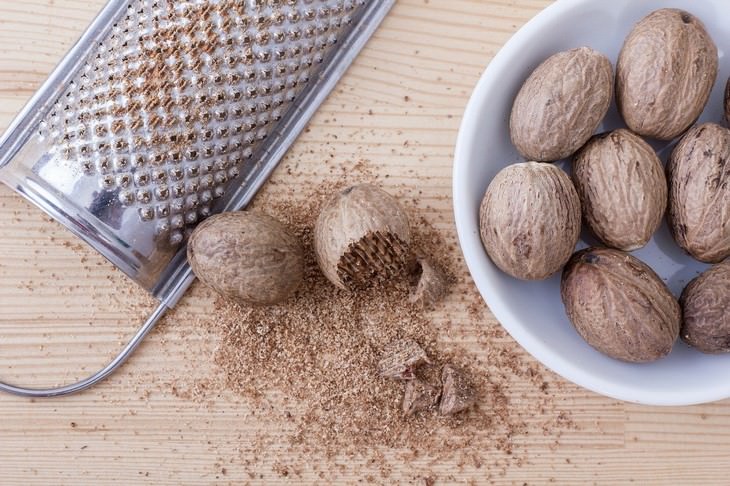
healthy foods that can be toxic nutmeg being grated using a grater
Nutmeg is a popular spice used both in sweet and savory dishes, as it imparts a pleasant nutty flavor to any recipe. Most recipes require no more than a teaspoon of the spice, and for good reason, as higher doses of nutmeg will make you regret using it for good. As a matter of fact, only 2 teaspoons of nutmeg powder can be toxic. 
 
This is because the spice contains myristicin, a compound that messes with your brain and causes adverse symptoms like dizziness, confusion, drowsiness, hallucinations, and even seizures.  
 
10. Alfalfa Sprouts
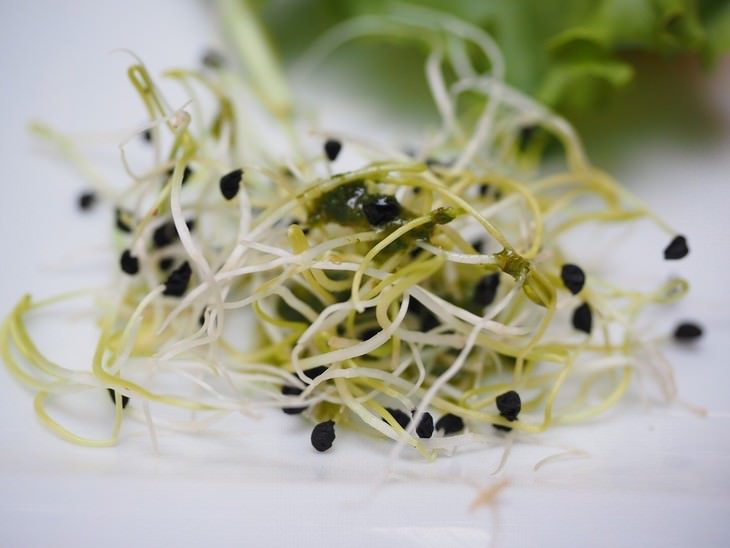
healthy foods that can be toxic  Alfalfa Sprouts
Alfalfa sprouts are typically grown in a warm, wet environment, which just so happens to be the optimal conditions for bacterial growth as well. So, it's no surprise that the sprouts are a common culprit behind foodborne illness outbreaks. 
 
In fact, during the past 20 years, alfalfa sprouts have been responsible for thirty of such outbreaks, which included such dangerous pathogens as salmonella and E. coli. That's why we highly recommend boiling or otherwise exposing the sprouts to high heat before including them into your meal, even if you grow the sprouts at home. 
 
11. Rhubarb Leaves
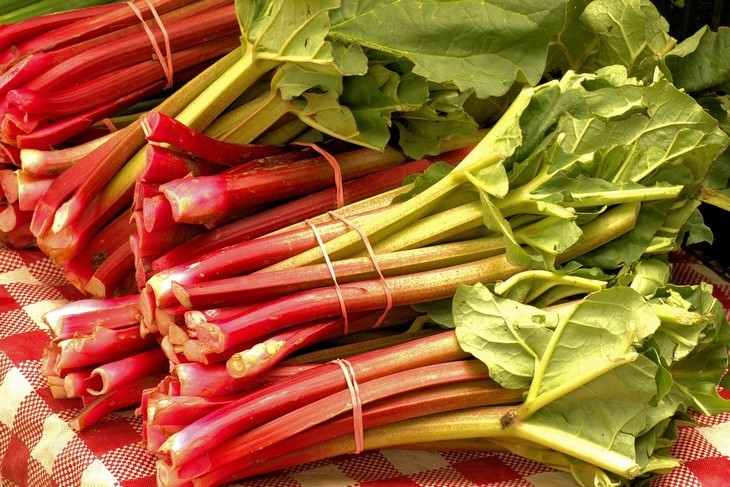
healthy foods that can be toxic Rhubarb
Rhubarb stalks are an excellent ingredient for compotes and desserts, but you have to know very well how to utilize them to stay safe. Before using the rhubarb, clean away all the leaves and throw them out, as the leaves contain a potentially deadly compound called oxalic acid. 
 
Admittedly, one would have to eat a lot of rhubarb leaves, approximately 5 kg (11 lb), to die as a result, but even smaller amounts of the leaves can make you experience unpleasant symptoms, such as vomiting, diarrhea, breathing difficulties and burning in the mouth. 
 
Consuming the leaves also makes you prone to kidney stones and abnormal blood clotting, as the poisonous substance binds to the calcium present in your body and causes a calcium deficiency, which then manifests itself in the above-mentioned symptoms. 
 
12. Mango
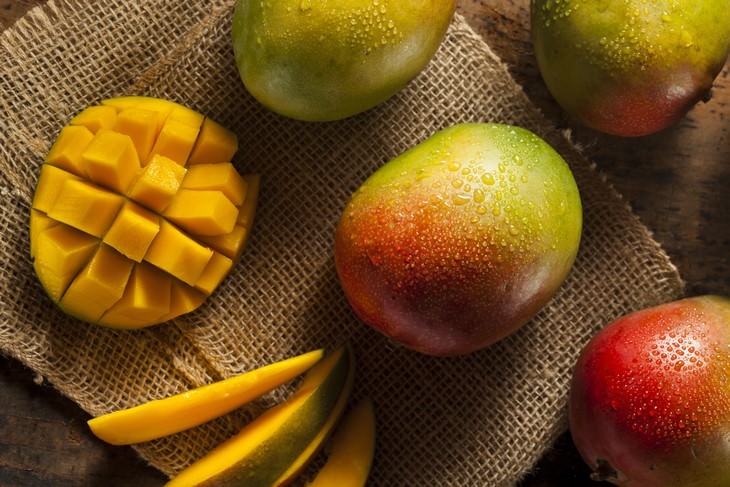
healthy foods that can be toxic mango cut up and whole
Like cashews and poison ivy, the leaves and bark of mango trees, as well as the skin of mango fruit are full of urushiol. That's why people who just happen to bite into a mango or eat a piece of the skin often experience skin rashes and swelling, or even problems breathing. 
 
The severity of your symptoms will depend on how allergic you are to urushiol, but it's best to just stay away from the bitter mango skin altogether and enjoy the sweat and juicy pulp of the fruit instead. 
 
13. Broccoli
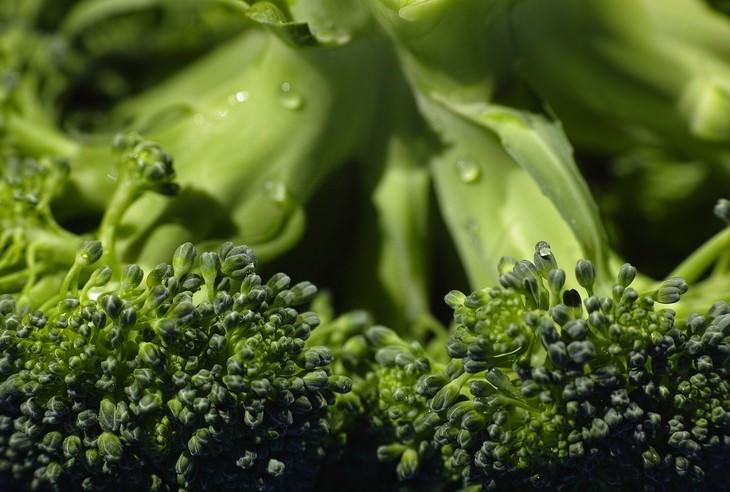
healthy foods that can be toxic broccoli
Didn't expect to see broccoli on this list, did you? Neither did we before we started researching for this article, but it turns out that even this superfood has its drawbacks if you eat it too much and too often. To prevent this from happening, simply switch out broccoli with other veggies from time to time, such as carrots or peppers in your salad or any other dish, especially if you have a history of thyroid issues. 
 
This is because broccoli contains compounds called thiocyanates, which prevent your body from absorbing adequate amounts of iodine. If this happens constantly, it may lead to an underactive thyroid - hypothyroidism, a chronic issue that manifests itself in sudden weight gain, hair thinning, constipation, depression, and other symptoms.

14. Kimchi
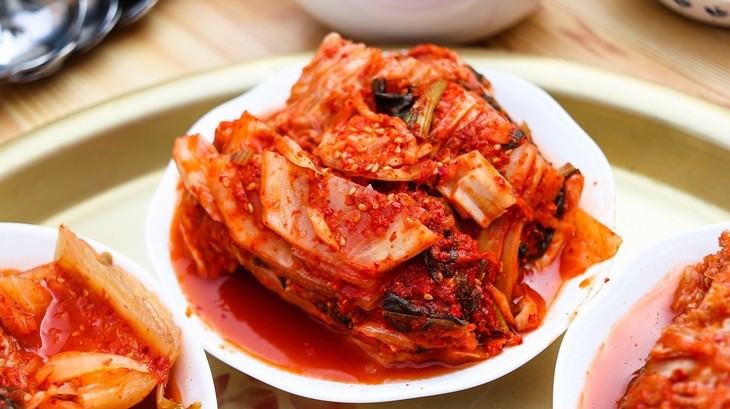
healthy foods that can be toxic Kimchi
Kimchi is among the healthiest fermented foods, with this Korean cabbage being capable of doing wonders for your digestive health, weight loss, aging and even prevent cancer. Still, even this wonder food has a dark side, believe it or not.

Namely, it's typically very high in sodium, with only 1 serving containing, on average, about a third of your allowed daily sodium intake. Higher than normal sodium intake, in turn, can really affect your heart and cardiovascular health in particular. However, in moderation, this fermented delight will share its health benefits with you without affecting your health, so make sure to eat no more than 1 serving of kimchi daily and you're golden. 
 
15. Brown Rice

Brown rice is healthier than white rice and widely available, but it, too, can be disappointingly dangerous. This has nothing to do with the rice itself, but rather with the way it is grown. More specifically, rice is among those rare foods that are the most likely to absorb inorganic arsenic from the water and soil it's grown in, and because brown rice is less processed than white rice, it generally contains more of the toxic element. 
 
Not all brown rice is polluted with arsenic, but in many corners of the Earth, the water supply is packed with the dangerous poison, which seeps into the rice as it's grown. Inorganic arsenic is one of the most toxic elements known, with long-term use being recognized to contribute to the development of various cancers, type 2 diabetes, and cardiovascular problems. 
 
To minimize your exposure to arsenic, rinse your rice thoroughly several times before cooking and cook in plenty of water, subsequently draining the cooked rice. This will wash out up to 57% of the arsenic. You can also opt for white rice instead of brown, possibly from the Himalayan region (North India and Pakistan, Nepal), countries known to have less arsenic water pollution

This is only for your information, kindly take the advice of your doctor for medicines, exercises and so on.     

https://gscrochetdesigns.blogspot.com. one can see my crochet creations  
https://gseasyrecipes.blogspot.com. feel free to view for easy, simple and healthy recipes    
https://kneereplacement-stickclub.blogspot.com. for info on knee replacement

Labels: , , , , , , , , , , , , , , , ,

Thursday, December 31, 2020

Avoid Eating These Foods in the Winter to Remain Healthy

Consuming seasonal fruits and vegetables is vital to maintain good health. Seasonal foods provide the necessary vitamins and nutrients that support your health, depending on the various challenges a particular season offers. For instance, summer foods like watermelon and green leafy vegetables help our body cool down. Meanwhile, winter foods such as root veggies, ginger, citrus fruit, and cauliflower are essential to get us through the cold weather without getting sick.
 
In short, each season has its own distinct foods that are best suited for those months. While these days we can eat almost any fresh fruit or vegetable at any time of the year, that doesn’t mean it’s ideal. Many of the “fresh” summer food products you will see in your local grocery store this winter season are likely to have traveled from faraway countries and ideally shouldn’t be consumed regularly. 
 
Now that winter is here, it's the perfect time to take a look at some of the foods that you should avoid eating during the season for your overall health.
 
1. Dairy products
Foods to avoid in Winter, Dairy products 
Some dairy items like curd, yogurt, and milk should be consumed with care during the winter season. Health experts say that curd cheese may increase mucus secretion. Thus, people who already have respiratory issues, or are suffering from asthma, should try and avoid dairy products in the winter as the excess mucus buildup can lead to swelling. Furthermore, milk, too, can thicken phlegm. You needn’t eliminate dairy products from your diet in winter completely. Just try and have them in moderation. 
 
2. Asparagus  
Foods to avoid in Winter, Asparagus
Asparagus is one of those wonderful vegetables that are available all year round. While this vegetable is very healthy, it’s typically consumed in spring and avoided in the winter. The asparagus grown in the spring season is firm and delicious. Winter asparagus, on the other hand, is generally shipped from Peru and China and can be quite limp and woody. 
 
Moreover, it loses a lot of its vital elements during shipment and its taste doesn’t remain the same as well. While you can buy frozen asparagus from the supermarket, it would be better if you opted for fresh green veggies that are available in the winter like kale, broccoli, leeks, or Brussels sprouts.
 
3. Peaches 
Foods to avoid in Winter, Peaches 
Peaches are just so juicy and deliciously sweet, aren’t they? They are the perfect summer fruit, but they tend to vanish around August. However, many countries import peaches from places like South America even during the winter months to ensure that people can still enjoy them. Unfortunately, peach trees don’t do so well in cold weather and you are unlikely to get them fresh during the winter. You can, of course, freeze these fruits in the summer and have them during the colder months, but they won’t be ripe. 
 
Consider choosing persimmons instead as they have a similar sweet taste to peaches, are loaded with vitamins A and C, and can be easily found in the winter. 
 
4. Corn on the cob  
Foods to avoid in Winter, Corn on the cob
As much as you might love munching on corn on the cob, it is something you should avoid during the winter. Spring and summer are the best seasons for growing corn and it doesn’t do well in cold temperatures. The corn on the cob you find in the supermarket during the winter is likely to have been frozen for a long time or are leftover from the previous summer. They won’t be fresh, will have fewer nutrients, and are best avoided. 
 
5. Strawberries and blueberries
Foods to avoid in Winter, Strawberries and blueberries
The best time to grow berries, such as strawberries and blueberries, is the summer. Both of these fruits offer a variety of benefits. For instance, strawberries are rich in vitamin C while blueberries are known to be the king of antioxidant-rich foods. However, their nutrient content is mostly lost during shipping and storage. Hence, when these summer fruits are getting shipped from many kilometers away to arrive at your local supermarket during the cold season, they won’t really feel the same or be as beneficial as they are supposed to be. 
 
You can still enjoy the frozen varieties of these berries, though, as they tend to remain just as healthy in that condition. 
 
6. Tomatoes Foods to avoid in Winter, tomatoes
Tomatoes are juicy, sweet, and tasty in the summer. However, while you may find them in the supermarket during the colder months as well, they won’t have the same taste. Winter tomatoes generally have a mushy and mealy texture. Moreover, winter tomatoes also do not contain the vitamins and minerals they are known for. It would therefore be better to limit your tomato intake during the cold season. 
 
7. Sugar
Having too much sugar in your diet is always an unhealthy choice. But research has shown that sugar is worse for you in the winter. Health experts have previously observed that the more sugar we eat, the more risks we have of falling into a depression. A recent study has now shown that the risk gets accentuated in winter. This is because eating sugar triggers an inflammatory response in the body and brain while also reducing the dopamine activity in the brain's reward centers.
 
During the cold months, we tend to be more vulnerable to depressive symptoms due to the season’s short days and lack of sunlight. This makes us crave sugar more as eating something sweet generally makes us feel relaxed and comfortable for a short while. Alas, not only will that be harmful to our immune system, but it will make us more prone to depression as well. So, as much as the winter holiday season makes you want to munch on sugary products, you would be better off limiting your added sugar intake in the winter.


This is only for your information, kindly take the advice of your doctor for medicines, exercises and so on.     

https://gscrochetdesigns.blogspot.com. one can see my crochet creations  
https://gseasyrecipes.blogspot.com. feel free to view for easy, simple and healthy recipes    
https://kneereplacement-stickclub.blogspot.com. for info on knee replacement


Labels: , , , , , , , , , ,

Wednesday, March 25, 2020

3 Delicious Ways to Eat More Immunity-Boosting Vitamin C

With coronavirus on the rise and regular cold and flu season concerns in full force, you're likely thinking about ways to strengthen your immune system. And for good reason: taking proactive measures to boost your immunity is imperative.

The good news is, the key to keeping your immune system strong is right in front of you: on your plate, and in your pantry or freezer. “Good hygiene, getting adequate sleep, and eating a well-balanced diet all play an important role in preventing and increasing resilience to infection,” says Anisha Patel, MD, MSPH.

A healthy immune system relies on a balanced variety of vitamins and minerals over time, which is why it's so important to ensure consistent, positive eating habits. Your immune system is exactly that, a system, which requires ongoing care and maintenance to function well.


Increasing fruits and vegetables and reducing added sugar, are all part of a healthful, balanced diet. While no one vitamin is the star of the show when it comes to immunity, boosting vitamin C and probiotics can help to support recovery from viral infections. Vitamin C supports immune system function and iron absorption, and because your body doesn’t produce or store vitamin C, daily intake through the foods you eat is a top priority.

We sat down with Jennifer Tyler Lee, author of Half the Sugar, All the Love: 100 Easy, Low-Sugar Recipes for Every Meal of the Day, to learn three easy ways to eat more vitamin C (and less added sugar) in our home-cooked meals.


1-Whirl up breakfast smoothies.

Smoothies are a deliciously simple way to work more vitamin C into your breakfast routine. “Strawberries, oranges, and mangoes are good sources of vitamin C and make for easy smoothie add-ons,” explains Tyler Lee. For instance, a Strawberry-Peach Smoothie contains 70 percent of your recommended daily intake of vitamin C, with no added sugar. Ready to take it up a notch? “Give it an extra boost by using oranges instead of peaches and increase vitamin C to 113 percent of your recommended daily intake. It’s an easy swap,” she says.

Faced with potentially extended periods of social distancing and the need to cook more simple meals at home, it’s a good idea to keep your freezer stocked with frozen fruits and vegetables—and to get kids involved. “A fun activity for kids is to let them measure and portion their favorite smoothie ingredients into individual glass containers that you can store in your freezer for quick and easy grab-and-go smoothies,” says Tyler Lee.

2 -Cook with Brussels sprouts, broccoli, and spinach. 

It’s not just the obvious citrus fruits that give you a boost of vitamin C. “Brussels sprouts, broccoli, and spinach are solid sources of vitamin C, too,” advises Tyler Lee. So let’s bring on the salads and sheet-pan dinners that pack all the roasted veggies.

This vibrant Mason Jar Salad hits all the right notes. “The leafy green vegetables make this salad a great way to power your immune system," says Tyler Lee. "It delivers 130 percent of your recommended daily intake of vitamin C." Plus, you can make it ahead. “I prepare this salad on the weekend, and store it in mason jars in my fridge, for a quick lunch on busy days,” says Tyler Lee.

If you’re ordering your salad at a restaurant, ask them to swap the grains for more leafy greens as an easy way to give your meal a boost of goodness. You can also make some easy swaps when cooking at home. “Try adding Brussels sprouts or broccoli to your stir-fries, or adding spinach to your favorite baked ziti or lasagna recipe, for more easy ways to give your regular meals a boost of vitamin C,” she says.


3 -Make DIY strawberry popsicles for dessert.
Dessert can be a good source of vitamin C, as well. A cup of sliced strawberries can be a delicious and simple dessert all on its own and delivers 130 percent of your daily recommended intake of vitamin C. For a frozen treat that’s easy to make with kids, Strawberry Cream Pops top our list of favorites. “Naturally sweet and ripe strawberries make these creamy ice pops a delicious frozen treat that also delivers 50 percent of your recommended daily intake of vitamin C,” says Tyler Lee. 


“They’re fun to make with your kids, and they’re a fraction of the added sugar you’d normally find in a packaged frozen fruit pop.” That’s a sweet reward your immune system will appreciate.

This is only for your information, kindly take the advice of your doctor for medicines, exercises and so on.     

https://gscrochetdesigns.blogspot.com. one can see my crochet creations  
https://gseasyrecipes.blogspot.com. feel free to view for easy, simple and healthy recipes    
https://kneereplacement-stickclub.blogspot.com. for info on knee replacement

Labels: , , , , , , , , , ,