Saturday, July 13, 2024

Bet You Never Knew a Tree Could be So Beneficial to You

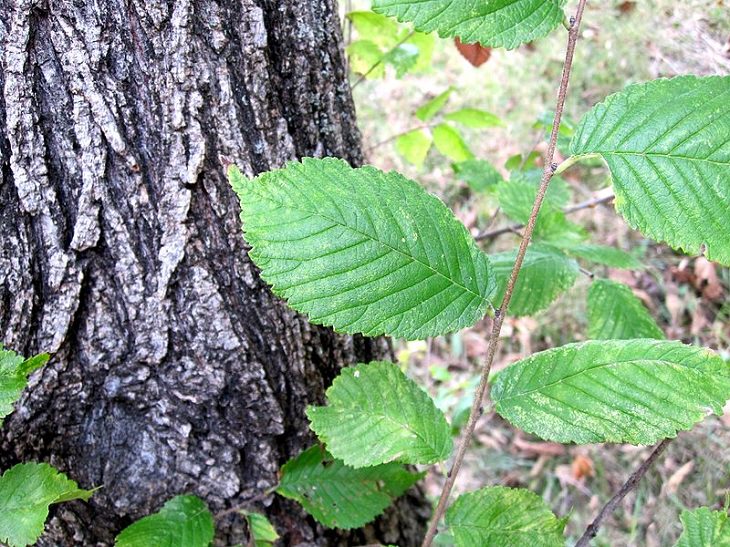
Slippery elm, sometimes known as Indian elm or red elm, is a tree which is known for its dark brown to reddish-brown bark. Its bark contains mucilage, a substance that, when mixed with water, turns into a slick gel. 
 
This mucilage is known for its healing and medicinal properties. In addition to mucilage, slippery elm also contains antioxidants as well as anti-inflammatory properties. As a matter of fact, the inner bark contains many nutrients, such as tannins, calcium, iron, magnesium, manganese, phosphorous, selenium, potassium, zinc, beta-carotene, and vitamins B1, B12, B3, and C. Slippery elm can be found in your local health food store in numerous forms, including tea, lozenges, tablets, capsules, poultice, and liquid extract. 
 
Below are 10 amazing health benefits of slippery elm.
 Bet You Never Knew a Tree Could be So Beneficial to You
 
1. Treats Inflammatory Bowel Diseases 
 As it's a demulcent, slippery elm helps soothe the lining of your stomach and intestines. This, in turn, reduces stomach irritation, one of the common symptoms of inflammatory bowel diseases such as Crohn's disease, ulcerative colitis, and irritable bowel syndrome (IBS). 
 
To ease the symptoms of inflammatory bowel syndrome: 
 
1. Add a tablespoon of slippery elm powder to a glass of hot water. 
 
2. Leave it to steep for 5 minutes. 
 
3. Drink it at least one hour after taking other medication. 
 
4. Drink 2-3 times a day, as required. 
 
 
2. Soothes a Sore Throat  
The mucilage in slippery elm can coat the throat and provide almost instant relief form a sore throat, whether it's because of a cold, cough, tonsillitis, or laryngitis. The gel soothes the sore throat by reducing inflammation. 
 
 In fact, slippery elm is a very common ingredient in throat lozenges. 
 
To alleviate your sore throat:  
 
1. Add 2 teaspoons of the inner bark of slippery elm to 2 cups of boiling water. 
 
2. Cover, and leave to steep for 5-10 minutes, then strain it. 
 
3. Drink this tea twice a day for a couple of days. 
 
 
3. Fights Constipation 
Slippery elm's high mucilage content makes it an effective remedy for constipation. When you consume slippery elm, it helps stimulate the nerve endings in your gastrointestinal tracts, which is why it is useful for constipation. Furthermore, due to its demulcent properties, it is also good for healing hemorrhoids. 
 
To treat constipation: 
 
1. Mix 1 teaspoon of slippery elm bark powder with 2 cups of boiling water. 
 
2. Add a teaspoon of sugar and a pinch of cinnamon powder. 
 
3. Drink 1 to 2 cups of this twice a day, as required. 


4. Combats Heartburn and Gerd

health, elm
Heartburn can be severely reduced with slippery elm. The mucilage present in the slippery elm coats the esophagus and reduces any irritation and inflammation that occurs when stomach acid flows up the esophagus. It is also effective at treating gastro-esophageal reflux disease (GERD). 
 
To relieve heartburn or GERD
 
1. Mix 1 to 2 tablespoons of slippery elm powder to a glass of water. 
 
2. Drink it after a meal. 


5. Treats Respiratory diseases
Slippery elm is thought to be an antitussive, meaning it helps in treating respiratory ailments such as asthma or bronchitis. Its anti-inflammatory nature helps to thin the mucus that clogs the airways and it can help prevent that bronchial spasms which are associated with asthma attacks. 
 
 To make slippery elm tea for asthma: 
 
1. Add 2 teaspoons of the inner bark of slippery elm to 2 cups of boiling water. 
 
2. Cover and let it steep for 5 minutes. 
 
3. Strain, and add 1 teaspoon of honey.
 
4. Drink this tea twice a day when suffering from asthma. 
 
 
6. Cures Dermatitis 
Slippery elm is a great remedy for dermatitis, an inflammatory skin condition that causes itching, swelling and inflammation. Due to its very high mucilage content, it helps to moisturize the skin and promote healing. 
 
To treat dermatitis: 
 
1. Wash and then grind two slippery elm leaves to a paste. 
 
2. Apply it to the affected area. 
 
. Allow it to sit on the area until it completely dries, then wash it off. 
 
4. Do this 2-3 times a day until you see an improvement. 
 
 
7. Treat a Stomach Ulcer 
Slippery elm can be used to treat stomach ulcers. Due to its mucilage content, it soothes and calms the inflammation and pain associated with stomach ulcers. 
 
To treat a stomach ulcer: 
 
1. Grind the inner bark into a fine powder. 
 
2. Mix 1 teaspoon of this powder into 1 cup of warm water. 
 
3. Drink this mixture, 3 to 4 times a day for 1 week. 
 
 
8. Heals Wounds

 Slippery - Elm - Health - Benefits
 
Slippery elm can be used to heal wounds and boils as it has the ability to heal internal tissue. It is also effective for treating pulled muscles or other aches and pains. 
 
To make a poultice using slippery elm: 
 
1. Mix slippery elm powder in boiling water to make a paste. 
 
2. Allow it to cool. 
 
3. Apply it to the affected area. 
 
4. Wash it off after a few hours. 
 
 
Note: Don't leave this poultice on your skin for more than 24 hours as it shrinks and pulls the skin. Also, don't apply it to open wounds.


9. Reduce Irritation of Urinary Tract 
The mucilage present in slippery elm can soothe the lining of the urinary tract. The can help reduce inflammation and other painful, irritating symptoms. 
 
 How to reduce urinary tract irritation:  
 
Drink slippery elm tea once or twice a day. 
 
Take a supplement (consult your doctor first). 
 
 
10. Aids Weight Loss 
Slippery elm aids digestion, and this is why it also helps weight loss. It binds to substances in the intestines that the body doesn't need and slows their absorption into the body. Furthermore, its diuretic properties help reduce fluid retention and shed water weight. 
 
 To facilitate weight loss: 
1. Add 2 tablespoons of slippery elm bark powder to 2 cups of hot water. 
 
2. Leave it to steep for 5 minutes. 
 
3. Drink this tea 2-3 times a day. 
 
 
Additional Tips  
 
Pregnant or breastfeeding women should not consume slippery elm as it contains compounds that can lead to a miscarriage. 
 
 When taking supplements, read the product labels and consult your doctor beforehand. 
 
For safety measures, wait 1 hour after taking oral medication before taking slippery elm.


This is only for your information, kindly take the advice of your doctor for medicines, exercises and so on.   

https://gscrochetdesigns.blogspot.com. one can see my crochet creations  
https://gseasyrecipes.blogspot.com. feel free to view for easy, simple and healthy recipes    
https://kneereplacement-stickclub.blogspot.com. for info on knee replacement
https://cancersupportindia.blogspot.com  for infor on cancer and health related topics
https://GSiyers home remedies.blogspot.com   is the latest addition to my blogs. I'm going to add posts there, do give me your valuable feed back on my blogs. Thanks a lot, take care, be healthy and be happy.
Labels: , , , , , , , , ,

Sunday, August 15, 2021

A Recipe for Super-Potent Turmeric Golden Honey

Many of us may have used turmeric in cooking, or even as a natural remedy for several ailments. As a spice, it is greatly notable for its strong anti-inflammatory and anti-carcinogenic properties, and for its ability to kill bacteria and boost the body's immune system. It's no surprise that it's so widely sought after, given all these benefits. However, did you know that mixing it with just one other natural ingredient can turn it into something even more potent?

Of all the natural antibiotics nature has to offer, golden honey has been found to be one of the strongest ones ever known. It is a simple combination of turmeric and another one of the world's most precious natural products, honey, which, like turmeric, offers a host of outstanding health benefits. When combined, these two ingredients can make a powerful natural remedy, which acts as a medicine for colds in particular, with benefits that may outweigh those of the synthetic antibiotics you're accustomed to.

Unlike other medicines, golden honey has no negative effects on the intestinal tract. But, rather, it improves digestion and increases the activity of beneficial flora in the gut, while also acting as a wonderful healer in the following cases: 
• colds and flu 
• respiratory diseases 
• weight problems 
• arthritis and rheumatoid arthritis 
 
So, when you feel like you're coming down with a nasty cold, golden honey is the first thing you should reach out for. 
 
Here are the directions of how to make it: 
Ingredients 
• 3.5 oz. (100 grams) of raw organic honey 
• 1 tbsp. of turmeric powder 
 
Directions  
Combine the turmeric and honey, mix well, and place in a glass container. 
 
 Dosage instructions To fight cold and flu symptoms: 
• Day 1 – Take ½ tsp. every hour during the day. 
• Day 2 – Take ½ tsp. every two hours during the day. 
• Day 3 – Take ½ tsp. three times a day. 
 
To fight respiratory diseases: 
• Take ½ tsp. three times a day during the week. 
 
How to take it 
When ingested, the mixture should be kept in the mouth until completely dissolved. You may even add golden honey to milk or tea if desired. 
 
Other important things you need to know 
 
• Golden honey may have adverse effects on some individuals. Consult your doctor before using the remedy if you are under treatment, taking medication or are suffering from severe health problems. 
 
• Be careful in cases of hemophilia and hypertension, as turmeric thins the blood and lowers blood pressure. 
 
• Turmeric could decrease blood sugar levels, so talk to your doctor about it if you are diabetic.

This is only for your information, kindly take the advice of your doctor for medicines, exercises and so on.   

https://gscrochetdesigns.blogspot.com. one can see my crochet creations  
https://gseasyrecipes.blogspot.com. feel free to view for easy, simple and healthy recipes    
https://kneereplacement-stickclub.blogspot.com. for info on knee replacement


Labels: , , , , , , , , , ,

Thursday, December 31, 2020

Avoid Eating These Foods in the Winter to Remain Healthy

Consuming seasonal fruits and vegetables is vital to maintain good health. Seasonal foods provide the necessary vitamins and nutrients that support your health, depending on the various challenges a particular season offers. For instance, summer foods like watermelon and green leafy vegetables help our body cool down. Meanwhile, winter foods such as root veggies, ginger, citrus fruit, and cauliflower are essential to get us through the cold weather without getting sick.
 
In short, each season has its own distinct foods that are best suited for those months. While these days we can eat almost any fresh fruit or vegetable at any time of the year, that doesn’t mean it’s ideal. Many of the “fresh” summer food products you will see in your local grocery store this winter season are likely to have traveled from faraway countries and ideally shouldn’t be consumed regularly. 
 
Now that winter is here, it's the perfect time to take a look at some of the foods that you should avoid eating during the season for your overall health.
 
1. Dairy products
Foods to avoid in Winter, Dairy products 
Some dairy items like curd, yogurt, and milk should be consumed with care during the winter season. Health experts say that curd cheese may increase mucus secretion. Thus, people who already have respiratory issues, or are suffering from asthma, should try and avoid dairy products in the winter as the excess mucus buildup can lead to swelling. Furthermore, milk, too, can thicken phlegm. You needn’t eliminate dairy products from your diet in winter completely. Just try and have them in moderation. 
 
2. Asparagus  
Foods to avoid in Winter, Asparagus
Asparagus is one of those wonderful vegetables that are available all year round. While this vegetable is very healthy, it’s typically consumed in spring and avoided in the winter. The asparagus grown in the spring season is firm and delicious. Winter asparagus, on the other hand, is generally shipped from Peru and China and can be quite limp and woody. 
 
Moreover, it loses a lot of its vital elements during shipment and its taste doesn’t remain the same as well. While you can buy frozen asparagus from the supermarket, it would be better if you opted for fresh green veggies that are available in the winter like kale, broccoli, leeks, or Brussels sprouts.
 
3. Peaches 
Foods to avoid in Winter, Peaches 
Peaches are just so juicy and deliciously sweet, aren’t they? They are the perfect summer fruit, but they tend to vanish around August. However, many countries import peaches from places like South America even during the winter months to ensure that people can still enjoy them. Unfortunately, peach trees don’t do so well in cold weather and you are unlikely to get them fresh during the winter. You can, of course, freeze these fruits in the summer and have them during the colder months, but they won’t be ripe. 
 
Consider choosing persimmons instead as they have a similar sweet taste to peaches, are loaded with vitamins A and C, and can be easily found in the winter. 
 
4. Corn on the cob  
Foods to avoid in Winter, Corn on the cob
As much as you might love munching on corn on the cob, it is something you should avoid during the winter. Spring and summer are the best seasons for growing corn and it doesn’t do well in cold temperatures. The corn on the cob you find in the supermarket during the winter is likely to have been frozen for a long time or are leftover from the previous summer. They won’t be fresh, will have fewer nutrients, and are best avoided. 
 
5. Strawberries and blueberries
Foods to avoid in Winter, Strawberries and blueberries
The best time to grow berries, such as strawberries and blueberries, is the summer. Both of these fruits offer a variety of benefits. For instance, strawberries are rich in vitamin C while blueberries are known to be the king of antioxidant-rich foods. However, their nutrient content is mostly lost during shipping and storage. Hence, when these summer fruits are getting shipped from many kilometers away to arrive at your local supermarket during the cold season, they won’t really feel the same or be as beneficial as they are supposed to be. 
 
You can still enjoy the frozen varieties of these berries, though, as they tend to remain just as healthy in that condition. 
 
6. Tomatoes Foods to avoid in Winter, tomatoes
Tomatoes are juicy, sweet, and tasty in the summer. However, while you may find them in the supermarket during the colder months as well, they won’t have the same taste. Winter tomatoes generally have a mushy and mealy texture. Moreover, winter tomatoes also do not contain the vitamins and minerals they are known for. It would therefore be better to limit your tomato intake during the cold season. 
 
7. Sugar
Having too much sugar in your diet is always an unhealthy choice. But research has shown that sugar is worse for you in the winter. Health experts have previously observed that the more sugar we eat, the more risks we have of falling into a depression. A recent study has now shown that the risk gets accentuated in winter. This is because eating sugar triggers an inflammatory response in the body and brain while also reducing the dopamine activity in the brain's reward centers.
 
During the cold months, we tend to be more vulnerable to depressive symptoms due to the season’s short days and lack of sunlight. This makes us crave sugar more as eating something sweet generally makes us feel relaxed and comfortable for a short while. Alas, not only will that be harmful to our immune system, but it will make us more prone to depression as well. So, as much as the winter holiday season makes you want to munch on sugary products, you would be better off limiting your added sugar intake in the winter.


This is only for your information, kindly take the advice of your doctor for medicines, exercises and so on.     

https://gscrochetdesigns.blogspot.com. one can see my crochet creations  
https://gseasyrecipes.blogspot.com. feel free to view for easy, simple and healthy recipes    
https://kneereplacement-stickclub.blogspot.com. for info on knee replacement


Labels: , , , , , , , , , ,