Saturday, July 13, 2024

Bet You Never Knew a Tree Could be So Beneficial to You

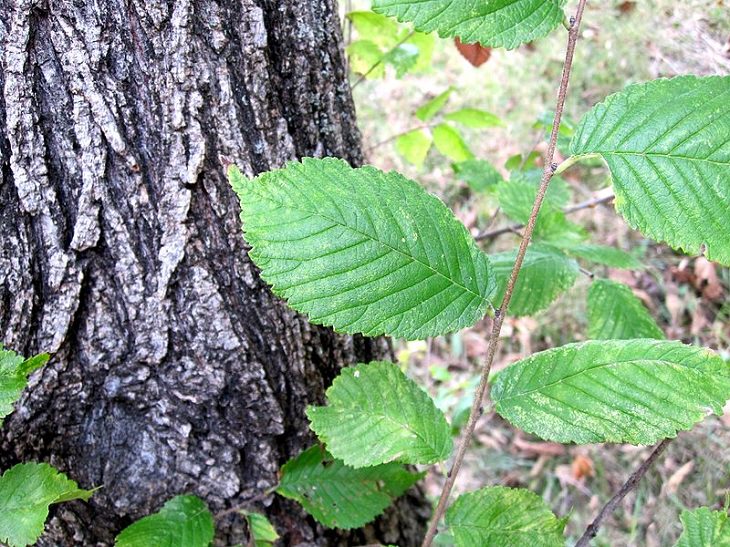
Slippery elm, sometimes known as Indian elm or red elm, is a tree which is known for its dark brown to reddish-brown bark. Its bark contains mucilage, a substance that, when mixed with water, turns into a slick gel. 
 
This mucilage is known for its healing and medicinal properties. In addition to mucilage, slippery elm also contains antioxidants as well as anti-inflammatory properties. As a matter of fact, the inner bark contains many nutrients, such as tannins, calcium, iron, magnesium, manganese, phosphorous, selenium, potassium, zinc, beta-carotene, and vitamins B1, B12, B3, and C. Slippery elm can be found in your local health food store in numerous forms, including tea, lozenges, tablets, capsules, poultice, and liquid extract. 
 
Below are 10 amazing health benefits of slippery elm.
 Bet You Never Knew a Tree Could be So Beneficial to You
 
1. Treats Inflammatory Bowel Diseases 
 As it's a demulcent, slippery elm helps soothe the lining of your stomach and intestines. This, in turn, reduces stomach irritation, one of the common symptoms of inflammatory bowel diseases such as Crohn's disease, ulcerative colitis, and irritable bowel syndrome (IBS). 
 
To ease the symptoms of inflammatory bowel syndrome: 
 
1. Add a tablespoon of slippery elm powder to a glass of hot water. 
 
2. Leave it to steep for 5 minutes. 
 
3. Drink it at least one hour after taking other medication. 
 
4. Drink 2-3 times a day, as required. 
 
 
2. Soothes a Sore Throat  
The mucilage in slippery elm can coat the throat and provide almost instant relief form a sore throat, whether it's because of a cold, cough, tonsillitis, or laryngitis. The gel soothes the sore throat by reducing inflammation. 
 
 In fact, slippery elm is a very common ingredient in throat lozenges. 
 
To alleviate your sore throat:  
 
1. Add 2 teaspoons of the inner bark of slippery elm to 2 cups of boiling water. 
 
2. Cover, and leave to steep for 5-10 minutes, then strain it. 
 
3. Drink this tea twice a day for a couple of days. 
 
 
3. Fights Constipation 
Slippery elm's high mucilage content makes it an effective remedy for constipation. When you consume slippery elm, it helps stimulate the nerve endings in your gastrointestinal tracts, which is why it is useful for constipation. Furthermore, due to its demulcent properties, it is also good for healing hemorrhoids. 
 
To treat constipation: 
 
1. Mix 1 teaspoon of slippery elm bark powder with 2 cups of boiling water. 
 
2. Add a teaspoon of sugar and a pinch of cinnamon powder. 
 
3. Drink 1 to 2 cups of this twice a day, as required. 


4. Combats Heartburn and Gerd

health, elm
Heartburn can be severely reduced with slippery elm. The mucilage present in the slippery elm coats the esophagus and reduces any irritation and inflammation that occurs when stomach acid flows up the esophagus. It is also effective at treating gastro-esophageal reflux disease (GERD). 
 
To relieve heartburn or GERD
 
1. Mix 1 to 2 tablespoons of slippery elm powder to a glass of water. 
 
2. Drink it after a meal. 


5. Treats Respiratory diseases
Slippery elm is thought to be an antitussive, meaning it helps in treating respiratory ailments such as asthma or bronchitis. Its anti-inflammatory nature helps to thin the mucus that clogs the airways and it can help prevent that bronchial spasms which are associated with asthma attacks. 
 
 To make slippery elm tea for asthma: 
 
1. Add 2 teaspoons of the inner bark of slippery elm to 2 cups of boiling water. 
 
2. Cover and let it steep for 5 minutes. 
 
3. Strain, and add 1 teaspoon of honey.
 
4. Drink this tea twice a day when suffering from asthma. 
 
 
6. Cures Dermatitis 
Slippery elm is a great remedy for dermatitis, an inflammatory skin condition that causes itching, swelling and inflammation. Due to its very high mucilage content, it helps to moisturize the skin and promote healing. 
 
To treat dermatitis: 
 
1. Wash and then grind two slippery elm leaves to a paste. 
 
2. Apply it to the affected area. 
 
. Allow it to sit on the area until it completely dries, then wash it off. 
 
4. Do this 2-3 times a day until you see an improvement. 
 
 
7. Treat a Stomach Ulcer 
Slippery elm can be used to treat stomach ulcers. Due to its mucilage content, it soothes and calms the inflammation and pain associated with stomach ulcers. 
 
To treat a stomach ulcer: 
 
1. Grind the inner bark into a fine powder. 
 
2. Mix 1 teaspoon of this powder into 1 cup of warm water. 
 
3. Drink this mixture, 3 to 4 times a day for 1 week. 
 
 
8. Heals Wounds
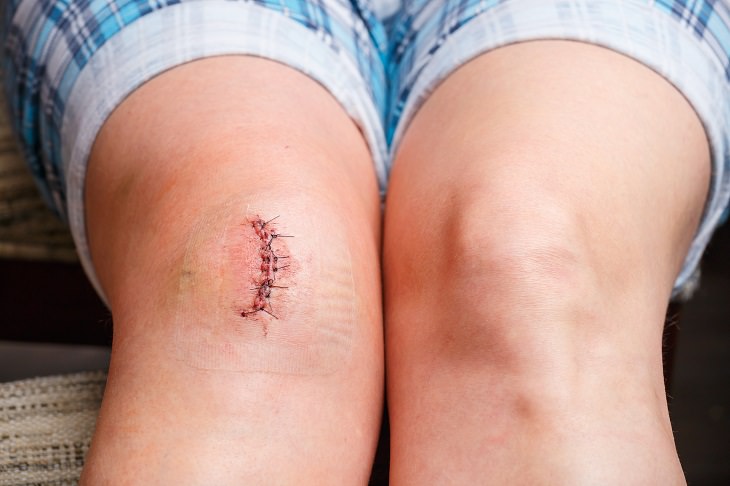
 Slippery - Elm - Health - Benefits
 
Slippery elm can be used to heal wounds and boils as it has the ability to heal internal tissue. It is also effective for treating pulled muscles or other aches and pains. 
 
To make a poultice using slippery elm: 
 
1. Mix slippery elm powder in boiling water to make a paste. 
 
2. Allow it to cool. 
 
3. Apply it to the affected area. 
 
4. Wash it off after a few hours. 
 
 
Note: Don't leave this poultice on your skin for more than 24 hours as it shrinks and pulls the skin. Also, don't apply it to open wounds.


9. Reduce Irritation of Urinary Tract 
The mucilage present in slippery elm can soothe the lining of the urinary tract. The can help reduce inflammation and other painful, irritating symptoms. 
 
 How to reduce urinary tract irritation:  
 
Drink slippery elm tea once or twice a day. 
 
Take a supplement (consult your doctor first). 
 
 
10. Aids Weight Loss 
Slippery elm aids digestion, and this is why it also helps weight loss. It binds to substances in the intestines that the body doesn't need and slows their absorption into the body. Furthermore, its diuretic properties help reduce fluid retention and shed water weight. 
 
 To facilitate weight loss: 
1. Add 2 tablespoons of slippery elm bark powder to 2 cups of hot water. 
 
2. Leave it to steep for 5 minutes. 
 
3. Drink this tea 2-3 times a day. 
 
 
Additional Tips  
 
Pregnant or breastfeeding women should not consume slippery elm as it contains compounds that can lead to a miscarriage. 
 
 When taking supplements, read the product labels and consult your doctor beforehand. 
 
For safety measures, wait 1 hour after taking oral medication before taking slippery elm.


This is only for your information, kindly take the advice of your doctor for medicines, exercises and so on.   

https://gscrochetdesigns.blogspot.com. one can see my crochet creations  
https://gseasyrecipes.blogspot.com. feel free to view for easy, simple and healthy recipes    
https://kneereplacement-stickclub.blogspot.com. for info on knee replacement
https://cancersupportindia.blogspot.com  for infor on cancer and health related topics
https://GSiyers home remedies.blogspot.com   is the latest addition to my blogs. I'm going to add posts there, do give me your valuable feed back on my blogs. Thanks a lot, take care, be healthy and be happy.
Labels: , , , , , , , , ,

Tuesday, March 29, 2022

Disinfectant use by pregnant women may increase risk for asthma and eczema in children

Use of disinfectants by pregnant women may be a risk factor for asthma and eczema in their children, finds a population study, published online in Occupational & Environmental Medicine.

Disinfectants are used frequently in hospitals and other medical facilities, and the covid-19 pandemic has led to an increase in their use in medical settings and also more widely, including by the general population.

Exposure to disinfectants in the workplace has been linked to asthma and dermatitis previously in the workers exposed, but few studies have looked at the impact of disinfectant use during pregnancy and the subsequent development of allergic disease in children.

The authors used data on 78 915 mother-child pairs who participated in the Japan Environment and Children's Study to examine whether mothers' exposure to disinfectants in the workplace was associated with increased risk of diagnosis of allergic diseases in their children when aged 3 years.

The odds of children having asthma or eczema were significantly higher if their mothers used disinfectant one to six times a week compared with the odds in children of mothers who never used disinfectants.

There was an exposure-dependent relationship between prenatal exposure to disinfectants and the odds of children experiencing these allergic conditions, with the children of mothers exposed to disinfectants every day having the highest odds of a diagnosis - 26% greater for asthma and 29% greater for eczema than children of mothers who were never exposed to disinfectants.

There were no significant associations between disinfectant use and food allergies.

This is an observational study, and as such, can't establish cause. The authors also noted some limitations, including that the information on disinfectant use by mothers was self-reported with specific disinfectants not identified. Diagnoses of allergic diseases in children were also reported by mothers.

Nevertheless, the authors conclude, "Our findings indicate that exposure [to disinfectants] during pregnancy exerts an effect on allergies in offspring regardless of whether the mother returns to work when the child is 1 year old, and suggest an effect by exposure during pregnancy alone."

They add, "Given the current increased use of disinfectants to prevent new coronavirus infections, it is of great public health importance to consider whether prenatal disinfectant exposure is a risk for the development of allergic diseases."

Several mechanisms that could explain the increased risk of allergic disease in children following their mothers' exposure to disinfectants during pregnancy were suggested by the authors.

They included microbiome-mediated (disinfectants impact the gut and skin microflora of the mother and subsequently the child), immune-mediated (exposure to some chemical compounds during pregnancy impacts the immune response in the fetus), postnatal exposure (children inhaled or touched molecules of disinfectant on the skin of their mothers), or bias (mothers who use medical disinfectants frequently are likely to be more medically knowledgeable and have better access to healthcare).


This is only for your information, kindly take the advice of your doctor for medicines, exercises and so on.   

https://gscrochetdesigns.blogspot.com. one can see my crochet creations  
https://gseasyrecipes.blogspot.com. feel free to view for easy, simple and healthy recipes    
https://kneereplacement-stickclub.blogspot.com. for info on knee replacement


Labels: , , , ,

Monday, November 12, 2018

Body Signs You Shouldn't Ignore

Some symptoms seem harmless. But what if you're also ignoring a more serious one that indicates having a certain illness? Without a doubt, it's worth knowing these changes to be able to see if something is wrong so you can visit your doctor in time. Here are 10 body signals that you should pay closer attention to:
 
1. Dry or cracked lips
When you have flaky dry skin, this is a clear sign of an allergy. So pay close attention to the cosmetics that you use. Be aware too, of oral hygiene products, food that you eat and medicines. Cracks that appear in the corners of the mouth may indicate a lack of certain vitamins including B, A and E. If you have dry eyes, a dry mouth and problems with your digestive system, you had better visit a doctor because it can be a combination of symptoms which are specific for an autoimmune disease called Sjögren syndrome.
2. Eyebrow loss
Thick brows are a current trend. But, they can also be a big health indicator. A periodical loss of eyebrow hair is quite normal, but if you notice an excessive loss of hair as well as the appearance of bald spots or possibly, a complete disappearance of the eyebrows, be sure to contact a doctor immediately. It can be connected to an excessive or an insufficient level of thyroid activity. 
3. Nail dystrophy
A change in color or structure should be checked immediately. Thin and pale nails can be a sign of anemia and a lack of iron in the body while yellowing can be a signal of liver and gastric tract disorders or a fungal infection. White spots and stripes may be due to a lack of zinc, copper, and iodine. And the nails can become very brittle when faced with a lack of vitamins, calcium, iron, and beta-carotene in the body. 

4. Pale lips with a bright contour
If you notice a red border of the lower lip becomes swollen, and you see there are small bubbles, it is likely that you are very sensitive to ultraviolet rays. What you can do in this situation is decrease your exposure to the sun, and use sunscreen cosmetics. If you notice the same symptoms on the middle part of the lip, it could indicate vegetative neurosis. So taking sedatives will become an important part of treatment along with anti-inflammatory ointments. A severe swelling and redness of the entire lip may indicate an allergic reaction. In which case, be sure to pay attention to what cosmetics and toothpaste you are using. 
5. Red face
If we exclude natural physiological changes such as a change in temperature, a massage, or alcohol consumption, there are three main reasons for getting red in the face. In women over 40, this is due to a decrease in hormone levels which indicate the beginning of menopause. A red face may also indicate the presence of infections that cause demodicosis. Partial redness that is accompanied by sudden attacks of dizziness can signify pressure fluctuations that can be normalized with the help of special medicines.  
6. Dry heels
Dry heels could occur due to a lack of the vitamins A and E. It can also be caused by a presence of fungal infections that affects the overall condition of the epidermis. The last case usually goes together with numerous cracks and the yellowing of nail plates. If dryness and roughness persist even after proper care and an adequate intake of vitamins, it may be a sign of endocrine disruption. 
7. Dry hands and dry skin on the body
During colder seasons, dry skin is normal. But using a moisturizing cream, consuming plenty of water and taking vitamins are quite helpful. If these solutions don't work, visit a dermatologist as dry skin is one of the common signs of diabetes and hypothyroidism. If your skin is both rough and peeling, and also tight and full of cracks, it may turn out to be dermatitis caused by a natural reaction to chemical exposure.  
8. Foot deformity
The displacement of a foot bent inward and a change in the shape of the foot characterized by the omission of the longitudinal or transverse arches may indicate a flatfoot. Studies show that transverse flatfoot combined with other deformations tends to occur more often than longitudinal flatfoot. In addition, women are generally more vulnerable to it, due to wearing high heels which cause an uneven load distribution. Heels tend to put the biggest load on the area of the transverse arch. When this arch isn't able to stand such a load, the foot can get unpleasant, painful, pulling sensations which indicate the beginning of a deformation.
9. White stains on teeth
This is also known as dental fluorosis, a chronic disease that develops either before teething or after, when consuming large amounts of water or products with a high content of fluorine compounds. There are also 5 types of fluorosis classification, which are, questionable, very mild, mild, moderate and severe. The first three variations tend to manifest visually through the appearance of stains, while the last two, lead to decaying teeth tissues and teeth crumbling. 
10. Hair loss
A person tends to shed on average, about 100 hairs per day. This is caused because hair follicles go through certain growth stages that can last from two to eight years. Once the growth stage is over, the hair strands fall out and new ones begin to grow after a two-month rest. This means at one point in time, about 80 to 90% of a person's hair is growing, while the rest is shedding or is in a resting phase. If, however, you've noticed more significant hair loss, be sure to consult your doctor as a number of diseases could be the cause, including skin infections, thyroid disorders and immune disorders.

THIS IS ONLY FOR INFORMATION, ALWAYS CONSULT YOU PHYSICIAN BEFORE HAVING ANY PARTICULAR FOOD/ MEDICATION/EXERCISE/OTHER REMEDIES.                                                                                                                                                                                                             PS- THOSE INTERESTED IN RECIPES ARE FREE TO  VIEW MY BLOG-                                                                                           https://gseasyrecipes.blogspot.com/   

FOR INFO ABOUT KNEE REPLACEMENT, YOU CAN VIEW MY BLOG-                                                                                                    https:// kneereplacement-stickclub.blogspot.com/                              

FOR CROCHET DESIGNS                                                                                                                                                                                                                                 https://gscrochetdesigns.blogspot.com


Labels: , , , , , , , , , , , , , , ,