Wednesday, September 11, 2019

6 Extremely Poisonous Plants People Confuse for Food

Most of us know to exercise caution around mushrooms. We’ve all been taught about the dangers of fungi and are taught to stay away from toadstools unless we’re a 100% sure we recognize the specific species and know for a fact it’s safe for consumption. The same goes for mold, which we will only ever accept on our food if that food is blue cheese.
And yet, when it comes to true plants, many people drop their guard down for inexplicable reasons. Maybe they are under the misguided impression that because plants are “natural” that necessarily means they’re good for us. While far from the most common cause of poisoning (that dubious honor belongs to carbon monoxide and household items such as pesticide), hospitalization due to ingestion of poisonous plants is entirely preventable. 
The first rule of thumb is to NEVER INGEST ANY PLANT YOU UNLESS YOU’RE ABSOLUTELY CERTAIN IT’S SAFE. But knowing about particular plants which pose more threat can also help mitigate the odds of poisoning from occurring.
 
1. Nerium Oleander
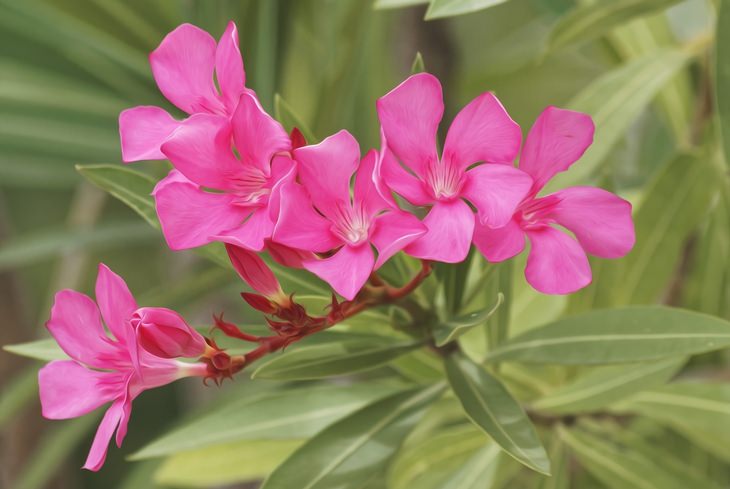
Poisonous plants: nerium oleander
This decorative shrub is native to the subtropical regions of Africa, Europe, and Asia, but has been introduced to America, where it thrives, particularly along coastal areas. They are prized for their beautiful flowers, which commonly range from rosy-white to red, though yellow oleanders can also be found. Oleanders are easy to recognize by their leaves, which are tough, long and sharp.
It is also among the most poisonous plants that can grow in your garden. All parts of the plant are incredibly toxic, with the poison directly targeting the heart, causing cardiac arrest, coma or even death when ingested. Stories abound of people brewing oleander tea and being rushed to the hospital. And humans aren’t the only mammals susceptible to oleander poisoning, a fact that can be deduced by one of the shrub’s nicknames: dogbane. Needless to say, keep your canine friends away from this bush.
2. Belladonna
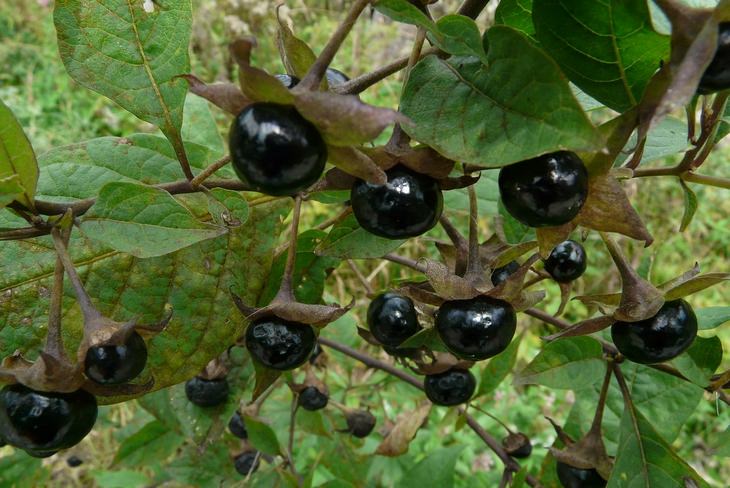
Poisonous plants: belladonna nightshade
This plump and inviting fruit may look like a cherry or blueberry, and is actually sweet if bitten, but it’s one of the most toxic plants known to man, with two to four berries being enough to kill a child. Also known as deadly nightshade, the use of this plant as poison was so ubiquitous in ancient times that when Europeans first saw its American cousin, the tomato, they suspected it of being toxic, a rumor that was exacerbated by the reaction of the tomato’s acids with toxic lead in their pewter dining plates.
Regardless, the dangers of belladonna are very real, and curious children especially should be warned about this plant.
3. Buckeye and Horse Chestnut
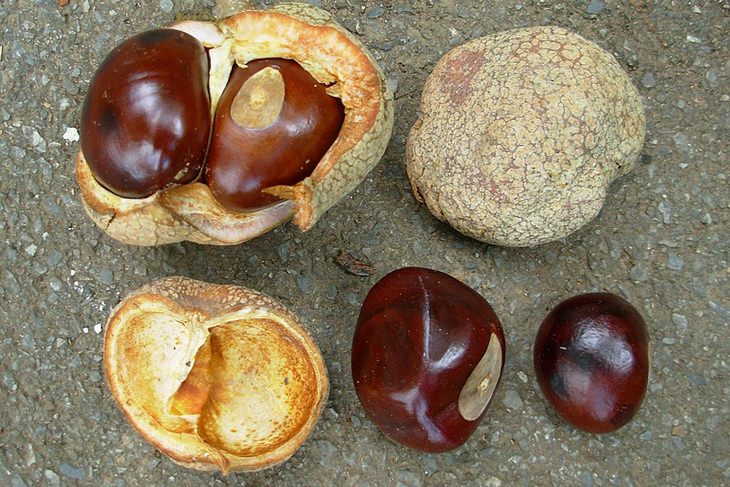
Poisonous plants: buckeye
These nuts may not be lethal, but they are toxic and easily confused with the unrelated and edible chestnut, as they have the same shape, alluring sheen and are housed within an accessory fruit. The fruit of the true chestnut is covered by a multitude of dense, sharp spines that look like that of a hedgehog, while the fruit of the poisonous horse chestnut is only mildly prickly and the buckeye has no spines, at all.
4. Rhododendrons and Azaleas
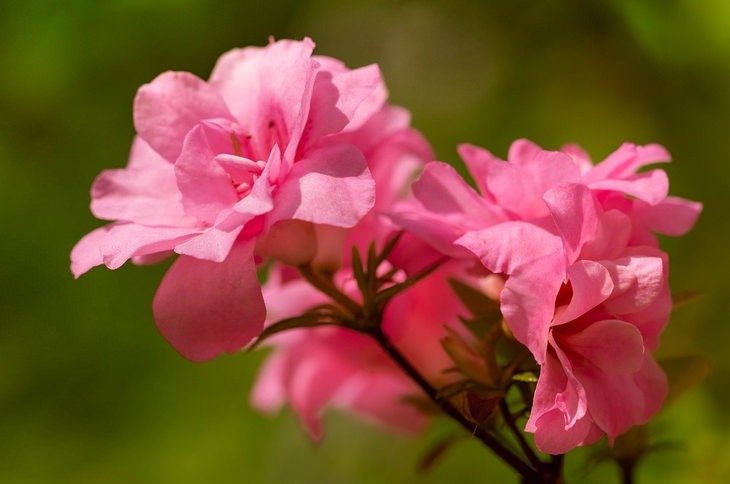
Poisonous plants: rhododendron azalea
Rhododendrons, of which azaleas are subspecies, are beautiful flowering plants, a great addition to any garden, but their sweet nectar houses dangerous mind-altering toxins. There is an ancient tradition in Asia Minor (modern-day Turkey), dating back more than two thousand years ago of deliberately feeding this poisonous nectar to bees, who go on to produce hallucinogenic honey. According to a legend, Roman legionnaires in the 1st century BC fell to a literal honeypot trap, when their opponents left this “mad honey” for the Romans to find.
5. Horsenettle
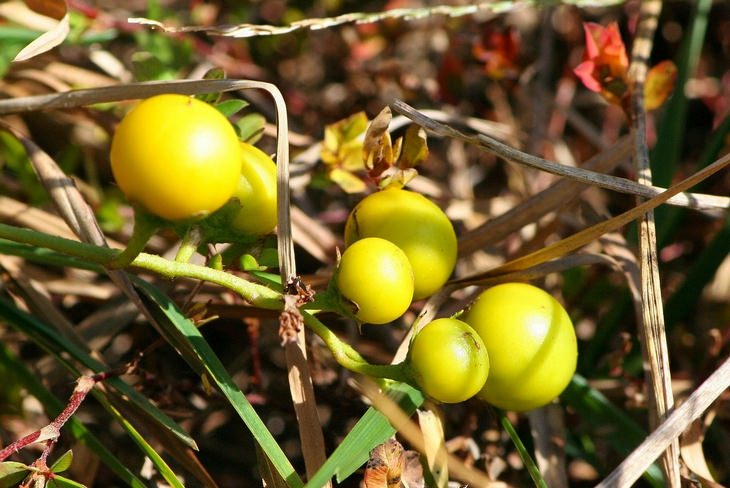
Poisonous plants: horsenettle tomato
Not actually a true nettle despite its name, this American plant is another deadly member of the nightshade family, and is sometimes known as the devil’s tomato or wild tomato. Ingesting the horsenettle’s tomato-like fruit can cause hypoventilation and sometimes death.
6. Pokeweed
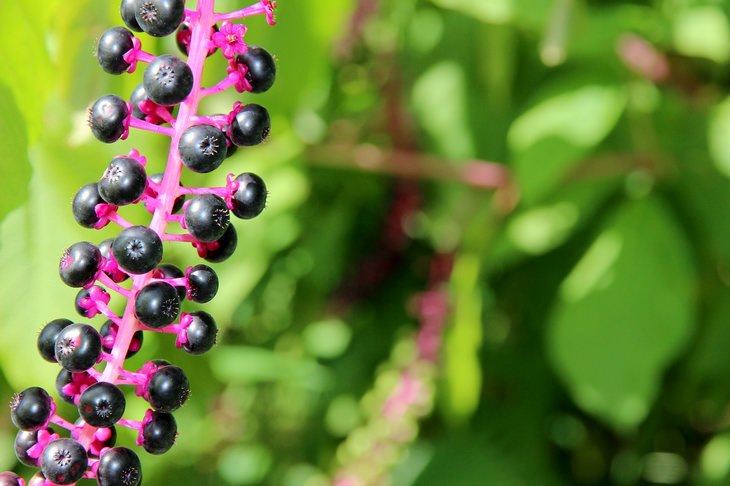
Poisonous plants:
These beautiful berries are commonly eaten by birds, but for humans, they’re potentially-lethal poison. All parts of this plant are poisonous, a fact that is somewhat confused by one of this plant’s alternative names, poke salad (not to be confused with the Hawaiian poke bowl). Why a salad? Because the shoots and leaves (never the berries!) can be prepared in such a way that they are edible, but unless you know how, you should probably not make the effort. Ingestion can cause all sorts of gastrointestinal problems such as vomiting, cramps and bloody stool, as well as convulsions and deadly respiratory failure.
 this is only for your information, kindly take the advice of your doctor for medicines, exercises and so on.   
https://gscrochetdesigns.blogspot.com. one can see my crochet creations 
https://gseasyrecipes.blogspot.com. feel free to view for easy, simple and healthy recipes    
https://kneereplacement-stickclub.blogspot.com. for info on knee replacement


Labels: , , , , , , , , , , ,

Wednesday, July 31, 2019

The Most Common Summertime Health Complications

If we were to talk about seasons when you’re more prone to fall ill, the first one that comes to mind is winter, but the truth is different diseases thrive in different conditions, and summer has its own nasty repertoire of illnesses that are more prevalent when the temperatures rise. Here are seven you need to be on the lookout for:
1. Asthma
For the asthmatic, summer is the worst. Increased air pollution, pollen, and mold can cause frequent asthma attacks. The safest bet for people suffering from asthma is to keep a close eye on air quality levels using weather apps and websites and stay indoors in days when pollutant and allergen levels in the air are high.
2. Swimmer’s Ear
There is no better refuge from the sweltering heat of summer than in a swimming pool, but not taking care to drain the water out of your ear canal after a swim creates the perfect habitat for bacteria. The resulting infection, commonly known as swimmer’s ear, is painful and can cause reduced hearing.
To avoid swimmer’s ear, make sure to drain the water from your ear canals after swimming or showering by dipping your head to both sides and pulling on your ear lobe gently to help the water out. And whatever you do, do not insert cotton swabs in your ear. Ear wax protects you exactly from these types of infections and foreign objects may only hasten swimmer’s ear.
3. Coxsackievirus
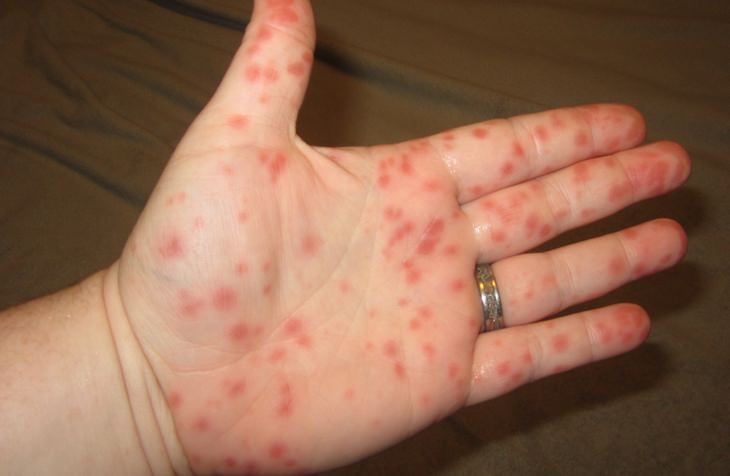
Summer illnesses: hand, foot and mouth, coxsackie
This viral infection is related to polio and is far more common during summertime, and mainly infects children. It is transmitted through saliva and feces and can cause painful mouth blisters, acute eye inflammation and hand, foot and mouth disease (HFMD). It is also one of the main causes of viral meningitis, which, while typically non-lethal (as opposed to bacterial meningitis), can cause impaired cognitive abilities and hearing loss if left untreated.
4. Hyperthermia
Hyperthermia is an umbrella term for medical conditions caused by the overheating of the human body. Normally, humans have an internal heat-regulating system, but a combination of age, extreme weather conditions, physical exertion and loss of ability to cool down the body can cause the body to overheat. For example, one of the body’s most effective ways to regulate heat is through sweat, but high humidity in the air makes sweat virtually ineffective.
Heat-stroke is the most severe hyperthermia-related condition and can cause death and permanent disability. One particular environment where heat strokes are more common is inside cars that have been left out in the summer sun.
5. Food Poisoning
The heat and heavy humidity of summer may not be comfortable for us, but they’re optimal for bacteria and mold, making food spoil much faster in the summer. More than a mere inconvenience, the water loss caused by nausea and diarrhea can cause dehydration and more problems for older people. Keep food well refrigerated and don’t touch food that’s been left out for an hour or more.
6. Poisonous Plants
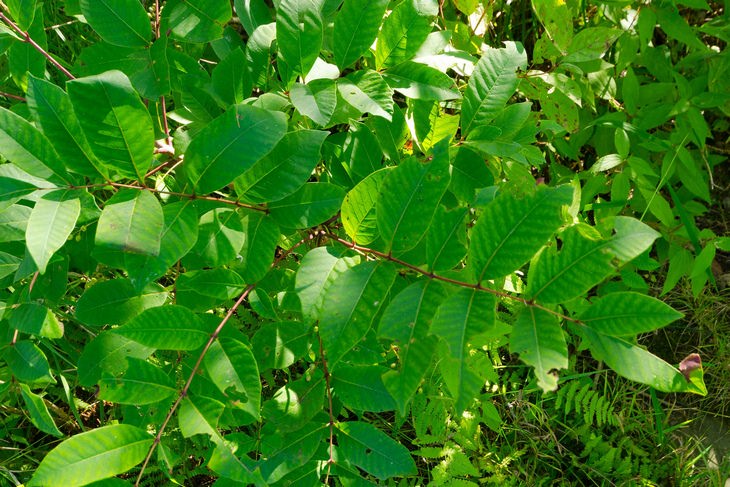
Summer illnesses: toxicodendron poison ivy oak sumac
The sap of plants belonging to the Toxicodendron family (which includes poison ivy, poison oak, and poison sumac) secretes an oil called urushiol which about 85% of humans are generally allergic to, while 25% of people are severely allergic to it. Skin contact with these plants will cause a severe rash, swelling, blisters, and scarring. Since the reaction is an allergic one, cortisone cream and antihistamines may help with the symptoms, but see a doctor if you see pus-filled blisters, as that may indicate an infection.
7. Lyme Disease
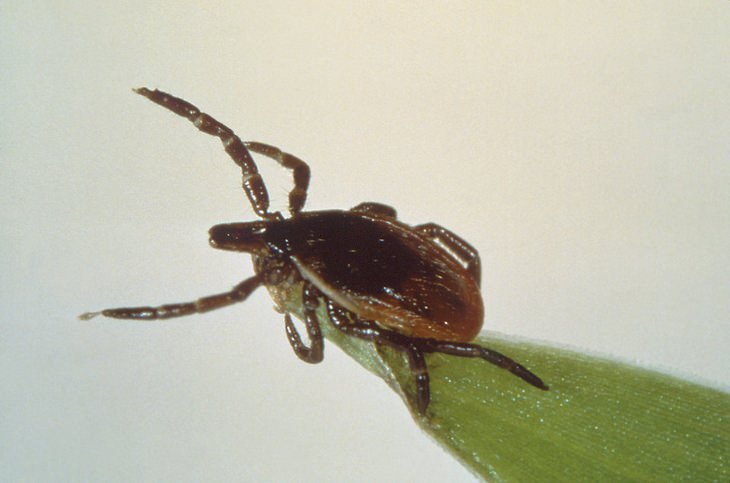
Summer illnesses: deer tick Lyme
The tick-borne Lyme is most common during summer, as people tend to spend more time outdoors while having more areas of bare, unprotected skin. Luckily, a bite alone does not transmit the disease, as it typically takes more than a day of feeding for the infection to take place. Always check for ticks when returning from outings in a grassy or densely-vegetated area.
Removing the pest
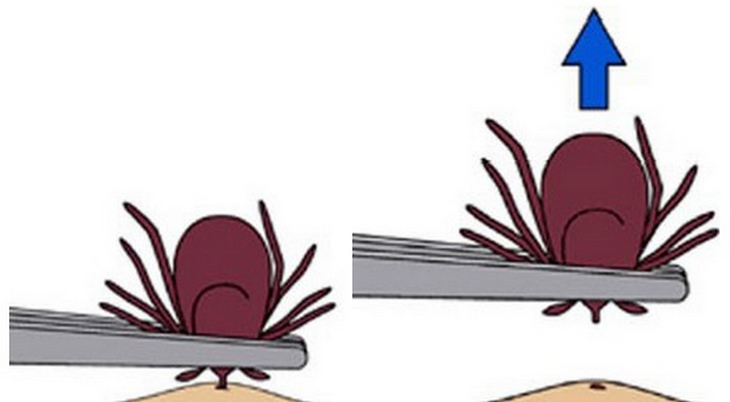
Ticks: removal
Grasp the tick with fine-tipped tweezers as close to the skin as possible and pull it upwards with a steady hand. In case the tick is torn in the process, with the mouth still attached to the skin, remove it separately with clean tweezers. Place the tick in a plastic bag or sealed box. It may be important to keep it, as not all ticks transmit Lyme disease, and identifying the culprit may be important. After handling the tick, clean the bite area with alcohol or soap.
Follow Up
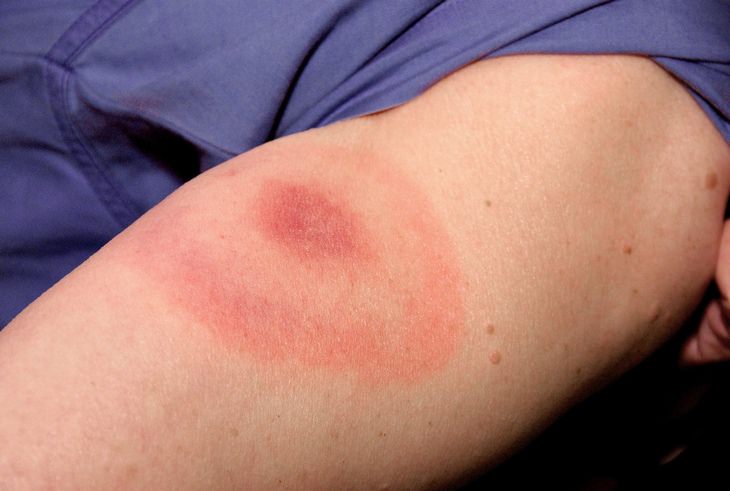
Ticks: rash
If you develop a rash at the site of the tick bite after removing the tick, consult with a doctor. The rash may take weeks to manifest, so try to remember the time and spot of the bite. Make sure to mention the tick to the doctor. The rash is typically painless, does not itch, and may grow in size, appearing like a “bull’s eye”. The rash doesn’t always appear this way, and in 20% of cases, there won’t be a rash at all. If no rash is present, be on the lookout for other symptoms, such as fever, fatigue and joint pain. If a knee begins to swell painlessly and without connection to any physical activity, that too may be a telltale sign of Lyme disease.
Early identification and treatment is crucial, as it may save you from some of the harsher, permanent symptoms of Lyme disease, including long-term brain damage.
THIS IS ONLY FOR INFORMATION, ALWAYS CONSULT YOU PHYSICIAN BEFORE HAVING ANY PARTICULAR FOOD/ MEDICATION/EXERCISE/OTHER REMEDIES.                                    PS- THOSE INTERESTED IN RECIPES ARE FREE TO  VIEW MY BLOG-                                                                                           https://gseasyrecipes.blogspot.com/                                                                                                                                                FOR INFO ABOUT KNEE REPLACEMENT, YOU CAN VIEW MY BLOG-                                                  https:// kneereplacement-stickclub.blogspot.com/                                                                      FOR CROCHET DESIGNS                                                                                                    
                                https://gscrochetdesigns.blogspot.com
 

Labels: , , , , , , , ,

Monday, December 24, 2018

10 Holiday Health Hazards to Avoid

The holiday season is meant to be a time for unwinding with your close friends and family. However, this season does not come without its own set of particular hazards, which could lead to devastating consequences. In order to stay safe this holiday season, make sure to avoid the following hazards:

1. Shopping woes
With any shopping trip, you need to pay attention to just how much weight you carry. Going from one shop to the next with several bags could wear you down and cause a backache. "This is not the time to be a superhero," according to a certified family physician. "Take breaks so you're not standing on your feet the entire day."
2. Food poisoning
With every year that passes, approximately 48 million people are sent to the hospital due to foodborne diseases, according to the doctors. During the holiday season, you must be mindful of preparing meat, poultry, seafood, and eggs especially, she says. Use separate cutting boards to avoid the spread of bacteria, and ensure that ground meat is cooked to 160 degrees, whole meat gets to at least 145 degrees, and chicken should reach 165 degrees.
3. Poisonous plants
Hold the mistletoe and holly if you plan to have pets and small kids around during the holidays. Both of these plants can be highly toxic, and pine cones and falling berries can also pose a significant choking hazard. Your best bet is to ensure that nobody smaller than a holly bush gets near any seasonal plants this year.
4. Choking
Almost 3,000 people in the USA die each year from choking, and since you're eating more during the holidays than usual, you had better chew your chestnut pudding and pumpkin pie well. To avoid choking on food, take smaller bites, chew slowly and carefully, and avoid distractions while eating. You should also be wary of high-risk foods, such as hot dogs, grapes, candy with nuts, and hard fruits and vegetables.
5. Heart attacks
The holiday season is the worst time of year for heart issues, with heart-related deaths peaking in late December and early January. Holiday stress, heavy meals, ignoring chest pain, skipping medication, and understaffed hospitals are all triggers for a heart attack. Be aware of your body and enjoy everything in moderation to stay safe.
6. Flammable Christmas trees
Every year, over 400 residential fires start due to Christmas trees, which result in as many as 40 deaths and 100 injuries. Despite the fact that Christmas trees cause the fewest holiday-related fires, they actually account for the largest percentage of deaths, according to a report. The safest tree you could ever purchase is a flame-resistant artificial one.

7. Toy packaging
It may sound odd, but every year around 6,000 people in the USA visit the emergency room with injuries from attempting to pry, slice, or stab open gifts encased in hard plastic or which are held down with loads of metal twist ties. To prevent this, never allow your children to open their gifts unsupervised.
8. Sleep problems
A good night's rest is often the first thing that ends up being sacrificed to the altar of holiday festivities. However, losing sleep can lower immunity, lead to weight gain, increase stress, and even raise your risk for depression and car accidents. You won't regret making sleep a priority. 
9. Weight gain
Christmas cookies, late-night leftover ham sandwiches, and eggnog can all add up to at least an extra pound each year. What's more, studies suggest that you never really end up shedding it all before swimsuit season rolls around, so you should try your best to eat mindfully during the holiday season.
10. Stress
"Stress around the holidays can be worse than other times because people tend to over-commit themselves," she says . Women especially find the holidays challenging. Researchers discovered that 44% of women reported increased stress during the holiday season compared to only 31% of men. If you feel yourself getting overwhelmed, don't shy away from getting some help.
THIS IS ONLY FOR INFORMATION, ALWAYS CONSULT YOU PHYSICIAN BEFORE HAVING ANY PARTICULAR FOOD/ MEDICATION/EXERCISE/OTHER REMEDIES.                                                                                
 PS- THOSE INTERESTED IN RECIPES ARE FREE TO  VIEW MY BLOG-                                                                                           https://gseasyrecipes.blogspot.com/                                                                                                                                                                             FOR INFO ABOUT KNEE REPLACEMENT, YOU CAN VIEW MY BLOG-                                               
     https:// kneereplacement-stickclub.blogspot.com/                                                                                     
  FOR CROCHET DESIGNS                                                                                                                                                                                                              https://gscrochetdesigns.blogspot.com

Labels: , , , , , , , , , , ,