Thursday, May 16, 2024

Skin-to-skin contact: Why it's good for babies and parents

 There are five different love languages, according to psychologists, but only physical touch truly registers with newborns. Skin-to-skin right after birth is the practice of immediately placing the naked newborn against the mother’s body. The newborn baby is then stimulated to go through what may be referred to as nine innate stages by this practice: the birth cry, relaxation, awakening, activity, rest, crawling, familiarisation, nursing, and sleeping. 

While the birth cry is the first intense cry that helps the newborn to transition to breathe air post birth, the next eight stages can be closely observed between mother and baby – if left uninterrupted in skin to skin.

The eight stages and corresponding behaviours
1. Birth cry: Intense wail shortly after delivery, transition to inhaling air. 
2. Relaxation stage: Infant rests. No movement of the head, mouth, arms, legs, or body.
3. Awakening stage: Infant begins to show signs of activity. There are little head movements: up, down, and side to side. Small movements of limbs and shoulders. 
4. Active stage: Infant moves limbs and head, more determined movements. Rooting activity, ‘pushing’ with limbs without shifting the body. 
5. Resting stage*: Infant rests, with some activity, such as mouth activity, and sucks on the hand.
7. Familiarisation: Infant has reached the areola/nipple with the mouth positioned to brush and lick areola/nipple. 
8. Suckling stage:Infant has taken a nipple in mouth and commences suckling.
9. Sleeping stage: Infant closes eyes and falls asleep.

These stages, when left without any external interference, would also include the breast crawl (stage 6) where the newborn naturally crawls to the mother’s breast, to familiarize with the nipple to initiate the first breastfeed. At times, the baby's transition from crawling to suckling can be so gradual that it catches parents and labour room personnel off guard when they discover the infant has moved to nursing. At other instances, the infant might make loud, obvious movements to draw attention from others nearby. 

The skin-to-skin contact also causes a further release in oxytocin—the ‘love hormone’—in the mother. This warms up the mother’s body, which comforts the baby and results in less crying, while also lowering the chances of hypoglycaemia or low sugar levels in the baby.

Further, this love hormone helps mothers and babies to recognize each other’s unique scent. This clarifies the relationship between the development of mother-infant attachment and the rise in the mother's oxytocin during the first hour following birth. Additionally, oxytocin helps the uterus contract, which reduces bleeding, and the risk of postpartum haemorrhage in the mother. 

Research indicates that when babies who exhibit unpleasant behaviour when trying to latch are given the freedom to calmly progress through the phases of skin-to-skin contact at a later age, they may be able to successfully reach the nipple, connect to it on their own, and begin nursing. If it isn't feasible before, this could occur even weeks after delivery. This is a promising way to calmly solve breastfeeding problems and enhance mother-baby bonding.

After birth, skin-to-skin contact also had a positive impact on the infant's self-regulation at one year old. Another research which examined children at 10 years of age found that those who had received skin-to-skin contact as babies now displayed a range of benefits including better maternal attachment behaviour, reduced maternal anxiety, enhanced child cognitive development and good mother-child communication. 

While ample research backs the importance of skin-to-skin between mother and child, skin-to-skin can also be practiced between father and child. Fathers, too, experience the release of oxytocin in their bodies during skin to skin, with a simultaneous decrease in testosterone levels. This induces a much more calming and relaxed feeling in both father and child. It further helps the fathers understand and nurture the infants needs better, creating a long term stronger and emotional bond with the child after skin-to-skin is an established practice.

by- Dr. Vanshika Gupta Adukia is a pregnancy/childbirth and lactation specialist, a pelvic floor physiotherapist and founder of Therhappy, Mumbai.


This is only for your information, kindly take the advice of your doctor for medicines, exercises and so on.   

https://gscrochetdesigns.blogspot.com. one can see my crochet creations  
https://gseasyrecipes.blogspot.com. feel free to view for easy, simple and healthy recipes    
https://kneereplacement-stickclub.blogspot.com. for info on knee replacement
https://cancersupportindia.blogspot.com  for infor on cancer and health related topics
https://GSiyers home remedies.blogspot.com   is the latest addition to my blogs. I'm going to add posts there, do give me your valuable feed back on my blogs. Thanks a lot, take care, be healthy and be happy.

Labels: , , , , , , , , ,

Monday, April 23, 2018

Swallowing and Nursing Problems in Children

Does your baby have trouble nursing? Are feeding sessions lasting longer than half an hour? Do they choke when nursing or eating? Do they spit up frequently? Cry at mealtime? Seem uncomfortable? Are they not gaining enough weight or maybe suffering from failure to thrive (FIT)? Does your baby or child refuse to eat? The following article is for those who have to deal with these problems.
When a baby is born, the concern for its proper eating is central to its care and constitutes an important element in the relationship between the mother and the newborn. Sucking, nursing, and swallowing are an important part of the baby's development and experience in life. With that being said, swallowing disorders are most common in newborns and infants. Sometimes they continue until the age of two and then they decrease considerably. As adults, their frequency rises again.

What characterizes breastfeeding and feeding a newborn and infant?

The struggle for optimal feeding and proper swallowing begins with birth and the subject is highly complex and requires special expertise. At the beginning of life, the baby does not eat but is fed. Try to imagine someone feeding you and not taking your organizational abilities into consideration. In addition, at this early stage of life, there is no dialogue, meaning that the baby can only cry but cannot explain their distress in words.
Infant swallowing disorders are characterized by the fact that a baby cannot describe their difficulty in swallowing, and cannot make any changes in the swallowing process on demand. The baby has difficulty timing their breathing and swallowing if anything goes wrong, therefore a swallowing disorder can be seen as a breathing disorder due to inhalation of food into the respiratory tract where choking and other breathing problems such as tightness in the chest can be experienced and also seen as a swallowing disorder.
In infants, difficulty in swallowing can cause energy loss with relative ease and disrupt life-threatening failure to thrive. In addition, infants and young children can develop an eating disorder and during this period of life, an eating disorder can simulate swallowing disorder and vice versa. Swallowing disorders are becoming more and more common because today, with the advancement of medicine, newborns who would not have survived in the past now do, such as premature babies, babies with congenital malformations, cerebral palsy, and more.

What happens today when there is difficulty in breastfeeding and feeding?

When there is difficulty in feeding a baby or small child, many are the counselors and plentiful are the pieces of advice. In practice, these consultations are not given out of knowledge and the ability to specifically diagnose the individual baby, but out of beliefs, despite the ignorance in this field. Too often the problem is explained by a milk allergy, tongue tie, or "reflux," which means that food goes back in the opposite direction from the stomach to the esophagus, and sometimes even to the pharynx.
Primary reflux may be due to a gastric esophageal disorder but in many cases secondary reflux, for example, improper ingestion can cause the baby to take in air while swallowing. Air pressure in the stomach can cause reflux and more. Unfortunately, the term "reflux" is constantly heard by non-professionals, as any problems swallowing or constant spit up is mistakenly diagnosed as a reflux. Many infants and babies who have been mistakenly diagnosed with reflux may have a different problem that can be properly resolved.

What are the common causes of swallowing difficulties in infants?

Common causes of swallowing difficulties are immaturity of the swallowing mechanism and anatomical variation that can lead to different ratios of tongue, jaw, and lips. For example, the way a child’s mouth is built may not fit the structure of the mother's nipples or of common bottle nipples. The synchronization between breathing and eating is more problematic, as a baby can have problems breathing through their nose, or finds it difficult to synchronize their breathing with their swallowing, and therefore, finds it difficult to compensate for the swallowing difficulties by changing the way they swallow as an adult would.
In many cases, there may be no visual evidence of congenital malformations or any other cause, but there is difficulty in swallowing and the baby spits up or refuses to eat. However, there are hidden defects that those who are not experts will not be able to see. In other cases, there are known problems such as neurological disorders including cerebral palsy, congenital malformations, some of which are known as cleft lip or open cleft palate. Often the solution given is changing nipples to one that fits better or diagnosis and treatment of eating disorders such as refusal to eat. The rate of newborns and infants suffering from swallowing disorders of varying degrees of severity is quite high and its implications for parents and babies’ health are very significant.

Who do you need to see to diagnose and treat babies and infants who suffer from swallowing problems?

Diagnosis of swallowing disorders requires specific knowledge and expertise in this field. Non-diagnosis can cause great frustration to the parents, unnecessary hospitalization, tube feeding, severe morbidity and even feeding through an opening in the abdominal wall directly to the stomach (enteral feeding or gastronomy feeding). Every year in all parts of the world, children are unnecessarily fed through gastrostomy, and only because of a lack of a professional body to diagnose a swallowing disorder and offer a correct solution. Swallowing and drinking properly requires coordination of the lips, tongue, mouth, palate, throat, upper esophagus, and neck. It should be remembered that swallowing disorders can be a symptom of serious and sometimes dangerous diseases of which early diagnosis is essential.

How are swallowing disorders diagnosed?

A trained ear, nose and throat doctor may examine the functions of the mouth while drinking and eating, as well as the pharynx and throat through professional observation and endoscopic video testing, i.e., fiber-optic inserted through the nose. Indeed, in many cases, this is sufficient to diagnose the problem and offer an effective solution. An ear, nose and throat doctor is assisted by a trained speech therapist, whose role is very important.
When the clinical examination and the endoscopic examination are not sufficient, it is necessary to examine the swallowing mechanism, and then a video-fluoroscopic test should be performed. This test is a radiographic test and is the only one that can demonstrate the structure and operation of the swallowing mechanism. This dynamic test enables the completion of the clarification and thus a dynamic three-dimensional imaging of the swallowing mechanism, which is highly recommended by swallowing specialists, is conducted using a radiographic scanning machine, during which the baby breastfeeds, drinks and eats calmly.
This test allows for different feeding methods, including various bottles and nipples in order to see which one is best for baby in terms of swallowing and prevention of inhaling food or drink into the respiratory tract. In babies and infants, breathing and swallowing are more closely related to each other than in adults, and the assessment of feeding in children is different than in adults. 
Every year babies who are fed artificially or need frequent hospitalization are diagnosed and an immediate solution is reached in many cases. Babies from the neonatal intensive care unit (NICU) fed through tubes are often seen by ENT’s and leave in their happy mother’s arms when the problem is diagnosed correctly, a solution to the problem is found, and a new, healthy and happy life can begin for parents and baby.
To conclude
Infantile and neonatal swallowing disorders are a first-rate medical problem and require a specific professional medical evaluation. Only in this way can a baby be correctly diagnosed and offered a real solution.
THIS IS ONLY FOR INFORMATION, ALWAYS CONSULT YOU PHYSICIAN BEFORE HAVING ANY PARTICULAR FOOD/ MEDICATION/EXERCISE/OTHER REMEDIES.                                                                                                                                                                                                        PS- THOSE INTERESTED IN RECIPES ARE FREE TO  VIEW MY BLOG-                                                                                           https://gseasyrecipes.blogspot.com/  

FOR INFO ABOUT KNEE REPLACEMENT, YOU CAN VIEW MY BLOG-                                                                                                                              https:// kneereplacement-stickclub.blogspot.com/                              
FOR CROCHET DESIGNS                                                                                                                                                                                                                                 https://my crochet creations.blogspot.com


Labels: , , , , , , , , , , ,

Monday, April 09, 2018

Researchers develop fast, non-contact method for early detection of breast cancer

A new "fast, painless and non-contact" way for early detection of breast cancer in women of all ages including pregnant or nursing has been developed by the researchers

The proposed technique makes use of infrared emission emanating from the breast to detect the hidden tumors at a very early stage with predefined thermal stimulus on the area under examination.
"Infrared Thermography (IRT) is a fast, painless, non-contact, and non-invasive imaging method, complementary to mammography, ultrasound, and magnetic resonance imaging methods for early diagnosis of breast cancer," Associate Professor, who is associated with the research said.

The widely used mammography has its limitations in detecting tumors, especially in a "dense breast", he said.

"Dense breasts have less fat and more gland tissue in comparison to the fatty breasts, which restricts mammography to detect tumors with confidence. Especially for the tumors situated in the gland region of the breast, due to the insignificant density variations between the gland and tumor regions, mammography fails to provide enough radiographic contrast between the tumor location and healthy region of the breast," he added.

The Prof. explained that this limits the applicability of mammography in the screening of dense breasts. "Also, mammography leads to discomfort to the patient and the exposure to harmful ionizing radiation further restricts its applicability. However, the present Active IRT technique outperforms the standard method of mammography by providing patient-friendly breast screening," he said.

The research titled "Applicability of active infrared thermography for the screening of human breast: a numerical study", has been published. In the new method, an external thermal stimulus (heat/cold) is applied over the breast under examination for creating significant temperature differences (2 to 3 degrees centigrade from the ambient breast temperature) over the normal and abnormal (tumor) regions over the breast.

Thermal waves generated due to applied heat stimulus diffuse into the breast and produce a similar temporal temperature distribution on the skin surface of the breast with a certain delay and amplitude. The presence of tumors inside the breast alters the heat flow resulting in temperature gradients over the surface. Further, phase and amplitude images are constructed using frequency and time-domain data analysis schemes for detecting the sub-surface tumors with improved contrast.

THIS IS ONLY FOR INFORMATION, ALWAYS CONSULT YOU PHYSICIAN BEFORE HAVING ANY PARTICULAR FOOD/ MEDICATION/EXERCISE/OTHER REMEDIES.                                                                                                                                                                                                      PS- THOSE INTERESTED IN RECIPES ARE FREE TO VIEW MY BLOG-                                                                                           https://gseasyrecipes.blogspot.com/   
FOR INFO ABOUT KNEE REPLACEMENT, YOU CAN VIEW MY BLOG-                                                           https:// kneereplacement-stickclub.blogspot.com/                              

FOR CROCHET DESIGNS                                                                                                                                                                                                                                         https://my crochet creations.blogspot.com/

Labels: , , , , , , , , , , , , , , , ,

Tuesday, November 21, 2017

Breast milk protects babies from food allergies

Breast milk of mothers who eat foods that commonly cause allergy, such as milk, eggs and peanuts can help protect newborns from developing food allergies, a study has found.

Researchers found that breastfeeding can promote tolerance to the foods that most often cause allergies In mice, milk from mothers exposed to egg protein gave protection against egg allergy not only to the mothers' own offspring, but also to fostered newborns whose birth mothers had not received egg.

Newborns gained an insignificant degree of protection from mothers who were exposed to egg during pregnancy but did not breastfeed them.

The protective effect was strongest when the newborns were born to and nursed by mothers who were exposed to egg before and during pregnancy and breastfeeding.

The findings are consistent with new dietary recommendations for pregnant and nursing mothers.
Previous research had not been conclusive, with some studies indicating a protective role for breast milk, and others suggesting that children could become allergic to foods they encountered through their mother's diet.

Pregnant and breastfeeding mothers were sometimes cautioned against consuming foods that commonly cause allergy, such as milk, egg, peanut, tree nuts, soy, wheat, fish and shellfish.

More recently, feeding peanut foods to infants at high risk for peanut allergy was shown to decrease, not increase, the babies' likelihood of developing allergy to peanut.

Allergists now recommend that, unless mothers already have diagnosed food allergies, they should not avoid allergenic foods while pregnant and nursing.

"This elegantly designed and controlled study shows that mothers should feel free to eat a healthy and diverse diet throughout pregnancy and while breastfeeding," said a Dr.

"Eating a range of nutritious foods during pregnancy and breastfeeding will not promote food allergies in developing babies, and may protect them from food allergy," said the Dr.

At the same time, Dr. notes that maternal and early childhood diets do not cause food allergies in children.

Most children do not develop food allergies, regardless of how they are fed, while some children develop allergies even when fed an optimal diet.

"More research is needed to untangle the factors contributing to make food allergies much more prevalent in recent decades," scientists said.

The food allergy protections described in the study are dependent on specific proteins, some provided by the mother, others by the offspring.

By identifying these proteins and proposing a mechanism through which mother and offspring contribute to the development of food tolerance in the newborn mouse, the research opens new opportunities to study how the protections break down in the case of food allergy and how such breakdowns might be prevented.

THIS IS ONLY FOR INFORMATION, ALWAYS CONSULT YOU PHYSICIAN BEFORE HAVING ANY PARTICULAR FOOD/ MEDICATION/EXERCISE/OTHER REMEDIES.   

PS- THOSE INTERESTED IN RECIPES ARE FREE TO VIEW MY BLOG-                      

HTTP:GSEASYRECIPES.BLOGSPOT.COM/
FOR INFO ABOUT KNEE REPLACEMENT, YOU CAN VIEW MY BLOG-                                                                       
HTTP://KNEE REPLACEMENT-STICK CLUB.BLOGSPOT.COM/
FOR CROCHET DESIGNS

HTTP://MY CROCHET CREATIONS.BLOGSPOT.COM

Labels: , , , , , , , , ,

Sunday, June 08, 2014

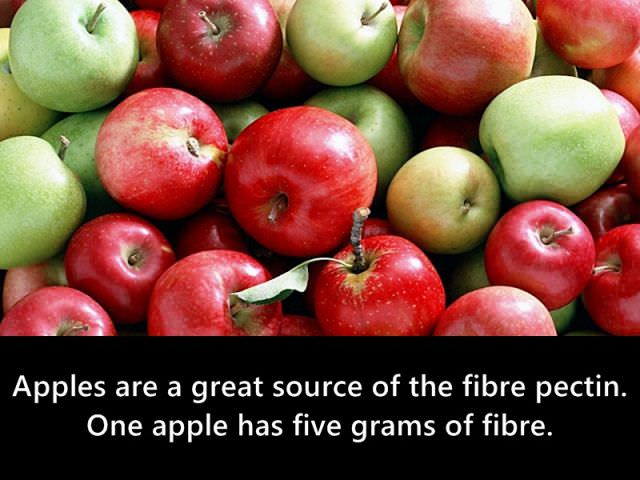
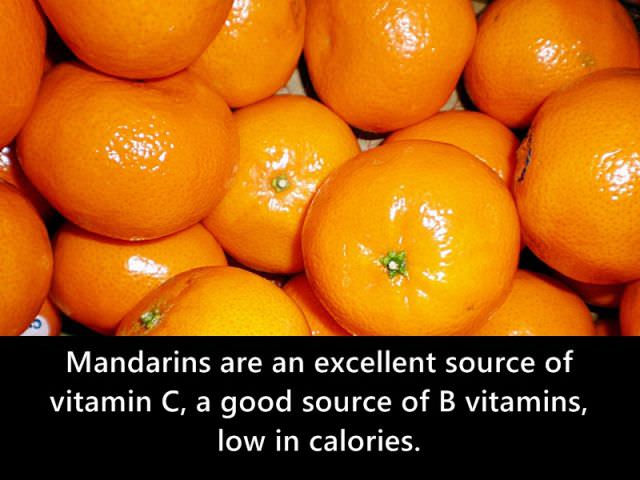
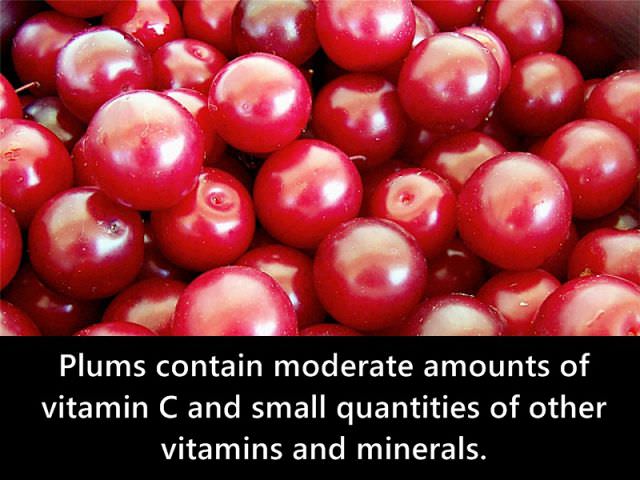
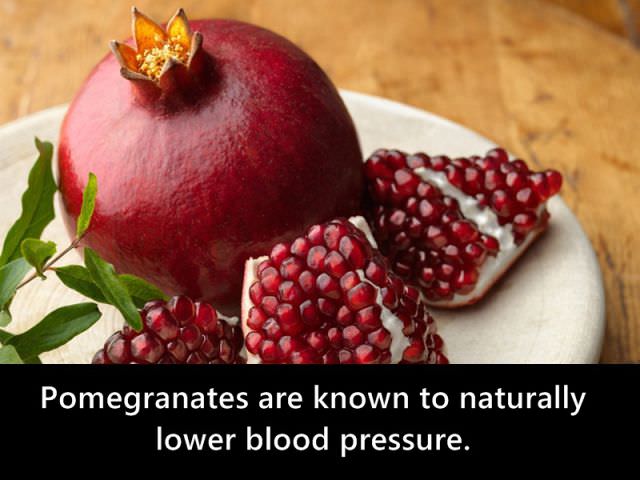
The Fruits That Aid Your Health

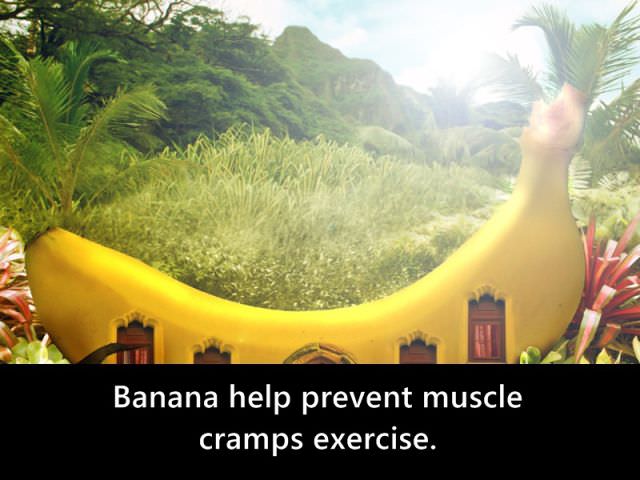
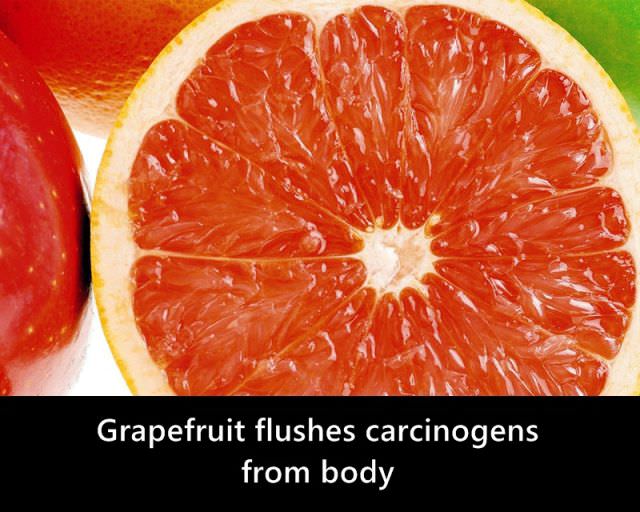
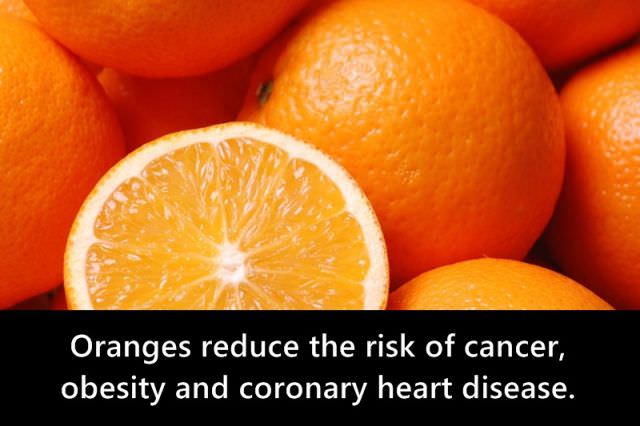
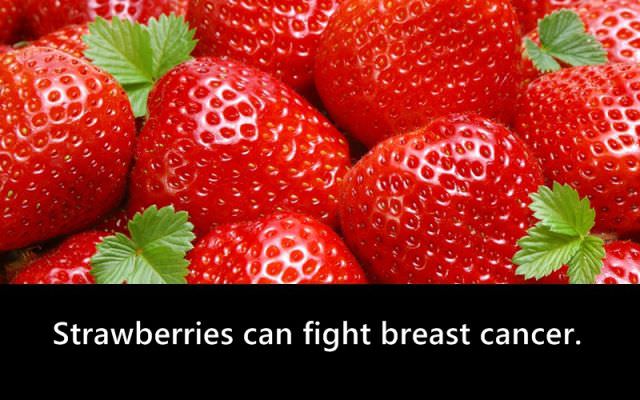
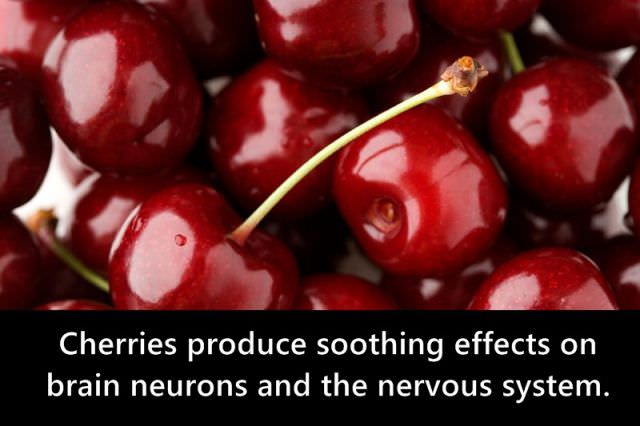
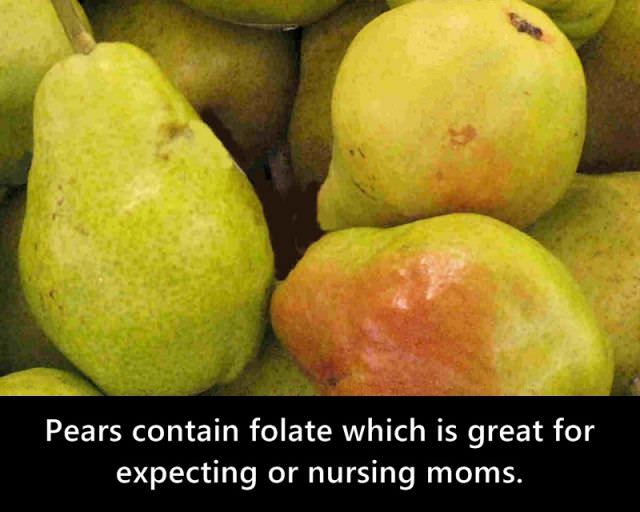
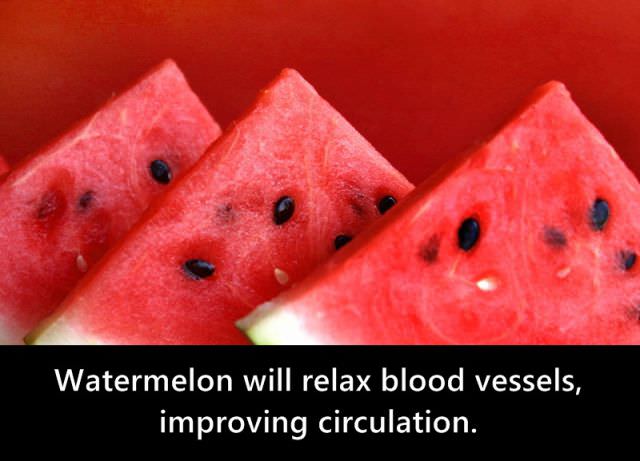
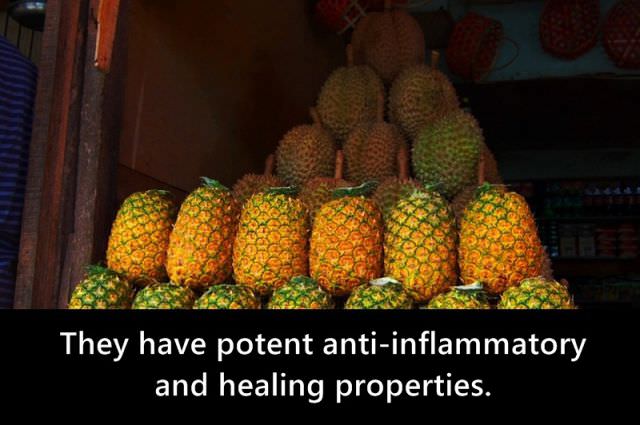
Fruit are among the most precious gifts nature has given us. They are tasty, full of nutritional values and also count among them many natural remedies to a slew of diseases and poor health conditions. So bookmark this list, because many of life's little inconveniences can be helped with a good fruit snack.
fruit facts
 
fruit facts
 
fruit facts
 
fruit facts
 
fruit facts
 
fruit facts
 
fruit facts
 
fruit facts
 
fruit facts
 
fruit facts
 
fruit facts
 
fruit facts
 
fruit facts
 
fruit facts
 
fruit facts
 
fruit facts
 
fruit facts
 
fruit facts
 
fruit facts
   fruit facts

Labels: , , , , , , , , , , , , , , , , , , ,

Tuesday, February 26, 2013

Fenugreek seeds, good for Diabetes?

Can Fenugreek Help With Diabetes

People have been using fenugreek seeds for diabetes for centuries. There's good evidence that it works. Studies show it can lower blood sugar after eating. Fenugreek may also raise "good" HDL cholesterol and lower unhealthy triglycerides.
Some small studies have found that fenugreek can help with acid reflux. Because it's high in giber  fenugreek may help treat or prevent constipation.
People use fenugreek for other conditions. They range from improving appetite to helping nursing women produce more breast milk. As a skin treatment, people use it for swelling, rashes, and wounds. There's no good evidence about whether these uses of fenugreek help.
Because fenugreek is an unproven treatment, there's no established dose. Some people take 10 to 15 grams daily for diabetes. Fenugreek is available in teas marketed to women who are breastfeeding, although it's not clear that they have any benefit, One study did find it increased milk production in breastfeeding women. Ask your doctor for advice.
Risks of taking Fenugreek
Tell your doctor about any supplements you’re taking, even if they’re natural. That way, your doctor can check on any potential side effects or interactions with medications.
  • Side effects. Fenugreek as a food is safe. High doses can cause upset stomach and gas.
  • Risks. Women who are pregnant or nursing, children, and people with liver or kidney disease should not use fenugreek supplements unless a doctor says it's safe.
  • Interactions. If you take any medicines regularly, talk to your doctor before you start using fenugreek supplements. They could interact with insulin or other diabetes drugs.

Labels: , , , , , , ,