Friday, April 10, 2026

The Fantastic Health Benefits of the Pear

The pear is one of the tastiest fruits you can find, but more importantly – it is packed to the brim with health benefits. This fruit was domesticated over 3,000 years ago, though some speculate that the pear and human history have been intertwined since the Stone Age.

Throughout history, pears were among the most celebrated kinds of fruit. In Homer’s Odyssey, it is said that “the pear is the gift of the gods”, while in the court of French King Louis XIV, the pear was considered to be a luxurious delicacy. Nowadays, one can find this marvelous fruit in stores year-round, and despite that, it still remains a gift from the heavens for many reasons.

What makes it so great? pears, health
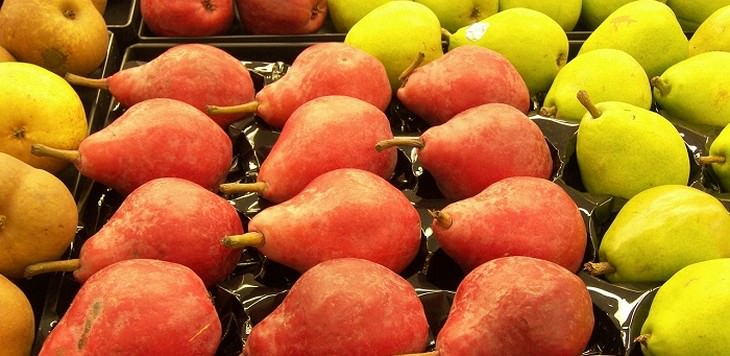
Pears are an excellent source of fiber, containing 3 grams of fiber per 100 grams of fruit. The fibers are soluble, which makes the fruit beneficial for your bowels and able to reduce high levels of bad cholesterol in the body. An 8-year-long study tested 51,000 middle-aged women and found that a high-fiber diet reduced the risk of breast cancer by 34%. In addition to the fibers, pears also contain plenty of vitamin C, potassium, and antioxidants. What pears don’t have, is cholesterol, sodium, saturated fats, and nearly no calories (50 kcal for a medium-sized pear)

The pear’s health benefits
1. Lowers high blood pressure – Pears are rich in antioxidants and anti carcinogens, which help to reduce blood pressure. 

2. Cancer prevention – High levels of vitamin C and copper protect your cells from free radicals. Additionally, the pear’s skin contains glutathione – a powerful anti-carcinogen. 

3. Reduces cholesterol levels – Thanks to a high concentration of soluble dietary fibers, pears are able to reduce LDL levels. Most of the fiber is found in the pear’s skin. 

4. Colon health – Aside from cholesterol, dietary fibers also help regulate your colon and keep its lining healthy.

5. Natural cure for constipation – Pear juice is a natural remedy for constipation. 

6. Lower fevers – Pears have fever-reducing properties, especially when juiced. 

7. Boosts the immune system – The antioxidants in pears are powerful boosters of the immune system. 

8. Anti-inflammatory – Pears contain several anti-inflammatory substances. 

9. Great for pregnant women – Pears are rich in folic acid, which is vital for the development of the fetus’s nervous system. 

10. Slows down calcium loss – Pears are loaded with boron, an element that helps the body retain calcium and slow down calcium loss. 

11. Keeps the throat healthy – The skin is rich in pectin, which can be helpful in cases of sore throats, by clearing phlegm and relieving coughs. 

12. Hypoallergenic – If you suffer from allergies, pears are the perfect fruit for you, as they are hypoallergenic. This makes them one of the best fruits to give to a baby when he or she starts eating solid food. 

Here’s how to add pears to your meals:

Breakfast
– cut it into yogurt and enjoy. 

On the road – eat it fresh, just don’t forget a paper towel. 

In salad – pears go particularly well with green, leafy salads.  

For guests – pear and apple slices, served with an assortment of cheeses, make for a healthy and interesting appetizer. 

A few last tips

The pear’s skin is rich in dietary fibers, so don’t discard it.  

For the highest concentration of antioxidants, eat the pear only when it’s ripe.  

When picking pears, choose ones that are firm, have smooth skin, and show no signs of bruising. 

When they’re ripe, pears will spoil quickly, which means that if you buy them in a shop, they are probably still not fully ripe yet.  

To hasten the ripening process, keep them at room temperature. Once they are ripe, keep them refrigerated.  

To delay the ripening process, put the pears in a brown paper bag.  

Pears oxidize faster when cut. To stop them from turning brown, squeeze lemon or orange juice on the exposed flesh.

This is only for your information, kindly take the advice of your doctor for medicines, exercises and so on.   


Labels: , , , , , , , , , , , ,

Friday, October 17, 2025

Harvard, Stanford trained gastro specialist shares 10 best foods that provide instant constipation relief

Constipation and sluggish digestion affect millions of people every day. Experts say that diet plays a key role in keeping the digestive system working smoothly. Dr Saurabh Sethi, a gastroenterologist trained at AIIMS, Harvard, and Stanford, has shared a list of 10 foods that may naturally support bowel movements and gut health. In his October 12 Instagram post, Dr Sethi highlighted fruits, seeds, grains, and vegetables that can help improve digestion, soften stools, and reduce the need for laxatives. The list is aimed at anyone looking for simple, food-based ways to maintain regularity and overall digestive wellness.

Fruits that promote digestion

Kiwi: Rich in fibre and the actinidin enzyme, kiwi may help stimulate bowel movements and support digestion.


Papaya: Loaded with papain, papaya aids digestion and helps clear the digestive tract naturally.

Prunes: Prunes contain sorbitol and insoluble fibre, giving them natural laxative properties that promote regularity.

Flax seeds: A source of both soluble and insoluble fibre, flax seeds can add bulk to stools and ease their passage.

Seeds, grains and vegetables for smooth bowel movement

Chia seeds: When soaked, chia seeds form a gel-like consistency that can soften stools and relieve constipation.

Oats: Packed with beta-glucan fibre, oats support healthy digestion and prevent sluggish bowel movements.

Lentils: High in fibre and plant-based protein, lentils support gut health and regular elimination.

Spinach: Magnesium and fibre in spinach may help soften stools and stimulate intestinal activity.

Pears: Containing both fibre and sorbitol, pears act as a natural remedy for constipation relief.

Sweet potatoes: Their high fibre and water content make sweet potatoes effective in promoting bowel regularity.


This is only for your information, kindly take the advice of your doctor for medicines, exercises and so on.   


Spinach: Magnesium and fibre in spinach may help soften stools and stimulate intestinal activity.

Pears: Containing both fibre and sorbitol, pears act as a natural remedy for constipation relief.

Sweet potatoes: Their high fibre and water content make sweet potatoes effective in promoting bowel regularity.

Labels: , , , , , , , , , , , , ,

Tuesday, April 15, 2025

Your Bladder Will LOVE These Wonderful Foods

 Maintaining a healthy bladder is crucial for overall well-being, as it plays an important role in our urinary system. When it doesn't function properly, it can cause discomfort and health problems. Fortunately, there are several foods that can promote bladder health by providing essential nutrients and preventing common issues such as urinary tract infections (UTIs) and incontinence. Continue reading to find out about nine of the best foods that can help maintain bladder health. 

1. Seafood

Swordfish, tuna, salmon, and sardines are rich in lean protein and packed with vitamin D, which is a valuable nutrient for your bladder health. According to research, those with inadequate vitamin D levels are at a higher risk of developing a variety of conditions, including overactive bladder, urinary tract infections, and bladder cancer. Additionally, protein plays a crucial role in your body's self-repairing processes. You can also obtain lean protein and vitamin D from sources like chicken breast, turkey, and lamb, as well as lean cuts of beef and pork, which are best prepared by baking, steaming, or broiling to minimize bladder irritation.


2. Pears
 Pears
 
When it comes to promoting bladder health, pears are among the fruits recommended for their beneficial effects. Pears are a good source of fiber and malic acid, both of which are beneficial to preventing urinary tract stones. Their vitamin C concentration has been linked to a calmer bladder, which reduces those desperate "gotta go" situations. Several other fruits like bananas, grapes, apples, honeydew, watermelon, and coconut are also bladder-friendly choices. However, citrus fruits such as oranges and grapefruit should be consumed cautiously due to their potential to irritate the bladder. 
 
3. Oats
Oats, as a whole grain, are an excellent source of dietary fiber. This fiber plays a crucial role in maintaining bladder health by preventing constipation, which can exert undue pressure on your bladder and disrupt its normal function. If you're dealing with bladder conditions such as cystitis or other severe issues, including oats in your diet may also relieve bladder discomfort. Consider adding a serving of oats or enjoying an oatmeal cookie to aid in managing your bladder concerns. Additionally, there are other whole grains that can be beneficial for your bladder, including brown rice, millet, barley, and whole-grain bread.

4. Eggs
When it comes to foods that are gentle on the bladder, eggs are among the best choices. They provide a wealth of minerals and beneficial components that contribute to the health of your bladder. These nutritional powerhouses are also rich in vitamin D and are an excellent source of lean protein. If cholesterol intake is a concern, you can simply discard the yolks and stick to consuming the egg whites. 
 
It's worth noting here that some studies reveal a possible link between the consumption of fried eggs and an elevated risk of bladder cancer. To reduce this risk, those who eat eggs on a daily basis may choose to experiment with healthier cooking methods such as boiling, poaching, or scrambling. 
 
 
5. Garlic
Research suggests that garlic can play a key role in preventing bladder cancer by inhibiting the development and proliferation of cancer cells. Furthermore, garlic extract has been proven effective in combating drug-resistant urinary tract infections. If you wish to gain these benefits, consider adding garlic to your diet, whether you choose fresh garlic cloves or dried, minced garlic. However, bear in mind that garlic supplements can sometimes interact adversely with other medications, so seeking advice from your healthcare provider is a prudent step.

6. Yogurt
When you include probiotic-enriched yogurt in your diet, you support the development of gut bacteria that aid in breaking down food more efficiently, ultimately improving your digestive system's effectiveness. Additionally, it's worth mentioning that yogurt's probiotics can bolster your urinary system's ability to combat urinary tract infections.


7. Squash
 squash
 
There is evidence that winter squash contains beta-carotene and other carotenoids that reduce the risk of bladder cancer. Carotenoids manifest as red, orange, and yellow pigments in vegetables. Varieties such as acorns, spaghetti, and butternut squash are excellent choices. By preparing squash with oil, carotenoid absorption is enhanced, as fat enhances their incorporation into the body. Other vegetables teeming with carotenoids encompass pumpkins, carrots, spinach, kale, sweet potatoes, broccoli, and bell peppers. 
 
8. Nuts
nuts
Nuts can be a valuable addition to your bladder-friendly diet due to their high levels of protein, fiber, and essential vitamins and minerals. It is important, however, to distinguish between nut types, with almonds, cashews, peanuts, pine nuts, and sunflower seeds being the best choices to maintain a healthy bladder. Keep in mind that certain nuts might irritate your bladder, and it's best to avoid highly salted kinds because excessive salt consumption can contribute to increased urination frequency and urgency, even when not necessary. 
 
 
9. Berries
berries
Strawberries, raspberries, blueberries, cranberries, and a variety of other berries are valuable sources of flavonols and vitamin C, noted for their ability to combat bacteria. These berries also have a high water content, which helps cleanse the bladder. 
 
Cranberries, whether in juice or supplement form, were once promoted as a prophylactic measure for UTIs. In recent years, however, a number of studies have raised doubt regarding their effectiveness, with only mixed evidence supporting their use. The American Urological Association notes that while the evidence for cranberry benefits is limited, the risk associated with their consumption is minimal, allowing doctors to suggest them to patients with recurring UTIs.


This is only for your information, kindly take the advice of your doctor for medicines, exercises and so on.   


Labels: , , , , , , , ,