Tuesday, January 23, 2024

12 Dangerous Children’s Toys That Are Important to Avoid

 We live in an age of endless abundance that is expressed at every stage of life, including childhood. Today, children have a lot more toys than we had in the past, and this is due to their increased production around the world combined with particularly low and attractive prices. Despite this bizarre abundance, it is important to be able to weed out the risky toys to avoid harming our children.


The following 11 toys and games are considered particularly dangerous for children following unfortunate cases in which they caused severe injuries, harm and sometimes even death. In order to avoid putting your child in harm's way, it is important that you avoid buying these toys in their first years of life, in order to maintain their health and safety, as well as your peace of mind.
1. Games with magnets 
There are many games today that contain small magnets that easily come apart when played with. These magnets pose a choking risk for toddlers and children, and are more dangerous than other things they may swallow. While many items pass through the digestive system smoothly, magnets stick together and can cause serious bowel obstruction, so avoid them. 
 
2. Doctor kits  
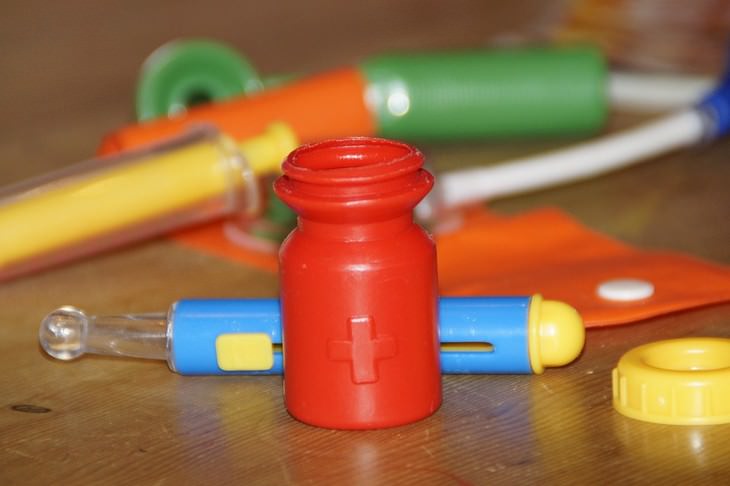
 doctor toy set
One of the most favorite games for many children is the doctor kit, which comes with "medical" equipment that simulates the real ones. The danger in these games that some of the smaller pieces can fall apart during "checkups", such as an examination of the ears that may lead to the entry of a foreign object into the child's ear. In addition, the detachable parts can be swallowed by small children and pets, so these kits pose a double danger for home dwellers.


3. Supermarket shopping kit 
Shopping cart with cash and groceries is another popular kit among children who like to pretend that they are shopping like their parents. Like a doctor's kit, such shopping sets also have many small parts that may come apart and pose a choking hazard to children and pets at home. The similarity between the items in these kits and real food may also cause the children to try to eat them, so it is recommended not to give them toys of this type until they are a little older - at least 6 years of age.


4. Toys with propellers  
 remote control helicopter
There are many toys on the market that are operated by batteries or other means, which have a propeller that rotates quickly, such as helicopters. Many times, the age recommendation on their boxes is relatively young, but you absolutely can’t let young children play with them. The rotating propellers can cause bodily injuries, and also get tangled in the hair. Therefore, it is recommended to wait with these toys until your children know how to operate electrical devices and only after you determine the how, when and where of playing with them.


5. Toys with batteries  
Children swallowing batteries isn’t uncommon, and they usually even exit the body safely. Although many of us joke about these cases, it is important to prevent them before they occur. Many times small flat batteries look like candy to children, and they can swallow without giving it a second thought. Besides the digestive problems it causes, swallowing batteries can cause the release of a substance called lithium, which can lead to poisoning and gastrointestinal disturbances. 


6. Toy guns 
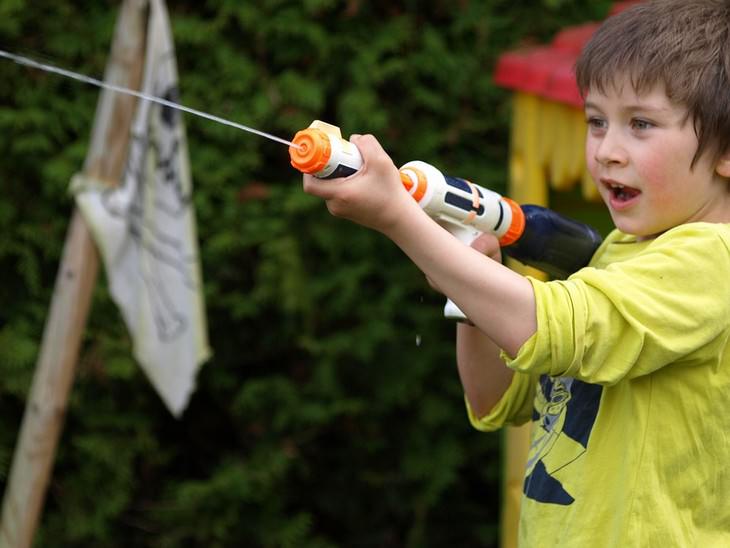
 boy shooting water gun
It's amazing how a dangerous weapon has become an inspiration for a toy, but that's the situation today, and there are many toy guns that fire things from water and rubber bullets to plastic arrows. All of these items pose a risk as they can easily cause eye damage if aimed incorrectly. If you insist on purchasing these toys, you should also buy protective goggles to protect your children and those around them. boy shooting water gun


7. Rubber floats 
Rubber floats are supposed to help children float in the pool or ocean, and come summer they’ll be floating around every pool and water park in the world. The danger lies in a float where the child sits in it. If by accident the child tips over, it is almost impossible for them to bring themselves right side up again, which can lead to drowning. In addition, these floats often contain isophorone, phenol, and xenon that cause skin irritations. A danger which lies in arm floaties is tightening it too tight around the child's arm, which can cause blood circulation to be disturbed. 


8. Balloons 
 many colorful baloons
They aren’t classic toys, but many children play with balloons as if they were balls. You do not have to give them up altogether if you’re having a party, but you should be cautious because there have been many cases where balloons have popped and children have inhaled and choked on their parts. The removal of rubber parts belonging to balloons from the respiratory passages is difficult, and the best way to deal with this is to prevent it in the first place. Keep the balloons out of the reach of children, and make sure you buy high-quality balloons that won’t tear at the touch.


9. Toy Swords 
Children have a lot of energy they spend running around, and sometimes by playing imaginary war games. Toy swords have existed in the world for a long time, and accordingly, they have caused quite a few injuries. Children playing with these swords can hurt each other by hitting too hard or even accidentally aiming for the eye. The damage can be several times greater if a child is running wild with a sword in their hands, so swords are not a recommended toy for them. 
 
 
10. Rubber duck  
Rubber ducks are among the most beloved toys in the world for infants and toddlers, who enjoy playing with them in the bath. Despite their affection for them, these ducklings can be dangerous for several reasons; first, they usually contain chemicals called phthalates in quantities that are almost illegal. These components cause hormonal disruptions, especially among children, so their effects are very negative. Moreover, because the ducks are always in water, a mold develops on their inside, and when children swallow water from these ducks or even really get to close and inhale it, it could lead to respiratory problems and other sensitivities, so rubber ducks should definitely be left out of the bath.


11. Toys that can be hung around the neck  
There are many toys that require hanging ropes around the neck, such as binoculars, for example, that children play with for hours. The danger of these toys is obvious, as children can wrap the rope around their necks and asphyxiate as a result. It is much more dangerous if children share these toys with their younger siblings, who lack coordination or understanding so as not to wrap these ropes around the neck or other body parts, such as the arms and legs. 
 
12. Fidget Spinner 
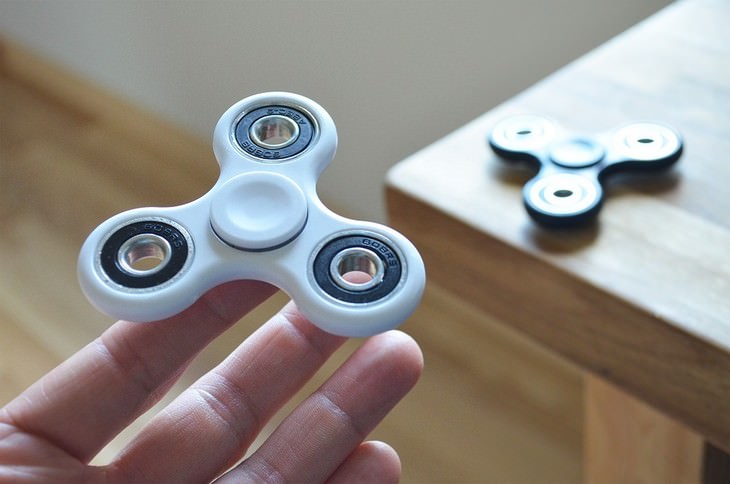
 fidget spinner
 
Fidget Spinners are well known to all of us, and their initial role was to help children who suffer from ADHD to focus. Like many other things, the spinner's actual use has nothing to do with its primary goal, and today almost every child has this toy. Spinners are safe to use for older children, but for small children and toddlers, it can be dangerous. The spinner has parts that can come apart from the toy and may reach the child's trachea or esophagus. This is a clear choking hazard, so it is recommended to keep spinners out of young children’s hands. 
 

There are many toys on the market today that can be played with without fear, but there are also some that are very dangerous. It is important to carefully choose the toys that are intended for your children while making sure that they don’t contain small parts, which may break away, or different chemicals that shouldn’t be in them. This way you can be sure that your children will have a happy, healthy, and safe childhood.


This is only for your information, kindly take the advice of your doctor for medicines, exercises and so on.   

https://gscrochetdesigns.blogspot.com. one can see my crochet creations  
https://gseasyrecipes.blogspot.com. feel free to view for easy, simple and healthy recipes    
https://kneereplacement-stickclub.blogspot.com. for info on knee replacement
https://cancersupportindia.blogspot.com  for infor on cancer and health related topics
https://GSiyers home remedies.blogspot.com   is the latest addition to my blogs. I'm going to add posts there, do give me your valuable feed back on my blogs. Thanks a lot, take care, be healthy and be happy.

Labels: , , , , , , , , , , ,

Sunday, April 05, 2020

Important life lesson

A teacher brought balloons to school and asked the children to blow them all up and then each write their names on their balloon. They tossed all the balloons into the hall while the teacher mixed them from one end to the other.  The teacher then gave them 5 minutes to find the balloon with their name on it. The children ran around, looking frantically but as the time ran out - nobody had found their own balloon…

Then the teacher told them to take the balloon closest to them and give it to the person who’s name was on it.  In less than 2 minutes everyone had their own balloon. Finally the teacher said, “Balloons are like happiness. No one will find it looking for theirs only. Instead if everyone cares about each others they will find theirs as quickly as possible.” 🎈

*Cannot take the credit, saw it, loved it, sharing it!*
 
This is only for your information, kindly take the advice of your doctor for medicines, exercises and so on.     

https://gscrochetdesigns.blogspot.com. one can see my crochet creations  
https://gseasyrecipes.blogspot.com. feel free to view for easy, simple and healthy recipes    
https://kneereplacement-stickclub.blogspot.com. for info on knee replacement


Labels: , ,

Wednesday, December 05, 2018

Be Careful of These 8 Home Items Around the Kids

While raising children can be one of the most joyous times in our lives, we have a primal urge to keep them safe and happy. However, there are a number of products that have been proven to increase the incidence of childhood injuries, and in some more dangerous cases, fatalities. So, in order to help raise awareness and keep our children safe, here's a list of products that require an increased level of caution. 
 
1. Laundry detergent pods
If swallowed, laundry pods can cause poisoning and burns to the mouth, throat, and stomach. Other than ingestion, if the liquid leaks or is squeezed from the pod, it can cause severe skin and eye irritation and burns. It can also damage the lungs if your child breathes it in. If you suspect that your child has ingested or had some form of contact with an open detergent pod, call a doctor immediately. 

2. Balloons and other small objects
Balloons are a great way to brighten up a party. But, they cause more childhood deaths than any other toy. Balloons, especially those made of latex, conform to the shape of the narrow windpipe in children. This leads to choking. Other small objects like batteries, magnets, marbles and bottle caps can also lead to occlusions of the windpipe. If you notice your child choking, give them several firm blows to the upper back while they are in a forward position. Be sure to call an ambulance. 

3. Pet food
Pet food, though not poisonous to humans can cause children to become sick after ingesting dry cat or dog food. The most dangerous is dry food pellets, usually given to large dogs. This can result in a choking hazard for kids. 
 
4. Toys with propellers
Small, hand-operated drones cause an increased risk of injury. In one situation, a child had his eye cut out by a drone propellor. While they can indeed be fun toys to play with, do follow the safety precautions. 
5. Trampolines
While trampolines can be a fun addition to the backyard, they do come with a number of risks. According to the EU Injury Database, approximately 51,000 children aged 0-14 require an emergency department visit every year due to injuries sustained from using a trampoline. In the United States, that number is closer to 250,000.

6. Toy Chests
If you keep your child's toys in a chest with a heavy lid, it's probably best to remove the lid or to use open storage boxes. Heavy lids pose an injury risk if the toddler were to have a body part reaching into the open lid and it wasn't secured. Reported incidents have also noted cases of suffocation when a child has become trapped within the box. Most modern toy chests have added safety elements to help prevent injury. Alternatively, open boxes and play areas can be a safer alternative. 
7. Certain houseplants
While houseplants can be aesthetically pleasing for your home and garden, some can be quite toxic and lethal if eaten. Philodendron, oleander, and peace lilies are three common examples. Should an incident occur, call an ambulance. 

THIS IS ONLY FOR INFORMATION, ALWAYS CONSULT YOU PHYSICIAN BEFORE HAVING ANY PARTICULAR FOOD/ MEDICATION/EXERCISE/OTHER REMEDIES.                                                                                                                                                                                                                                                                                        PS- THOSE INTERESTED IN RECIPES ARE FREE TO  VIEW MY BLOG-                                                                                           https://gseasyrecipes.blogspot.com/                                                                                                                                                                             FOR INFO ABOUT KNEE REPLACEMENT, YOU CAN VIEW MY BLOG-                                                                                                                             https:// kneereplacement-stickclub.blogspot.com/                                                                                       FOR CROCHET DESIGNS                                                                                                                                                                                                                                 https://gscrochetdesigns.blogspot.com


8. Candy 
Candy can be a real choking hazard, depending on the age of the child. Be especially aware of sour hard candies, like Warheads, which have been reported to have caused burns and erosion to children's mouths. So either proceed with caution or avoid them altogether.

Labels: , , , , , , , , , , , , , , , , , ,

Thursday, March 03, 2016

Can happiness break your heart?

THIS IS ONLY FOR INFORMATION, ALWAYS CONSULT YOUR PHYSICIAN BEFORE HAVING ANY PARTICULAR FOOD/ MEDICATION/EXERCISE/OTHER REMEDIES.


FOR INFO ABOUT KNEE REPLACEMENT, YOU CAN VIEW MY BLOG
HTTP://KNEE REPLACEMENT-STICK CLUB.BLOGSPOT.COM/

FOR CROCHET DESIGNS- http://My Crochet Creations.blogspot.com/


 The study suggests that happy events can trigger a heart condition known as takotsubo syndrome (TTS), aka broken heart syndrome, which is characterised by a sudden temporary weakening of the heart muscles that causes the left ventricle of the heart to balloon out at the bottom while the neck remains narrow, creating a shape resembling a Japanese octopus trap, from which it gets its name.
Since this relatively rare condition was first described in 1990, evidence has suggested that it is typically triggered by episodes of severe emotional distress, such as grief, anger or fear, with patients developing chest pains and breathlessness. It can lead to heart attacks and death.

Now, for the first time, researchers have systematically analysed data from the largest group of patients diagnosed with TTS worldwide, and found that some patients have developed the condition after a happy or joyful event; they have named it "happy heart syndrome".

The team analysed data from 1,750 patients diagnosed with TTS in nine different countries. Of 485 patients for whom definite emotional trigger could be identified, 96 percent had suffered sad and stressful events such as the loss of a loved one, attending a funeral, being hurt in an accident, or experiencing an illness or relationship problems. One obese patient was stricken after getting stuck in the bath.


 But in the case of the remaining 20 individuals, heart damage appeared to have been triggered by happy occasions including a birthday party, wedding, surprise celebration, the birth of a grandchild, or a favourite rugby team winning a game.


Jelena Ghadri from University Hospital Zurich in Switzerland said the new findings should lead to a paradigm shift in clinical practice. "We have shown that the triggers for TTS can be more varied than previously thought. A TTS patient is no longer the classic "broken hearted" patient, and the disease can be preceded by positive emotions too."

Ghadri noted that clinicians should be aware of this and also consider that patients who arrive in the emergency department with signs of heart attacks, such as chest pain and breathlessness, but after a happy event or emotion, could be suffering from TTS just as much as a similar patient presenting after a negative emotional event. Our findings broaden the clinical spectrum of TTS. They also suggest that happy and sad life events may share similar emotional pathways that can ultimately cause TTS."

The study appears in the European Heart Journal.

Labels: , , , , , , , , , , , , , ,

Friday, August 02, 2013

Quitting smoking post-angioplasty tied to longer life

People who quit smoking after a balloon angioplasty to improve blood flow to the heart live an average of two years longer than those who keep smoking, a new study suggests.

Researchers found people who were undergoing balloon angioplasty in their 50s, on average, and quit smoking within one year after the procedure lived another 18.5 years. In contrast, those who continued to smoke lived about 16.4 years, on average, after angioplasty.

"Most (smokers) start smoking in their youth and have a smoking history of 40-50 years," said , the senior author of the paper.

"Most patients think it is too late to quit smoking, but the major message of our study is that it is never too late to stop smoking," he told .


"Even if you`re not willing to stop smoking (for) yourself, do it for your grandchildren. They can enjoy their grandparents for an additional two years."

Previous studies have shown that smoking contributes to an increased risk of heart-related illness and death.

But others reflect just how tough it can be to quit smoking. Relapse rates are high, even with medications and behavioral therapies developed to help people kick the habit.

According to a  2010 survey data, about 69 percent of smokers want to stop smoking, and about half of these make quit attempts each year. But of those, only about six percent successfully stay off cigarettes.

To determine whether or not quitting smoking is tied to increased life expectancy after heart surgery, researchers collected data on 806 patients who underwent balloon angioplasty at between 1980 and 1985.

During coronary balloon angioplasty, also known as percutaneous coronary intervention (PCI), a balloon-tipped catheter is threaded through blood vessels and the balloon is inflated to clear one or more narrowed vessels.

The researchers asked patients about their smoking habits before and one year after surgery and followed them for up to 30 years. Of the patients, 309 were non-smokers, 210 quit smoking after their surgery and 287 smoked before and after.

Non-smokers and people who had smoked but quit after surgery were equally likely to die during the follow-up period, but death rates were significantly higher among those who continued smoking.

At 30 years post-surgery, 29 percent of quitters were still alive, compared to 14 percent of those who kept smoking, according to findings. The pattern held after the researchers accounted for health differences between patients at the time of their surgery.

Since the 1980s, new techniques have been developed to treat blocked blood vessels, such as minimally invasive coronary artery bypass grafting (CABG) and using bare metal or drug eluting stents to permanently prop open blocked vessels.

The researchers said it`s possible these advances still may not make up for the damage done by smoking on the heart and other organs in the body. But it`s hard to know for sure, according to one researcher not involved in the study.

"This group from the early 1980s is very different from patients who currently undergo PCI for angina and (heart attack) so the results may not apply today,".

He noted that the study`s importance lies in its long-term follow-up.

"This study is most interesting to me," he said, "Because it actually followed up on a cohort of patients until death, and associated a real increase in life expectancy for patients undergoing PCI who quit smoking."

"Showing patients the deleterious effects of smoking doesn`t always inspire them like you think it would," he said. "However, the concrete life expectancy gains this study measured could prove to be motivational."


ps- this is only for information, but always consult you physician before having any particular food/ medication/exercise/other remedies.

ps- those interested in recipes are free to view my blog-

http://gseasyrecipes.blogspot.com/

for info about knee replacement, you can view my blog-

http://Knee replacement-stick club.blogspot.com/

for crochet designs

http://My Crochet Creations.blogspot.com/

I've not given details about designs, but those interested are free to mail me for the same.

Labels: , , , , , , , , , , , , , , ,

Tuesday, July 09, 2013

EVERYTHING YOU WANT TO KNOW ABOUT STROKE

Illustration of Stroke Causes
What Is a Stroke?
Stroke is a medical emergency and a leading cause of death. It occurs when a blood vessel in the brain bursts or, more commonly, when a blockage develops. Without treatment, cells in the brain quickly begin to die. The result can be serious disability or death. 
Stroke Attacking Brain and Body
Stroke Symptoms
Sudden numbness or weakness of the body, especially on one side.
Sudden vision changes in one or both eyes, or difficulty swallowing.
Sudden, severe headache with unknown cause.
Sudden problems with dizziness, walking, or balance.
Sudden confusion, difficulty speaking or understanding others.
Call for help immediately if you notice any of these symptoms.


Stroke Test: Talk, Wave, Smile
The F.A.S.T. test helps spot symptoms. It stands for:
Face. Ask for a smile. Does one side droop?
Arms. When raised, does one side drift down?
Speech. Can the person repeat a simple sentence? Does he or she have trouble or slur words?
Time. Time is critical. Call for help immediately if any symptoms are present.

Stroke: Time = Brain Damage
Every second counts when seeking treatment for a stroke. When deprived of oxygen, brain cells begin dying within minutes. There are clot-busting drugs that can curb brain damage, but they have to be used within three hours of the initial stroke symptoms. Once brain tissue dies, the body parts controlled by that area won't work properly. This is why stroke is a top cause of long-term disability.

Diagnosing a Stroke
When someone with stroke symptoms arrives in the ER, the first step is to determine which type of stroke is occurring. There are two main types, and they are not treated the same way. A CT scan can help doctors determine whether the symptoms are coming from a blocked blood vessel or a bleeding one. Additional tests may also be used to find the location of a blood clot or bleeding within the brain.

Ischemic Stroke Seen on CT Scan of Brain
Ischemic Stroke
The most common type of stroke is known as an ischemic stroke. Nearly nine out of 10 strokes fall into this category. The culprit is a blood clot that obstructs a blood vessel inside the brain. The clot may develop on the spot or travel through the blood from elsewhere in the body.
Hemorrhagic Stroke Seen on MRA of Brain

Haemorrhagic Stroke
Haemorrhagic strokes are less common but far more likely to be fatal. They occur when a weakened blood vessel in the brain bursts. The result is bleeding inside the brain that can be difficult to stop.

TIA Mini Stroke Highlighted on Ultrasound

'Mini-Stroke' (TIA)
A transient ischemic attack, often called a "mini-stroke," is more like a close call. Blood flow is temporarily impaired to part of the brain, causing symptoms similar to an actual stroke. When the blood flows again, the symptoms disappear. A TIA is a warning sign that a stroke may happen soon. It's critical to see your doctor if you think you've had a TIA. There are therapies to reduce the risk of stroke.

Sectioned Artery with Blockage

What Causes a Stroke
A common cause of stroke is atherosclerosis -- hardening of the arteries. Plaque made of fat, cholesterol, calcium, and other substances builds up in the arteries, leaving less space for blood to flow. A blood clot may lodge in this narrow space and cause an ischemic stroke. Atherosclerosis also makes it easier for a clot to form. Haemorrhagic strokes often result from uncontrolled high blood pressure that causes a weakened artery to burst.

Risk Factors: Chronic Conditions
Certain chronic conditions increase your risk of stroke. These include:
High blood pressure
High cholesterol
Diabetes
Obesity
Taking steps to control these conditions may reduce your risk.


Certain behaviours also increase the risk of stroke:
Smoking
Getting too little exercise
Heavy use of alcohol

Diet

Eating too much fat and cholesterol can lead to arteries that are narrowed by plaque. Too much salt may contribute to high blood pressure. And too many calories can lead to obesity. A diet high in fruits, vegetables, whole grains, and fish may help lower stroke risk.

Factors Beyond  Your  Control

Some stroke risk factors are beyond your control, such as getting older or having a family history of strokes. Gender plays a role, too, with men being more likely to have a stroke. However, more stroke deaths occur in women. Finally, race is an important risk factor. African-Americans, Native Americans, and natives from Alaska are at greater risk compared to people of other ethnicities.

Angiogram Showing Results of t-PA Treatment


 Emergency Treatment
For an ischemic stroke, emergency treatment focuses on medicine to restore blood flow. A clot-busting medication is highly effective at dissolving clots and minimizing long-term damage, but it must be given within three hours of the onset of symptoms. Haemorrhagic strokes are more difficult to manage. Treatment usually involves attempting to control high blood pressure, bleeding, and brain swelling.

 Long-Term Damage

Whether a stroke causes long-term damage depends on its severity and how quickly treatment stabilizes the brain. The type of damage depends on where in the brain the stroke occurs. Common problems after a stroke include numbness in the arms or legs, difficulty walking, vision problems, trouble swallowing, and problems with speech and comprehension. These problems can be permanent, but many people regain most of their abilities.

Rehab Therapies- 1) Speech Therapy

Rehabilitation helps patients regain lost skills and learn to compensate for damage that can't be undone. The goal is to help restore as much independence as possible. For people who have trouble speaking, speech and language therapy is essential. A speech therapist can also help patients who have trouble swallowing.

2)Physical Therapy
Muscle weakness, as well as balance problems, are very common after a stroke. This can interfere with walking and other daily activities. Physical therapy is an effective way to regain strength, balance, and coordination. For fine motor skills, such as using a knife and fork, writing, and buttoning a shirt, occupational therapy can help.

Talk Therapy
It's common for stroke survivors to experience a wide range of intense emotions, such as fear, anger, worry, and grief. A psychologist or mental health counsellor can provide strategies for coping with these emotions. A therapist can also watch for signs of depression, which frequently strikes people who are recovering from a stroke.


Preventive Steps: 1) Lifestyle
People who have had a stroke or TIA can take steps to prevent a recurrence:
Quit smoking.
Exercise and maintain a healthy weight.
Limit alcohol and salt intake.
Eat a healthier diet with more veggies, fish, and whole grains.

2) Medications
For people with a high risk of stroke, doctors often recommend medications to lower this risk. Anti-platelet medicines, including aspirin, keep platelets in the blood from sticking together and forming clots. Anti-clotting drugs, may be needed to help ward off stroke in some patients.  Finally, if you have high blood pressure, your doctor will prescribe medication to lower it.

3) Surgery
In some cases, a stroke results from a narrowed carotid artery -- the blood vessels that travel up each side of the neck to bring blood to the brain. People who have had a mild stroke or TIA due to this problem may benefit from surgery known as carotid endarterectomy. This procedure removes plaque from the lining of the carotid arteries and can prevent additional strokes.
Angioplasty For Stroke Prevention

4) Balloon and Stent
Doctors can also treat a clogged carotid artery without major surgery in some cases. The procedure, called angioplasty, involves temporarily inserting a catheter into the artery and inflating a tiny balloon to widen the area that is narrowed by plaque. A metal tube, called a stent, can be inserted and left in place to keep the artery open.

Life After a Stroke
More than half of people who have a stroke regain the ability to take care of themselves. Those who get clot-busting drugs soon enough may recover completely. And those who experience disability can often learn to function independently through therapies. While the risk of a second stroke is higher at first, this risk reduces over time.


 ps- this is only for information, always consult you physician before having any particular food/ medication/exercise/other remedies.


ps- those interested in recipes are free to view my blog-

http://gseasyrecipes.blogspot.com/

for info about knee replacement, you can view my blog-

http://Knee replacement-stick club.blogspot.com/

for crochet designs

http://My Crochet Creations.blogspot.com/

I've not given details about designs, but those interested are free to mail me for the same.


Labels: , , , , , , , , , , , , , , , , ,