The Newest Innovations in Brain Surgery and the Near Future
Not long ago, brain surgery meant one thing in most people's minds. A
large operation, a long hospital stay, and weeks or months of recovery.
That picture is quickly becoming outdated. Over the past few years, the
field has changed so dramatically that some procedures no longer require
a single cut to the scalp, and patients can walk out the same day.
Whether you are curious about how medicine is advancing or you have a
loved one facing a neurological condition, here is a clear, friendly
look at the most exciting recent breakthroughs, followed by what experts
expect in the decade ahead.
1. Brain surgery without single incision
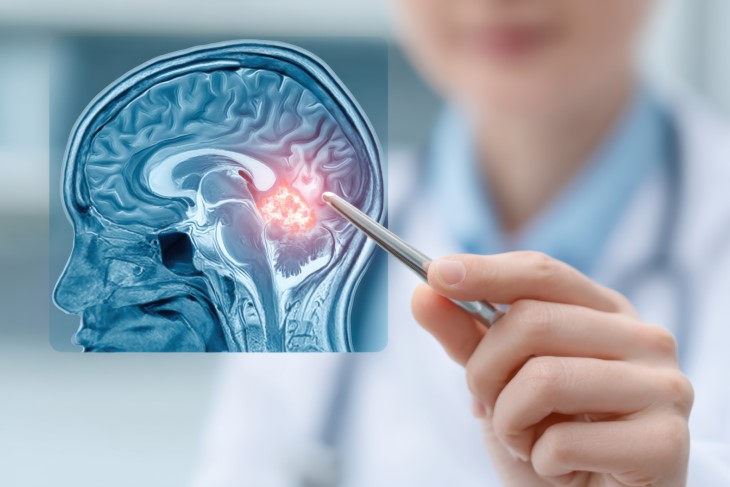
Perhaps the most remarkable shift is the rise of a technique called
focused ultrasound. It allows surgeons to treat certain conditions deep
inside the brain without making any incision at all. The patient lies
inside an MRI scanner, and more than a thousand beams of sound energy
are aimed at a single tiny spot, often a relay station deep in the brain
called the ventral intermediate nucleus. Where those beams meet, they
gently raise the temperature just enough to quiet the faulty circuit
causing the problem. This is done with a system known as the Exablate
Neuro, made by the company Insightec. There is no scalpel, no implanted
hardware, and no general anesthesia, and the patient stays awake so the
team can watch the tremor ease in real time.
The results can be striking. The procedure is typically done in one
session lasting one to two hours, and many patients see their symptoms
improve while they are still on the table, before they even go home. The
treatment was first approved by the FDA in 2016 for essential tremor,
one of the most common movement disorders, which causes shaking of the
hands during everyday tasks like eating, writing, or holding a cup. In
late 2022 it was approved to treat both hands in stages, and it has
since been cleared for tremor caused by Parkinson's disease. In August
2025, doctors at Oregon Health and Science University performed the
first clinical use in the country of focused ultrasound as a primary
treatment for Parkinson's. The patient, Carolina Palacios de Ramirez,
age 76, described regaining the ability to smile and to live without the
tremors that had affected her for seven years.
For older adults in particular, this matters enormously. Many people who
would never be candidates for traditional open surgery, or who would
understandably be reluctant to undergo it, can now be helped with a far
gentler approach.
Learn more: Oregon Health and Science University on incisionless surgery for Parkinson's, and Novant Health on focused ultrasound for tremor.
2. Tumors That Light Up in the Operating Room
One of the hardest parts of removing a brain tumor is telling exactly
where the tumor ends and healthy brain begins. Remove too little and the
cancer returns. Remove too much and you risk a person's speech, memory,
or movement. A clever innovation now helps surgeons see the difference
with their own eyes.
A few hours before surgery, the patient drinks a special liquid containing a compound known as 5-ALA, sold under the name Gleolan and approved by the FDA in 2017. Tumor cells absorb it and convert it into a fluorescent substance, so they glow a vivid pinkish red color under a particular blue light tuned to about 405 nanometers. The healthy brain stays dark. This gives the surgeon a glowing map of the tumor in real time, allowing for a more complete and safer removal. In one major trial of aggressive gliomas, far more patients operated on with the glowing dye were free of tumor progression six months later than those operated on under ordinary white light, roughly 41 percent compared with 21 percent. The technique is now a standard tool at many leading hospitals, and newer versions paired with advanced cameras and computer assistance are making the glowing signal even easier to read.
3. Smarter Maps and Sharper Eyes
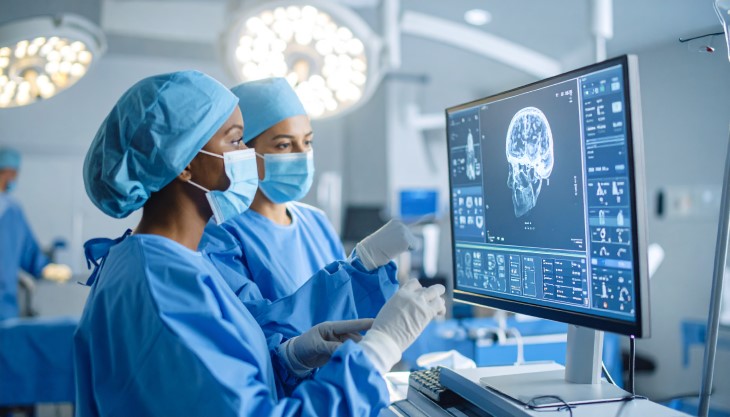
Modern brain surgery increasingly relies on sophisticated navigation systems, much like a GPS for the operating room. Surgeons combine detailed scans taken before the operation with live imaging taken during it, so they always know precisely where their instruments are in relation to delicate structures. One promising method, called elastic image fusion, blends a preoperative MRI with imaging taken in the middle of surgery to create a kind of virtual updated scan, helping doctors catch small bits of tumor that might otherwise be missed.
These tools mean smaller openings, less disturbance to healthy tissue,
and greater confidence. The same precision that once required guesswork
and experience alone is now supported by technology that updates moment
by moment, which translates into safer operations and faster recoveries
for patients.
4. The Steady Hand of Robotics
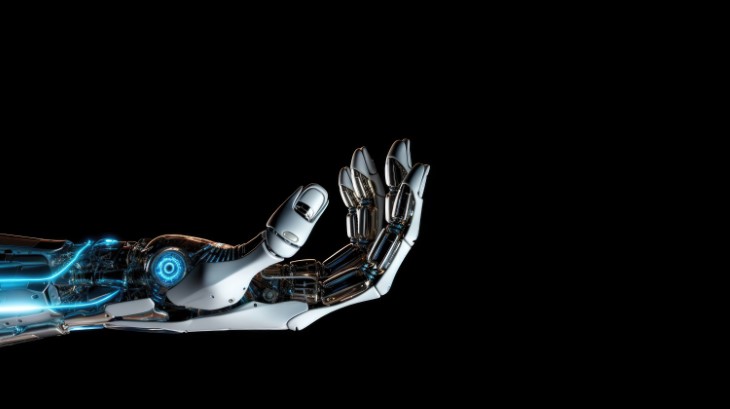
Robotic assistance has quietly become one of the most transformative tools in delicate brain and nerve surgery. To be clear, the robot does not operate on its own. It acts as an extension of the surgeon's hands, filtering out the tiny tremors every human has and allowing movements far finer than fingers alone can manage. This is especially valuable in microsurgery, where surgeons stitch together blood vessels thinner than a strand of spaghetti.
A recent review looked at four leading robotic systems, including platforms named Symani and da Vinci, across 48 studies. It found that while early procedures took a little longer, surgical teams quickly grew faster and more efficient as they gained experience. The promise is real, particularly for the most demanding and precise tasks, where a perfectly steady, ultra fine instrument can make all the difference.
5. Restoring Movement and Speech Through Brain Implants
Among the most headline grabbing advances is the brain-computer
interface, a device that reads signals directly from the brain and turns
thoughts into action. The best known is the N1 implant made by the
company Neuralink, which uses 1,024 tiny electrodes spread across 64
hair thin threads placed into the area of the brain that controls
movement. A robot performs the delicate insertion. The first person to
receive the device, in early 2024, was Noland Arbaugh, a young man
paralyzed by a diving accident. He has since used it to move a computer
cursor, browse the internet, and play chess and video games using only his thoughts, at one point doubling the previous world record for cursor control speed.
By September 2025, about a dozen people worldwide had received such implants, including individuals with spinal cord injuries and ALS. One of them, Brad Smith, who has ALS, is now able to type using his thoughts. Other companies are pursuing their own versions, including one whose device is threaded up through a blood vessel rather than requiring the skull to be opened. The technology has also earned a special Breakthrough Device Designation from the FDA in May 2025 for a system aimed at restoring speech to people who have lost the ability to talk.
What the Next Decade May Bring
If the recent past has been impressive, the coming years look even more promising. Here are the developments researchers are most excited about.
6. Unlocking the Brain's Natural Shield to Deliver Medicine
The brain is protected by a remarkable filter called the blood-brain
barrier. It keeps harmful substances out, but it also blocks most
medicines from getting in, which is one reason brain cancers and
diseases like Alzheimer's are so hard to treat. Scientists have
discovered that the same focused ultrasound used to treat tremor can be
combined with tiny bubbles to open this barrier safely and temporarily,
just long enough to let medicine through, after which it seals back up
on its own.
In an early trial at Northwestern University, patients with a returning aggressive brain cancer had a small device with nine ultrasound emitters, called SonoCloud-9, placed over the tumor area. Opening the barrier this way dramatically increased the amount of chemotherapy reaching the tumor, in one case raising the level of a key drug to about nine times higher than normal, with only mild side effects like a brief headache. Researchers are now exploring the same idea for Alzheimer's and Parkinson's. Over the next decade, this could turn the brain's protective barrier from an obstacle into a doorway, opening the way for treatments that were previously impossible.
7. Brain Implants Becoming More Common
The companies behind brain implants are working to move from a handful of patients to far larger numbers. Plans are underway to greatly increase production and to make the implant procedure faster and more automated, including newer designs that no longer need a protective layer of the brain to be opened first. Researchers are also tackling early technical hurdles, such as keeping the delicate threads in place over time, since some of them shifted in the very first patient. If these efforts succeed, the coming years could bring real hope to people living with paralysis, ALS, stroke, and even certain forms of blindness, helping them communicate and interact with the world in ways that once belonged only to science fiction.
8. Artificial Intelligence as the Surgeon's Co-Pilot
Artificial intelligence is poised to become a trusted assistant in the operating room. It is already being tested to help judge how much tumor remains during surgery and to predict which patients face higher risks, so that care can be tailored to the individual. In the years ahead, AI is expected to combine scans, lab results, and tissue analysis to give surgeons a fuller picture of each patient's disease, and may even allow tumors to be graded in real time during the operation rather than days later. The goal is not to replace the surgeon's judgment but to sharpen it.
9. Treatment Built Around the Individual
The thread running through all of these advances is personalization.
Instead of one standard approach, the brain surgery of the next decade
will increasingly be shaped around each person's unique anatomy, the
specific biology of their condition, and their own preferences and
goals. Less invasive options, quicker recoveries, and treatments fine
tuned to the individual are becoming the new normal rather than the rare
exception.
A Reassuring Picture
Brain surgery used to inspire fear, and a healthy respect for it will
always be wise. Yet the direction of travel is genuinely encouraging.
Procedures are becoming gentler, recoveries shorter, and outcomes
better. Conditions that once seemed untreatable, from stubborn tremors
to aggressive tumors to paralysis, are being met with creative and
increasingly effective solutions. If you or someone you love is ever
facing a neurological condition, it is worth remembering that the tools
available today are far kinder than those of even a decade ago, and the
ones arriving tomorrow promise to be kinder still. As always, the best
step is an honest conversation with a trusted specialist about which
options make sense for your particular situation.