Monday, February 15, 2021

Alzheimer’s and Gum Disease: Can One Bacterium Cause Both?

Gum problems affect more than half of the world’s population, but most people choose to ignore their oral health - a decision that can have dire consequences, as it turns out. An increasing number of scientific findings point out how gum disease causing bacteria can spread and affect the entire body, even your brain. In a previous article, we’ve discussed how poor oral health can contribute to heart disease and problems with episodic memory, but an even more worrying finding has been made in 2019, suggesting that a strain of bacteria that is typically involved in gum disease called Porphyromonas gingivalis may be the cause of Alzheimer’s disease.

The Science Behind Alzheimer’s Disease
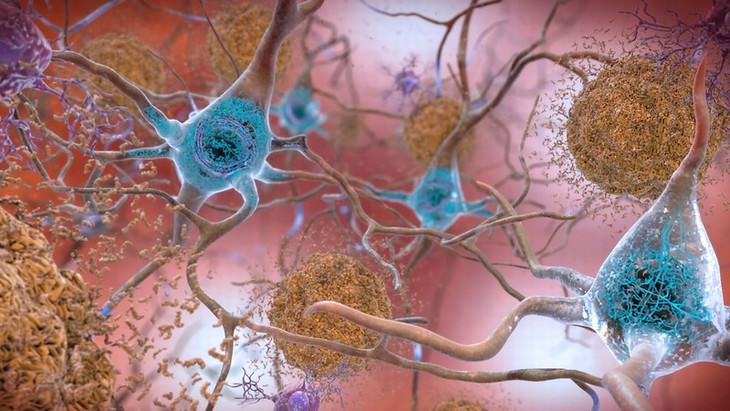
For decades, beta-amyloid plaques and TAU tangles have been considered the cause of Alzheimer’s disease. These plaques and tangles bunch together causing clumps in the brain tissue that interfere with the function of our brain cells. As a result, certain brain functions, such as short term memory, executive functioning, and even emotional perception, just to name a few, become affected, making Alzheimer’s sufferers progressively less and less independent and capable of living life at its fullest.

Alzheimer’s and Gingivitis study amyloid plaques and tangles
An Illustration of Beta-Amyloid Plaques and TAU Tangles in the Brain Image Source: NIH Image Gallery/ Flickr
Indeed, beta-amyloid plaques and TAU tangles are a unique and frequent finding in post-mortem studies in Alzheimer’s patients, and for decades, the reason behind their development was a mystery. One of the major hypotheses was that the cause may be due to an infection, and once again, post-mortem research suggested that it might be a strain of the herpes virus or even a fungus that trigger the condition. 
 
However, these studies were small, and their results too unconvincing for the global medical community to recognize that infections cause the neurodegenerative condition, especially since other factors, such as genetics and age are known risk factors of Alzheimer’s. 
 
The Link Between Gum Disease and Alzheimer’s 
In 2019, a new study was published in the Science Advances journal finding a bacterium typically associated with gum disease in the brains of Alzheimer’s patients. But the researchers didn’t stop there and did a follow-up study in an attempt to find not only a cause but also a cure for the condition.

The scientists suggested that toxins called gingipains produced by Porphyromonas gingivalis bacteria were to blame for the creation of plaques and tangles, and they developed a drug they called COR388 that blocks these gingipains. During this second experiment, mice were exposed to the Porphyromonas gingivalis bacteria, and after 6 weeks, the bacteria already appeared in their brain and started causing plaques. 
 
Then, the mice were treated with the drug the researchers had developed, which resulted in a significant reduction of plaques in the mice’s brains and halted neurodegeneration. The researchers conclude that Alzheimer’s disease is caused by the Porphyromonas gingivalis bacterium, and they are already in the process of conducting clinical trials on human subjects to test the efficacy of the experimental drug. 
 
In an interview with the New Scientist in December of 2019, one of the leading authors of the study Steve Dominy revealed that 570 people with mild to moderate Alzheimer’s from 95 health centers across the US and Europe were enrolled in the clinical trial, and we should expect the results in 2021. 
 
A Critical View

Alzheimer’s and Gingivitis study family member supporting senior

While the gum disease study definitely uncovered one way the beta-amyloid plaques and TAU tangles characteristic of Alzheimer’s can occur, many leading scientists in the field point out that we should look at the bigger picture instead of stating that Porphyromonas gingivalis is the exclusive cause of Alzheimer’s, as any other microorganism could likewise be responsible for the formation of plaques and tangles. 
 
Still, the research is exemplary, as it makes us reimagine what the plaques and tangles found in Alzheimer's patients' brains really are - a symptom of the disease, instead of its definitive cause. The study also managed to show how an infection considered relatively harmless managed to contribute to the development of the most widespread neurodegenerative condition - Alzheimer’s disease. 
 
The lesson here is clear: good overall health, including dental hygiene and oral health, as well as a timely treatment of any infections, even seemingly minor one, is key in preventing serious future health issues.

This is only for your information, kindly take the advice of your doctor for medicines, exercises and so on.     

https://gscrochetdesigns.blogspot.com. one can see my crochet creations  
https://gseasyrecipes.blogspot.com. feel free to view for easy, simple and healthy recipes    
https://kneereplacement-stickclub.blogspot.com. for info on knee replacement

Labels: , , , , , , , , , , , ,

Tuesday, May 05, 2020

Alzheimer’s and Gum Disease: Can One Bacterium Cause Both?

Gum problems affect more than half of the world’s population, but most people choose to ignore their oral health - a decision that can have dire consequences, as it turns out. An increasing number of scientific findings point out how gum disease causing bacteria can spread and affect the entire body, even your brain. In a previous article, we’ve discussed how poor oral health can contribute to heart disease and problems with episodic memory, but an even more worrying finding has been made in 2019, suggesting that a strain of bacteria that is typically involved in gum disease called Porphyromonas gingivalis may be the cause of Alzheimer’s disease.

The Science Behind Alzheimer’s Disease
For decades, beta-amyloid plaques and TAU tangles have been considered the cause of Alzheimer’s disease. These plaques and tangles bunch together causing clumps in the brain tissue that interfere with the function of our brain cells. As a result, certain brain functions, such as short term memory, executive functioning, and even emotional perception, just to name a few, become affected, making Alzheimer’s sufferers progressively less and less independent and capable of living life at its fullest.
Indeed, beta-amyloid plaques and TAU tangles are a unique and frequent finding in post-mortem studies in Alzheimer’s patients, and for decades, the reason behind their development was a mystery. One of the major hypotheses was that the cause may be due to an infection, and once again, post-mortem research suggested that it might be a strain of the herpes virus or even a fungus that trigger the condition.


However, these studies were small, and their results too unconvincing for the global medical community to recognize that infections cause the neurodegenerative condition, especially since other factors, such as genetics and age are known risk factors of Alzheimer’s.


The Link Between Gum Disease and Alzheimer’s

In 2019, a new study was published in the Science Advances journal finding a bacterium typically associated with gum disease in the brains of Alzheimer’s patients. But the researchers didn’t stop there and did a follow-up study in an attempt to find not only a cause but also a cure for the condition.

The scientists suggested that toxins called gingipains produced by Porphyromonas gingivalis bacteria were to blame for the creation of plaques and tangles, and they developed a drug they called COR388 that blocks these gingipains. During this second experiment, mice were exposed to the Porphyromonas gingivalis bacteria, and after 6 weeks, the bacteria already appeared in their brain and started causing plaques.

Then, the mice were treated with the drug the researchers had developed, which resulted in a significant reduction of plaques in the mice’s brains and halted neurodegeneration. The researchers conclude that Alzheimer’s disease is caused by the Porphyromonas gingivalis bacterium, and they are already in the process of conducting clinical trials on human subjects to test the efficacy of the experimental drug.

In an interview with the New Scientist in December of 2019, one of the leading authors of the study Steve Dominy revealed that 570 people with mild to moderate Alzheimer’s from 95 health centers across the US and Europe were enrolled in the clinical trial, and we should expect the results in 2021.
A Critical View

While the gum disease study definitely uncovered one way the beta-amyloid plaques and TAU tangles characteristic of Alzheimer’s can occur, many leading scientists in the field point out that we should look at the bigger picture instead of stating that Porphyromonas gingivalis is the exclusive cause of Alzheimer’s, as any other microorganism could likewise be responsible for the formation of plaques and tangles.

Still, the research is exemplary, as it makes us reimagine what the plaques and tangles found in Alzheimer's patients' brains really are - a symptom of the disease, instead of its definitive cause. The study also managed to show how an infection considered relatively harmless managed to contribute to the development of the most widespread neurodegenerative condition - Alzheimer’s disease.

The lesson here is clear: good overall health, including dental hygiene and oral health, as well as a timely treatment of any infections, even seemingly minor one, is key in preventing serious future health issues.

Labels: , , , , , , , , , , , ,

Thursday, November 14, 2019

Two strains of one bacterium combine to cause deadly flesh-eating infection

A new study used genetic analysis to reveal how two different strains of a single species of flesh-eating bacteria worked in concert to become more dangerous than either one strain alone. The work suggests that other difficult-to-treat infections may be polymicrobial and treating only one organism in a polymicrobial infection could be the cause of many secondary infections and chronic infections that resist treatment. The results of the study were published in the Journal Proceedings of the National ,Academy of Sciences, 2019.

In recent years, scientists have found that serious infections that progress rapidly and resist treatment are often caused by multiple microbes interacting with one another. Very little is known about these so-called polymicrobial infections, but traditional diagnostic methods often misidentify them as monomicrobial, or single-microbe, infections.

"This research provides clear evidence that a very severe infection considered to be caused by a single species of a naturally occurring bacterium actually had two strains," said Rita Colwell, a Distinguished University Professor in the University of Maryland Institute for Advanced Computer Studies and a co-author of the study.

"One of the strains produces a toxin that breaks down muscle tissue and allows the other strain to migrate into the blood system and infect the organs." The original infection -cultured from a patient who developed the severe flesh-eating disease known as necrotising fasciitis- was diagnosed as a monomicrobial disease. Traditional diagnostics could only determine that the infection was caused by a single species of bacteria called Aeromonas hydrophila.

But the disease baffled clinicians when it rapidly turned deadly, requiring a quadruple amputation to save the patient's life. Through genetic analysis of the culture, Colwell and her team discovered important differences among the individual bacterial cultures that could not be detected through standard diagnostic methods.

The ability to identify the agents involved in polymicrobial infections, whether they are different species or variant strains of a single species, can significantly improve treatment outcomes for infected patients.

"When we treat with a given antibiotic, we're clearing an organism out of the body," Colwell said. "But if there's another organism that's participating in the infection and that's also pathogenic, then any antibiotic treatment that doesn't also target that organism may just be clearing ground for it to grow like crazy."

Treating only one organism in a polymicrobial infection could be the cause of many secondary infections and chronic infections that resist treatment. According to Colwell, a mixture of antibiotics or therapeutic drugs may be necessary to treat polymicrobial infections. Routinely using the genomic approach that was developed in this study to analyze infections could result in more effective targeted treatments for diseases caused by polymicrobial infection.

this is only for your information, kindly take the advice of your doctor for medicines, exercises and so on.     
https://gscrochetdesigns.blogspot.com. one can see my crochet creations  
https://gseasyrecipes.blogspot.com. feel free to view for easy, simple and healthy recipes    
https://kneereplacement-stickclub.blogspot.com. for info on knee replacement


Labels: , , , , , , , , ,

Friday, August 02, 2019

Indian scientists claim to have found 100% cure for tuberculosis

Infecting about nine million people worldwide every year, Tuberculosis is a deadly disease. Out of the nine million people infected from the disease, 32 per cent are from India. Many people don’t even realise that they have the infection as it remains dormant for years before becoming infectious.

What causes Tuberculosis?
The tuberculosis bacterium is hunted by the white blood cells called macrophages. A macrophage is an important part of our immune system. The term literally means big eaters. A macrophage is an amoeba-like organism and it’s work is to clean the body of microscopic invaders and debris. The macrophage has the innate ability to consume all the invaders including fungi, viruses, bacteria and parasites. But instead of killing the bacteria, it forms a sac-like body called granuloma around it, which keeps the bacteria dormant for as long as it’s present.

But this sac can get ruptured when your immunity is lowered due to weakness or any other illness like HIV. TB is a leading killer among people who are infected with HIV.

The new cure for tuberculosis
A team of scientists found how tuberculosis is released from the sacs granuloma formed by the macrophages around them. The granuloma keeps the TB bacteria under control. The topic has been researched and studied for years with no positive result.

ResultsScientists found that these TB bacteria secrete a protein called MPT63, which might be the reason behind the sac break. When there is acidity, these protein structures change their formation and suddenly become toxic to the host cells (macrophages). This ends up killing the cell and releasing the bacteria.

The Head of Structural Biology and Bioinformatics Division said, “Our team would now try to validate these findings in field strains of TB bacillus and see whether they can be used to develop new therapeutic interventions”.

Now with this discovery, scientists will begin looking for methods to negate the effect of the MPT63 protein. Keeping the TB locked-in permanently and saving millions of patients every year.


THIS IS ONLY FOR INFORMATION, ALWAYS CONSULT YOU PHYSICIAN BEFORE HAVING ANY PARTICULAR FOOD/ MEDICATION/EXERCISE/OTHER REMEDIES.                                    PS- THOSE INTERESTED IN RECIPES ARE FREE TO  VIEW MY BLOG-                                                                                           https://gseasyrecipes.blogspot.com/                                                                                                                                                FOR INFO ABOUT KNEE REPLACEMENT, YOU CAN VIEW MY BLOG-                                                  https:// kneereplacement-stickclub.blogspot.com/                                                                      FOR CROCHET DESIGNS                                                                                                    
                                https://gscrochetdesigns.blogspot.com

Labels: , , , , , , ,

Saturday, January 19, 2019

5 Important Vaccines for Older Adults

People of all ages get sick, older adults and young infants are especially vulnerable to potentially serious diseases. Getting vaccinated is one of the best ways to ensure you and your grandkids are as protected as possible. So, whether you're about to meet your first grandchild or your tenth, here are five vaccines you should talk to your doctor about getting beforehand. 
 
1. Influenza Vaccine
Most people believe that the flu is a stomach bug or a bad cold. But it is dangerous and can be a fatal-respiratory virus. In fact, anywhere from 12,000 to 56,000 people die due to the flu each year in the US, and hundreds of thousands are hospitalized. Many of these deaths are in those with pre-existing medical conditions.
However, healthy individuals are not excluded from the list. The flu is a big deal, and the vaccine is recommended for everyone over 6 months of age, with very few exceptions. Grandparents especially should get the flu vaccine each year, not only to protect themselves but to protect the youngest members of their families. In fact, until babies receive their first dose at 6 months, they are at the mercy of those around them to get vaccinated and keep them safe. 
2. Pertussis Vaccine aka Tdap
If you have a grandchild on the way, you might have already been asked to get the Tdap vaccine, which can protect against three diseases, including pertussis or 'whooping cough'. This disease is frequently under-diagnosed in adults because, after childhood, it tends to have milder symptoms.
Many older adults don't realize they are infected, and often dismiss any signs of infection as allergies. But even if symptoms are mild, or absent, you can still pass the bacteria to other people, including to vulnerable newborns for whom pertussis can be dangerous. In fact, half of all babies under a year old who get pertussis need to be hospitalized. The first dose of the pertussis vaccine is given at two months of age, but the series actually includes multiple doses over a span of years, and it's not 100% effective. Even with the vaccine, a small number of vaccinated infants can still get sick. 
3. Pneumococcus Vaccines
Pneumococcus - a bacterium that can cause pneumonia, among other things, can often be passed from young kids to older adults. In children, pneumococcus can lead to mild illnesses like ear infections, or a more serious thing, like meningitis. But, in older adults, pneumococcus is a leading cause of pneumonia which results in an estimated 900,000 cases each year in the United States alone.
While more than 90% of U.S. children under age 3 are fully vaccinated against pneumococcus, the rate is lower in adults over 65. Depending on your age or health status, there are two types of pneumococcal vaccines, and depending on your age or health status, you will need both of them. 
4. Herpes Zoster aka Shingles Vaccine
If you're over 60, you should look into getting the shingles shot, and this is true even if you've already had shingles at least once. While you can't actually give shingles to your grandchildren, you can give them chicken pox. How? The two diseases are caused by the same virus. When you are infected with chickenpox - which almost everyone before 1980 had - the virus can stay dormant in your body and reactivate later in life causing shingles.
And when you have shingles, you can spread the virus to someone who hasn't had chickenpox or who hasn't been vaccinated against it yet. Both diseases cause rashes, though the shingles rash is often more painful and tends to be isolated to one side of your body, or along your nerves. Sometimes, the pain from shingles can last for weeks, months, or even years after the rash goes away. 
5. MMR—Measles, Mumps, and Rubella Vaccine
If you were born in 1957 or later, and you haven't been vaccinated against measles, you may want to get a booster dose. Measles is extremely common and almost everyone got it at some point until the measles vaccine became widely available. While vaccinations have become commonplace, it still remains to be the leading cause of death in small children worldwide, killing more than an estimated 100,000 people each year.
There are some families choosing to delay or forgo vaccines, nowadays, however, measles is making a comeback. So, even if you don't think that you are at risk for passing along the measles - or mumps - or rubella for that matter - it is still a good idea to make sure you are up-to-date on this vaccine, just in case. 
THIS IS ONLY FOR INFORMATION, ALWAYS CONSULT YOU PHYSICIAN BEFORE HAVING ANY PARTICULAR FOOD/ MEDICATION/EXERCISE/OTHER REMEDIES.                                                                                

 PS- THOSE INTERESTED IN RECIPES ARE FREE TO  VIEW MY BLOG-                                                                                           https://gseasyrecipes.blogspot.com/                                                                                                                                                                             FOR INFO ABOUT KNEE REPLACEMENT, YOU CAN VIEW MY BLOG-                                               
     https:// kneereplacement-stickclub.blogspot.com/                                                                                     
  FOR CROCHET DESIGNS                                                                                                                                                                                                  https://gscrochetdesigns.blogspot.com


Labels: , , , , , , , , , , ,

Thursday, March 08, 2018

Scientists discover antibiotic-producing bacterium

A novel species of a bacterium that produces antibiotic has been discovered by a professor in the and his researchers, it was said today.

"Found in the Buffalo Lake on the campus, the newly discovered bacterium, Planctopirus hydrillae, may provide a solution to the problem of diseases becoming resistant to a majority of known drugs," UoH said in a release.

The new bacteria would also clean up ammonia waste, a growing environmental concern, it said.

Scientists have been striving hard to find drugs to overcome the challenge of antimicrobial resistance in the wake of disease-causing germs failing to respond to even the most potent antibiotics, it said.

"In this scenario, the discovery of antibiotic- producing Planctomycete may help in the development of a new drug. The bacterium was isolated from aquatic plant Hydrilla," the release said.

The discovery was published in the latest issue of the scientific publication,  it said.

"The new species reported by the researchers is a very uncommon bacterium belonging to the phylum Planctomycetes and was isolated from the university campus," the Prof. said.

"This is the first report of an antibiotic producing bacterium from the phylum Planctomycetes. 

Cultivating the bacteria of this phylum is extremely difficult.

And we are the first group from India to develop the art of cultivating these bacteria which are very useful even for environmental issues particularly for the treatment of ammonia waste," he said.

The bacteria are called as "Anamox (Anaerobic ammonia oxidising) bacteria," the Prof. said.

The senior professor said he and his team have been working to identify the chemical nature of the antibiotic and the spectrum of antibiotic.

"They have also sequenced the genome of the bacterium," the release said.

THIS IS ONLY FOR INFORMATION, ALWAYS CONSULT YOU PHYSICIAN BEFORE HAVING ANY PARTICULAR FOOD/ MEDICATION/EXERCISE/OTHER REMEDIES.    

PS- THOSE INTERESTED IN RECIPES ARE FREE TO VIEW MY BLOG-                      
HTTP:GSEASYRECIPES.BLOGSPOT.COM/
FOR INFO ABOUT KNEE REPLACEMENT, YOU CAN VIEW MY BLOG-                                                     
HTTP://KNEE REPLACEMENT-STICK CLUB.BLOGSPOT.COM/
FOR CROCHET DESIGNS

HTTP://MY CROCHET CREATIONS.BLOGSPOT.COM


Labels: , , , , , , , ,