Saturday, January 09, 2021

New Study Reveals Molecular Signs of Parkinson's Disease

Parkinson’s Disease is a widespread chronic health issue that causes the degeneration of the central nervous system, which severely affects motor functions over time in addition to causing a number of other symptoms, including cognitive impairment, depression, fatigue, and sleeping problems. This disease is unfortunately fatal and causes a gradual degradation of the body and mind, though most of the symptoms can be managed and staved off by taking the right combination of medicine and possibly surgery.

While there is much information available about the treatments and symptoms of this disease in both its early stages and more advanced stages, the cause of Parkinson’s and it’s molecular structure have only just begun to be understood in this recent study. 
 
The Development of Parkinson’s Disease

Parkinson’s Disease is identified by the gradual degeneration of the central nervous system causing muscle rigidity, slow movements, and imbalance. The development of this disease is closely related to the production of neurons, neurotransmitters, and hormones that play a major role in motor functions. 
 
The main chemical produced by the brain that contributes to motor function is dopamine, so when the nerve endings that produce dopamine become impaired or die, the motor system suffers and steadily degrades. Another set of neurotransmitters that become impaired in a person suffering from Parkinson’s disease are the nerve-endings that produce norepinephrine. 
 
This particular chemical is one of the main messengers of the nervous system, controlling automatic bodily functions like blood pressure, heart rate, and digestion. It is largely the death and impairment of these neurotransmitters that lead to various progressive symptoms of Parkinson’s. However, the exact cause of neuronal failure remains unknown.
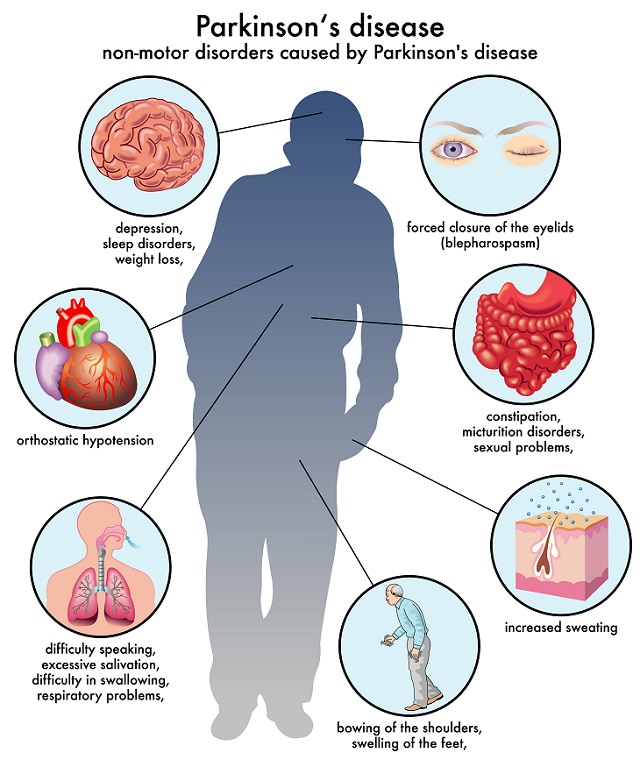
Recent Study Uses Special type of stem cells to discover early signs of Parkinson's disease at younger ages, Affects of parkinsons disease
Parkinson’s disease affects nearly 500,000 people, and those numbers are, sadly, on the rise. While 90% of patients diagnosed are above the age of 60, the remaining 10% are within the 21-50 age bracket. It is these early cases that create the most worry, and at the same time, they show the most potential for identifying the molecular changes to the body that occur at the earliest stages of Parkinson’s disease. 
 
What the Study Revealed
The study, published on 27th January 2020 in the journal Nature Medicine, was focused on the symptoms and development of the disease in young patients between the ages of 21 and 50. The study was conducted by a team of researchers from Cedars-Sinai and UCLA, and it first began by harvesting and generating special stem cells from young patients suffering from Parkinson’s. These stem cells are called induced pluripotent stem cells (iPSCs for short), and they are created by turning back the clock on adult cells by turning them into primitive embryonic cells. 
 
These embryonic cells, iPSCs, can then produce genetically identical cells, replicating any type of cell in the human body. Using the iPSCs, the dopamine neurons of early-onset Parkinson’s patients were replicated, cultured in a dish, and analyzed. The goal, according to the senior author of the study Dr.Clive Svendsen, was to take the cells back to the earliest stages of their development and observe these dopamine neurons in the earliest stages of the disease, prior to major impairments.
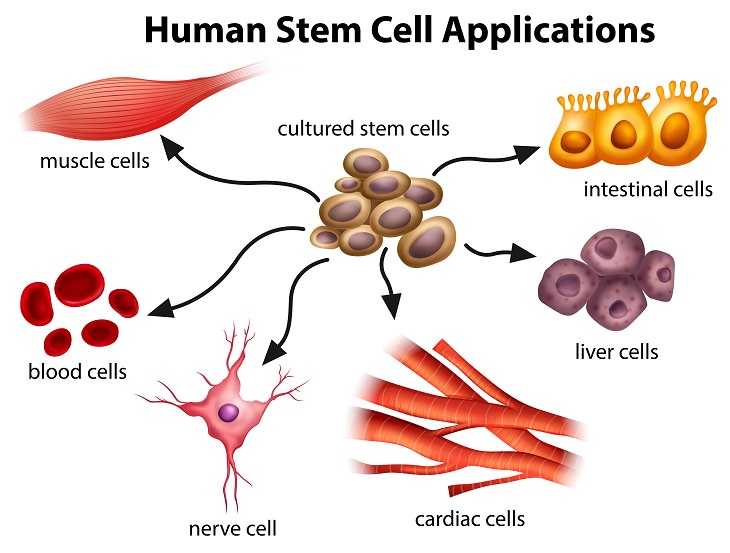
Recent Study Uses Special type of stem cells to discover early signs of Parkinson's disease at younger ages, uses of human stem cells

Two major observations were detected. The first was a build-up of a protein commonly found in forms of Parkinson’s disease called alpha-synuclein in the neurons. The second observation was the malfunctioning of a number of lysosomes. Lysosomes are tiny sacs of enzymes in the cell that aid in digestion by acting as waste disposal systems, or “trash can” organelles that break down and dispose of proteins. 
 
It could, therefore, be reasonably assumed that when the malfunctioning of these lysosomes occurs, it results in the accumulation of the alpha-synuclein protein in neuronal cells.

This technique and these observations show the first signs of early-onset Parkinson’s, which would likely imply that the build-up of alpha-synuclein over 2 or 3 decades could cause the progression of the symptoms of the disease. The greater the accumulation, the more severe the symptoms.

A Great Sign of Progress
These abnormalities are now being studied to determine their presence in other forms of Parkinson’s disease. The technique described in this study not only provided the team of researchers a method that helps us understand the progression of the disease on a molecular level, but also a means of drug testing. 
 
The iPSCs were used to test a variety of drugs, one of which was found to reduce the high levels of alpha-synuclein. This drug, PEP005, was tested in both the dopamine neurons in the dish, as well as in lab mice, and was found to reduce alpha-synuclein levels. The benefit of this drug is that it has already been approved by the FDA (United States Food and Drug Administration) as a treatment for precancerous tumors of the skin.

An additional surprising result of using the drug, PEP005, is an abnormal increase in the levels of an active protein called kinase C. However, the relation of this protein to Parkinson’s disease is still undiscovered. Experiments are being conducted to determine how the drug PEP005 might be used to treat or even prevent early-onset symptoms of Parkinson’s. 
 
What Makes This Research So Important
Dr. Michele Tagliati, professor and vice-chair of the Department of Neurology at Cedars-Sinai, director of the Movement Disorders Program and a co-author of the study stated that “Young-onset Parkinson's is especially heartbreaking because it strikes people at the prime of life… This exciting new research provides hope that one day, we may be able to detect and take early action to prevent this disease in at-risk individuals." 
 
This study shows great potential for the future of Parkinson’s disease and in the discovery of possible preventive measures, treatments, and cures. This joint effort between Cedars-Sinai and UCLA also marks an important milestone in collective medical advancement. 
 
As Dr. Shlomo Melmed of Cedars-Sinai said, “This research is an outstanding example of how physicians and investigators from different disciplines join forces to produce translational science with the potential to help patients.” This study marks one of many incredible collaborative programs from the past and hopefully for the future on Parkinson’s Disease.


This is only for your information, kindly take the advice of your doctor for medicines, exercises and so on.     

https://gscrochetdesigns.blogspot.com. one can see my crochet creations  
https://gseasyrecipes.blogspot.com. feel free to view for easy, simple and healthy recipes    
https://kneereplacement-stickclub.blogspot.com. for info on knee replacement


Labels: , , , , , ,

Monday, July 29, 2019

New treatment discovered for Parkinson’s and other brain diseases

A discovery has revealed that a protein which was earlier linked to cell dysfunction and death is in fact critical for repairing breaks in DNA. The finding could lead to new treatments for Parkinson's and other brain diseases, suggests a study.

The study demonstrates the role of protein- alpha-synuclein in preventing the death of neurons in brain diseases such as Parkinson's. The findings suggest that it may be possible to design new therapies to replace alpha-synuclein's function or boost it in people with Parkinson's disease and other neurodegenerative disorders.

It also reveals that aggregates of alpha-synuclein, lewy bodies, are problematic because they pull alpha-synuclein protein out of the nucleus of brain cells. The study examined the cells of living mice and postmortem brain tissue in humans, revealed that these proteins perform a crucial function by repairing breaks that occur along the vast strands of DNA present in the nucleus of every cell of the body.

Alpha-synuclein's role in DNA repair may be crucial in preventing cell death. This function may be lost in brain diseases such as Parkinson's, leading to the widespread death of neurons. "It may be the loss of that function that's killing that cell," said the senior author of the study.

Researchers found that the alpha-synuclein protein rapidly recruited to the site of DNA damage in the neurons of mice. In addition, they found increased double-strand breaks in the DNA of human tissue and mice in which the protein was clumped together in the form of Lewy bodies in the cytoplasm surrounding the cell's nucleus. Taken together, the results suggest that alpha-synuclein plays a crucial role in binding broken strands of DNA within the cell's nucleus.

"This is the first time that anyone has discovered one of its functions is DNA repair," he said. "That's critical for cell survival, and it appears to be a function that's lost in Parkinson's disease."

THIS IS ONLY FOR INFORMATION, ALWAYS CONSULT YOU PHYSICIAN BEFORE HAVING ANY PARTICULAR FOOD/ MEDICATION/EXERCISE/OTHER REMEDIES.                                    PS- THOSE INTERESTED IN RECIPES ARE FREE TO  VIEW MY BLOG-                                                                                           https://gseasyrecipes.blogspot.com/                                                                                                                                                FOR INFO ABOUT KNEE REPLACEMENT, YOU CAN VIEW MY BLOG-                                                  https:// kneereplacement-stickclub.blogspot.com/                                                                      FOR CROCHET DESIGNS                                                                                                    
                                https://gscrochetdesigns.blogspot.com

Labels: , , , , , , , , , , , , ,

Thursday, November 29, 2018

The Connection Between Your Appendix and Parkinson's

Scientists have discovered a new clue that Parkinson's disease may get its start not in the brain, but in the gut - and possibly in the appendix. It was found that people who had their appendix removed early in life had a lower risk of getting the tremor-inducing brain disease decades later. 

The appendix, which is often considered to be useless, seems to be a storage depot for an abnormal protein. Which, if it somehow makes its way into the brain, becomes a hallmark of Parkinson's. But, before you do go rushing to a surgeon, a neuroscientist and geneticist who led the research team, stressed: "we're not saying to go out and get an appendectomy." Furthermore, there are plenty of people who have no appendix yet still develop Parkinson's. In addition, plenty of others harbor the protein but never get sick. 
 
appendix removal
Understanding the gut connection
Doctors and patients have long suspected a connection between the gastrointestinal tract and Parkinson's. It was also noticed that constipation and other GI troubles are very common for a number of years before patients experience tremors and movement difficulty that lead to a Parkinson's diagnosis. 

A Parkinson's specialist , who wasn't part of the study, but has many of her patients ask about the gut link says "This is a great piece of the puzzle. It is a fundamental clue."

A chief scientific officer, who too wasn't involved agreed that "there's a lot of tantalizing potential connections." Furthermore, he noted that despite its reputation, the appendix appears to play a role in immunity which may influence gut inflammation. In addition, the type of gut bacteria that live in the gut may also affect Parkinson's. 

However, if it truly is common to harbor that Parkinson's-linked protein, "what we don't know is what starts it, what gets this whole ball rolling," the Dr. says. 


Scientists have for many years hypothesized about what might cause the gut-Parkinson's connection. One main theory included the possibility of bad "alpha-synuclein" protein which can travel from nerve fibers in the GI tract up the vagus nerve. This connects the body's major organs to the brain. Abnormal alpha-synuclein is toxic to brain cells involved with movement. There have also been other clues. Decades ago, people who have had their vagus nerve cut as part of a now-abandoned therapy had a reduced risk of Parkinson's. Smaller studies have suggested appendectomies, too, might be protective - but the results were conflicting.

Consequently, the team set out to find stronger evidence. Firstly, the researchers analyzed Sweden's national health database. They examined medical records of nearly 1.7 million people tracked since 1964. It was discovered that the risk of Parkinson's was 19% lower among those who had their appendix surgically removed decades earlier. What was found to be puzzling was that people living in rural areas appeared to get the benefit. The Dr. said that it is possible that the appendix plays a role in environmental risk factors for Parkinson's, including pesticide exposure. In addition, further analysis suggested that people who developed Parkinson's despite an early-in-life appendectomy tended to have symptoms appear a few years later than similarly aged patients. 
 
A common protein
A Dr. who wasn't involved in the research says that kind of study doesn't prove that removing the appendix is what reduces the risk. Consequently, the team examined tissue from 48 Parkinson's-free people. It was found that in 46 of them, the appendix harbored the abnormal Parkinson's-linked protein. So did some Parkinson's patients. Whether the appendix was inflamed or not also did not affect their findings. 

This is a crucial finding because it means merely harboring the protein in the gut isn't enough to trigger Parkinson's, the Dr. said. There has to be another step that makes it dangerous only for certain people. She says, "the difference we think is how you manage this pathology," she said, about how the body handles the buildup. 

Her team plans additional studies. The findings are compelling , however, another key question is if the abnormal protein collects in healthy people's intestines. In addition, a Dr. adds another caution: There are other unrelated risks for Parkinson's disease, this includes suffering a traumatic brain injury. "This could be one of many avenues that lead to Parkinson's disease, but it's a very exciting one," she said.

THIS IS ONLY FOR INFORMATION, ALWAYS CONSULT YOU PHYSICIAN BEFORE HAVING ANY PARTICULAR FOOD/ MEDICATION/EXERCISE/OTHER REMEDIES.                                                                                                                                                                                                                                                                                        PS- THOSE INTERESTED IN RECIPES ARE FREE TO  VIEW MY BLOG-                                                                                           https://gseasyrecipes.blogspot.com/                                                                                                                                                                             FOR INFO ABOUT KNEE REPLACEMENT, YOU CAN VIEW MY BLOG-                                                                                                                             https:// kneereplacement-stickclub.blogspot.com/                                                                                       FOR CROCHET DESIGNS                                                                                                                                                                                                                                 https://gscrochetdesigns.blogspot.com

Labels: , , , , , , , , , , , ,

Tuesday, February 20, 2018

Too Much Of Calcium In Brain May Up Risk Of Parkinson

Calcium is one of the most crucial elements for bone health. It is essential for strong teeth. Our heart, muscles and nerves also need calcium to function properly. Therefore one must ensure that there is adequate amount of calcium in their respective diets. However according to a latest study, excess levels of the mineral in brain cells may lead to the formation of toxic clusters that are common in Parkinson's disease.

Parkinson's disease is a neurodegenerative disease where the central nervous system that affects movement, often including tremors. Parkinson's disease is typically caused when naturally occurring proteins fold into the wrong shape and stick together with other proteins in the brain, eventually forming thin filament-like structures called amyloid fibrils. These amyloid deposits of aggregated alpha-synuclein, also known as Lewy bodies, are the sign of Parkinson's disease.

The findings revealed that while calcium is essential to mediate the interaction between small membranous structures inside nerve endings -- important for neuronal signalling in the brain, and alpha-synuclein -- the protein associated with Parkinson's disease. It is the excess levels that could cause the problem. The scientists revealed excess levels of either calcium or alpha-synuclein may have a role in starting the chain reaction that leads to the death of brain cells.

"This is the first time we've seen that calcium influences the way alpha-synuclein interacts with synaptic vesicles," said lead author of the study. "We think that alpha-synuclein is almost like a calcium sensor. In the presence of calcium, it changes its structure and how it interacts with its environment, which is likely very important for its normal function," the author added.

For the study, the team isolated synaptic vesicles -- part of the nerve cells that store the neurotransmitters which send signals from one nerve cell to another.

The findings claimed that in neurons calcium plays a role in the release of neurotransmitters. They also found a fine balance between calcium and alpha-synuclein in the cell. It is when there is too much calcium in the body that the problem begins. The balance gets tipped and aggregation begins, leading to Parkinson's disease.

While one cannot completely treat Parkinson's disease, you can surely slow it down with exercise and adding cinnamon to your daily diet. Cinnamon is not only a commonly used kitchen spice but also a healing ingredient that has been known to cure a lot of health problems. According to a study published a few weeks ago, cinnamon may help slowing down the progression of Parkinson's disease (PD).

The study found that after oral feeding, ground cinnamon is metabolized in the liver into sodium benzoate. It then enters in to the brain, stops the loss of important proteins Parkin and DJ-1, protects neurons, neutralizes neurotransmitter levels and further improves motor functions in mice with PD.

THIS IS ONLY FOR INFORMATION, ALWAYS CONSULT YOU PHYSICIAN BEFORE HAVING ANY PARTICULAR FOOD/ MEDICATION/EXERCISE/OTHER REMEDIES.    
PS- THOSE INTERESTED IN RECIPES ARE FREE TO VIEW MY BLOG-                      
HTTP:GSEASYRECIPES.BLOGSPOT.COM/
FOR INFO ABOUT KNEE REPLACEMENT, YOU CAN VIEW MY BLOG-                                                     
HTTP://KNEE REPLACEMENT-STICK CLUB.BLOGSPOT.COM/
FOR CROCHET DESIGNS

HTTP://MY CROCHET CREATIONS.BLOGSPOT.COM

Labels: , , , , , , , , , , , , , , , , ,

Wednesday, December 28, 2016

A single protein may help treat Parkinson’s, Alzheimer’s

Scientists have found that a single protein can lead to effective treatments for devastating neurodegenerative diseases, such as Parkinson's, Huntington’s, Alzeheimer's and amyotrophic lateral sclerosis (ALS). These disorders are triggered by misbehaving proteins in the brain that misfold and accumulate in neurons, inflicting damage and eventually killing the cells. In the study, researchers from the Gladstone Institutes in California, used a different protein — Nrf2 — to restore levels of the disease-causing proteins to a normal, healthy range, thereby preventing cell death. ‘We’ve tested Nrf2 in models of Huntington’s disease, Parkinson’s disease, and ALS, and it is the most protective thing we’ve ever found. Based on the magnitude and the breadth of the effect, we really want to understand Nrf2 and its role in protein regulation better,’ said Steven Finkbeiner from Gladstone Institute. The researchers tested Nrf2 in two models of Parkinson’s disease — cells with mutations in the proteins LRRK2 and alpha-synuclein.

By activating Nrf2, the researchers turned on several ‘house-cleaning’ mechanisms in the cell to remove excess LRRK2 and alpha-synuclein. ‘Nrf2 coordinates a whole program of gene expression, but we didn’t know how important it was for regulating protein levels until now,’ added Gaia Skibinski, research scientist at Gladstone Institute. ‘Over-expressing Nrf2 in cellular models of Parkinson’s disease resulted in a huge effect. In fact, it protects cells against the disease better than anything else we’ve found,’ Skibinski explained. Using a one-of-a-kind robotic microscope, the team tagged and tracked individual neurons — both rat and human — over time to monitor their protein levels and overall health. They took thousands of images of the cells over the course of a week, measuring the development and demise of each one. While, for mutant LRRK2, Nrf2 drove the protein to gather into incidental clumps that can remain in the cell without damaging it, for alpha-synuclein, Nrf2 accelerated the breakdown and clearance of the protein, reducing its levels in the cell, the results showed. The study was published in the Proceedings of the National Academy of Sciences (PNAS). 

this is only for your information, kindly take the advice of your doctor for medicines, exercises and so on.

https://gscrochetdesigns.blogspot.com. one can see my crochet creations
https://gseasyrecipes.blogspot.com. feel free to view for easy, simple and healthy recipes 
https://kneereplacement-stickclub.blogspot.com. for info on knee replacement

Labels: , , , , , , , ,