Monday, July 28, 2025

8 Natural Ways to Fight Back Against Tooth Plaque

Plaque is a common dental problem that should not go unnoticed. Apart from being rather unsightly, plaque can also worsen, and lead to more serious ailments. There's an extensive range of products you can use to get rid of it, but did you know there are also some great chemical-free natural remedies you can use to prevent or help treat its formation? Now is the time to get better informed about the matter. 
 
First of all... What is plaque?
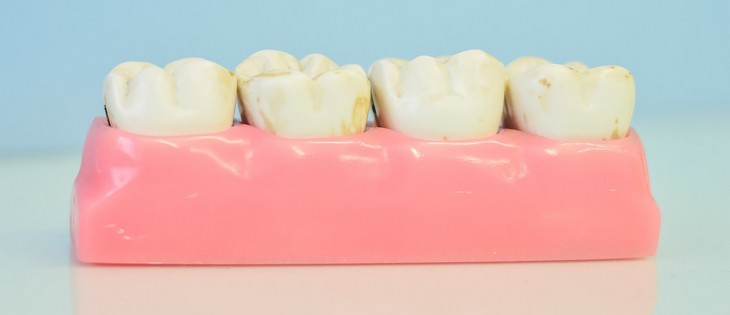
plaque, dental care, natural

Plaque (also known as dental biofilm) is formed as a result of substances gathering in our mouth after eating or drinking, appearing as a white or pale yellow "slime layer" between the teeth and along the cervical margins (the surface touching the gum). The substance consists of food debris, bacteria, and bacterial waste, possibly leading to oral complications such as gingivitis and periodontitis. 
 
Although the formation of plaque is normal for everyone and cannot be stopped, controlling it is one of the most important things in dental care. This is because plaque may become acidic, leading to the demineralization of the teeth or tartar.


What is tartar?
 
If plaque remains untreated, it can harden and turn into what is called tartar or calculus. It can form both along the gum line, and also within the narrow sulcus, found between the teeth and the gingiva. Tartar may be the cause of bad breath, receding gums, and chronically-inflamed gingiva, as well as the further formation of plaque. 
 
When plaque becomes tartar, it becomes far more difficult to remove and would require clinical help. Tartar formation is not only connected to oral hygiene, but also tobacco use, drugs, age, diet, and genetics. 
 
What can you do to treat and prevent plaque build-up?
There's a lot you can do to prevent plaque from forming on your teeth and leading on to something more serious, such as tartar. To begin with, it is important to get checked regularly by a dentist to make sure your teeth and gums are in good shape. Secondly, we recommend that you try some of the best natural techniques that can rid your mouth from plaque in some simple steps. Here are some excellent methods that are tried and tested: 
 
THE 8 NATURAL REMEDIES FOR PLAQUE 
 
1. Brushing with baking soda and salt
The combination of these two ingredients is one of the safest and most effective ways to help you eliminate plaque. Combine one tablespoon of baking soda and half a teaspoon of salt in a bowl. Dip a wet toothbrush into the mixture and brush your teeth with it. Repeat this a few times to achieve great results.

2. Munching apples plaque, dental care, natural

 
One of the solutions is in your very own dessert. Snacking on apples or melon just after a meal is one of the best natural ways of cleaning your teeth and gums from remaining bits of food, as well as eliminating plaque. 
 
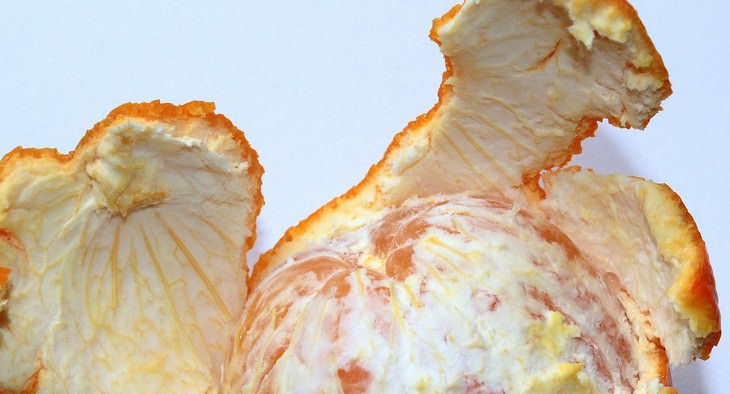
3. Rubbing orange peel
plaque, dental care, natural
Before brushing your teeth, grab a piece of orange peel and rub the inner (white) part against your teeth's surface for about two minutes. Performing this ritual on a regular basis will not only render your teeth polished and whitened, but will prevent plaque build-up due to the vitamin C found in the orange peel. 
 
 
4. Using other fruit rich in Vitamin C
 
plaque, dental care, natural
In addition to oranges, there are various other fruits that can do wonders for your dental health. Opt for Vitamin C-rich fruit, such as strawberries, to boost your immune system and help fight off oral infections. Take full advantage of their benefits by rubbing them against your teeth and consuming them. 
 
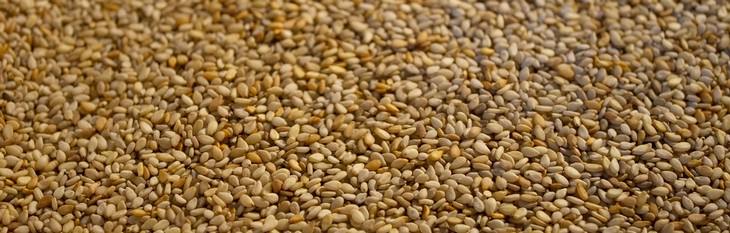
5. Scrubbing with sesame seeds
 
plaque, dental care, natural 
 
Sesame seeds may also help you get rid of plaque, due to properties that enable them to act as a great abrasive to clear and polish your teeth. Simply grind them against your teeth, then remove the leftover pieces using a dry toothbrush.

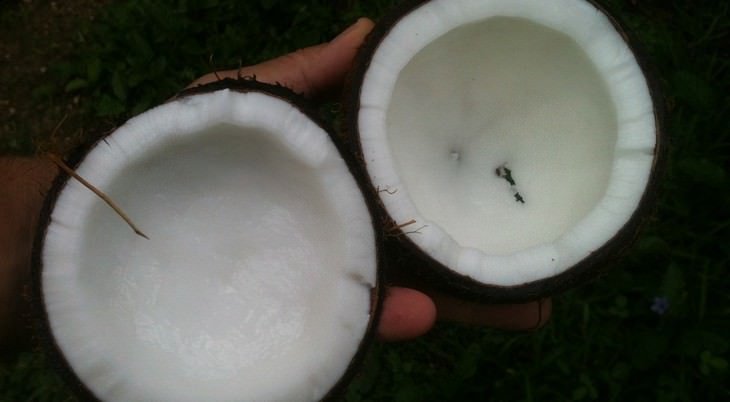
6.  Rub with coconut oil paste
 plaque, dental care, natural
 
Surprisingly, coconut is incredibly beneficial for your dental health. Protect your teeth from plaque by combining two tablespoons of virgin coconut oil and two tablespoons of baking soda in a bowl to make a paste. Then, use the paste as a natural toothpaste to reap the effective benefits. Feel free to also add any essential oil of your choice to the mixture (such as peppermint).

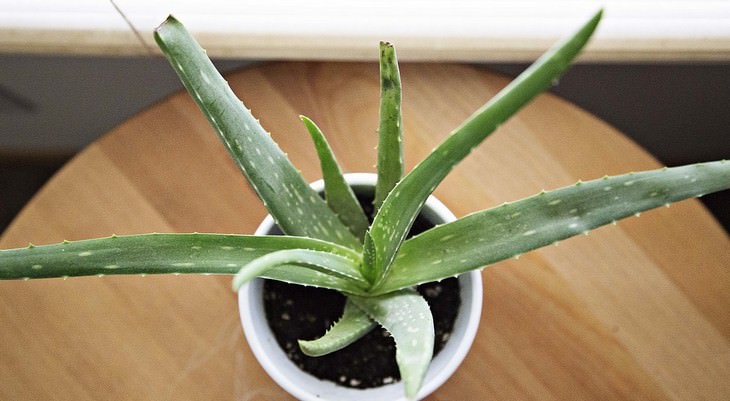
7. Using Aloe vera
 plaque, dental care, natural
 
 
Just as aloe vera is great for our skin, it's also perfect for soothing our teeth and gums. Studies have shown that aloe vera can improve plaque and periodontal conditions and maintain hygiene in our mouth. Simply apply some aloe vera to your toothbrush and use it as toothpaste. 
 
8. Rinse with hydrogen peroxide
The properties of hydrogen peroxide make it ideal to be used for oral health. Make a mouthwash consisting of three parts water (or prepared mouthwash) and one part 3% hydrogen peroxide solution. Swish, gargle and rinse well for one minute daily. This will act as an astringent and teeth whitener, as well as help remove plaque and loosen tartar. 
 
 
Remember some other important tips:

Brush your teeth regularly and effectively: If you want to avoid plaque accumulation, take this as a rule of thumb. Use a soft-bristled brush and brush up and down, carefully reaching and brushing each tooth. 
 
• Visit your dentist regularly: Don't forget to get your teeth checked every so often. 
 
• Drink water: Water is a way of rinsing your mouth from food particles after eating a meal. Make sure you drink enough water each time. 
 
• Don't forget dental flossing: Use dental floss to clean the areas between your teeth at least once a day (although twice is ideal).


This is only for your information, kindly take the advice of your doctor for medicines, exercises and so on.   


Labels: , , , , , , ,

Friday, June 11, 2021

The Tell-Tale Signs and Symptoms of a Heart Attack

People often expect a heart attack to be dramatic like it is in the movies, but the reality tends to be different and can even go unnoticed. Here are the tell-tale signs and symptoms of a heart attack:
 
What happens during a heart attack?
During a heart attack, the blood flow to the heart muscle is either reduced or completely stops. This typically happens because of a blood clot that is blocking an artery. When the heart muscle does not get oxygen-rich blood, it ceases to work.

Some common heart attack symptoms  
• A heart attack often causes chest pain. 
 
• There is a feeling of fullness or a clasping pain in the center of the chest. Most victims describe the pain as akin to an elephant standing on the chest (extreme pain). It usually lasts for about 15 minutes. 
 
• One also experiences shooting pain in the shoulders, neck, arm, back and sometimes even the teeth and jaw. 
 
• One finds increasing episodes of chest pain. 
 
• Prolonged pain in the upper abdomen. 
 
• Shortness of breath. 
 
• The victim might experience heavy sweating. 
 
• Since the heart’s pumping action is severely impaired during a severe heart attack, the victim might lose his/her consciousness. 
 
* In rare cases, as in patients who are diabetic, the heart attack may not be very painful, and sometimes can even be entirely painless. 
 
Some symptoms that may also appear include: 
 
• Pain in the abdomen 
 
• Heart burn 
 
• Unusual tiredness 
 
• Nausea 
 
• Tightness or pain in the neck, shoulders or upper back

Heart attack symptoms are not the same for everyone

Not everyone who has a heart attack has the same symptoms. Many a time, we also tend to ignore a heart attack thinking it might be mere abdominal discomfort due to gas pains or indigestion. If you have more than a few of the symptoms listed above, then you are likely to be having one. Get emergency help immediately. 
 
What to do in case of a heart attack? 
 
Rush to a hospital, immediately. If you recognize that you or someone around you is having a heart attack, get immediate medical help. 
 
• Take Aspirin: As soon as you recognize it is an attack, crush an aspirin, dissolve it in water and make the person drink it. 
 
• Emergency numbers: Every office and home must keep a list of emergency numbers like that of an ambulance service and hospital. 
 
A heart attack is different from cardiac arrest 
 
Do not confuse a heart attack with cardiac arrest. In the case of cardiac arrest, the heart suddenly stops. It occurs due to an electrical disturbance that obstructs the heart’s pumping function, which results in stopping blood flow to the rest of the body. Below are two fact files detailing the differences between a heart attack and cardiac arrest: 
 
Sudden Cardiac Arrest Fact File  
SCA is a chaotic electrical condition of the heart resulting in the loss of blood flow to the brain and body. The most common form of SCA is ventricular fibrillation. 
 
Causes  
Electrical impulses of the heart become chaotic due to a blow to the chest or other (sometimes-unknown) health-related issues. As a result, the heart stops beating regularly and begins to flutter rapidly. 
 
Symptoms  
Typically, there are no symptoms of SCA. Usually, the first indication of SCA is when the victim faints. The second sign is breathing cessation. 
 
Victim's Response 
A sudden cardiac arrest victim always loses consciousness from lack of oxygen. 
 
Risk of Death
A victim of SCA will die unless treated. If left untreated, the chances of survival decrease by 10% per minute. Typically, permanent brain damage occurs within 5-7 minutes. 
 
Treatment  
The only treatment for SCA is defibrillation from an automated external defibrillator (AED). A shock from the AED stops the chaotic electrical activity and allows the heart's sinus node to resume a normal electrical impulse. 
 
Heart Attack Fact File  
The medical term for a heart attack is myocardial infarction: a blockage of the coronary arteries leading to a decrease in blood flow. When this happens, the heart muscles die or become permanently damaged. 
 
Causes  
Plaque made of cholesterol and other cells builds up in the walls of the heart’s arteries. When the build-up is great enough, the plaque creates a blockage, known as an occlusion, which restricts the blood supply to the heart muscle. 
 
Symptoms  
Warning signs of a heart attack include a tightening feeling in the chest, a sore or numb left arm, lower back, neck, and/or jaw. Other signs include bad indigestion, a feeling that something heavy is sitting on your chest, and shortness of breath. 
 
Victim's Response  
The victim of a heart attack is usually conscious and alert. 
 
Risk of Death  
Most victims can recover fully and lead normal lives, but about a third of heart attacks are deadly. A heart attack can lead to sudden cardiac arrest. 
 
Treatment  
One treatment of a heart attack can be angioplasty, which opens up the blocked vessels with a medical balloon. Afterwards, a stent can be placed in the artery to help keep it open. Other treatments include clot-busting drugs called thrombolytics or nitroglycerin to reduce chest pain. 
 
So, remember this information, and most of all, remember the ABCs of heart care: Avoiding Tobacco, stress and fatty foods, Being more active and Choosing the right nutrition and lifestyle that will keep your heart healthy!

This is only for your information, kindly take the advice of your doctor for medicines, exercises and so on.   

https://gscrochetdesigns.blogspot.com. one can see my crochet creations  
https://gseasyrecipes.blogspot.com. feel free to view for easy, simple and healthy recipes    
https://kneereplacement-stickclub.blogspot.com. for info on knee replacement

Labels: , , , , , , , , , , , , , ,

Friday, May 01, 2020

25 Ways of Preventing Alzheimer's

Alzheimer’s strikes fear in all of us. The thought of losing your mind as you grow older is terrifying and made worse by the fact that, before now, there appeared to be little we could do to slow down or avoid Alzheimer’s, which is the most common form of dementia. Today, research has found many factors that raise or diminish the risk of Alzheimer's disease. Following these tips, you could slash your chances of developing the disease:
 1. Check out your ankle

Low blood flow in your foot is a clue to trouble in your brain and a simple test can reveal its cognitive state and your likelihood of stroke and dementia. The theory is that the health of your blood vessels is similar throughout the body. The degree of clogged arteries and blood flow in the feet can suggest atherosclerosis in cerebral blood vessels. Ask your doctor for an ankle-brachial index (ABI) test which involves an ultrasound device and a blood pressure cuff that compares the blood pressure in your ankle to that in your arm. To remedy any impairment of blood flow your GP may advise stepped-up exercise or a change in diet/medication.

2. Antioxidant-rich foods

Certain foods infuse your brain with antioxidants that can slow memory decline and help prevent Alzheimer’s. All fruit and vegetables are good but at the top of the list are black raspberries, elderberries, raisins, and blueberries.

3. Beware of bad fats

The type of fat you eat changes your brain’s functioning for better or worse. Stay away from saturated fats which strangle brain cells causing them to become inefficient. Buy low fat or fat-free dairy products including milk, cheese, and ice cream. Cut down on deep-fried foods.


4. Chocolate Treat

Cocoa, the main ingredient in chocolate, has sky-high concentrations of antioxidants called flavanols, which possess strong heart and brain-protecting properties. Drinking cocoa increases blood flow to the brain. Cocoa powder has twice as many flavanols as dark chocolate, which has twice a many as milk chocolate. White chocolate has zero.

5. Grow a bigger brain

Your brain starts to shrink when you reach 30 or 40 so it takes longer to learn. However, scientists now believe you can increase the size of your brain through learning. Try studying, learning new things or broadening your circle of friends for stimulation.


6. The Estrogen Evidence
68 percent of Alzheimer’s patients are women, possibly because midway through life, they lose the protection that is provided by estrogen, which boosts memory. Unless your GP says otherwise, start taking estrogen immediately at the time of menopause – starting any later opens you up to the risk of dementia and stroke.

7. Raise good cholesterol


It’s well known that having a high level of good-type HDL blood cholesterol protects you from heart disease, but it can also save your brain. Researchers claim it blocks sticky stuff that destroys brain cells and acts as an anti-inflammatory to lessen brain damage. Ways to ramp up good cholesterol include exercise, drinking moderate amounts of alcohol and losing weight.

8. Google something

Doing an internet search can stimulate aging brains even more than reading a book. And MRI scans show that savvy surfers have twice as many sparks of brain activity as novices. Go online to search for information, things to buy, or games to play. Although it’s not known how much it will benefit your brain, it’s better than passive pursuits.


9. The ApoE4 gene
One in four of you reading this has a specific genetic time bomb that makes you three to ten times more susceptible to developing late-onset Alzheimer’s. The gene is called apolipoprotein E4. If you inherit a single variant of ApoE4 from one parent, your Alzheimer’s risk triples. If you inherit a double dose from both parents, your risk rises by 10 times. Ask your doctor about a DNA test to reveal your ApoE4 genotype.


10. Say yes to coffee
Coffee is emerging as a tonic for the aging brain. It is anti-inflammatory, helps block the ill effects of cholesterol in the brain and cuts the risks of stroke, depression, and diabetes, all promoters of dementia. It is also high in antioxidants and caffeine which stop neuronal death and lessen diabetes, high blood pressure, and strokes that bring on dementia. For most people, a moderate daily intake of coffee, two to four cups, won’t hurt and may help.


11. Dangers of weight loss
Unexplained weight loss after age 60 or so maybe a sign of Alzheimer’s. A study showed that women with the disease started losing weight at least 10 years before dementia was diagnosed. Among women of equal weight, those who went on to develop dementia slowly became thinner over three decades and, when diagnosed, weighed an average 12lb less than women who were free of Alzheimer’s. Talk to your doctor about unexplained weight loss after 60.

12. Drink wine

A daily glass of wine may help delay dementia. Research says that alcohol is an anti-inflammatory and raises good cholesterol which helps ward off dementia. High antioxidants in red wine give it additional anti-dementia clout. Such antioxidants act as artery relaxants, dilating blood vessels and increasing blood flow which encourages cognitive functioning.

13. Know the early signs

Memory problems are not the first clue. You may notice a decline in-depth perception, for example, you reach to pick up a glass of water and miss it. Or you misjudge the distance in walking across a street.

Doing a jigsaw puzzle or reading a map may also be confusing. Losing your sense of smell can also be an early clue, as well as asking the same question repeatedly or misplacing belongings in odd places (like putting keys in the fridge). Be aware of memory problems as the earlier the signs are spotted, the more successful lifestyle changes and medications are likely to be.

14. A Mediterranean diet


The Mediterranean diet, no matter where you live, can help save your brain from memory deterioration and dementia. Studies consistently find that what the Greeks and Italians eat is truly brain food. Following this diet – rich in green leafy vegetables, fish, fruits, nuts, legumes, olive oil and a little vino – can cut your chances of Alzheimer’s by nearly half. Rather than depending on just one food or a few nutrients, it is a rich menu of many complex brain benefactors, including an array of antioxidants, which shield brain cells from oxidative damage.

15. Middle Age Obesity

Your brain cares if you are fat. A study showed obese people had 8% less brain tissue and overweight people had 4% less brain tissue than people of average weight, which according to some scientists hugely increases the risk of Alzheimer’s. Moreover, brain shrinkage occurred in areas of the brain targeted by Alzheimer’s, which are critical for planning, long-term memory, attention and executive functions, and control of movement.

Tackle signs of rising weight early, when you are young or middle-aged. Oddly, being obese after the age of 70 does not raise the risk of Alzheimer’s but that doesn’t mean you should neglect exercise as it is the best way of stimulating cognitive functioning and may delay the onset of Alzheimer’s at any age.

16. Get a good night’s sleep
A lack of sleep is toxic to brain cells. Sleep has surprising powers to protect your brain against memory loss and Alzheimer’s. It is a wonder drug that helps manipulate levels of the dreaded brain toxin peptide beta-amyloid, a prime instigator of Alzheimer’s, which according to one scientist puts you at accelerated risk. Research has also found that sleeping an average of five hours or less a night is linked to large increases in dangerous visceral abdominal fat, which can cause diabetes and obesity that can lead to Alzheimer’s. Take naps and seek treatment for sleep disorders.


17. Have an extended social circle
Studying the brain of a highly sociable 90-year-old woman who died from Alzheimer’s, researchers in Chicago found that having a large social network provided her with strong “cognitive reserve” that enabled her brain not to realize she had Alzheimer’s. Why this happens is a mystery, but interacting with friends and family seems to make the brain more efficient. It finds alternative routes of communication to bypass broken connections left by Alzheimer’s. So see friends and family often and expand your social network. The stronger the brain reserve you build through life, the more likely you are to stave off Alzheimer’s symptoms.

18. Deal with stress

When you are under stress, your body pours out hormones called corticosteroids, which can save you in a crisis. But persistent stress reactions triggered by everyday events like work frustration, traffic, and financial worries can be dangerous. Over time, it can destroy brain cells and suppress the growth of new ones, actually shrinking your brain. Sudden traumatic events like the death of a loved one or a life-changing event like retirement can leave a hangover of severe psychological stress that precedes dementia. Be aware that chronic stress can increase older people’s vulnerability to memory decline and dementia. Seek professional advice. Antidepressants, counseling, relaxation techniques and other forms of therapy may head off stress-related memory loss if treated early.

19. Take care of your teeth

Bad gums may poison your brain. People with tooth and gum disease tend to score lower in memory and cognition tests, according to US dental researchers who found that infection responsible for gum disease gives off inflammatory byproducts that travel to areas of the brain involved in memory loss.

Consequently, brushing, flossing and preventing gum disease may help keep your gums and teeth healthy but may also make your memory sharper. In another study, older people with the most severe gingivitis – inflamed gums – were two to three times more likely to show signs of impaired memory and cognition than those with the least.


20. Get enough Vitamin B12
As you age, blood levels of vitamin B12 go down and the chance of Alzheimer’s goes up. Your ability to absorb it from foods diminishes in middle age, setting the stage for brain degeneration years later. Researchers at Oxford University found that a brain running low on B12 actually shrinks and a shortage can lead to brain atrophy by ripping away myelin, a fatty protective sheath around neurons. It can also trigger inflammation, another destroyer of brain cells. Take 500 to 1000mcg of vitamin B12 daily after the age of 40. If you or an older family member has unexplained memory loss, fatigue or signs of dementia, be sure to get tested for vitamin B12 deficiency by your GP.

21. Vinegar in everything
There is plenty of evidence that vinegar decreases risk factors that may lead to memory decline, namely high blood sugar, insulin resistance, diabetes, pre-diabetes, and weight gain. Researchers in Phoenix, Arizona, have noted in studies of humans and animals that the acidic stuff packs potent glucose-lowering effects. Studies have also found it can curb appetite and food intake, helping prevent weight gain and obesity, which are associated with diabetes, accelerated dementia, and memory loss. Pour on the vinegar – add it to salad dressings, eat it by the spoonful, even mix it into a glass of drinking water. Any type of vinegar works.


22. Have your eyes checked
If you preserve good or excellent vision as you age, your chances of developing dementia drop by an astonishing 63%. And if it’s poor, just visiting an optician for an eye test and possible treatment at least once in later life cuts your dementia odds by about the same amount. Exactly how vision problems promote dementia is not clear but impaired vision makes it difficult to participate in mental and physical activities such as reading and exercising, as well as social activities, all believed to delay cognitive decline. Be aware that your eyes reflect and influence how your brain is functioning, especially as you age. Don’t tolerate poor vision, as often it can be corrected.

23. Eat curry or take curcumin pills

Curry powder contains the yellow-orange spice turmeric, packed with curcumin, a component reported to stall memory decline. One study showed elderly Indians who ate even modest amounts of curry did better in cognitive tests. Curcumin works by blocking the build-up of Alzheimer’s-inducing amyloid plaques (deposits found in the brains of sufferers) then nibbles away at existing plaque to slow cognitive decline.

It is recommended to eat two or three curries a week and make it a yellow curry. Otherwise, sprinkle the spice on your food. Read more about the many benefits of Curcumin.


24. Diabetes control

Having type 2 diabetes makes you more vulnerable to Alzheimer’s. Studies show it may double or triple your risk and the earlier diabetes takes hold, the higher the odds of dementia. Some experts refer to Alzheimer’s as “diabetes of the brain”. The two disorders have similar causes – obesity, high blood pressure, high cholesterol, high fat, and high sugar diets, low physical activity as well as high blood sugar. In short, diabetes can deliver a double whammy to the brain, destroying neurons and increasing inflammation. Do everything possible to keep blood sugar levels low and stick to a low-saturated-fat diet and regular exercise.


25. Drink more tea

Evidence suggests that tea stalls the cognitive loss that precedes Alzheimer’s and that the more tea you drink, the sharper your aging memory is. Tea’s secret is no mystery. The leaves are packed with compounds able to penetrate the blood-brain barrier and block neuronal damage.

One particular green tea antioxidant can block the toxicity of beta-amyloid, which kills brain cells. Make a point of drinking black and green tea. Don’t add milk - it can reduce tea’s antioxidant activity by 25%.

This is only for your information, kindly take the advice of your doctor for medicines, exercises and so on.     

https://gscrochetdesigns.blogspot.com. one can see my crochet creations  
https://gseasyrecipes.blogspot.com. feel free to view for easy, simple and healthy recipes    
https://kneereplacement-stickclub.blogspot.com. for info on knee replacement

Labels: , , , , , , , , , , , , , , , , , , ,