Friday, June 11, 2021

The Tell-Tale Signs and Symptoms of a Heart Attack

People often expect a heart attack to be dramatic like it is in the movies, but the reality tends to be different and can even go unnoticed. Here are the tell-tale signs and symptoms of a heart attack:
 
What happens during a heart attack?
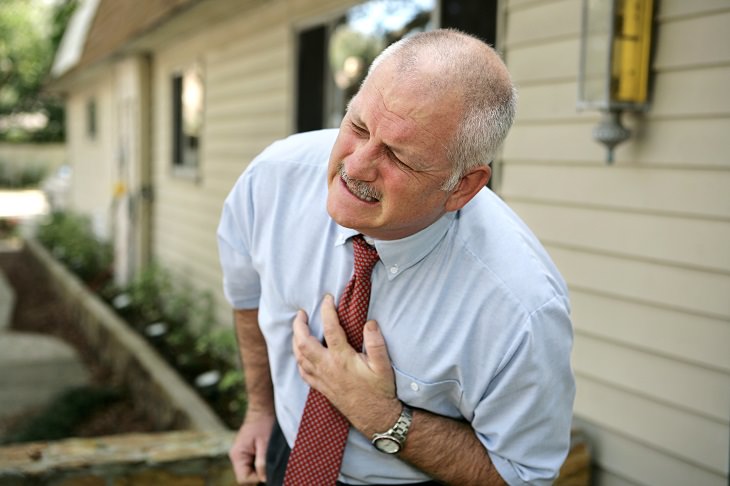
During a heart attack, the blood flow to the heart muscle is either reduced or completely stops. This typically happens because of a blood clot that is blocking an artery. When the heart muscle does not get oxygen-rich blood, it ceases to work.

Some common heart attack symptoms  
• A heart attack often causes chest pain. 
 
• There is a feeling of fullness or a clasping pain in the center of the chest. Most victims describe the pain as akin to an elephant standing on the chest (extreme pain). It usually lasts for about 15 minutes. 
 
• One also experiences shooting pain in the shoulders, neck, arm, back and sometimes even the teeth and jaw. 
 
• One finds increasing episodes of chest pain. 
 
• Prolonged pain in the upper abdomen. 
 
• Shortness of breath. 
 
• The victim might experience heavy sweating. 
 
• Since the heart’s pumping action is severely impaired during a severe heart attack, the victim might lose his/her consciousness. 
 
* In rare cases, as in patients who are diabetic, the heart attack may not be very painful, and sometimes can even be entirely painless. 
 
Some symptoms that may also appear include: 
 
• Pain in the abdomen 
 
• Heart burn 
 
• Unusual tiredness 
 
• Nausea 
 
• Tightness or pain in the neck, shoulders or upper back

Heart attack symptoms are not the same for everyone

Not everyone who has a heart attack has the same symptoms. Many a time, we also tend to ignore a heart attack thinking it might be mere abdominal discomfort due to gas pains or indigestion. If you have more than a few of the symptoms listed above, then you are likely to be having one. Get emergency help immediately. 
 
What to do in case of a heart attack? 
 
Rush to a hospital, immediately. If you recognize that you or someone around you is having a heart attack, get immediate medical help. 
 
• Take Aspirin: As soon as you recognize it is an attack, crush an aspirin, dissolve it in water and make the person drink it. 
 
• Emergency numbers: Every office and home must keep a list of emergency numbers like that of an ambulance service and hospital. 
 
A heart attack is different from cardiac arrest 
 
Do not confuse a heart attack with cardiac arrest. In the case of cardiac arrest, the heart suddenly stops. It occurs due to an electrical disturbance that obstructs the heart’s pumping function, which results in stopping blood flow to the rest of the body. Below are two fact files detailing the differences between a heart attack and cardiac arrest: 
 
Sudden Cardiac Arrest Fact File  
SCA is a chaotic electrical condition of the heart resulting in the loss of blood flow to the brain and body. The most common form of SCA is ventricular fibrillation. 
 
Causes  
Electrical impulses of the heart become chaotic due to a blow to the chest or other (sometimes-unknown) health-related issues. As a result, the heart stops beating regularly and begins to flutter rapidly. 
 
Symptoms  
Typically, there are no symptoms of SCA. Usually, the first indication of SCA is when the victim faints. The second sign is breathing cessation. 
 
Victim's Response 
A sudden cardiac arrest victim always loses consciousness from lack of oxygen. 
 
Risk of Death
A victim of SCA will die unless treated. If left untreated, the chances of survival decrease by 10% per minute. Typically, permanent brain damage occurs within 5-7 minutes. 
 
Treatment  
The only treatment for SCA is defibrillation from an automated external defibrillator (AED). A shock from the AED stops the chaotic electrical activity and allows the heart's sinus node to resume a normal electrical impulse. 
 
Heart Attack Fact File  
The medical term for a heart attack is myocardial infarction: a blockage of the coronary arteries leading to a decrease in blood flow. When this happens, the heart muscles die or become permanently damaged. 
 
Causes  
Plaque made of cholesterol and other cells builds up in the walls of the heart’s arteries. When the build-up is great enough, the plaque creates a blockage, known as an occlusion, which restricts the blood supply to the heart muscle. 
 
Symptoms  
Warning signs of a heart attack include a tightening feeling in the chest, a sore or numb left arm, lower back, neck, and/or jaw. Other signs include bad indigestion, a feeling that something heavy is sitting on your chest, and shortness of breath. 
 
Victim's Response  
The victim of a heart attack is usually conscious and alert. 
 
Risk of Death  
Most victims can recover fully and lead normal lives, but about a third of heart attacks are deadly. A heart attack can lead to sudden cardiac arrest. 
 
Treatment  
One treatment of a heart attack can be angioplasty, which opens up the blocked vessels with a medical balloon. Afterwards, a stent can be placed in the artery to help keep it open. Other treatments include clot-busting drugs called thrombolytics or nitroglycerin to reduce chest pain. 
 
So, remember this information, and most of all, remember the ABCs of heart care: Avoiding Tobacco, stress and fatty foods, Being more active and Choosing the right nutrition and lifestyle that will keep your heart healthy!

This is only for your information, kindly take the advice of your doctor for medicines, exercises and so on.   

https://gscrochetdesigns.blogspot.com. one can see my crochet creations  
https://gseasyrecipes.blogspot.com. feel free to view for easy, simple and healthy recipes    
https://kneereplacement-stickclub.blogspot.com. for info on knee replacement

Labels: , , , , , , , , , , , , , ,

Saturday, September 17, 2016

SOME PIANS YOU SHOULD NOT IGNORE

1. Burning Pain or Numbness in the Legs or Feet
 If you ever feel a burning pain or a numb/tingling sensation in the legs or feet, you could be suffering from neuropathy, or more specifically, diabetic neuropathy. Unfortunately, much like 23 million people in America, many individuals tend to ignore the symptoms of diabetes, leading to eventual serious consequences. The following are some other symptoms that would be present alongside this pain:

• dry mouth

• constant thirst and hunger
• itchy dry skin
• slow-to-heal wounds or cuts
• frequent and urgent urination
• blurred vision

If any or a number of these symptoms arise, make sure you see a doctor immediately.

2. Unexplained, Persistent Pain in the Chest, Throat, Jaw, Arm, or Belly
As you might be aware, pain in the chest area is often more of a worrying case than not. In fact, chest pain or discomfort is often linked to serious cardiac problems. However, these problems could also be indicated through pain in the throat, jaw, arm, or stomach, in which case, attention should be given so as not to mistaken them for other ailments. Acid reflux could also be experienced as a result of heart problems. So, if you observe any of these symptoms, make sure you do not overlook them.
3. An Excruciating Headache
Headaches are common pains we experience as a result of dehydration, sinus congestion, or stress, and could be avoided by drinking lots of water, using a neti pot, and making time for some meditation or restful sleep. However, if after trying out these possible solutions, you see that your headache is still persisting in an unbearable manner, take it as a serious warning sign.

Extreme cases are hard to ignore, but make sure you take urgent medical action, as causes for an extremely excruciating headache could signify brain bleeding.

4. Sudden or Nagging Back Pain
Back pain is one of the most common physical complaints, brought by a sedentary lifestyle, poor posture, or physical strain, and sometimes also, chronic conditions. It is a bothersome pain that could cause unwanted discomfort. But if the pain is sharp and sudden, it could be an indication of a deadly tear in the aorta (aortic dissection), the main blood vessel connected to the heart. This is a critical condition, which must be given medical attention straight away.

Furthermore, if you experience back pain between the shoulders, it could be a consequence of high blood pressure, circulation problems, diabetes and smoking, so make sure you get it seen to immediately.
5. Extreme Abdominal Pain
Pain in the abdominal area may be linked to several health conditions, especially if it is sudden, sharp and intense. It may point to issues in the gallbladder (including gallstones), pancreatitis, stomach or intestinal ulcers, and inflammation or bursting of the appendix. Suffering from unusually extreme pain in the stomach or gut area calls for an immediate trip to the doctor.
Investigating the problem early on would enable you to get necessary medical treatment as soon as possible.


 6. Pain or Swelling in the Calves
Experiencing calf cramps may not necessarily be a serious symptom, but when it is accompanied by swelling in the area, or the pain persists, it could hint at the presence of a life-threatening condition. Deep Vein Thrombosis (DVT) becomes a life threatening condition when a piece of the blood clot breaks off and travels downstream through the heart into the pulmonary circulation system, and becomes lodged in the lung.


Diagnosis and treatment of DVT is therefore essential, in order to prevent pulmonary embolism (a blockage in one of the pulmonary arteries in your lungs). One of the warning signs of DVT is in fact through pain or swelling in the calves, as well as:

• warmth in the skin of the affected leg

• red or discolored skin in the affected leg
• visible surface veins

It's also good to note that having flown recently may increase the risk of developing DVT. A doctor appointment must be made should the above symptoms be observed.

7. Odd, Vague, Unexplained Pain or Combined Pains
 Unlike the types of pain we've seen so far, there are certain ones that may not be concentrated in a particular area of the body, but are more spread out and subtle. However, you should not let these aches go unnoticed, since they could signify a less obvious underlying health problem, such as depression.

This mental condition frequently causes unexplained chronic pain, and is anticipated by psychological problems such as lack of interest, inability to think effectively and focus, and becoming less social. If you notice signs like these, do not hesitate to talk to your doctor or a counselor, so they can help you deal with the problem.


this is only for your information, kindly take the advice of your doctor for medicines, exercises and so on.
https://gscrochetdesigns.blogspot.com. one can see my crochet creations
https://gseasyrecipes.blogspot.com. feel free to view for easy, simple and healthy recipes

https://kneereplacement-stickclub.blogspot.com. for info on knee replacement

Labels: , , , , , , , , , ,

Sunday, July 24, 2016

Common Warning Signs of Lung Cancer

Lung cancer is not necessarily a death sentence if you catch it early enough. The problem is that most people aren’t aware of the early symptoms, which could potentially save lives.
Early warning symptoms

 1. Chronic Cough
If you’re coughing so often that you’re now hoarse, and the coughing still won’t stop, it may be a warning sign. Many of us will associate the coughing initially with a recent cold or seasonal allergies, but if your cough has been going on for eight or more weeks, consult with your physician. Patients report the cough worsens at night, making it harder to sleep. So, if this is the case with you it could be an early indicator.

2. Quick, Unexplained Weight Loss Western society tends to celebrate weight loss, which is the result of the high obesity rates and the subsequent heart diseases they entail. As nice as it may be to shed those extra pounds, if you’re not actively trying to lose weight (either by exercising or by dieting), yet it seems to be dropping nonetheless, you may want to contact your doctor. The cause of this unexpected weight loss is that your body knows that there is a tumor growing inside, and it is burning all of its energy reserves trying to fight it.

 3. Labored Breathing Suffering from shortness of breath or wheezing isn’t necessarily an indicator of lung cancer, so most people will not associate these symptoms with this disease. However, if these symptoms appear all of a sudden, even during activities that you used to do with ease, it may serve as a warning sign. It is advisable to get checked by your physician, particularly if you have a history of lung cancer in your family, or if you are a smoker.

4. Pains in Your Hands and Fingers If you’re feeling tired and your fingers are hurting, it can be an early warning sign of cancer. If the skin on your palms is getting thick, and you notice the appearance of white or pale folds, you might be experiencing a condition called “tripe palm”, placing you within a high-risk group for cancer.

 5. Chest Pains
If you’re experiencing pain while laughing, coughing, or lifting something, it might very well be a significant warning sign, particularly if the pain is persistent. The pain is caused by tumors that are growing inside your lungs, pressing against the surrounding tissues. In addition, lung cancer tends to spread to the bones. So if your chest pains are accompanied by bone pains (especially in the back or hips), contact your physician immediately!
 6. Unexplained Mood Swings Sudden, unexplained irritability is often a sign of cancer, but most patients and doctors don’t make the connection right away. If you’re experiencing sudden bouts of irritability or anger, followed by depression or exhaustion that is accompanied by other symptoms on this list - you ought to make a doctor’s appointment as soon as possible.
 7. Blood in Your Phlegm
If you notice blood in your phlegm, it is never a good sign, and even just small spots can spell trouble. While bloody phlegm doesn’t automatically indicate lung cancer, it’s still a warning sign, so don’t wait to have it looked at, particularly if you’re coughing up large amounts of blood, or the bleeding doesn’t stop.

8. Irregularities in Breast Tissues Men suffering from lung cancer can experience development of breasts, as the cancer forces the body to release hormones it wouldn’t normally secrete. Change in the breasts will take place over a period of a few weeks to a few months. Do not ignore such changes and make it a priority to consult with your family doctor.

 9. Pain in the Shoulders You may think it’s irrelevant, but chronic shoulder pain can sometimes be the result of a tumor that is pressuring the nerves in the armpit, leading to tingling sensations, aches, and shooting pains from the shoulder and down the arms. This sign is more common in later stages of the cancer, when the tumor is already very large. You may also feel pain in the ribs near the armpit, swelling of the lymph nodes and face, and general aches in your body.

10. Repeated Infections If you’re suffering from recurring infections, such as pneumonia or bronchitis, in addition to other infections, particularly of the airways, know that it is closely associated with lung cancer. These chronic infections are caused by the body’s immune system being weakened from battling tumors.

Some of these symptoms may also be there for other diseases, so kindly confirm from your physician to be sure.
 this is only for your information, kindly take the advice of your doctor for medicines, exercises and so on.
https://gscrochetdesigns.blogspot.com. one can see my crochet creations
https://gseasyrecipes.blogspot.com. feel free to view for easy, simple and healthy recipes

https://kneereplacement-stickclub.blogspot.com. for info on knee replacement

Labels: , , , , , , , , , ,