Wednesday, May 17, 2023

Do You Know How to Spot a Brain Aneurysm?

Brain aneurysms kill people suddenly every year, yet few of us know what the warning signs of this deadly attack are. Recent estimates suggest that 90% of Americans are not sure what a brain aneurysm really is. And because anything from between 6% to 9% of people actually have an aneurysm, this lack of knowledge is tragic. This necessary guide will give you important information about brain aneurysms, telling you everything you need to know, and explaining what you can do to spot the signs before the worst happens. 
 
Lisa Colagrossi's story
Some of you may know the story of Emmy Award-nominated US news anchor, Lisa Colagrossi, who died in 2015 from a brain aneurysm, aged only 49. Lisa was a hard-working woman who began to feel excruciating head pain. After discussing it with her husband, she decided to let it pass and get on with her work. Sadly, she was taken ill and died only two weeks after the initial headache passed.
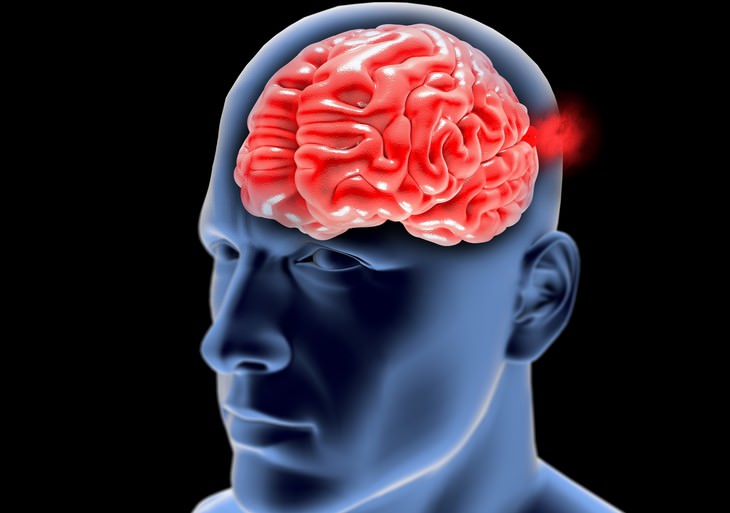
brain aneurysms

Following this awful turn of events, Lisa’s husband established the Lisa Colagrossi Foundation (LCF) to raise public awareness about the silent killer that had taken her away from him and their two poor children. Her husband understood that it was only a lack of knowledge that prevented Lisa from going to the doctor before it was too late. 
 
This story dramatically illustrates the need for more widely-spread knowledge about brain aneurysms. 
 
What is a brain aneurysm?
Neurosurgeon at New York University’s Langone Medical Center, Howard Riina, MD, describes a brain aneurysm as a weakness of the wall in one of the brain’s blood vessels. The weakness lets the wall form a bulge, due to the pressure of the blood running through the vessels. When this bulge becomes over-inflated it can rupture and seep blood into the brain tissue.
 
This bulge, or aneurysm, is something that anywhere from 6% to 9% of us are walking around with, unaware that it could rupture. They can even be seen on an MRI scan. Yet if the aneurysm is of a tolerably small size, doctors will not recommend invasive and dangerous surgery.

When you suffer a rupture...

brain aneurysms
The frightening description above may give you the idea of blood squirting all over the place, but the truth is not quite so dramatic. There may be a little dribble for a few moments, but generally a platelet plug naturally forms, according to Riina. However, even this little trickle can be fatal. Between 30% to 50% of sufferers die immediately after a rupture occurs. 
 
The small blood leak irritates the brain tissues it comes into contact with, and this drastically increases pressure within the head. Furthermore, the loss of blood is catastrophic for the brain regions which have lost out. These areas need a constant supply of blood to function as they should. 
 
Pressure and a lack of blood combine to induce either death or unconsciousness. 
 
Signs and symptoms of a rupture:
Here are several symptoms that have been reported by those who have suffered a rupture: 
 
• An excruciating headache 
 
• Neck stiffness 
 
• Tingling face 
 
• Light sensitivity 
 
• Seizures 
 
• Weak limbs 
 
• Blurry or double vision 
 
• Extreme tiredness 
 
Most of these symptoms are secondary, however, to the headache. Colagrossi’s husband describes this as “W-H-O-L” or ‘the worst headache of your life’. This could be felt anywhere and at any time, though it may be felt more strongly behind the eyes. It is hard to describe this pain, some compare it to being hit by a bolt of lightning, others have said it felt like hearing a gun shot.  
 
What to do:
Riina’s advice is that if you or someone close to you experiences any of these symptoms, make an emergency call for an ambulance or go to the hospital directly. Doctors have several things they can do to get rid of the pressure that results from the rupture, but that doesn’t mean that everything will be well. 
 
Of those who receive treatment a third die, a third suffer permanent impairment, and a further third go back to normal. The goal of the Lisa Colagrossi Foundation is to help increase the number of people who can go back to normal. He says: 
 
"If someone had been doing the work we're doing now to raise public awareness, Lisa and millions of others would still be alive."


This is only for your information, kindly take the advice of your doctor for medicines, exercises and so on.   

https://gscrochetdesigns.blogspot.com. one can see my crochet creations  
https://gseasyrecipes.blogspot.com. feel free to view for easy, simple and healthy recipes    
https://kneereplacement-stickclub.blogspot.com. for info on knee replacement
https://cancersupportindia.blogspot.com  for infor on cancer and health related topics
https://GSiyers home remedies.blogspot.com   is the latest addition to my blogs. I'm going to add posts there, do give me your valuable feed back on my blogs. Thanks a lot, take care, be healthy and be happy.

Labels: , , , , , , , , , ,

Monday, July 04, 2022

These 7 Types of Pain Should NEVER Be Ignored

One could say that physical pain is part of our everyday life. We get it as a consequence of injury, illness, or intense exercise (in which case there's absolutely no reason to worry about it). Many types of physical body pain can in fact be explained without having to see a doctor, but when there's no apparent cause for your persistent headache or your nagging back pain, it is important to alert yourself and take action, as they could be signs of something more serious. Here are 7 types of pain you should never ignore. 
 
1. Burning Pain or Numbness in the Legs or Feet
If you ever feel a burning pain or a numb/tingling sensation in the legs or feet, you could be suffering from neuropathy, or more specifically, diabetic neuropathy. Unfortunately, much like 23 million people in America, many individuals tend to ignore the symptoms of diabetes, leading to eventual serious consequences. 
 
The following are some other symptoms that would be present alongside this pain: 
• dry mouth 
• constant thirst and hunger 
 • itchy dry skin 
• slow-to-heal wounds or cuts 
• frequent and urgent urination 
• blurred vision 
 
If any or a number of these symptoms arise, make sure you see a doctor immediately. 
 
2. Unexplained, Persistent Pain in the Chest, Throat, Jaw, Arm, or Belly 
As you might be aware, pain in the chest area is often more of a worrying case than not. In fact, chest pain or discomfort is often linked to serious cardiac problems. However, these problems could also be indicated through pain in the throat, jaw, arm, or stomach, in which case, attention should be given so as not to mistaken them for other ailments. Acid reflux could also be experienced as a result of heart problems. So, if you observe any of these symptoms, make sure you do not overlook them. 
 
3. An Excruciating Headache
Headaches are common pains we experience as a result of dehydration, sinus congestion, or stress, and could be avoided by drinking lots of water, using a neti pot, and making time for some meditation or restful sleep. However, if after trying out these possible solutions, you see that your headache is still persisting in an unbearable manner, take it as a serious warning sign. 
 
Extreme cases are hard to ignore, but make sure you take urgent medical action, as causes for an extremely excruciating headache could signify brain bleeding. 
 
4. Sudden or Nagging Back Pain 
Back pain is one of the most common physical complaints, brought by a sedentary lifestyle, poor posture, or physical strain, and sometimes also, chronic conditions. It is a bothersome pain that could cause unwanted discomfort. But if the pain is sharp and sudden, it could be an indication of a deadly tear in the aorta (aortic dissection), the main blood vessel connected to the heart. This is a critical condition, which must be given medical attention straight away. 
 
Furthermore, if you experience back pain between the shoulders, it could be a consequence of high blood pressure, circulation problems, diabetes and smoking, so make sure you get it seen to immediately. 
 
5. Extreme Abdominal Pain
Pain in the abdominal area may be linked to several health conditions, especially if it is sudden, sharp and intense. It may point to issues in the gallbladder (including gallstones), pancreatitis, stomach or intestinal ulcers, and inflammation or bursting of the appendix. Suffering from unusually extreme pain in the stomach or gut area calls for an immediate trip to the doctor. Investigating the problem early on would enable you to get necessary medical treatment as soon as possible. 
 
6. Pain or Swelling in the Calves 
Experiencing calf cramps may not necessarily be a serious symptom, but when it is accompanied by swelling in the area, or the pain persists, it could hint at the presence of a life-threatening condition. Deep Vein Thrombosis (DVT) becomes a life threatening condition when a piece of the blood clot breaks off and travels downstream through the heart into the pulmonary circulation system, and becomes lodged in the lung.
 
Diagnosis and treatment of DVT is therefore essential, in order to prevent pulmonary embolism (a blockage in one of the pulmonary arteries in your lungs). 
 
One of the warning signs of DVT is in fact through pain or swelling in the calves, as well as:
• warmth in the skin of the affected leg 
• red or discolored skin in the affected leg 
• visible surface veins 
 
It's also good to note that having flown recently may increase the risk of developing DVT. A doctor appointment must be made should the above symptoms be observed.  
 
7. Odd, Vague, Unexplained Pain or Combined Pains
Unlike the types of pain we've seen so far, there are certain ones that may not be concentrated in a particular area of the body, but are more spread out and subtle. However, you should not let these aches go unnoticed, since they could signify a less obvious underlying health problem, such as depression. 
 
This mental condition frequently causes unexplained chronic pain, and is anticipated by psychological problems such as lack of interest, inability to think effectively and focus, and becoming less social. If you notice signs like these, do not hesitate to talk to your doctor or a counselor, so they can help you deal with the problem.


This is only for your information, kindly take the advice of your doctor for medicines, exercises and so on.   

https://gscrochetdesigns.blogspot.com. one can see my crochet creations  
https://gseasyrecipes.blogspot.com. feel free to view for easy, simple and healthy recipes    
https://kneereplacement-stickclub.blogspot.com. for info on knee replacement


Labels: , , , , , , , , ,

Friday, January 31, 2020

Seven Types of Pain You should Never Ignore

We often try to avoid visiting the doctor for life’s little aches and pains. After all, some amount of pain is to be expected over the course of our lives, whether due to injury or illness or simply over-exerting ourselves while exercising or going about daily tasks like gardening.


In many cases, small amounts of pain due to exertion or other normal causes will ebb and flow on their own, without any need for medical intervention. However, there are seven types of pain that should never, under any circumstances, be ignored. Let’s take a look at them.

Pain #1: Burning Pain or Numbness in the Legs or Feet

A burning pain in the legs or feet could be neuropathy, and specifically, diabetic neuropathy.
Nearly a quarter of the 23 million Americans who have diabetes are undiagnosed, according to the American Diabetes Association.
Some of the symptoms of diabetes include:
  • Dry mouth
  • Constant thirst and hunger
  • Itchy dry skin
  • Slow-to-heal wounds or cuts
  • Frequent and urgent urination
  • Blurred vision
If you have any of these symptoms and also have a burning sensation or a numb/tingling sensation in the legs or feet, you could be diabetic—bring your concerns to your doctor’s attention as soon as possible.

Pain #2: Unexplained, Persistent Pain in the Chest, Throat, Jaw, Arm, or Belly

Most people are well aware that chest pain could mean a heart problem and even a heart attack (you need to be aware of the 10 symptoms of heart attack).

However, pains-even minor discomforts --in the chest, throat, jaw, arm or belly could also indicate serious cardiac problems.

Some people with heart problems mistake their initial symptoms for stomach or intestinal problems. Heart trouble can even mimic simple acid reflux. If you experience unexplained, persistent discomfort in any of these areas, and you know you have high risk of cardiac problems, please visit a doctor.

Pain #3: An Excruciating Headache

Let’s be honest:headaches are a nuisance that we all have to live with at some time or another.

Often, headaches happen due to easily remedied issues like dehydration, sinus congestion or tension, and can be solved with drinking lots of water, using a neti pot, and taking a time-out to meditate on a regular basis.

However, if you’re gulping down fluids and keeping calm but your headache still isn’t going away, it’s best if you mention it to your physician. An awful headache (the worst headache of your life) that just won’t budge may be a sign of brain bleeding, which requires immediate emergency care.

Pain #4: Sudden or Nagging Back Pain

We’ve all had back pain at one time or another, due to sitting long time on the computer, poor posture, working hard in the garden or starting a new excessive program. Backache is one of the most common physical complaints, and many people suffer from it chronically.

However, a sudden ache in the lower back or the area between the shoulders could indicate a deadly tear in the aorta, the main blood vessel running to the heart.

Such a tear—called an aortic dissection—is critically serious, and needs to be attended to by medical professionals right away. If you have a backache or a pain between the shoulders that can’t be accounted for and you are at risk of having conditions such as high blood pressure, circulation problems, smoking  and diabetes, please see a doctor immediately.

Pain #5: Extreme Abdominal Pain

Sudden, sharp and extreme abdominal pains should be investigated by a doctor right away.
Conditions like gallbladder issues (including gallstones), pancreatitis, a stomach or intestinal ulcer, and an inflamed or burst appendix can manifest as difficult abdominal pain.

These are not issues that can be ignored away, and require treatment—in the form of medication or surgery—in order to correct. Don’t gamble with your health. If you have this symptom, talk to a doctor.

Pain #6: Pain or Swelling in the Calves

An annoying calf cramps happens to everyone once in a while, and I wrote about it in my previous article about nighttime leg cramps. However, when it is accompanied by swelling or remains as a constant ache, calf pain can indicate something far more nefarious than a simple “charley horse” (the common name for a muscle spasm), it could be deep vein thrombosis, or DVT.

DVT is when a clot forms in one of the leg’s deep veins, and the danger arises when the clot breaks away from the leg vein and travels to the lungs, becoming a pulmonary embolism—a condition which can turn deadly at the drop of a hat.

If you have pain or swelling, or both, in your calves, please see a doctor to rule out DVT (especially if you’ve been flying as DVT is one of the  10 harmful things that flying does to your body. Other warning signs of DVT include:
  • Warmth in the skin of the affected leg.
  • Red or discolored skin in the affected leg.
  • Visible surface veins.

Pain #7: Odd, Vague, Unexplained Pains or Combined Pains

A combination of subtle yet chronic pains or odd pains that can’t be medically accounted for could indicate a problem lying beneath the surface of the skin and bone: depression.

Depression can cause strange pain sensations to arise in the body, and although these pains can’t be explained by other medical phenomena, depression is a common cause of chronic pain.

If you have annoying pains that have no cause or a combination of pains that arise for no apparent reason, you may be suffering from clinical depression. Other symptoms of depression must be present before a diagnosing depression, such as losing interest in activities you used to do, inability to work or think effectively or not wanting to socialize.

Talk to your doctor to learn more about resources you can turn to in case of depression, such as counselors who can point you in the right direction and help you become pain-free.

This is only for your information, kindly take the advice of your doctor for medicines, exercises and so on.     
https://gscrochetdesigns.blogspot.com. one can see my crochet creations  
https://gseasyrecipes.blogspot.com. feel free to view for easy, simple and healthy recipes    
https://kneereplacement-stickclub.blogspot.com. for info on knee replacement


Labels: , , , , , , , , , ,