Wednesday, May 17, 2023

Do You Know How to Spot a Brain Aneurysm?

Brain aneurysms kill people suddenly every year, yet few of us know what the warning signs of this deadly attack are. Recent estimates suggest that 90% of Americans are not sure what a brain aneurysm really is. And because anything from between 6% to 9% of people actually have an aneurysm, this lack of knowledge is tragic. This necessary guide will give you important information about brain aneurysms, telling you everything you need to know, and explaining what you can do to spot the signs before the worst happens. 
 
Lisa Colagrossi's story
Some of you may know the story of Emmy Award-nominated US news anchor, Lisa Colagrossi, who died in 2015 from a brain aneurysm, aged only 49. Lisa was a hard-working woman who began to feel excruciating head pain. After discussing it with her husband, she decided to let it pass and get on with her work. Sadly, she was taken ill and died only two weeks after the initial headache passed.
brain aneurysms

Following this awful turn of events, Lisa’s husband established the Lisa Colagrossi Foundation (LCF) to raise public awareness about the silent killer that had taken her away from him and their two poor children. Her husband understood that it was only a lack of knowledge that prevented Lisa from going to the doctor before it was too late. 
 
This story dramatically illustrates the need for more widely-spread knowledge about brain aneurysms. 
 
What is a brain aneurysm?
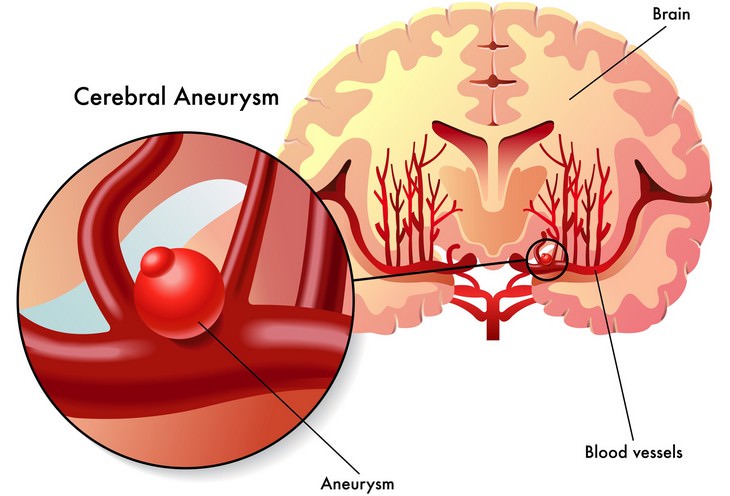
Neurosurgeon at New York University’s Langone Medical Center, Howard Riina, MD, describes a brain aneurysm as a weakness of the wall in one of the brain’s blood vessels. The weakness lets the wall form a bulge, due to the pressure of the blood running through the vessels. When this bulge becomes over-inflated it can rupture and seep blood into the brain tissue.
 
This bulge, or aneurysm, is something that anywhere from 6% to 9% of us are walking around with, unaware that it could rupture. They can even be seen on an MRI scan. Yet if the aneurysm is of a tolerably small size, doctors will not recommend invasive and dangerous surgery.

When you suffer a rupture...
brain aneurysms
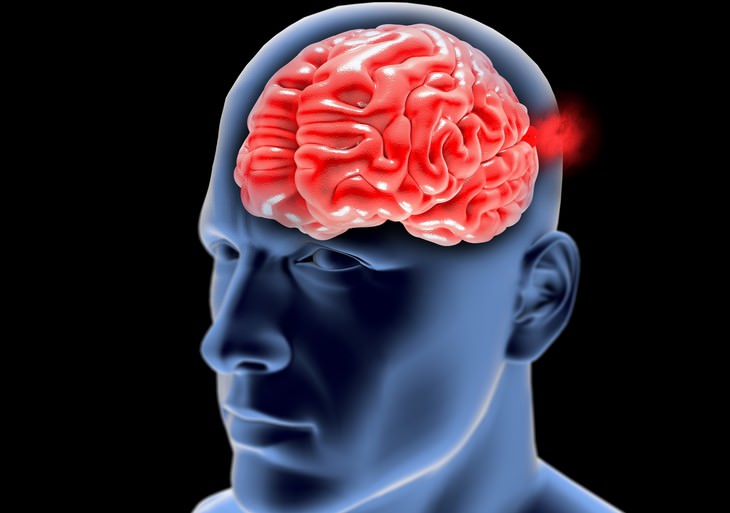
The frightening description above may give you the idea of blood squirting all over the place, but the truth is not quite so dramatic. There may be a little dribble for a few moments, but generally a platelet plug naturally forms, according to Riina. However, even this little trickle can be fatal. Between 30% to 50% of sufferers die immediately after a rupture occurs. 
 
The small blood leak irritates the brain tissues it comes into contact with, and this drastically increases pressure within the head. Furthermore, the loss of blood is catastrophic for the brain regions which have lost out. These areas need a constant supply of blood to function as they should. 
 
Pressure and a lack of blood combine to induce either death or unconsciousness. 
 
Signs and symptoms of a rupture:
Here are several symptoms that have been reported by those who have suffered a rupture: 
 
• An excruciating headache 
 
• Neck stiffness 
 
• Tingling face 
 
• Light sensitivity 
 
• Seizures 
 
• Weak limbs 
 
• Blurry or double vision 
 
• Extreme tiredness 
 
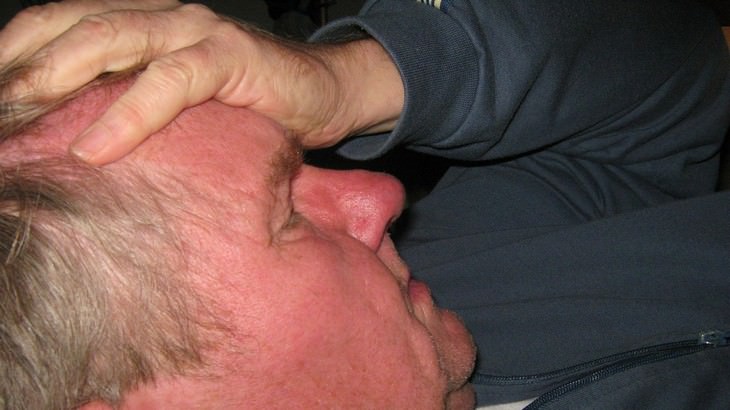
Most of these symptoms are secondary, however, to the headache. Colagrossi’s husband describes this as “W-H-O-L” or ‘the worst headache of your life’. This could be felt anywhere and at any time, though it may be felt more strongly behind the eyes. It is hard to describe this pain, some compare it to being hit by a bolt of lightning, others have said it felt like hearing a gun shot.  
 
What to do:
Riina’s advice is that if you or someone close to you experiences any of these symptoms, make an emergency call for an ambulance or go to the hospital directly. Doctors have several things they can do to get rid of the pressure that results from the rupture, but that doesn’t mean that everything will be well. 
 
Of those who receive treatment a third die, a third suffer permanent impairment, and a further third go back to normal. The goal of the Lisa Colagrossi Foundation is to help increase the number of people who can go back to normal. He says: 
 
"If someone had been doing the work we're doing now to raise public awareness, Lisa and millions of others would still be alive."


This is only for your information, kindly take the advice of your doctor for medicines, exercises and so on.   

https://gscrochetdesigns.blogspot.com. one can see my crochet creations  
https://gseasyrecipes.blogspot.com. feel free to view for easy, simple and healthy recipes    
https://kneereplacement-stickclub.blogspot.com. for info on knee replacement
https://cancersupportindia.blogspot.com  for infor on cancer and health related topics
https://GSiyers home remedies.blogspot.com   is the latest addition to my blogs. I'm going to add posts there, do give me your valuable feed back on my blogs. Thanks a lot, take care, be healthy and be happy.

Labels: , , , , , , , , , ,

Wednesday, July 28, 2021

Brain Aneurysms & How to Spot Them

Brain aneurysms kill people suddenly every year, yet few of us know what the warning signs of this deadly attack are. Recent estimates suggest that 90% of Americans are not sure what a brain aneurysm really is. And because anything from between 6% to 9% of people actually have an aneurysm, this lack of knowledge is tragic. This necessary guide will give you important information about brain aneurysms, telling you everything you need to know, and explaining what you can do to spot the signs before the worst happens.  
 
Lisa Colagrossi's story
brain aneurysms
Some of you may know the story of Emmy Award-nominated US news anchor, Lisa Colagrossi, who died in 2015 from a brain aneurysm, aged only 49. Lisa was a hard-working woman who began to feel excruciating head pain. After discussing it with her husband, she decided to let it pass and get on with her work. Sadly, she was taken ill and died only two weeks after the initial headache passed.

Following this awful turn of events, Lisa’s husband established the Lisa Colagrossi Foundation (LCF) to raise public awareness about the silent killer that had taken her away from him and their two poor children. Her husband understood that it was only a lack of knowledge that prevented Lisa from going to the doctor before it was too late. 
 
This story dramatically illustrates the need for more widely-spread knowledge about brain aneurysms.  
 
What is a brain aneurysm?

brain aneurysms

Neurosurgeon at New York University’s Langone Medical Center, Howard Riina, MD, describes a brain aneurysm as a weakness of the wall in one of the brain’s blood vessels. The weakness lets the wall form a bulge, due to the pressure of the blood running through the vessels. When this bulge becomes over-inflated it can rupture and seep blood into the brain tissue. 
 
This bulge, or aneurysm, is something that anywhere from 6% to 9% of us are walking around with, unaware that it could rupture. They can even be seen on an MRI scan. Yet if the aneurysm is of a tolerably small size, doctors will not recommend invasive and dangerous surgery. 
 
When you suffer a rupture...
The frightening description above may give you the idea of blood squirting all over the place, but the truth is not quite so dramatic. There may be a little dribble for a few moments, but generally a platelet plug naturally forms, according to Riina. However, even this little trickle can be fatal. Between 30% to 50% of sufferers die immediately after a rupture occurs. 
 
The small blood leak irritates the brain tissues it comes into contact with, and this drastically increases pressure within the head. Furthermore, the loss of blood is catastrophic for the brain regions which have lost out. These areas need a constant supply of blood to function as they should. 
 
Pressure and a lack of blood combine to induce either death or unconsciousness.

Signs and symptoms of a rupture:

Here are several symptoms that have been reported by those who have suffered a rupture: 
 
• An excruciating headache 
 
• Neck stiffness 
 
• Tingling face 
 
• Light sensitivity 
 
• Seizures 
 
• Weak limbs 
 
• Blurry or double vision 
 
• Extreme tiredness 
 
Most of these symptoms are secondary, however, to the headache. Colagrossi’s husband describes this as “W-H-O-L” or ‘the worst headache of your life’. This could be felt anywhere and at any time, though it may be felt more strongly behind the eyes. It is hard to describe this pain, some compare it to being hit by a bolt of lightning, others have said it felt like hearing a gun shot. 
 
What to do:
Riina’s advice is that if you or someone close to you experiences any of these symptoms, make an emergency call for an ambulance or go to the hospital directly. Doctors have several things they can do to get rid of the pressure that results from the rupture, but that doesn’t mean that everything will be well. 
 
Of those who receive treatment a third die, a third suffer permanent impairment, and a further third go back to normal. The goal of the Lisa Colagrossi Foundation is to help increase the number of people who can go back to normal. 
 
He says: "If someone had been doing the work we're doing now to raise public awareness, Lisa and millions of others would still be alive."


This is only for your information, kindly take the advice of your doctor for medicines, exercises and so on.   

https://gscrochetdesigns.blogspot.com. one can see my crochet creations  
https://gseasyrecipes.blogspot.com. feel free to view for easy, simple and healthy recipes    
https://kneereplacement-stickclub.blogspot.com. for info on knee replacement


Labels: , , , , , , , , , ,

Friday, June 02, 2017

Dry Eyes - Causes And Symptoms

Dry eyes are a common phenomenon that develops when the tears do not provide sufficient moisture to your eyes. This may also be the result of inadequate production of tears by the tear ducts. This condition cannot be cured permanently; however, treatments usually help.
Signs and symptoms of dry eyes:
1. A scratchy, stinging and a burning sensation in the eyes
2. Mucous surrounding the eyes
3. Sensitivity to light
4. Redness of the eyes
5. A feeling that something is stuck in the eyes
6. Problems in wearing contact lenses

7. Vision problems, especially while driving at night
8. Watery eyes caused due to the irritation that stems from dry eyes
9. Blurred vision

What are the causes?
1. Tears are a mix of fatty oils, water and mucus. This combination safeguards your eyes from any sort of infection in addition to keeping your ocular surface (the cornea surface) clear and smooth. Your eyes dry up if the tear ducts do not produce enough tears; medically, this condition is termed ‘keratoconjunctivitis sicca’. It can occur due to:


  • Age
  • Certain medical complications such as Sjogren’s Syndrome (a medical condition marked by dry eyes and a dry mouth) arthritis, diabetes, thyroid disorders and deficiency of Vitamin A among a few others
  • Side effects of certain medications such as anti-depressants, acne medications, birth control medications and medicines to control high blood pressure
  • Laser eye surgery or damage caused to the tear gland due to exposure to radiation or inflammation
2. Increased drying up or evaporation of the tears caused due to exposure to various kinds of smoke, dry air or wind, less of blinking while focusing on any particular activity or an object and eye lid problems such as in-turning of the eyelids (entropion) and out-turning of the eyelids (ectropion) can contribute to this irritating condition.
3. Imbalance in any of the layers constituting a tear film (made of oil, mucus and water) might lead to this condition. 
Please consult an Ophthalmologist, for your specific problem, after all eyes are very important in life, take good care of them always.

this is only for your information, kindly take the advice of your doctor for medicines, exercises and so on.   
https://gscrochetdesigns.blogspot.com. one can see my crochet creations 
https://gseasyrecipes.blogspot.com. feel free to view for easy, simple and healthy recipes    
https://kneereplacement-stickclub.blogspot.com. for info on knee replacement
 

Labels: , , , , , , , , , , ,

Wednesday, February 11, 2015

Thyroid Eye Disorder

Thyroid eye disorder is a condition in which our own immune cells attack the thyroid gland which results in either over or under production of thyroid hormones. In such case, the soft tissues surrounding our eyes get inflamed. Generally, this disease happens with a person suffering from overactive thyroid gland. Although thyroid eye disorder can occur at any age, the average age for having this disease is considered to be around 45 years.

Majorly, all the symptoms to discover thyroid eye disease arise as a result of swollen tissue around the eye. The early symptoms to diagnose this disease are watering of eyes, light sensitivity (photophobia), swollen eyelid, dry eyes or irritation in the eyes, a feeling of pressure on the eye socket, double vision, retraction of the eyelid and loss of vision.

In severe cases, the cornea of the eye may even ulcerate which occurs due to a combination of the eyes bulging forward and scarring and resulting in the eyelids retracting backward. Also, in certain situations optic nerve may get damaged due to thickened, inflamed and/or scarred muscles impinging on the optic nerve at the back of the socket. Either of the above mentioned situations may result in a permanent loss of vision if not treated appropriately by a good eye surgeon. 

Other issues associated with thyroid eye disease are blurred vision, impaired colour vision and most notably double vision also called diplopia. Thyroid eye disease swells the tissues surrounding the eye socket which pushes one eye forward, compressing the optic nerve causing blurred vision. Eye fatigue and eye soreness are the major outcomes of this disease.

It is often observed that cigarette smokers have significantly more risk to develop this disease.
The first priority should be to deal with the primary thyroid problem. Consult an opthamologist. To start, doctors suggest anti-thyroid drugs which should only be taken under the prescription of doctor, followed by either surgery or radiotherapy. The treatment often produces an under active thyroid, which requires treatment with thyroid replacement therapy.


THIS IS ONLY FOR INFORMATION, ALWAYS CONSULT YOU PHYSICIAN BEFORE HAVING ANY PARTICULAR FOOD/ MEDICATION/EXERCISE/OTHER REMEDIES.


PS- THOSE INTERESTED IN RECIPES ARE FREE TO VIEW MY BLOG-
HTTP:GSEASYRECIPES.BLOGSPOT.COM/ 


FOR INFO ABOUT KNEE REPLACEMENT, YOU CAN VIEW MY BLOG-
HTTP://KNEE REPLACEMENT-STICK CLUB.BLOGSPOT.COM/

FOR CROCHET DESIGNS


HTTP://MY CROCHET CREATIONS.BLOGSPOT.COM

Labels: , , , , , , , , , ,