Wednesday, July 28, 2021

Brain Aneurysms & How to Spot Them

Brain aneurysms kill people suddenly every year, yet few of us know what the warning signs of this deadly attack are. Recent estimates suggest that 90% of Americans are not sure what a brain aneurysm really is. And because anything from between 6% to 9% of people actually have an aneurysm, this lack of knowledge is tragic. This necessary guide will give you important information about brain aneurysms, telling you everything you need to know, and explaining what you can do to spot the signs before the worst happens.  
 
Lisa Colagrossi's story
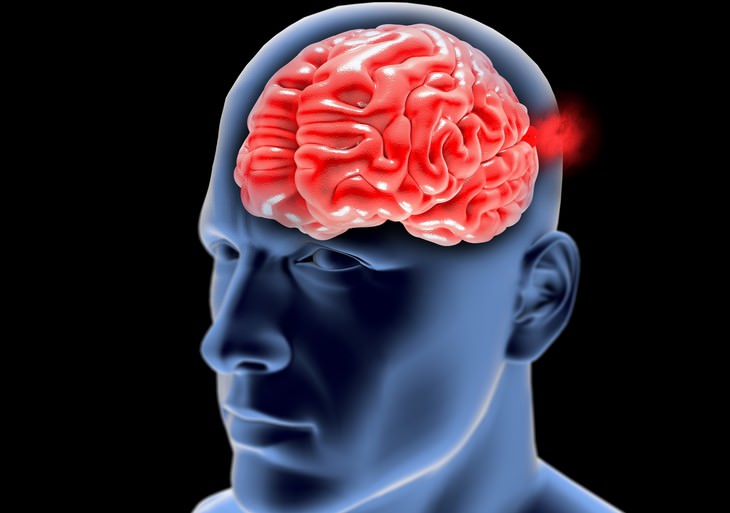
brain aneurysms
Some of you may know the story of Emmy Award-nominated US news anchor, Lisa Colagrossi, who died in 2015 from a brain aneurysm, aged only 49. Lisa was a hard-working woman who began to feel excruciating head pain. After discussing it with her husband, she decided to let it pass and get on with her work. Sadly, she was taken ill and died only two weeks after the initial headache passed.

Following this awful turn of events, Lisa’s husband established the Lisa Colagrossi Foundation (LCF) to raise public awareness about the silent killer that had taken her away from him and their two poor children. Her husband understood that it was only a lack of knowledge that prevented Lisa from going to the doctor before it was too late. 
 
This story dramatically illustrates the need for more widely-spread knowledge about brain aneurysms.  
 
What is a brain aneurysm?
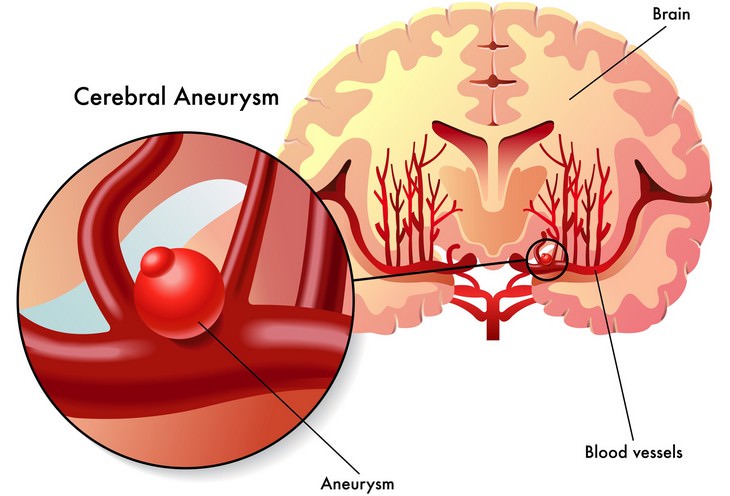
brain aneurysms

Neurosurgeon at New York University’s Langone Medical Center, Howard Riina, MD, describes a brain aneurysm as a weakness of the wall in one of the brain’s blood vessels. The weakness lets the wall form a bulge, due to the pressure of the blood running through the vessels. When this bulge becomes over-inflated it can rupture and seep blood into the brain tissue. 
 
This bulge, or aneurysm, is something that anywhere from 6% to 9% of us are walking around with, unaware that it could rupture. They can even be seen on an MRI scan. Yet if the aneurysm is of a tolerably small size, doctors will not recommend invasive and dangerous surgery. 
 
When you suffer a rupture...
The frightening description above may give you the idea of blood squirting all over the place, but the truth is not quite so dramatic. There may be a little dribble for a few moments, but generally a platelet plug naturally forms, according to Riina. However, even this little trickle can be fatal. Between 30% to 50% of sufferers die immediately after a rupture occurs. 
 
The small blood leak irritates the brain tissues it comes into contact with, and this drastically increases pressure within the head. Furthermore, the loss of blood is catastrophic for the brain regions which have lost out. These areas need a constant supply of blood to function as they should. 
 
Pressure and a lack of blood combine to induce either death or unconsciousness.

Signs and symptoms of a rupture:

Here are several symptoms that have been reported by those who have suffered a rupture: 
 
• An excruciating headache 
 
• Neck stiffness 
 
• Tingling face 
 
• Light sensitivity 
 
• Seizures 
 
• Weak limbs 
 
• Blurry or double vision 
 
• Extreme tiredness 
 
Most of these symptoms are secondary, however, to the headache. Colagrossi’s husband describes this as “W-H-O-L” or ‘the worst headache of your life’. This could be felt anywhere and at any time, though it may be felt more strongly behind the eyes. It is hard to describe this pain, some compare it to being hit by a bolt of lightning, others have said it felt like hearing a gun shot. 
 
What to do:
Riina’s advice is that if you or someone close to you experiences any of these symptoms, make an emergency call for an ambulance or go to the hospital directly. Doctors have several things they can do to get rid of the pressure that results from the rupture, but that doesn’t mean that everything will be well. 
 
Of those who receive treatment a third die, a third suffer permanent impairment, and a further third go back to normal. The goal of the Lisa Colagrossi Foundation is to help increase the number of people who can go back to normal. 
 
He says: "If someone had been doing the work we're doing now to raise public awareness, Lisa and millions of others would still be alive."


This is only for your information, kindly take the advice of your doctor for medicines, exercises and so on.   

https://gscrochetdesigns.blogspot.com. one can see my crochet creations  
https://gseasyrecipes.blogspot.com. feel free to view for easy, simple and healthy recipes    
https://kneereplacement-stickclub.blogspot.com. for info on knee replacement


Labels: , , , , , , , , , ,

Tuesday, November 20, 2018

How To Spot The Critical Signs Of A Brain Aneurysm

It feels like getting hit in the back of the head with a sledgehammer.

That is how a neurosurgeon with the Cerebrovascular Center described the pain of a ruptured aneurysm.

When an aneurysm ruptures, blood spills into the space around the brain, giving affected patients the “worst headache of their life.”

And that’s exactly how  a mother of two and a respected news journalist  described her pain.

“She said it felt like her head was going to explode,” her husband said. Along with her terrible headache, he explained, his wife had a few of the other classic symptoms including a stiff neck, a tingling sensation in her face and sensitivity to light.

“The headache would last a couple of hours, and then it would subside for a day or two,” her husband said. “We talked about her getting it checked out, but she didn’t feel like she had time, so we dismissed it.”

Tragically, those symptoms were the signs of a ruptured aneurysm that would claim her life just three weeks after they started.

Driving Awareness About The Warning Signs
Since her death in March 2015, she had worked hard to make sure other people do not ignore the warning signs. The husband has created a foundation to create public awareness of those signs and symptoms. He explained his motivation to Prevention:

“One thing that has haunted me more than anything else is, how could we not have known? The more I looked into aneurysms, the more I found that there’s no one out there talking about them, and there’s very little public education about the warning signs,” he said. The foundation even paired with others to launch a National Brain Aneurysm Awareness campaign:

Symptoms Of A Brain Aneurysm

The foundation urges you to seek medical attention immediately if you experience any of these symptoms:
  • Sudden WHOL—worst headache of life
  • Sudden sensitivity to light
  • Sudden stiffness of neck
  • Sudden sharp pain behind or above one eye
  • Sudden blurred or double vision
  • Sudden numbness and tingling in facial area
  • Sudden loss of consciousness
  • Sudden confusion or change of mental status
  • Seizure
  • Perceived “gun shot” noise or extremely loud “BOOM”
  • Drooping eyelid
  • Nausea and vomiting
Quick medical attention could mean the difference between life and death.

Steps To Determine If You Have A Brain Aneurysm
To determine if you have an aneurysm, doctors will order a series of tests that may include one or several of the following: a CT scan (CAT scan), a cerebrospinal fluid test, an MRI and a cerebral angiogram.

The doctor notes that screening for unruptured brain aneurysms is “generally not recommended” except in some cases where there is a genetic predisposition to an aneurysm (“A parent or sibling who has had a ruptured brain aneurysm, particularly if you have two such first-degree family members with brain aneurysms.”) or if you were born with a congenital disorder that increases your risk of an aneurysm.

Factors That Can Increase Your Risk

The doctor also highlights the following factors as leading to an increased risk of an aneurysm:
  • Older age
  • Smoking
  • High blood pressure (hypertension)
  • Hardening of the arteries (arteriosclerosis)
  • Drug abuse, particularly the use of cocaine
  • Head injury
  • Heavy alcohol consumption
  • Certain blood infections
  • Lower estrogen levels after menopause
If you have any concerns about your health, you should contact your doctor.

THIS IS ONLY FOR INFORMATION, ALWAYS CONSULT YOU PHYSICIAN BEFORE HAVING ANY PARTICULAR FOOD/ MEDICATION/EXERCISE/OTHER REMEDIES.                                                                                                                                                                                                                                                                                        PS- THOSE INTERESTED IN RECIPES ARE FREE TO  VIEW MY BLOG-                                                                                           https://gseasyrecipes.blogspot.com/                                                                                                                                                                             FOR INFO ABOUT KNEE REPLACEMENT, YOU CAN VIEW MY BLOG-                                                                                                                             https:// kneereplacement-stickclub.blogspot.com/                                                                                       FOR CROCHET DESIGNS                                                                                                                                                                                                                                 https://gscrochetdesigns.blogspot.com   

Labels: , , , , , , , , , , , , ,

Wednesday, November 14, 2018

Brain Aneurysms & How to Spot Them

Brain aneurysms kill people suddenly every year, yet few of us know what the warning signs of this deadly attack are. Recent estimates suggest that 90% of Americans are not sure what a brain aneurysm really is. And because anything from between 6% to 9% of people actually have an aneurysm, this lack of knowledge is tragic. This necessary guide will give you important information about brain aneurysms, telling you everything you need to know, and explaining what you can do to spot the signs before the worst happens.
Lisa Colagrossi's story
Some of you may know the story of Emmy Award-nominated US news anchor, Lisa Colagrossi, who died in 2015 from a brain aneurysm, aged only 49. Lisa was a hard-working woman who began to feel excruciating head pain. After discussing it with her husband, she decided to let it pass and get on with her work. Sadly, she was taken ill and died only two weeks after the initial headache passed. 

Following this awful turn of events, Lisa’s husband established the Lisa Colagrossi Foundation (LCF) to raise public awareness about the silent killer that had taken her away from him and their two poor children. Her husband understood that it was only a lack of knowledge that prevented Lisa from going to the doctor before it was too late.

This story dramatically illustrates the need for more widely-spread knowledge about brain aneurysms. 
What is a brain aneurysm?
brain aneurysms
Neurosurgeon  describes a brain aneurysm as a weakness of the wall in one of the brain’s blood vessels. The weakness lets the wall form a bulge, due to the pressure of the blood running through the vessels. When this bulge becomes over-inflated it can rupture and seep blood into the brain tissue.

This bulge, or aneurysm, is something that anywhere from 6% to 9% of us are walking around with, unaware that it could rupture. They can even be seen on an MRI scan. Yet if the aneurysm is of a tolerably small size, doctors will not recommend invasive and dangerous surgery. 
When you suffer a rupture...
The frightening description above may give you the idea of blood squirting all over the place, but the truth is not quite so dramatic. There may be a little dribble for a few moments, but generally a platelet plug naturally forms, according to a Dr. However, even this little trickle can be fatal. Between 30% to 50% of sufferers die immediately after a rupture occurs.

The small blood leak irritates the brain tissues it comes into contact with, and this drastically increases pressure within the head. Furthermore, the loss of blood is catastrophic for the brain regions which have lost out. These areas need a constant supply of blood to function as they should.

Pressure and a lack of blood combine to induce either death or unconsciousness.
Signs and symptoms of a rupture:
Here are several symptoms that have been reported by those who have suffered a rupture:

•    An excruciating headache
•    Neck stiffness
•    Tingling face
•    Light sensitivity
•    Seizures
•    Weak limbs
•    Blurry or double vision
•    Extreme tiredness
Most of these symptoms are secondary, however, to the headache. Colagrossi’s husband describes this as “W-H-O-L” or ‘the worst headache of your life’. This could be felt anywhere and at any time, though it may be felt more strongly behind the eyes. It is hard to describe this pain, some compare it to being hit by a bolt of lightning, others have said it felt like hearing a gun shot.
What to do:
Dr.’s advice is that if you or someone close to you experiences any of these symptoms, make an emergency call for an ambulance or go to the hospital directly. Doctors have several things they can do to get rid of the pressure that results from the rupture, but that doesn’t mean that everything will be well.

Of those who receive treatment a third die, a third suffer permanent impairment, and a further third go back to normal. The goal of the Lisa Colagrossi Foundation is to help increase the number of people who can go back to normal. He says:

"If someone had been doing the work we're doing now to raise public awareness, Lisa and millions of others would still be alive"
.

THIS IS ONLY FOR INFORMATION, ALWAYS CONSULT YOU PHYSICIAN BEFORE HAVING ANY PARTICULAR FOOD/ MEDICATION/EXERCISE/OTHER REMEDIES.                                                                                                                                                                                                             PS- THOSE INTERESTED IN RECIPES ARE FREE TO  VIEW MY BLOG-                                                                                           https://gseasyrecipes.blogspot.com/   

FOR INFO ABOUT KNEE REPLACEMENT, YOU CAN VIEW MY BLOG-                                                                                                    https:// kneereplacement-stickclub.blogspot.com/                              

FOR CROCHET DESIGNS                                                                                                                                                                                                                                 https://gscrochetdesigns.blogspot.com


Labels: , , , , , , , , , , , ,

Wednesday, October 12, 2016

Brain Aneurysms

Brain aneurysms kill people suddenly every year, yet few of us know what the warning signs of this deadly attack are.And because anything from between 6% to 9% of people actually have an aneurysm, this lack of knowledge is tragic. This necessary guide will give you important information about brain aneurysms, telling you everything you need to know, and explaining what you can do to spot the signs before the worst happens.

 What is a brain aneurysm?
 Neurosurgeon at New York University’s Langone Medical Center, Howard Riina, MD, describes a brain aneurysm as a weakness of the wall in one of the brain’s blood vessels. The weakness lets the wall form a bulge, due to the pressure of the blood running through the vessels. When this bulge becomes over-inflated it can rupture and seep blood into the brain tissue.

This bulge, or aneurysm, is something that anywhere from 6% to 9% of us are walking around with, unaware that it could rupture. They can even be seen on an MRI scan. Yet if the aneurysm is of a tolerably small size, doctors will not recommend invasive and dangerous surgery. 


When you suffer a rupture


The frightening description above may give you the idea of blood squirting all over the place, but the truth is not quite so dramatic. There may be a little dribble for a few moments, but generally a platelet plug naturally forms, according to Riina. However, even this little trickle can be fatal. Between 30% to 50% of sufferers die immediately after a rupture occurs.

The small blood leak irritates the brain tissues it comes into contact with, and this drastically increases pressure within the head. Furthermore, the loss of blood is catastrophic for the brain regions which have lost out. These areas need a constant supply of blood to function as they should.

Pressure and a lack of blood together combine to induce either death or unconsciousness.
Signs and symptoms of rupture
 Here are several symptoms that have been reported by those who have suffered a rupture:
•    An excruciating headache
•    Neck stiffness
•    Tingling face
•    Light sensitivity
•    Seizures
•    Weak limbs
•    Blurry or double vision
•    Extreme tiredness

Most of these symptoms are secondary, however, to the headache.
This could be felt anywhere and at any time, though it may be felt more strongly behind the eyes. It is hard to describe this pain, some compare it to being hit by a bolt of lightning, others have said it felt like hearing a gun shot.
 Riina’s advice is that if you or someone close to you experiences any of these symptoms, make an emergency call for an ambulance or go to the hospital directly. Doctors have several things they can do to get rid of the pressure that results from the rupture, but that doesn’t mean that everything will be well.

Of those who receive treatment a third die, a third suffer permanent impairment, and a further third go back to normal.
 this is only for your information, kindly take the advice of your doctor for medicines, exercises and so on.

https://gscrochetdesigns.blogspot.com. one can see my crochet creations
https://gseasyrecipes.blogspot.com. feel free to view for easy, simple and healthy recipes

https://kneereplacement-stickclub.blogspot.com. for info on knee replacement

Labels: , , , , , , , , , , ,