Wednesday, July 20, 2022

Heart disease: Your ankles can indicate a serious health risk

As per WHO estimates, heart diseases claim close to 18 million lives every year
Heart disease is a silent killer. The signs and symptoms associated with this disease are so mild in the initial stages that it is impossible for a healthy individual to spot these.

There are several common signs of heart diseases which do not seem alarming but can snowball and lead to serious conditions like heart disease.

​Ankles can be an indicator of heart disease

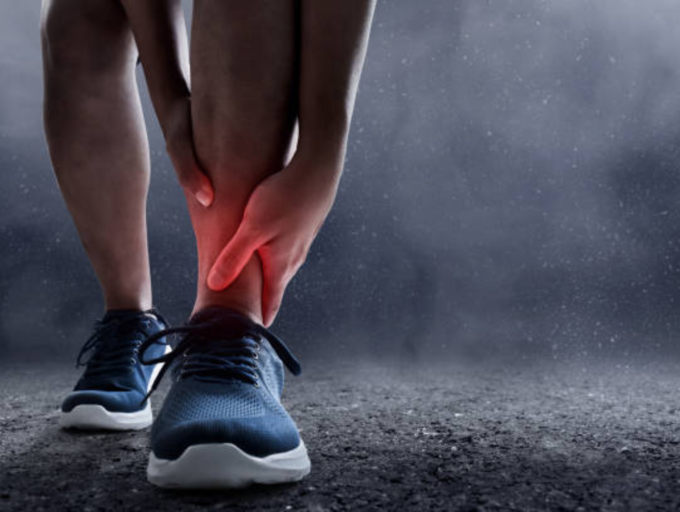
A swollen ankle can be an indication that your heart needs way more attention than you are giving it currently.

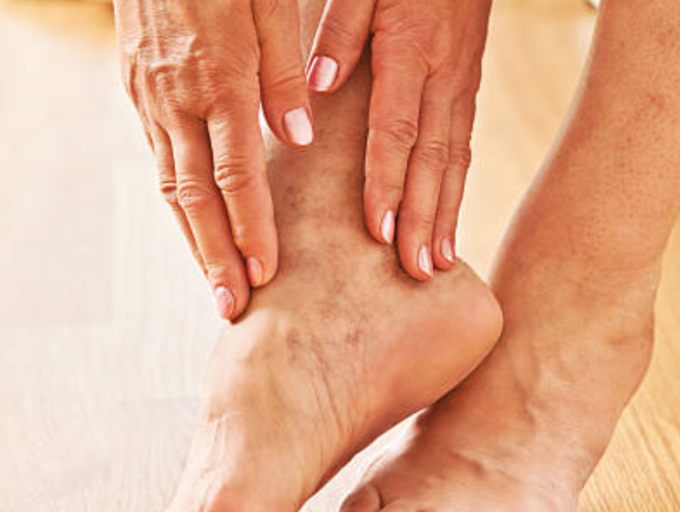
How do you spot it? Unexplained swelling in ankles, and ankles appearing swollen without any external injury or bruises should not be taken lightly.

Another potential indicator is that the swollen area appears warm and when pressed it leaves a dent which remains a bit longer; in such conditions the skin does not return back to normal.

For example, when you wear socks you see dent or the impressions of the socks on your legs. Normally these impressions go away once you get rid of the socks, however if these impressions stay for a longer duration you should consult a doctor.

​Peripheral oedema


This condition mostly occurs due to peripheral oedema. It occurs mostly when fluid gathers in the tissue. It is mostly seen in arms and legs. In this condition, the arms and legs feel heavy.

Peripheral oedema can indicate a mild water retention problem, or can also be a potential indicator of a serious disease like heart disease. It can even occur in response to an allergic reaction.

​Signs of peripheral oedema

Apart from swelling in the ankles, other signs of peripheral oedema are puffiness of hands and face, swelling mostly after standing for a long time and also after sitting for a long time, stretched skin, change in skin color, discomfort, stiffness in the joint areas.

Sometimes the patient can also experience neck pain, can lose consciousness, may experience dizziness, and nausea.

​Heart diseases peripheral oedema can indicate

Peripheral oedema can indicate congestive heart failure. When the heart weakens the amount of blood it pumps is affected drastically. This can lead to fluid build up leading to leg oedema.

The common signs of heart disease are:

  • Cough, which does not go away on its own
  • Wheezing
  • Bloating
  • Unexplained weight change
  • Mood swings and confusion
  • Palpitations

Other diseases associated with peripheral oedema
Apart from heart disease, the other ailments associated with peripheral oedema are varicose veins, deep vein thrombosis, kidney disease, less protein in blood, and liver disease.

It can also lead to severe lung conditions called emphysema.

The most common cause of peripheral edema in patients is venous insufficiency and is related to old age, but apart from this many other underlying conditions like heart failure, renal failure, liver failure, and trauma can cause this condition and can occur to an individual of any age group.

How to maintain good heart health?
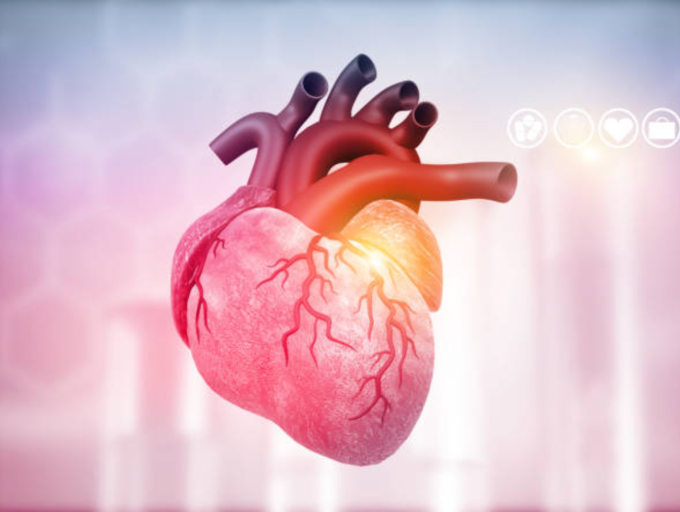
Apart from living a healthy life and having a clean diet, which are too obvious to follow, one should also keep an eye on minor changes in the body. Signs which seem simple and non-serious to the eyes might just be the tip of the iceberg.

Heart diseases do not happen at once. The symptoms linger within the body and slowly and steadily affect the normal functioning of the heart. By the time an individual experiences the issues, it's already too late.

Regular medical checkups, proper diet, exercise and a healthy lifestyle are very essential to keep the human heart function properly.

This is only for your information, kindly take the advice of your doctor for medicines, exercises and so on.   

https://gscrochetdesigns.blogspot.com. one can see my crochet creations  
https://gseasyrecipes.blogspot.com. feel free to view for easy, simple and healthy recipes    
https://kneereplacement-stickclub.blogspot.com. for info on knee replacement


Labels: , , , , , , , , ,

Tuesday, May 31, 2022

Serious Diseases You Shouldn't Ignore

While we have all heard of diseases like skin cancer, diabetes or eating disorders, few of us actually know the symptoms. But, knowing them can save your life, because the rule in medicine is usually - the sooner the treatment the much higher chances of successful treatment and even a cure. So the more knowledgeable and aware you are, the better your chances of getting off much lighter. Here are the health warning signs of 10 serious diseases you shouldn't ignore.

1. Diabetes  
This disease affects your blood glucose or blood sugar - in which they tend to be too high. Signs of diabetes include: 
• Constant hunger 
• Bruises and cuts that slowly heal 
• Weight loss or gain, without reason 
• Fatigue 
• Intense thirst 
• Numbness and pain in hands 
 
2. Skin cancer
Cancer exists in many forms. In skin cancer, it is the abnormal growth of skin cells which most often develops on skin exposed to the sun. The most common symptoms are: 
 
• Skin lesions that don’t heal 
• Thick, red skin with silvery patches 
• Jaundice 
• Redness of the face and neck 
• Changes in skin moles 
• New moles

3. Muscle or joint disease 
Multiple sclerosis, rheumatoid arthritis, and polymyalgia rheumatica are three types of autoimmune disorders that affect the muscles, joints, and nerves. Symptoms of muscle disease include: 
• Swelling, inflammation, stiffness, or redness in or around the joints 
• Numbness or tingling 
• Constant muscle pain 
• Reduced range of movement of any joints 
 
4. Lung disease
Any problem in the lungs that prevents them from working properly is considered to be a form of lung disease. Watch out for these signs: 
• Chronic chest pain (lasting for a month or longer) 
• Coughing up blood 
• Chronic cough (lasting for a month or longer) 
• Wheezing 
• Chronic mucus production (lasting for a month or longer) 
• Difficulty breathing 
• Shortness of breath 
 
5. Breast disease 
Breast changes such as lumps, bumps, and discharge are common. Some causes can be aging, hormones, and medicines. Nevertheless, it's always recommended you be aware of the symptoms of breast disease, which include: 
• Thickening in the underarm area 
• Thickening near or in the breast 
• Unusual breast tenderness or pain 
• Nipple discharge 
• Nipple or breast skin changes  
 
6. Female reproductive health problems
Women experience specific sexual and reproductive health issues throughout their life. Common signs of female reproductive health problems include: 
 
• Unusual vaginal discharge 
• Painful menstrual bleeding 
• Severe abdominal or pelvic pain 
• Itchy genital area 
• Frequent urination  
 
7. Digestive and stomach diseases 
Digestive diseases exist in many forms including polyps and cancer, infections, celiac disease, Crohn's disease, ulcerative colitis, diverticulitis, malabsorption, short bowel syndrome, and intestinal ischemia. Gastroesophageal reflux disease (GERD), peptic ulcer disease, and hiatal hernia. Symptoms of stomach and digestive problems are: 
 
• Changes in bowel habits 
• Vomiting blood 
• Rectal bleeding 
• Diarrhea 
• Heartburn 
• Blood in the stool 
• Black stools 
• Inability to control your bowels 
• Acid reflux 
• Constipation  
 
8. Bladder problems
The bladder is a hollow organ in your lower abdomen that stores urine. A number of conditions can affect your bladder. The signs of bladder disease can include:
 
• Wetting the bed at night 
• Painful or frequent urination 
• Excessive urination at night 
• Loss of bladder control 
• Blood in the urine 
 
9. Eating disorders and weight problems  
People who suffer from an eating disorder intentionally avoid eating and often starve themselves to achieve an excessive amount of weight loss. Common signs of eating disorders and weight problems include: 
 
• Starvation 
• Depression 
• Distorted body image 
• Excessive hunger 
• Dehydration 
• Compulsive exercise 
• Fatigue 
• Extreme thirst 
• Vomiting 
• Preoccupation with weight and food  
 
10. Deep vein thrombosis
Deep vein thrombosis (DVT) occurs when a blood clot (thrombus) forms in one or more of the deep veins in your body, usually in your legs. Thrombosis can be accompanied by these symptoms: 
 
• Leg or arm spasms 
• Leg or arm pain 
• Leg or arm is warm to the touch 
• Swelling in the leg, and sometimes in the arm 
• Bluish or reddish skin discoloration


This is only for your information, kindly take the advice of your doctor for medicines, exercises and so on.   

https://gscrochetdesigns.blogspot.com. one can see my crochet creations  
https://gseasyrecipes.blogspot.com. feel free to view for easy, simple and healthy recipes    
https://kneereplacement-stickclub.blogspot.com. for info on knee replacement

Labels: , , , , , , , , ,