Wednesday, July 20, 2022

Heart disease: Your ankles can indicate a serious health risk

As per WHO estimates, heart diseases claim close to 18 million lives every year
Heart disease is a silent killer. The signs and symptoms associated with this disease are so mild in the initial stages that it is impossible for a healthy individual to spot these.

There are several common signs of heart diseases which do not seem alarming but can snowball and lead to serious conditions like heart disease.

​Ankles can be an indicator of heart disease

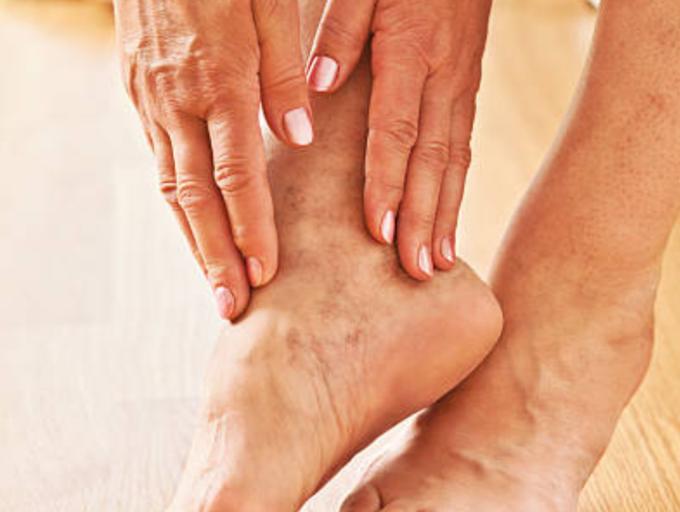
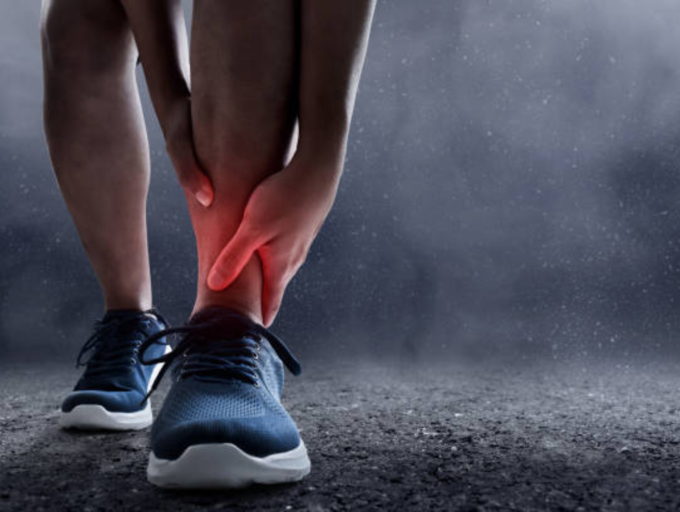
A swollen ankle can be an indication that your heart needs way more attention than you are giving it currently.

How do you spot it? Unexplained swelling in ankles, and ankles appearing swollen without any external injury or bruises should not be taken lightly.

Another potential indicator is that the swollen area appears warm and when pressed it leaves a dent which remains a bit longer; in such conditions the skin does not return back to normal.

For example, when you wear socks you see dent or the impressions of the socks on your legs. Normally these impressions go away once you get rid of the socks, however if these impressions stay for a longer duration you should consult a doctor.

​Peripheral oedema


This condition mostly occurs due to peripheral oedema. It occurs mostly when fluid gathers in the tissue. It is mostly seen in arms and legs. In this condition, the arms and legs feel heavy.

Peripheral oedema can indicate a mild water retention problem, or can also be a potential indicator of a serious disease like heart disease. It can even occur in response to an allergic reaction.

​Signs of peripheral oedema

Apart from swelling in the ankles, other signs of peripheral oedema are puffiness of hands and face, swelling mostly after standing for a long time and also after sitting for a long time, stretched skin, change in skin color, discomfort, stiffness in the joint areas.

Sometimes the patient can also experience neck pain, can lose consciousness, may experience dizziness, and nausea.

​Heart diseases peripheral oedema can indicate

Peripheral oedema can indicate congestive heart failure. When the heart weakens the amount of blood it pumps is affected drastically. This can lead to fluid build up leading to leg oedema.

The common signs of heart disease are:

  • Cough, which does not go away on its own
  • Wheezing
  • Bloating
  • Unexplained weight change
  • Mood swings and confusion
  • Palpitations

Other diseases associated with peripheral oedema
Apart from heart disease, the other ailments associated with peripheral oedema are varicose veins, deep vein thrombosis, kidney disease, less protein in blood, and liver disease.

It can also lead to severe lung conditions called emphysema.

The most common cause of peripheral edema in patients is venous insufficiency and is related to old age, but apart from this many other underlying conditions like heart failure, renal failure, liver failure, and trauma can cause this condition and can occur to an individual of any age group.

How to maintain good heart health?
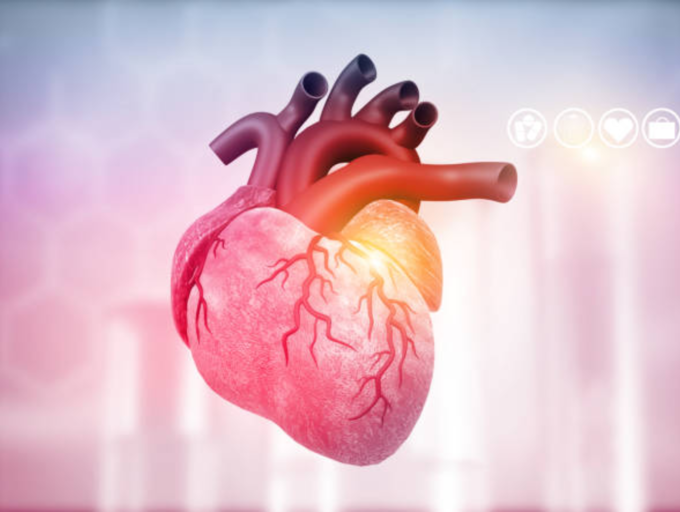
Apart from living a healthy life and having a clean diet, which are too obvious to follow, one should also keep an eye on minor changes in the body. Signs which seem simple and non-serious to the eyes might just be the tip of the iceberg.

Heart diseases do not happen at once. The symptoms linger within the body and slowly and steadily affect the normal functioning of the heart. By the time an individual experiences the issues, it's already too late.

Regular medical checkups, proper diet, exercise and a healthy lifestyle are very essential to keep the human heart function properly.

This is only for your information, kindly take the advice of your doctor for medicines, exercises and so on.   

https://gscrochetdesigns.blogspot.com. one can see my crochet creations  
https://gseasyrecipes.blogspot.com. feel free to view for easy, simple and healthy recipes    
https://kneereplacement-stickclub.blogspot.com. for info on knee replacement


Labels: , , , , , , , , ,

Monday, April 19, 2021

5 signs that one's liver is in distress, symptoms of liver damage one must not miss

Since the liver is a vital organ, neglecting its health can have a cascading effect on other organs in the body. Learn how to read the signals of a failing liver. What are the first signs of a bad liver?
Protect your liver
  • The liver is a large organ and carries out vital functions within our body
  • If we neglect liver health, it affects other vital organs' fitness too.
  • Liver damage can happen slowly or suddenly, therefore it is important to stay aware of the symptoms.

April 19th is World Liver Day. The commemoration helps bring focus on the vital organ we all tend to ignore till it starts hurting.

The liver is an organ about the size of a small football. This large, meaty organ sits on the right side of the belly and weighs about 3 pounds, is reddish-brown in colour and feels rubbery to the touch. Now you may ask why you cannot feel it .... and the answer to that is - because it's protected by the rib cage. 

What does the liver do? It helps us to digest food and to get rid of toxic substances that accumulate inside our body.

Liver disease can be inherited (genetic) or caused by a variety of factors such as viruses, alcohol use and obesity. Over time, conditions that damage the liver can lead to scarring (cirrhosis), which can lead to liver failure, a life-threatening condition. 

However, let that not scare you as early recognition of symptoms and prompt treatment can stall the damage and restore health for the patient.

Here are four of the most common signs of liver failure. See your doctor if you notice any of these issues.

  1. Fluid retention, swelling on legs, stomach: This is the most common sign of liver disease, appearing in 50 per cent of people who have cirrhosis, a condition in which scar tissue replaces healthy liver tissue. Fluid accumulates around your abdominal area and/or legs show swelling. This happens when high blood pressure causes disruption in the process of creating albumin within your liver. Albumin is a protein that prevents leaks from your bloodstream into tissue. 
  2. Skin and eyes that appear yellowish (jaundice): You may notice a marked change in the colour of your eyes, skin and urine. They will look a darker shade of yellow. This happens when bilirubin, a pigment that forms when red blood cells break down, builds up in your bloodstream. A healthy liver absorbs bilirubin and converts it into bile - which is thrown out of the body through the stools.
  3. Confusion and difficulty thinking clearly: Hepatic encephalopathy may cause confusion or drowsiness. Loss of brain function occurs when the liver is unable to remove toxins from the blood. This is called hepatic encephalopathy (HE). This problem may occur suddenly or it may develop slowly over time.
  4. Bleeding: Your liver typically cycles about 25% of your blood from the portal vein. But cirrhosis creates an opportunity for bleeding. You may vomit blood or notice blood in the stools or rectal bleeding. Many patients with cirrhosis have portal vein thrombosis, usually, because blood flow through the severely scarred liver is slow and therefore more likely to clot. Any condition that makes blood more likely to clot can cause portal vein thrombosis.
  5. Other signs to watch out for: 
  • Itchy skin
  • Chronic fatigue
  • Nausea or vomiting
  • Loss of appetite
  • Tendency to bruise easily

Important:
According to researchers, the liver disease accounts for approximately 2 million deaths per year worldwide, 1 million due to complications of cirrhosis and 1million due to viral hepatitis and hepatocellular carcinoma. You must care for your liver health. Reach out to your doctor immediately if you feel pain, discomfort, or any of the above signs and symptoms. Acute liver failure can develop quickly in an otherwise healthy person, and it is life-threatening. If you or someone you know suddenly develops yellowing of the eyes or skin; tenderness in the upper abdomen; or any unusual changes in mental state, personality or behaviour, seek medical attention right away.


This is only for your information, kindly take the advice of your doctor for medicines, exercises and so on.     

https://gscrochetdesigns.blogspot.com. one can see my crochet creations  
https://gseasyrecipes.blogspot.com. feel free to view for easy, simple and healthy recipes    
https://kneereplacement-stickclub.blogspot.com. for info on knee replacement

Labels: , , , , , , , , , , , ,